114. Pulm PEEPs Pearls: Airway Clearance Techniques in Non-CF Bronchiectasis

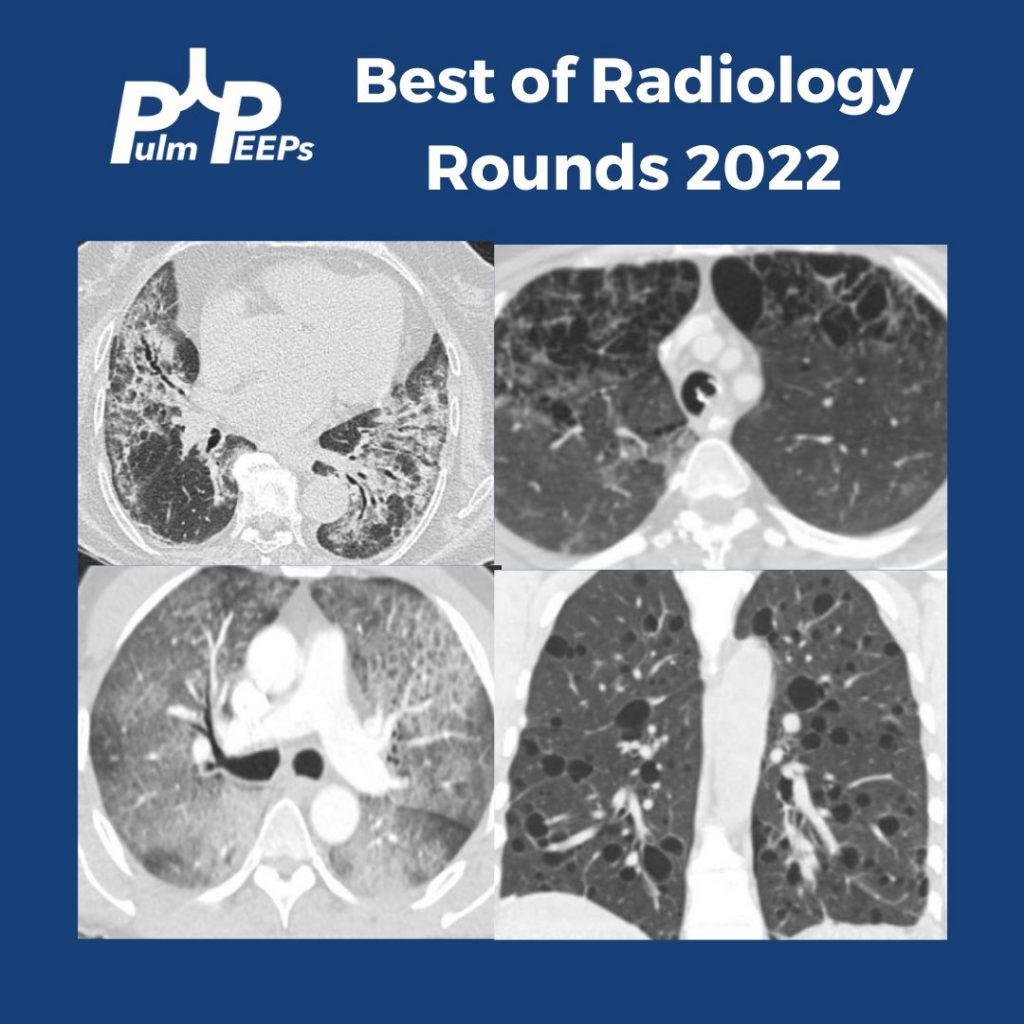
PPP Cover Images

This week’s Pulm PEEPs Pearls episode is a focused discussion between Furf and Monty about non-pharmacologic techniques for airway clearance in the non-Cystic Fibrosis bronchiectasis population. This is a focused, high-yield discussion of the key points about airway clearance, including practical tips and a discussion of the evidence.

This episode was prepared in conjunction with George Doumat MD. Goerge is an internal medicine resident at UT Southwestern and joined us for a Pulm PEEPs – BMJ Thorax journal club episode. He is now acting as a Pulm PEEPs Editor for the Pulm PEEPs Pearls series.

1) Why airway clearance matters in non-CF bronchiectasis

  • Non-CF bronchiectasis is defined by irreversible bronchial dilation with impaired mucociliary clearance, leading to mucus retention.
  • Retained sputum drives the classic vicious cycle: mucus → infection → neutrophilic inflammation → airway damage → worse clearance.
  • Airway clearance techniques (ACTs) are meant to interrupt this cycle, primarily by improving mucus mobilization and symptom control.

2) What ACTs are trying to achieve clinically

  • Main benefits are:
    • More effective sputum clearance
    • Reduced cough/dyspnea burden
    • Improved activity tolerance and quality of life
  • Effects on spirometry are usually small.
  • Exacerbation reduction is possible, but evidence is mixed—some longer-term data suggest benefit for specific techniques.

3) The main ACT “families” and when to use them

Breathing-based techniques (device-free, flexible)

  • ACBT (Active Cycle of Breathing Technique): breath control → deep breaths with holds → huffing.
    • Pros: portable, adaptable, good first-line option.
    • Key requirement: teaching/coaching to get technique right.
  • Autogenic drainage: controlled breathing at different lung volumes to move mucus from peripheral → central airways.
    • Pros: no device, can work well once learned.
    • Cons: more technically demanding, needs training and practice.

PEP / Oscillatory PEP (stents airways + “vibrates” mucus loose)

  • PEP: back-pressure helps prevent small airway collapse during exhalation; often paired with huff/cough.
  • Oscillatory PEP (Flutter/Acapella/Aerobika): adds oscillation that many patients find easy and satisfying to use.
    • Good fit for: people who benefit from airway stenting, want something portable, and prefer a device.

Mechanical/manual techniques (help when patient can’t self-clear well)

  • HFCWO (“the vest”): external chest wall oscillation; helpful for high sputum volumes, dexterity limits, or difficulty coordinating breathing maneuvers.
  • Postural drainage/percussion/vibration: caregiver/therapist-assisted options; still useful but consider:
    • GERD/reflux risk with certain positions
    • Hemoptysis risk with vigorous techniques

4) How to choose the “right” technique (the practical framework)

There is no one-size-fits-all. Match the tool to the patient:

  • Sputum burden (volume/viscosity)
  • Strength, coordination, cognition, dexterity
  • Comorbidities (GERD, hemoptysis history, severe obstruction/airway collapse)
  • Lifestyle + portability (what they’ll actually do)
  • Cost/access and availability of respiratory therapy/physio support

A key mindset from the script: this is not a lifetime contract—reassess and adjust over time with shared decision-making.

5) Evidence takeaways (what improves, what doesn’t)

  • ACTs reliably improve sputum expectoration and often symptoms/QoL.
  • QoL/cough scores (e.g., SGRQ, LCQ) tend to improve modestly, particularly with oscillatory PEP and some vest studies.
  • Lung function: typically minimal change; occasional short-term FEV₁ benefit is reported in some vest trials.
  • Exacerbations: mixed overall; the script highlights a longer-term RCT of ELTGOL showing fewer exacerbations at 12 months vs placebo exercises.
  • Safety: generally excellent; main cautions are hemoptysis and reflux (depending on technique/positioning).

6) Special population pearls

  • Hemoptysis / fragile airways: start with gentle breathing-based ACTs (ACBT, controlled huffing); avoid overly vigorous oscillatory/manual methods if concerned.
  • Severe obstruction or early airway collapse: PEP/oscillatory PEP can help by keeping small airways open on exhalation.
  • Mobility/coordination barriers: consider HFCWO vest or simple oscillatory PEP devices to enable daily adherence.
  • During exacerbations: keep it simple—1–2 reliable techniques, prioritize daily consistency, and re-check technique.

7) The “real” bottom line

  • Start with simple, self-manageable options (often ACBT ± PEP).
  • The “best” ACT is the one the patient will do consistently.
  • Reassess technique and fit over time; education and demonstration are part of the therapy.

 Lee AL et al., “Airway clearance techniques for bronchiectasis,” Cochrane Database Syst Rev. 2015; PMC7175838. PMID: 26591003.

Athanazio RA et al., “Airway Clearance Techniques in Bronchiectasis,” Front Med (Lausanne). 2020; PMC7674976. PMID: 33251032.

Iacono R et al., “Mucociliary clearance techniques for treating non-cystic fibrosis bronchiectasis,” Eur Rev Med Pharmacol Sci. 2015; PMID: 26078380.

Polverino E et al., “European Respiratory Society statement on airway clearance techniques in bronchiectasis,” Eur Respir J. 2023; PMID: 37142337.

Doumat G, Aksamit TR, Kanj AN. Bronchiectasis: A clinical review of inflammation. Respir Med. 2025 Aug;244:108179. doi: 10.1016/j.rmed.2025.108179. Epub 2025 May 25. PMID: 40425105.

110. Pulm PEEPs at CHEST 2025 – Widened Airways and Narrowed Differentials

PPP Cover Images (2)

For today’s podcast we have a special episode. We were extremely grateful to be invited to present live at CHEST 2025 this year. Kristina Montemayor, and Pulm PEEPs Associate Editors Luke Hedrick, Tom Di Vitantonio, and Rupali Sood hosted a session entitled “Widened Airways and Narrowed Differentials”. It is a great session around bronchiectasis. Enjoy!


Dr. Doreen Addrizzo-Harris is  a Professor of Medicine at NYU where she is also Associate Director of Clinical and Academic Affairs for the pulmonary and critical care division. In addition to that, she’s the director of the bronchiectasis and NTM program and also serves as a program director for the pulmonary and critical care fellowship.

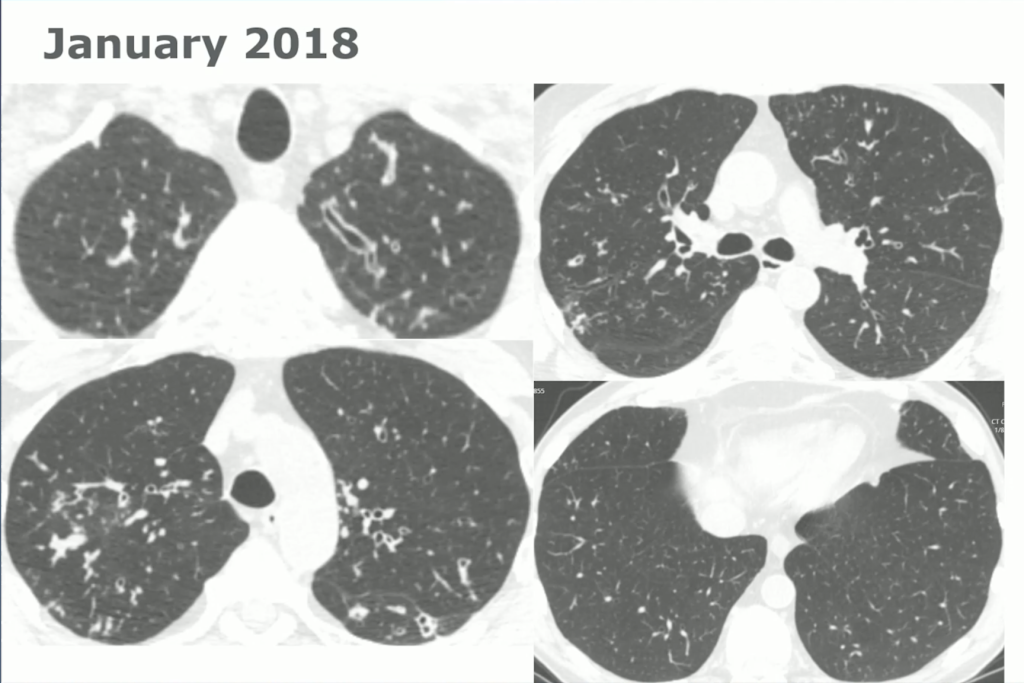
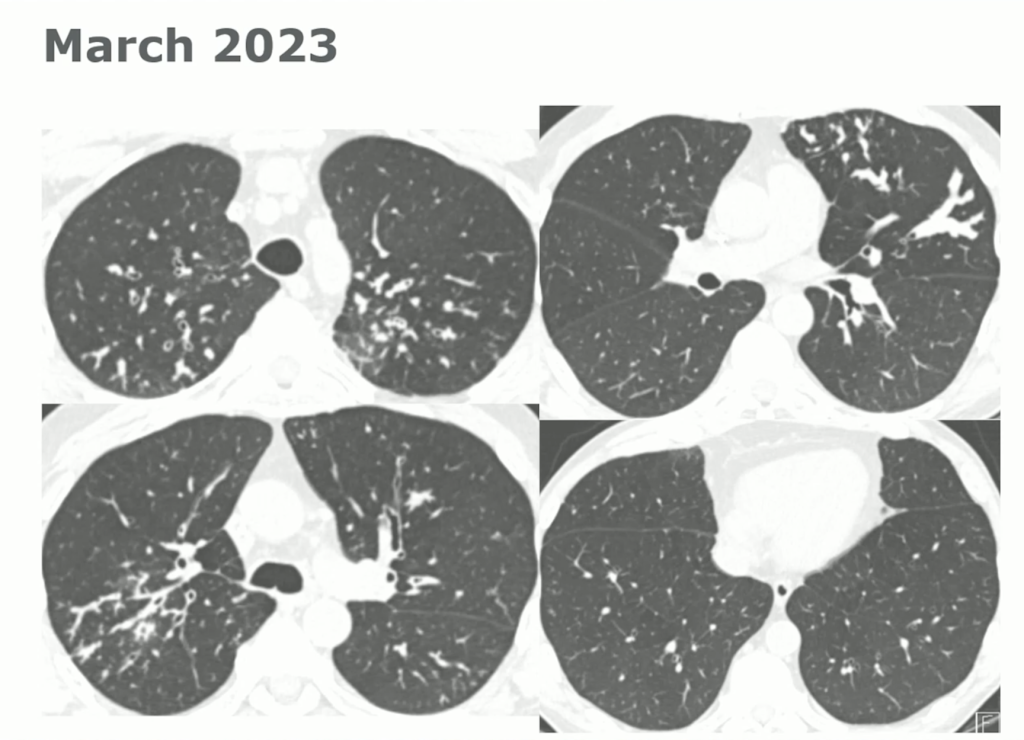
60-year-old with CLL (in remission) → recurrent “pneumonias,” diffuse (not single-lobe), later dx’d with CVID; serial CTs: upper-lobe–predominant bronchiectasis, tree-in-bud, mucus impaction; multiple AFB+ cultures (MAC, later M. abscessus); recurrent bacterial flares (MSSA/MRSA).


Imaging pearls

  • Tree-in-bud = small airways (bronchiolar) impaction/inflammation, not a diagnosis. Differential guided by distribution + chronicity:
    • Acute/diffuse → bacterial/viral/NTM infection
    • Dependent/basal → aspiration
    • Persistent + nodular + bronchiectasis → NTM common
  • Bronchiectasis CT signs (think: “ring, taper, edge”):
  1. Broncho-arterial ratio >1 (signet-ring)
  2. Lack of normal tapering
  3. Visible bronchi within 1 cm of pleura
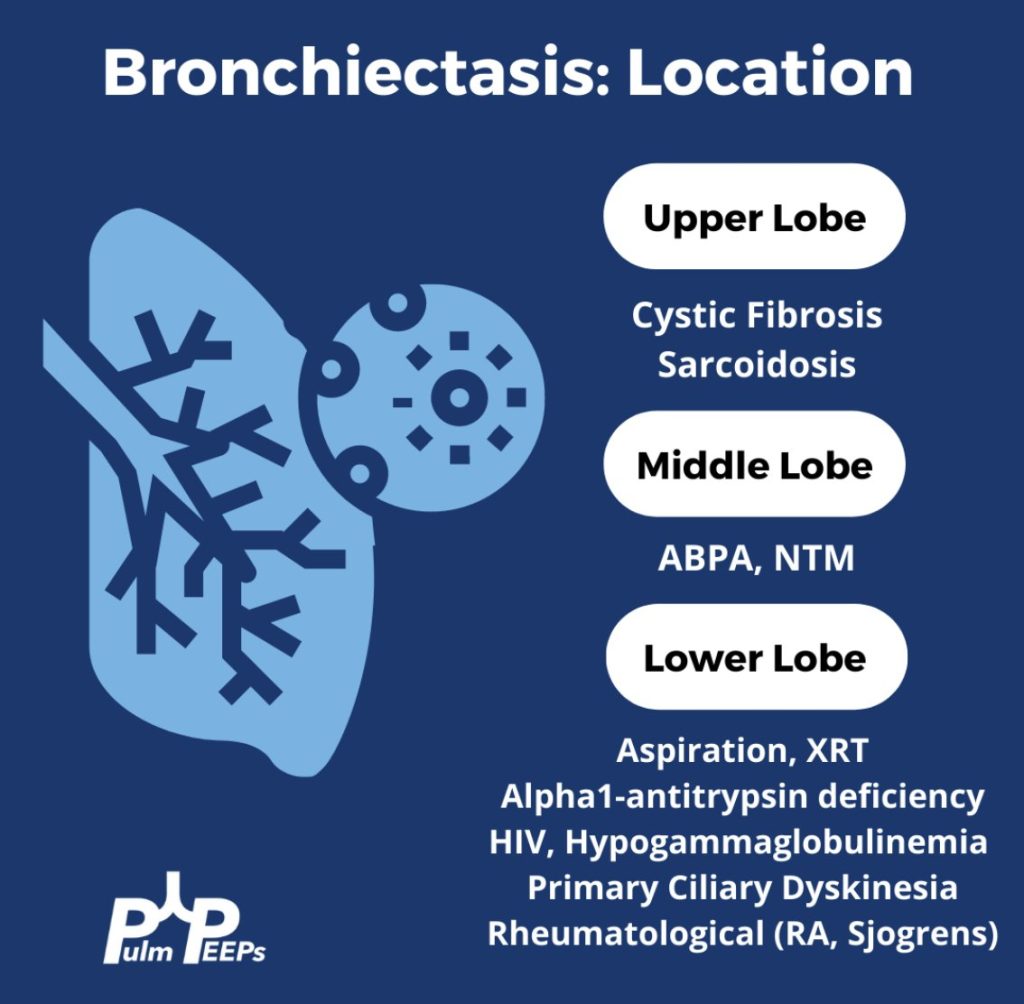
  • Location matters:
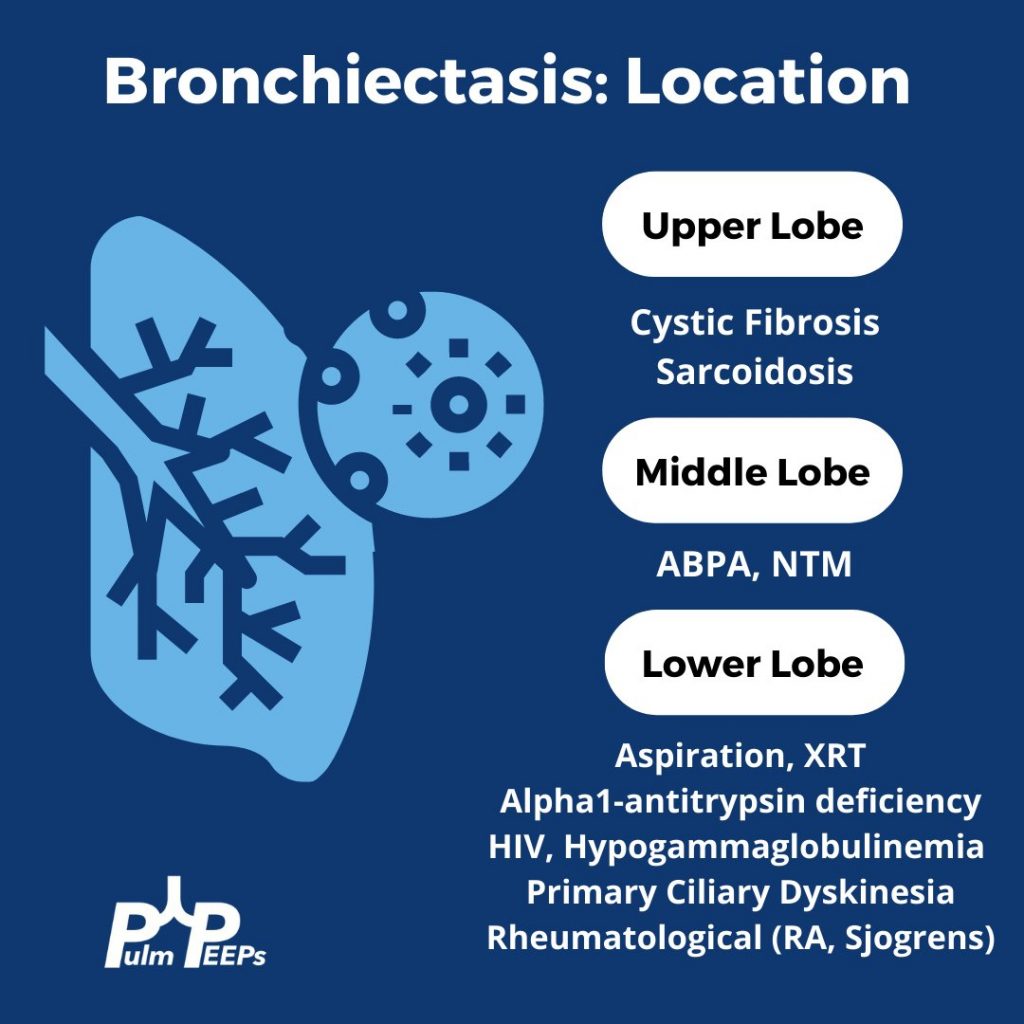
    • Upper lobes → CF, sarcoid, prior TB/radiation
    • Middle lobe/lingula → NTM classic; consider ABPA if central
    • Lower lobes → aspiration, PCD, CTD, immunodeficiency

NTM: diagnosis & when to treat

  • Use all three (2020 guideline frame): clinical symptoms, compatible CT, microbiology (≥2 sputum cultures or 1 bronch +, etc.).
  • Not every positive culture = disease needing drugs. If you defer pharmacologic therapy, follow closely (symptoms, sputum, PFTs, interval CT if change).
  • Bug matters: MAC, M. abscessus, kansasii etc. “Low-virulence” species (e.g., M. gordonae) can still flag underlying airway disease.
  • Regimens (MAC, macrolide-susceptible): azithro + ethambutol + rifampin (intermittent for nodular-bronchiectatic; daily ± IV amikacin for fibro-cavitary/advanced).
    • Macrolide is the backbone; the others protect against resistance.
    • M. abscessus: check for inducible macrolide resistance (prolonged in-vitro testing).
  • Monitoring: sputum q1–3 mo; labs (CBC/CMP), vision (ethambutol), hearing (aminoglycosides). Treat ~12 months beyond culture conversion.
  • Anti-inflammatory macrolide for bronchiectasis is contraindicated if macrolide-susceptible NTM is present—risk of resistance.

Bronchiectasis management essentials

  • It’s a syndrome: symptoms/exacerbations plus CT changes.
  • Airway clearance is foundational (exercise + devices ± hypertonic saline/DNase when indicated). Expect CT and symptom gains with adherence.
  • Exacerbations often need ~14 days of pathogen-directed antibiotics (short courses may fail). Take the “easy win” when a conventional pathogen explains the flare.

Workup framework (start with a core bundle, then target)

Core “every patient” bundle

  • CBC with diff (look for eosinophilia/hematologic clues)
  • Quantitative IgG/IgA/IgM (primary/secondary immunodeficiency)
  • ABPA screen: total IgE + Aspergillus-specific IgE/IgG
  • Sputum cultures: routine bacteria + AFB + fungal (if producing)
  • Baseline PFTs

Targeted tests (guided by history, distribution, microbes)

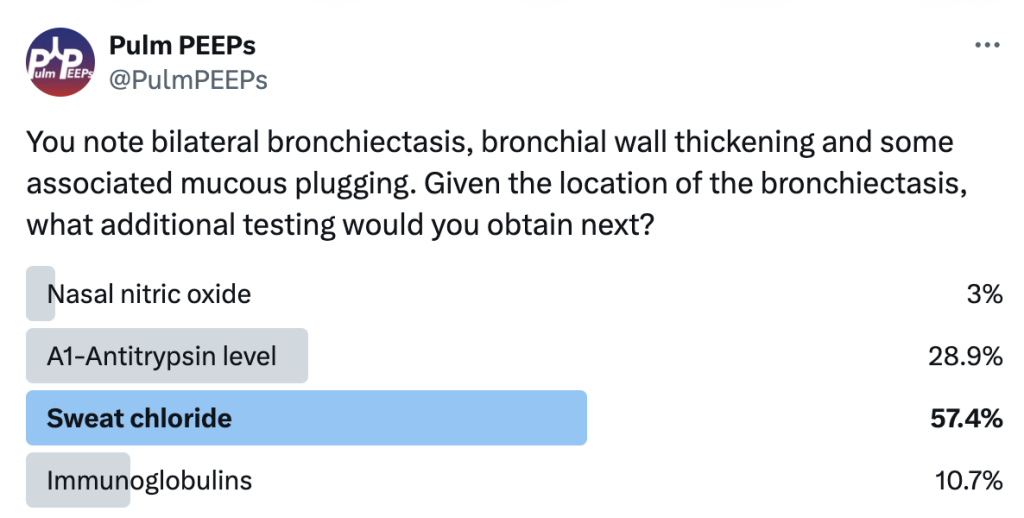
  • CF evaluation: sweat chloride and/or CFTR genotyping (especially with upper-lobe disease, chronic sinusitis/nasal polyps, pancreatitis/malabsorption, infertility/CAVD).
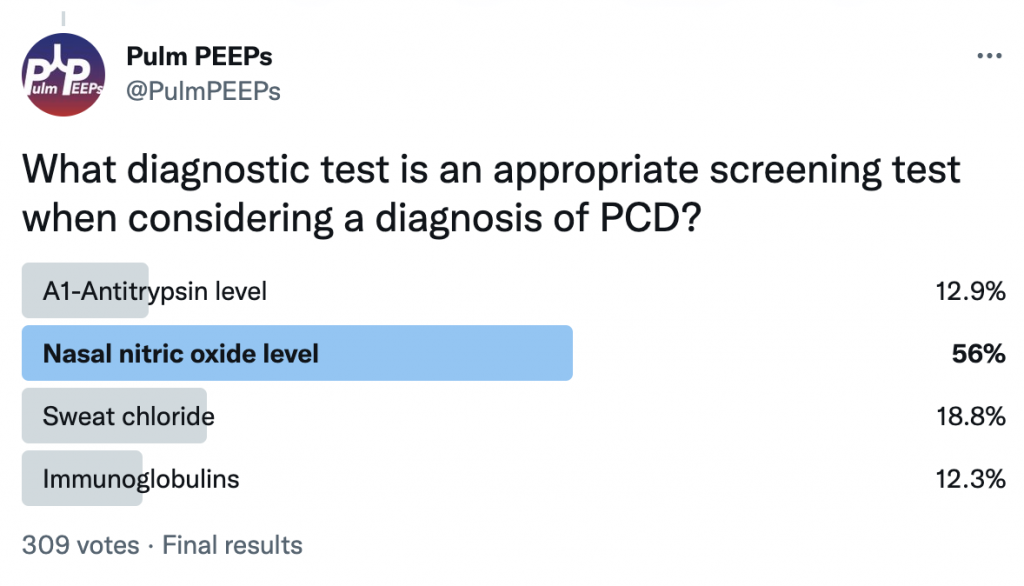
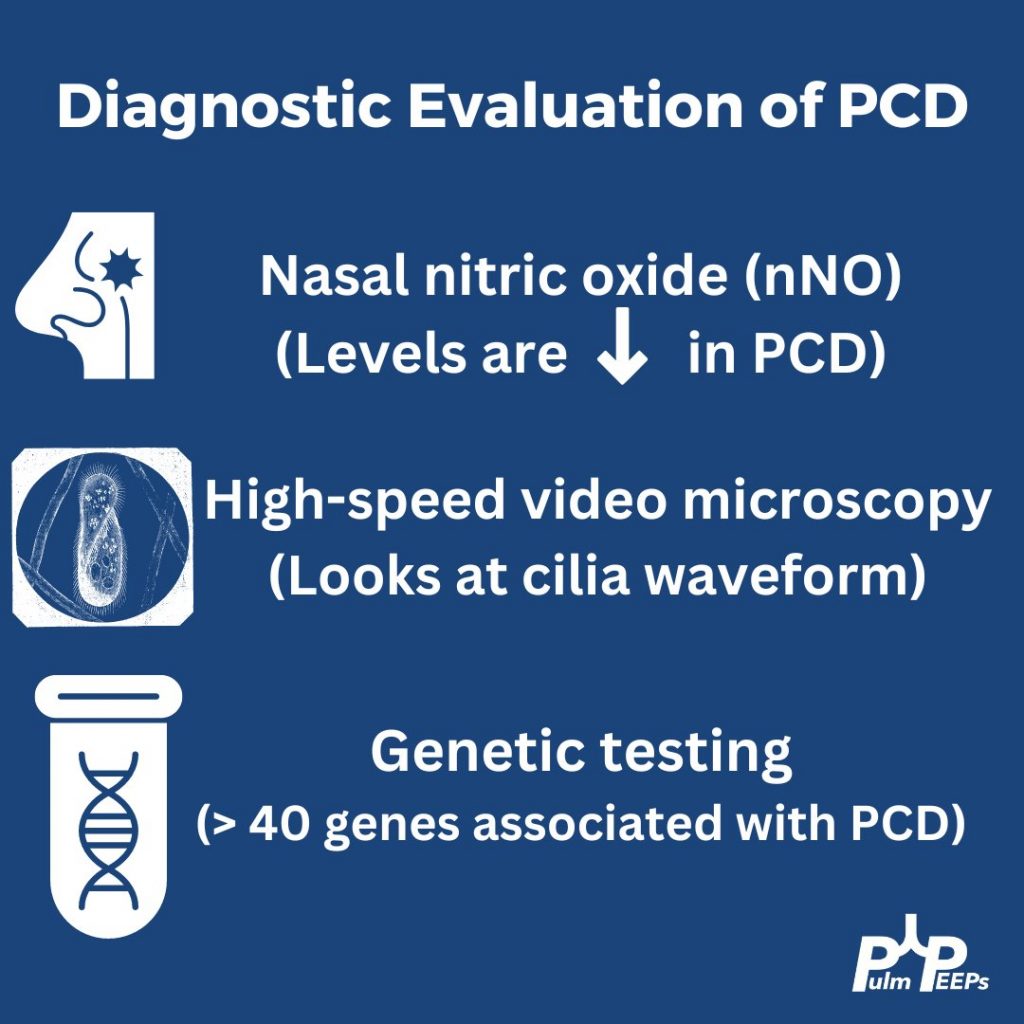
  • PCD: nasal NO, genetics, specialized ciliary studies (adult cases may be mild and missed by genetics alone).
  • Alpha-1 antitrypsin (never-smoker emphysema, liver hx)
  • CTD serologies (RA, Sjögren’s, etc.), if suggestive
  • Aspiration/upper-GI assessment when basal-predominant or reflux symptoms
  • For suspected/known CVID: vaccine response assessment if not on replacement (this patient was already on IVIG).

Practical diagnostic habits

  • Re-read the CT yourself—radiology may under-call mild bronchiectasis in ED/PE-protocol scans.
  • Use a diagnostic time-out when the course isn’t fitting: name your working dx, list fits/mismatches, consider common diseases with atypical presentations, multi-morbidity, and can’t-miss alternatives; ask for help early; communicate uncertainty.

Teach-to-remember pearls from the case

  • Recurrent, geographically scattered pneumonias → think systemic causes (immunodeficiency, CF/PCD), not just focal anatomic problems.
  • Upper-lobe bronchiectasis + CAVD is a CF red flag—even in the 60s. Adult-onset CF is real and actionable.
  • In CF today, MSSA can be more common than Pseudomonas on culture; don’t let absence of Pseudomonas dissuade you.
  • Airway clearance adherence can change CTs; instruct patients to ramp up before surveillance scans for a fair assessment.
  • If symptoms abate with targeted therapy to a conventional pathogen, you may avoid immediate NTM re-treatment—but keep a tight follow-up loop.


Radiology Rounds 50: Bronchiectasis and Cystic Fibrosis

1

We are excited to start the month off with a new #RadiologyRounds

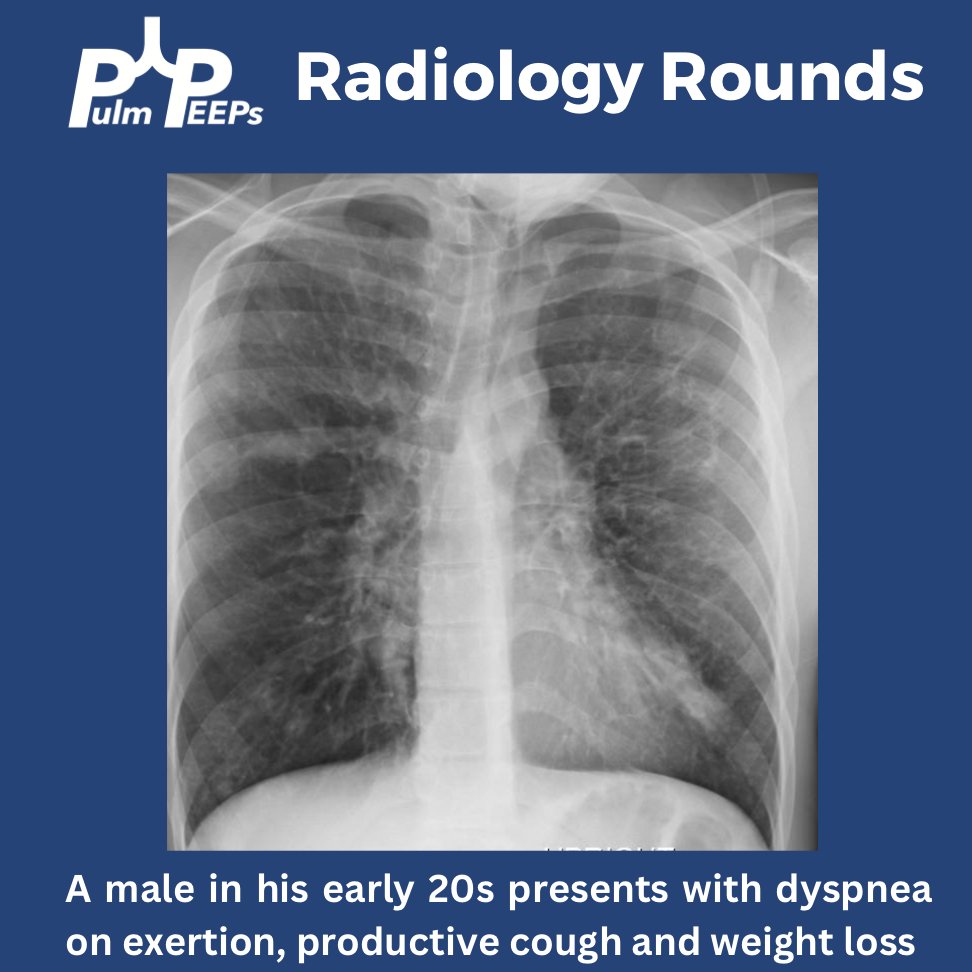
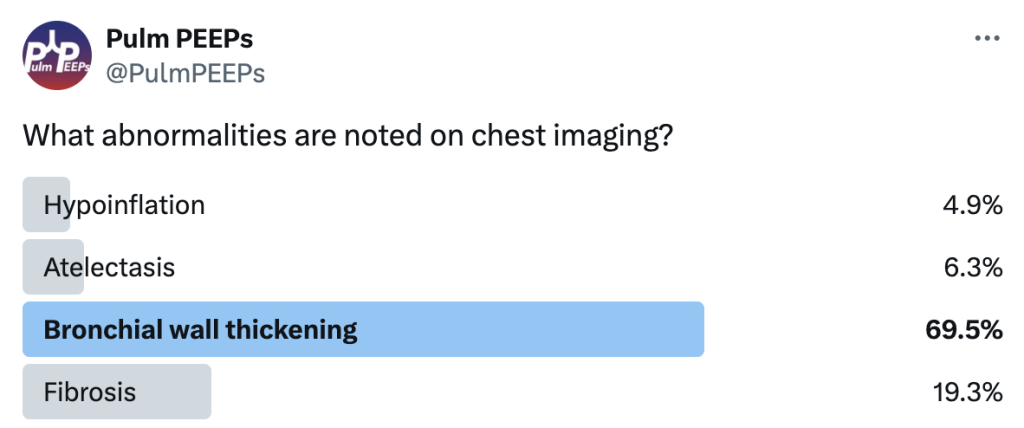
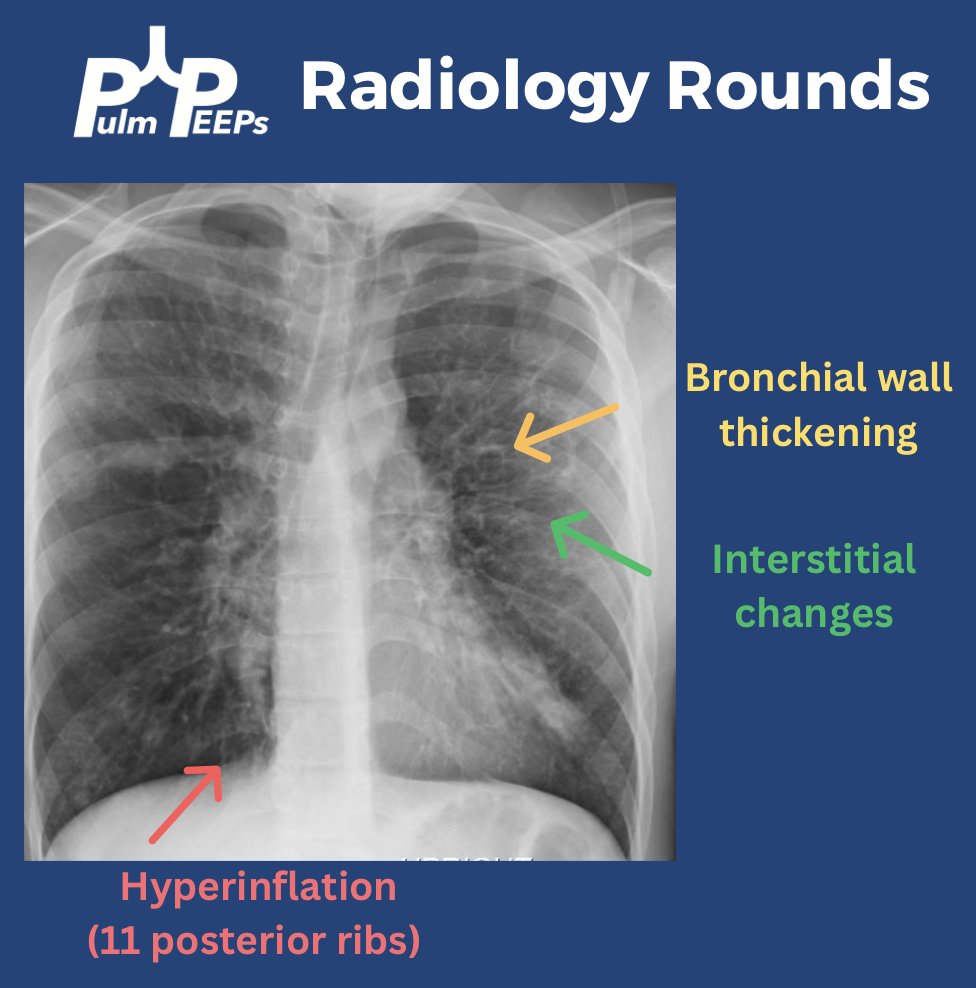
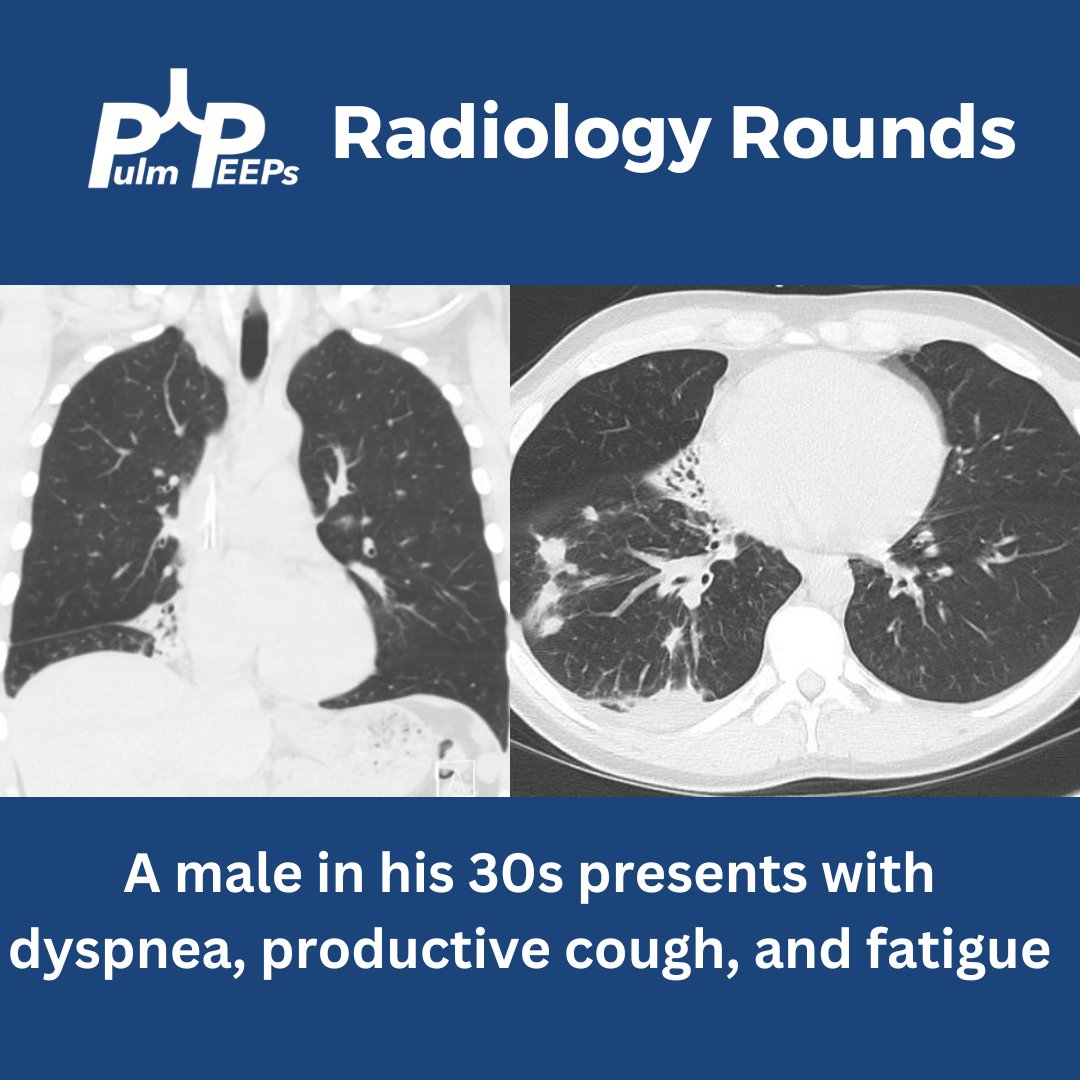
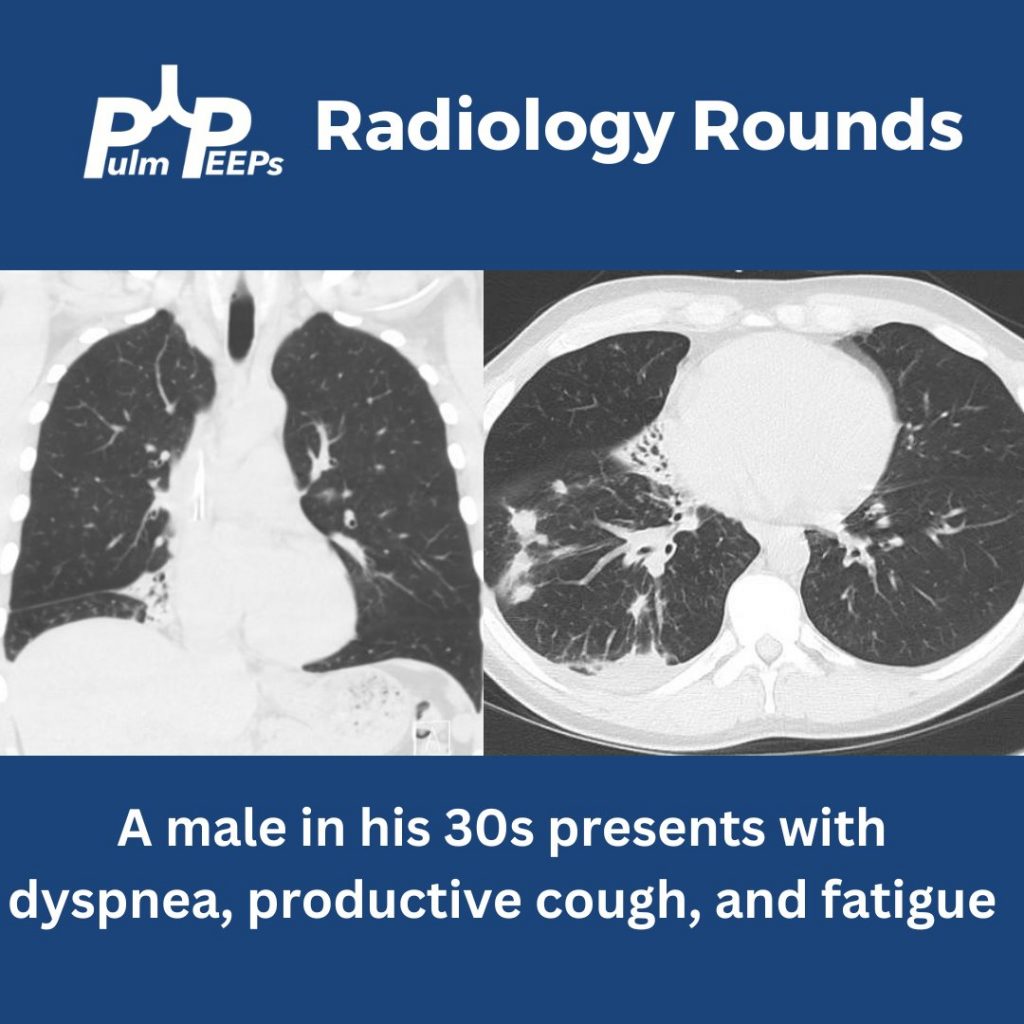
A young adult man in his 20s presents with dyspnea on exertion, productive cough, intermittent wheezing and general fatigue. A chest x-ray was obtained as part of his work-up.

You can identify hyperinflation, interstitial changes and bronchial wall thickening on this image with concern for associated bronchiectasis

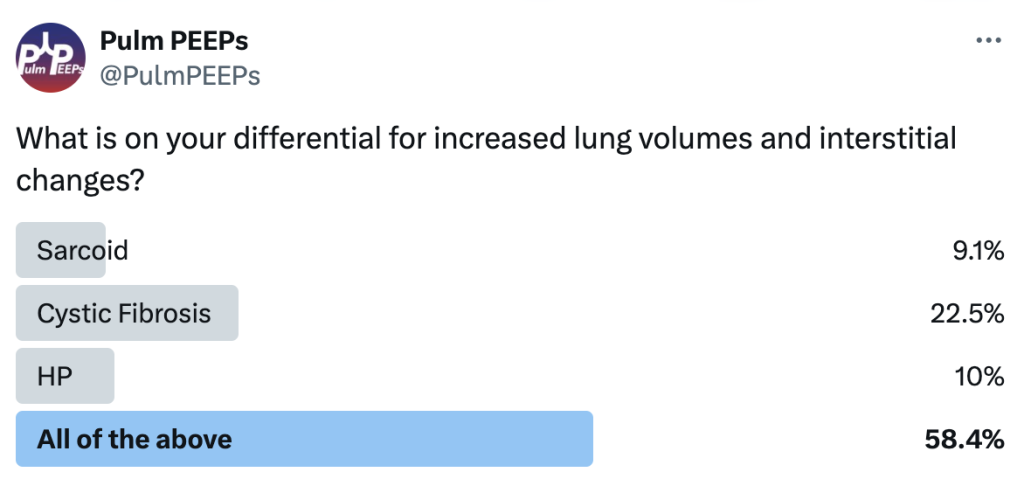
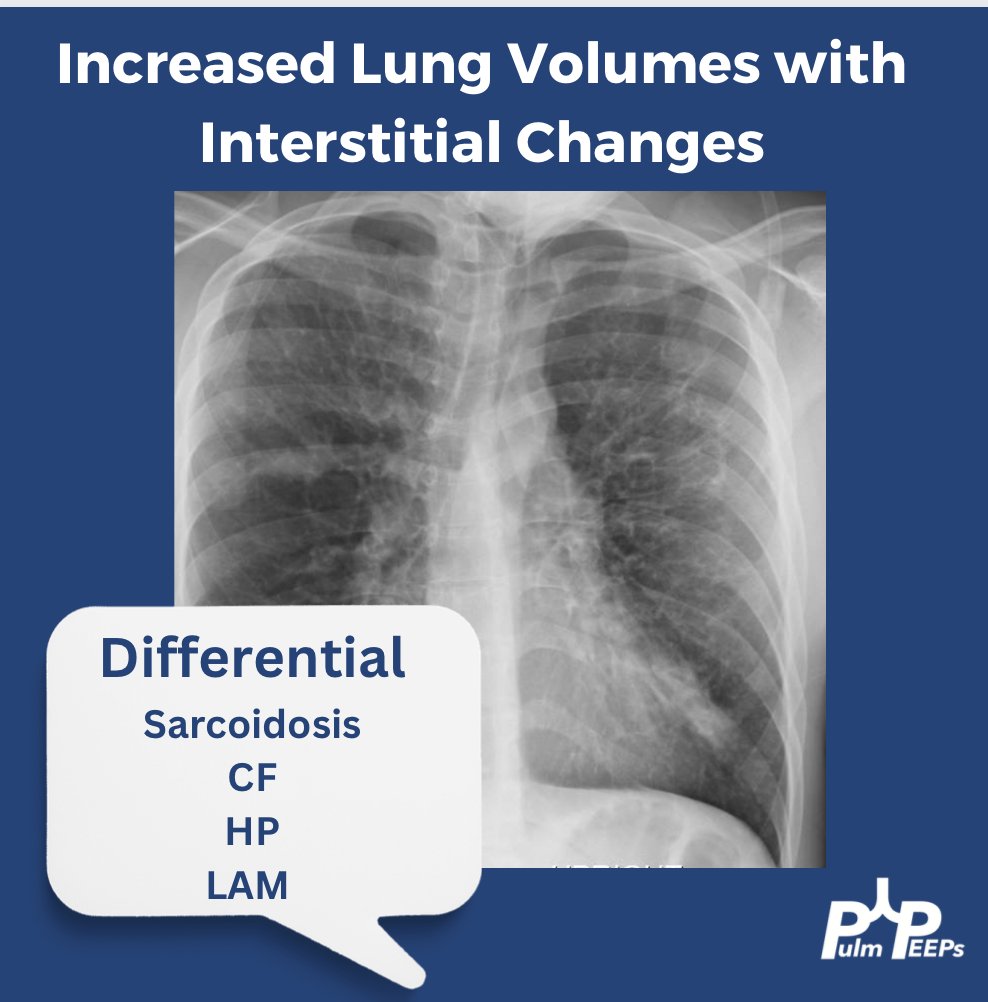
You should have Sarcoidosis, Cystic Fibrosis (CF), Hypersensitivity Pneumonitis (HP) and Lymphangioleiomyomatosis (LAM) on the differential

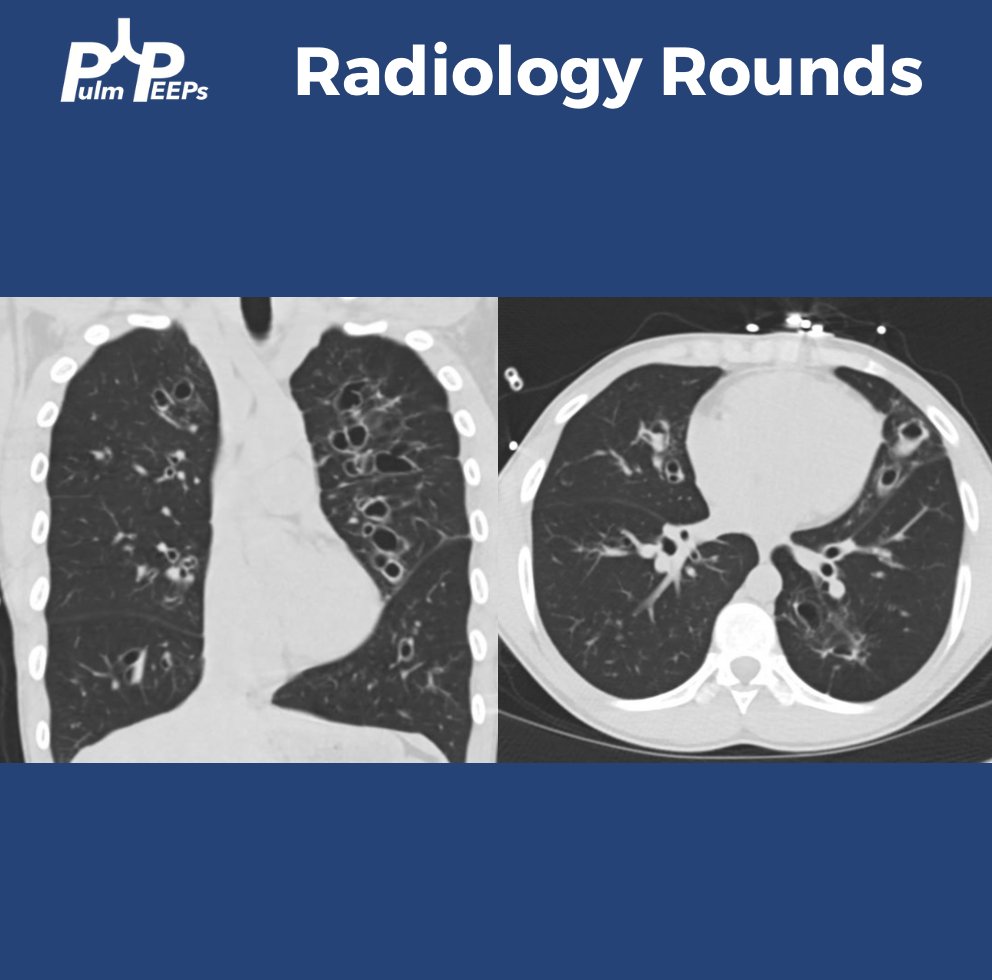
A CT chest is obtained given his abnormal chest x-ray and representative images are shown below

Given upper lobe bronchiectasis you are concerned for cystic fibrosis. A sweat chloride test is obtained and was elevated suggesting CF and further genetic testing was sent to confirm the diagnosis.

Radiology Rounds 42: Cavitary Lung Lesion

1

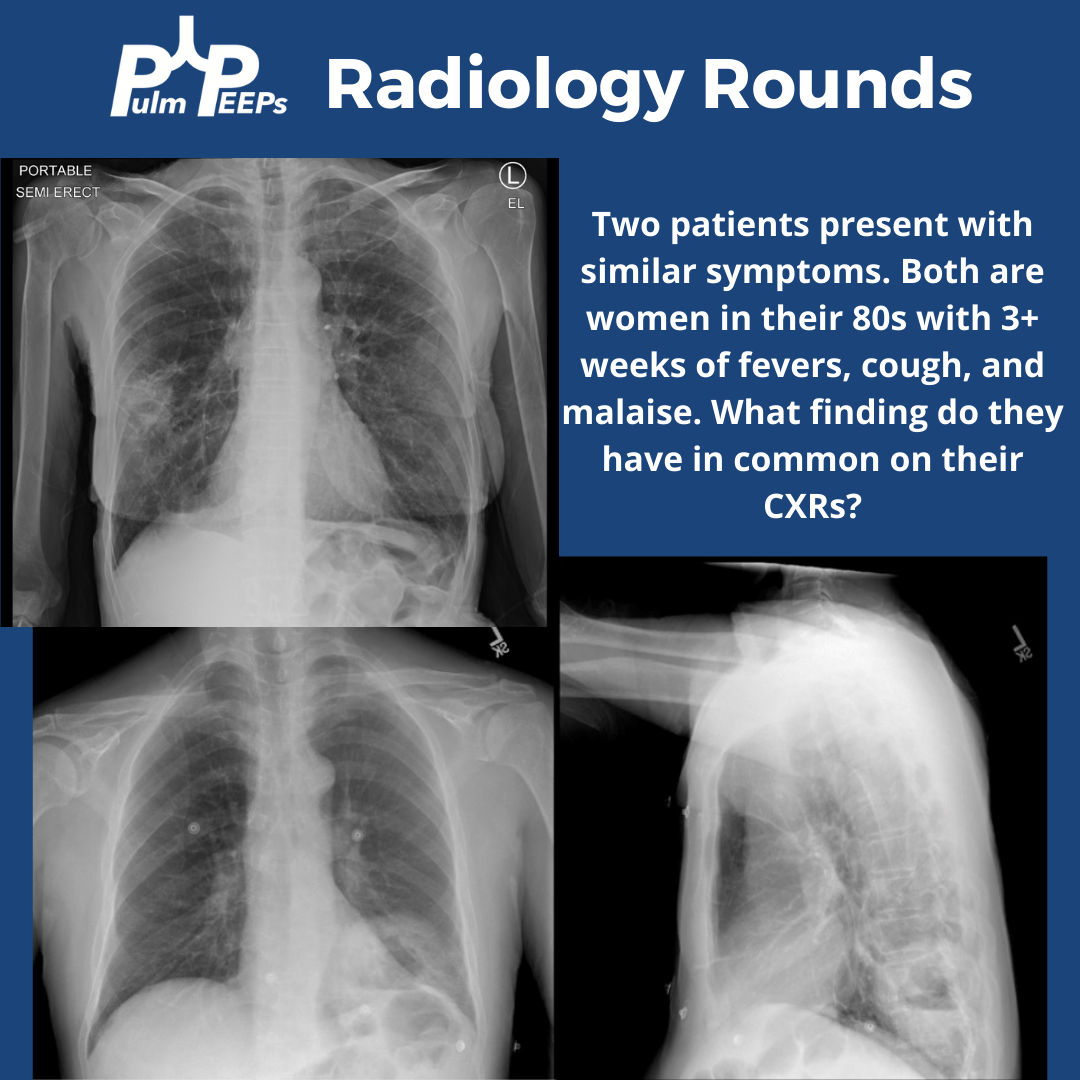
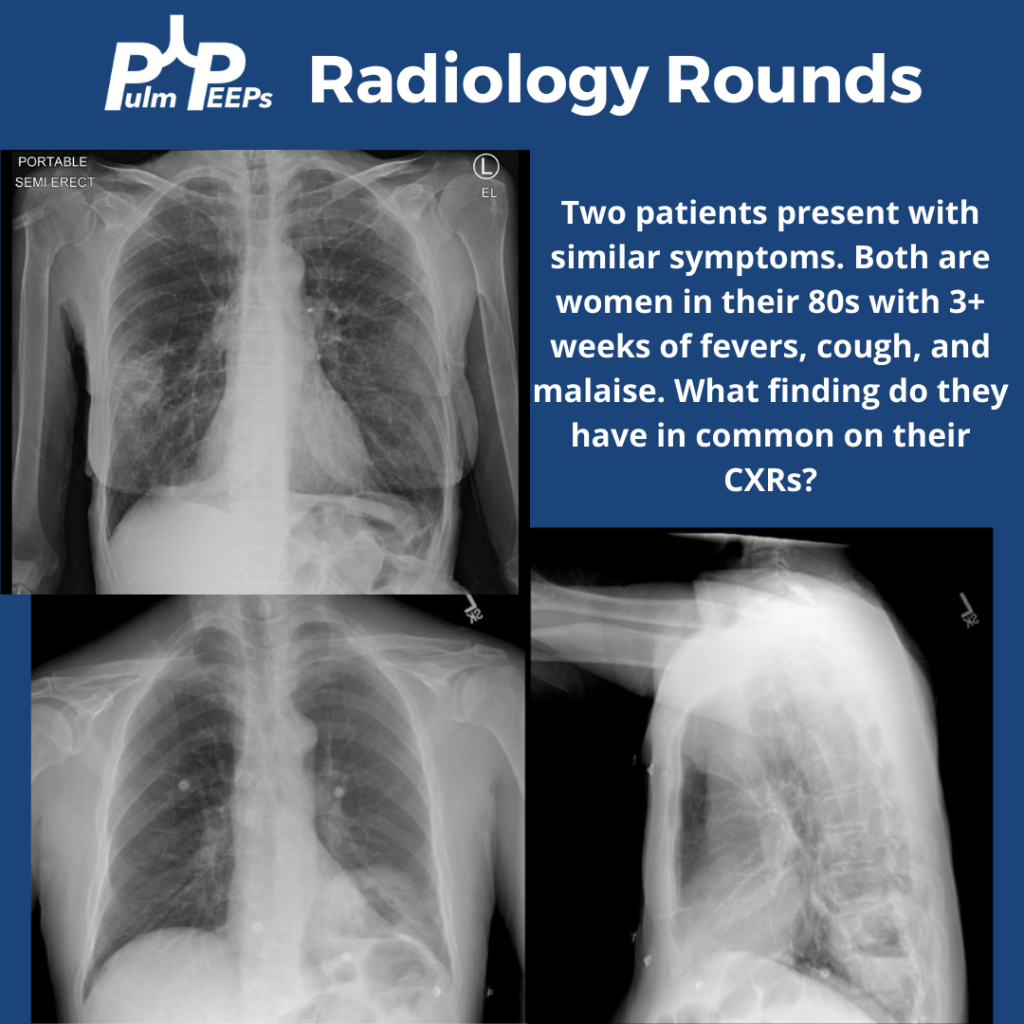
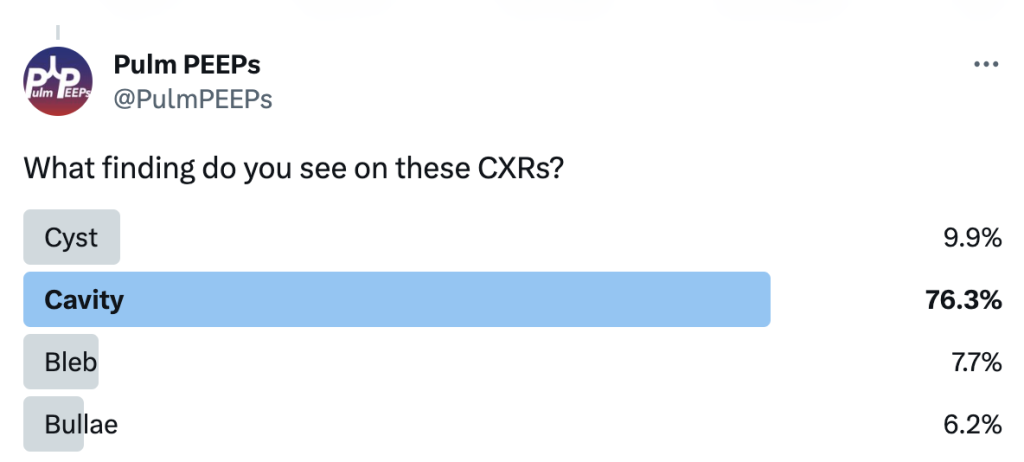
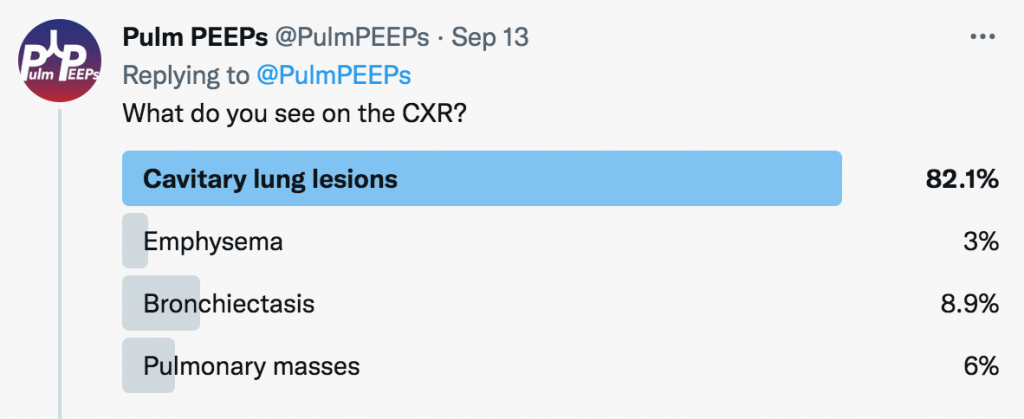
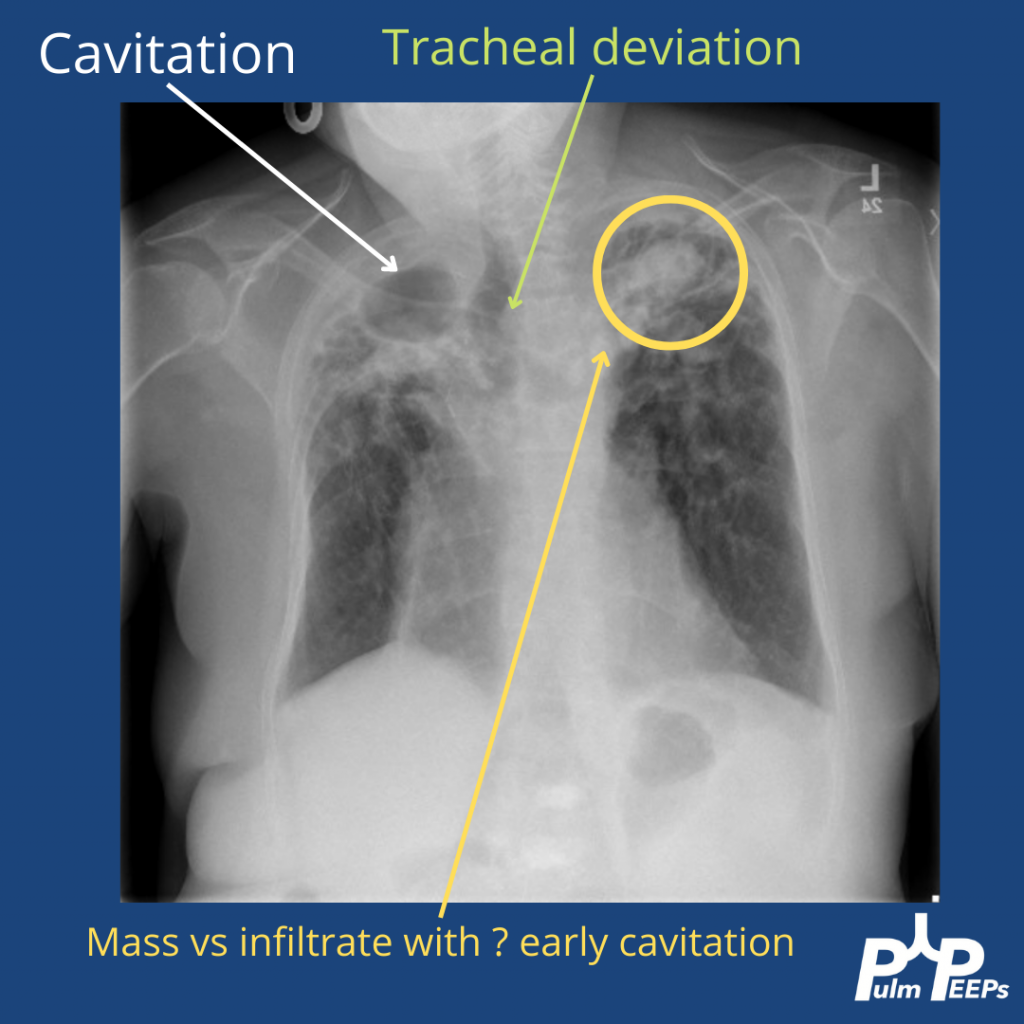
Tuesday is time for another #RadiologyRounds! Time for some CXR reading and a differential diagnosis mnemonic Two women presented to the hospital with similar presentations. They are both in their 80s with multiple weeks of cough, fever, and fatigue. Here are the CXRs

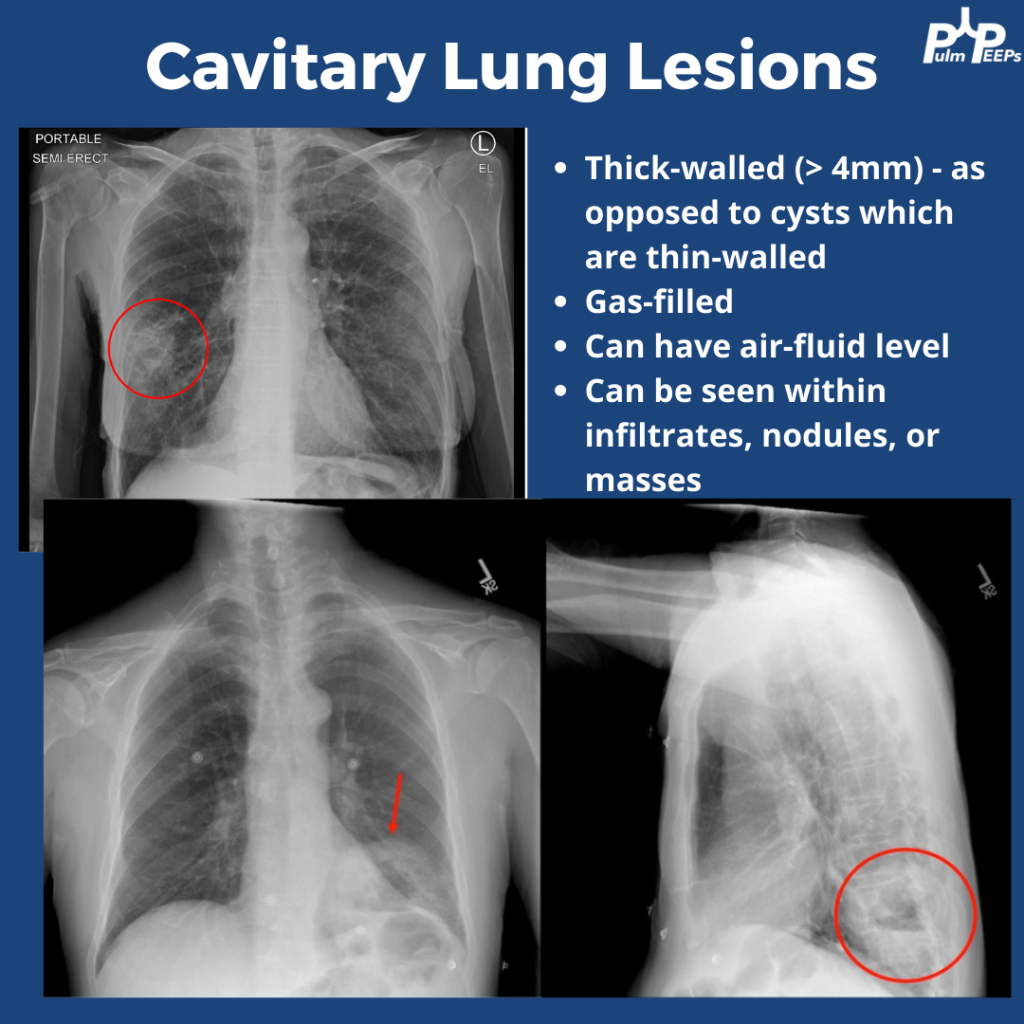
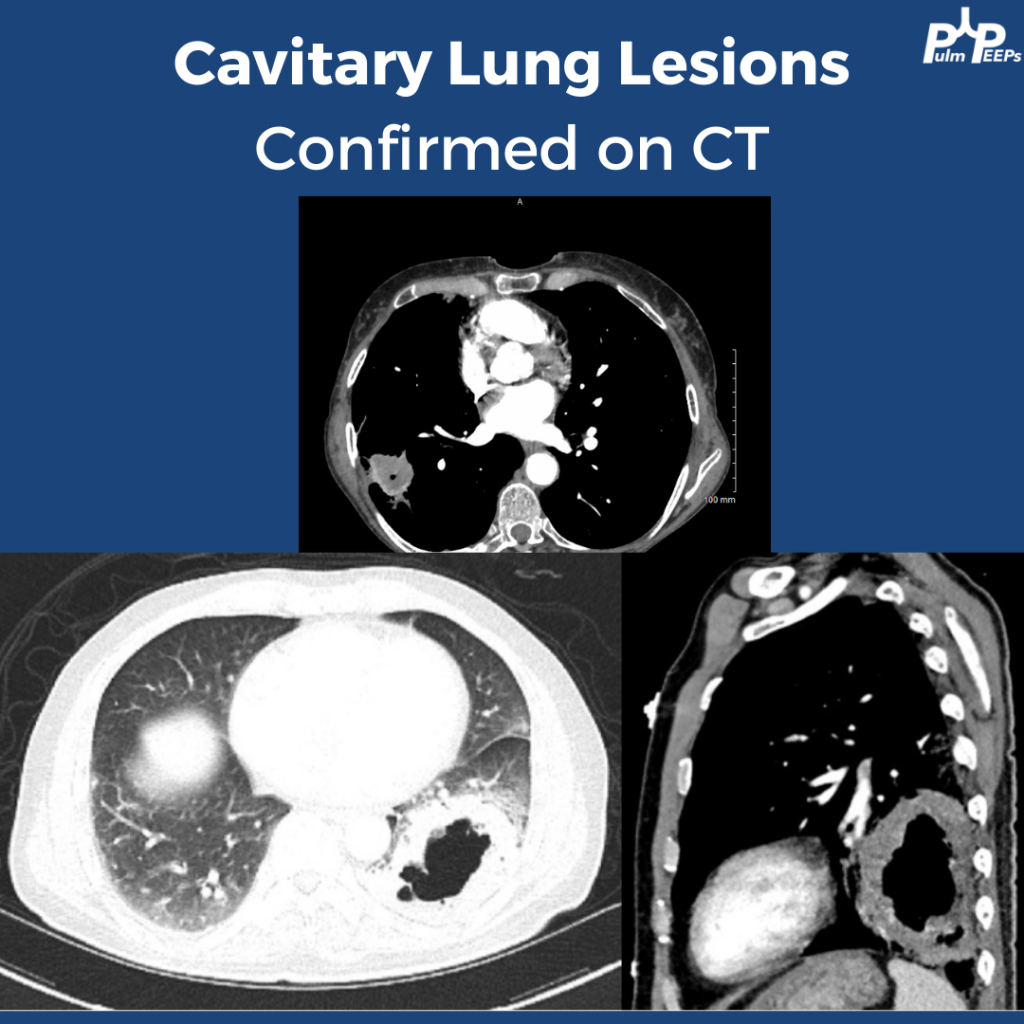
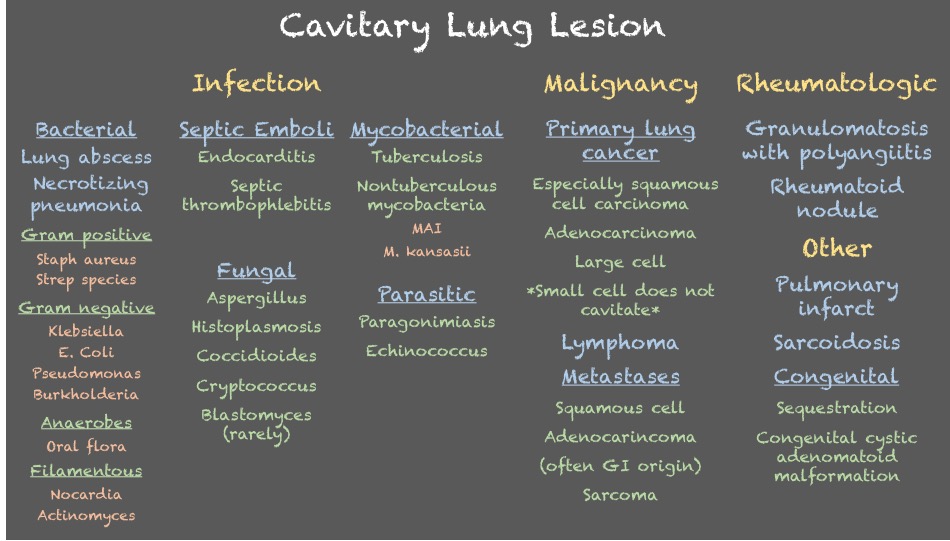
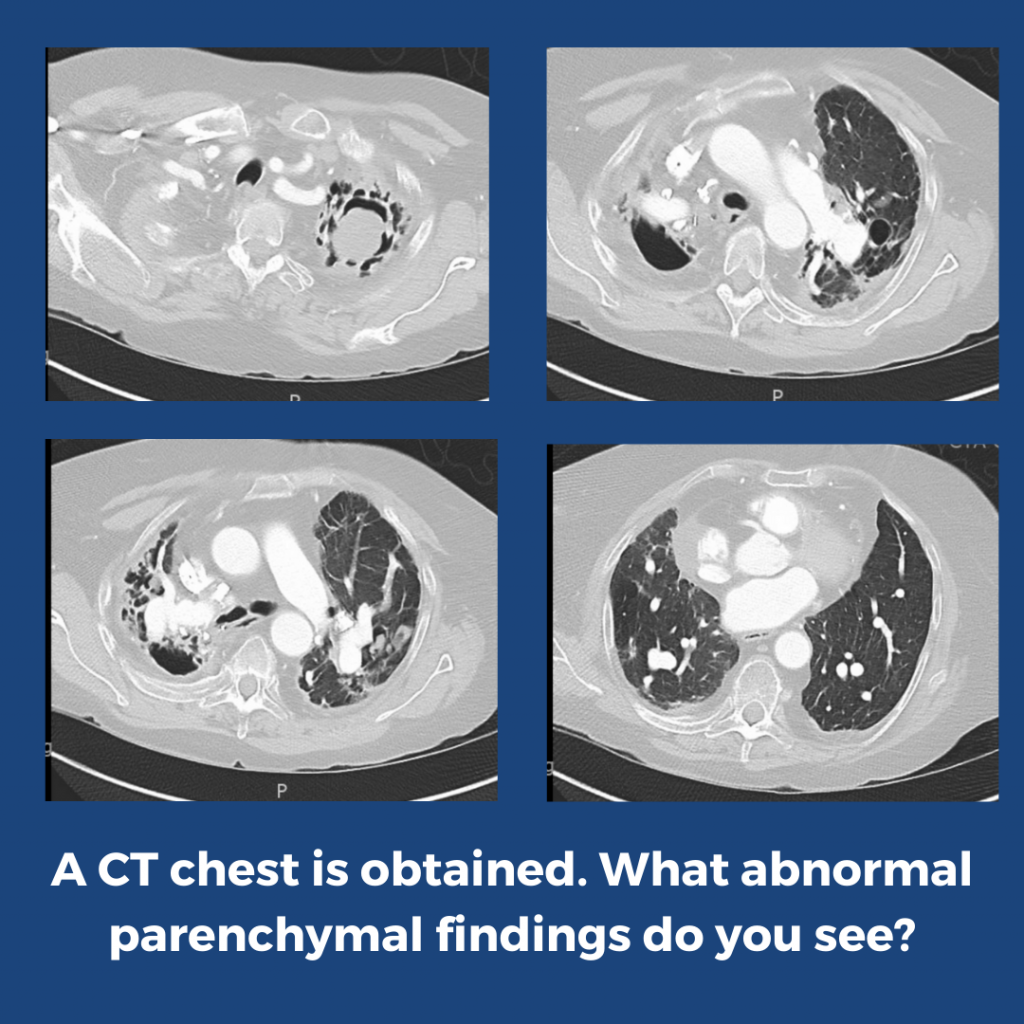
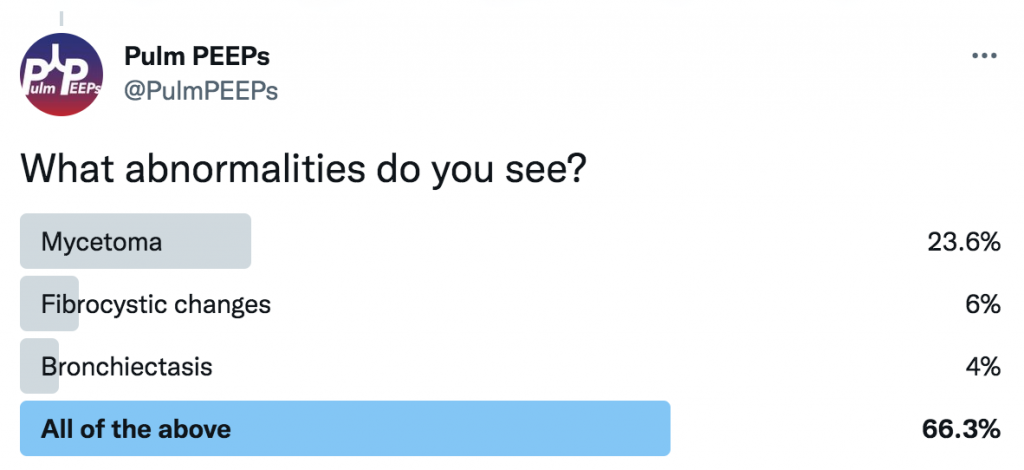
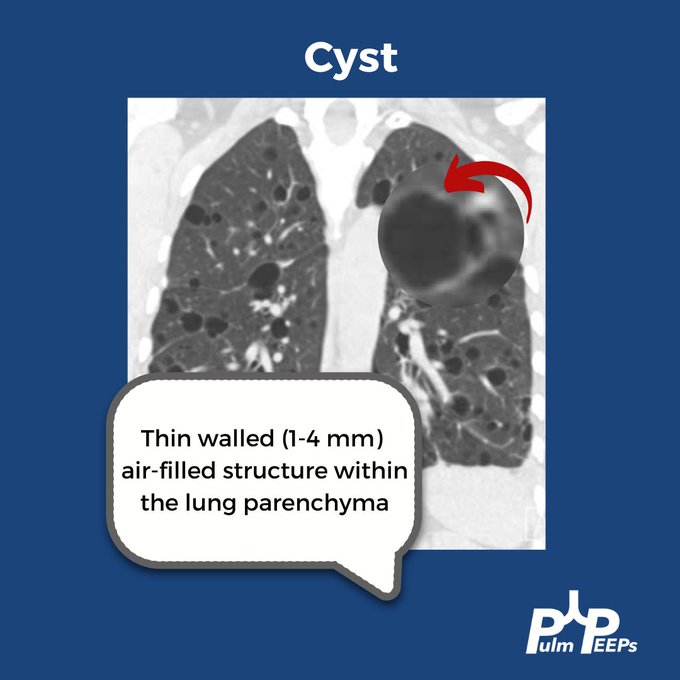
The CXRs both showed cavities. They are thick-walled (>4mm) and gas-filled. Cavitary lung lesions are seen within infiltrates, nodules, or masses. There can be an air-fluid level within the cavity. Cysts have thinner walls. The findings were confirmed on CT scan

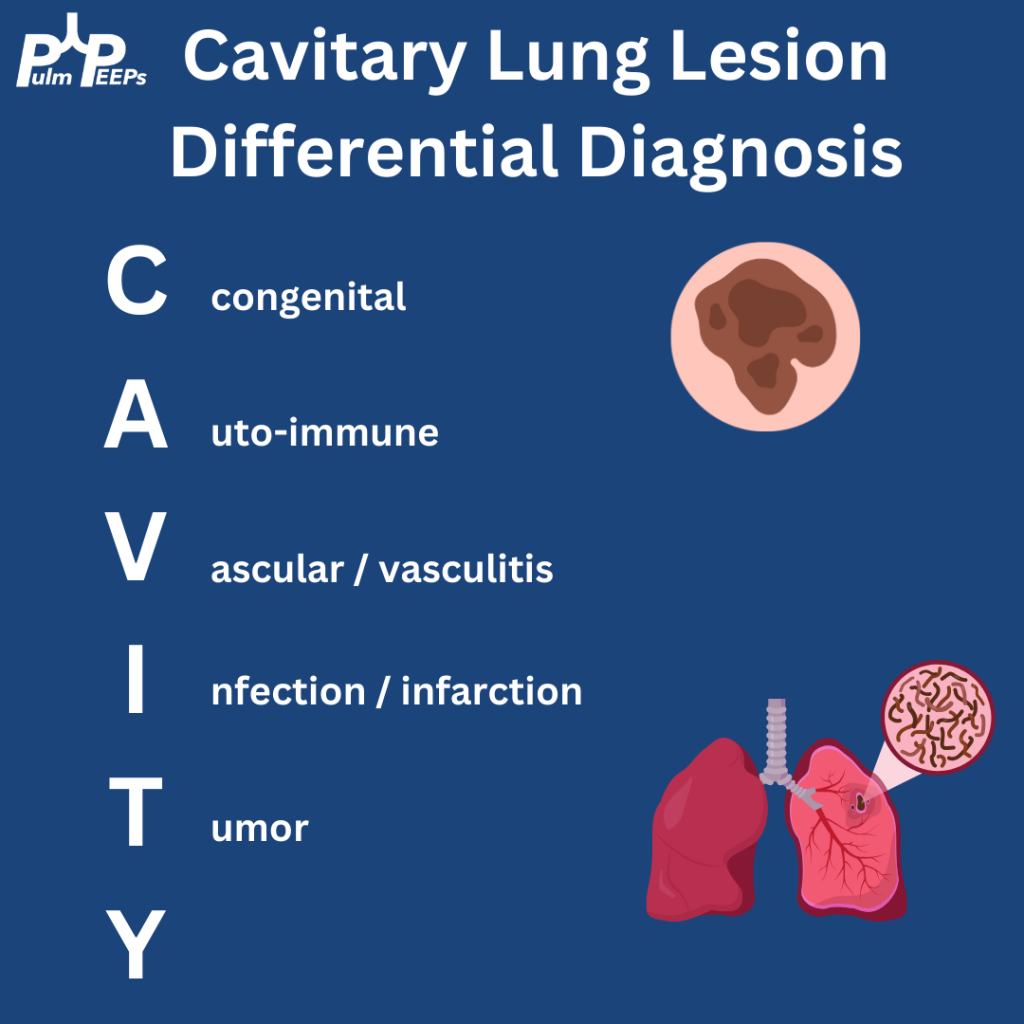
Cavitary lung lesions can have a broad differential so it is helpful to have a systematic approach. To make it easy, when you see this just remember: CAVITY

Bonus points to anyone who can fill in the Y

Both patients were ultimately diagnosed with pulmonary abscesses which improved with prolonged courses of antibiotics with anaerobic and gram-negative coverage.

Radiology Rounds 29: Primary Ciliary Dyskinesia

FmvxaoPWIAAouDX

We are back with our first #RadiologyRounds of 2023!

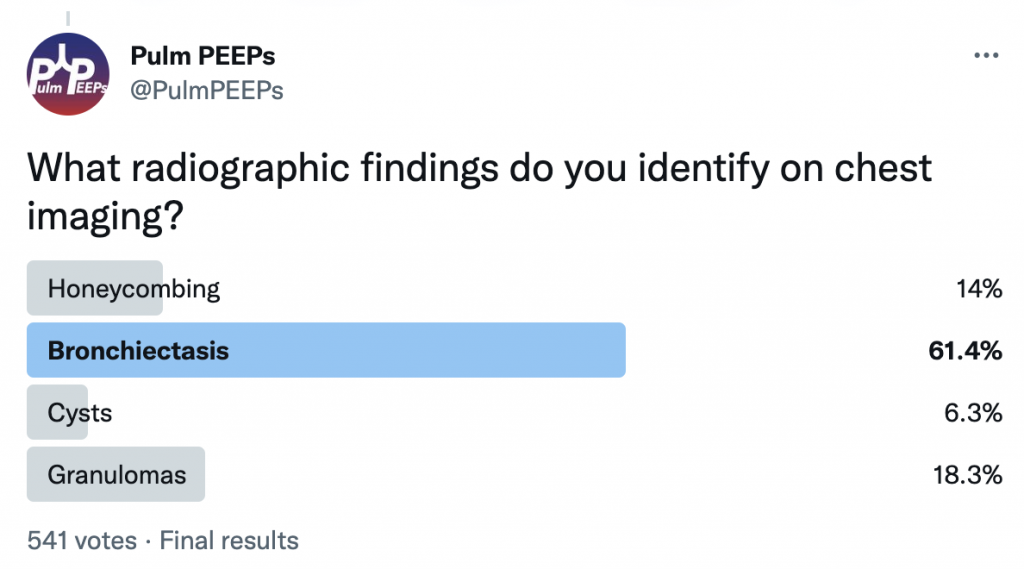
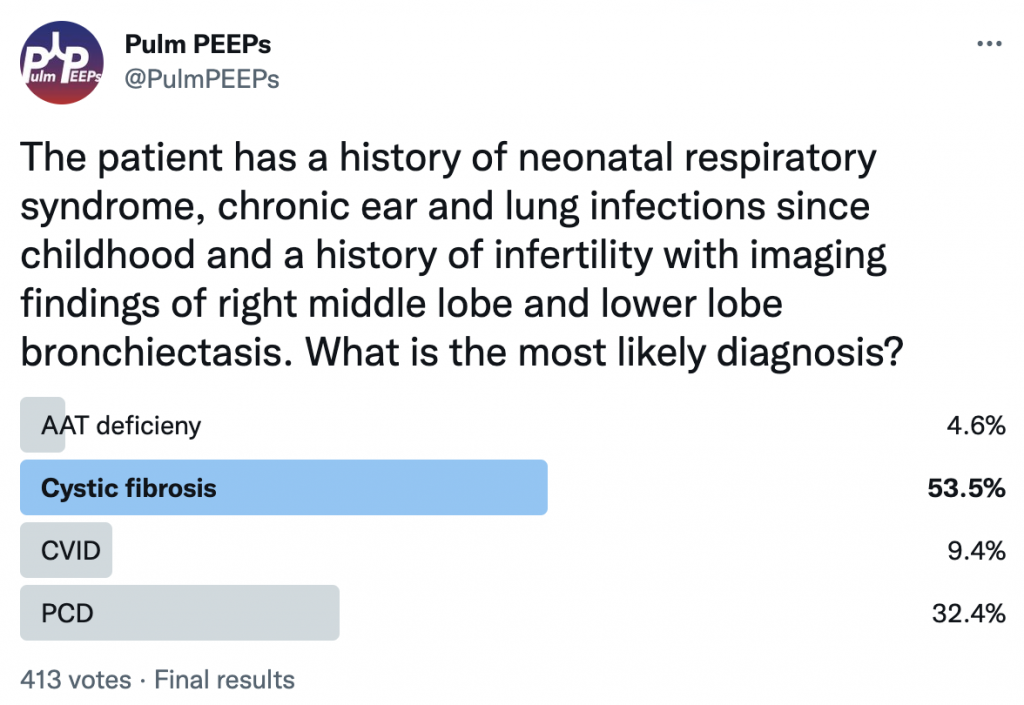
While chronic lung infections and infertility are overlapping symptoms for CF and Primary Ciliary Dyskinesia, the history of neonatal respiratory syndrome, ear infections and lower lobe bronchiectasis are most consistent with PCD

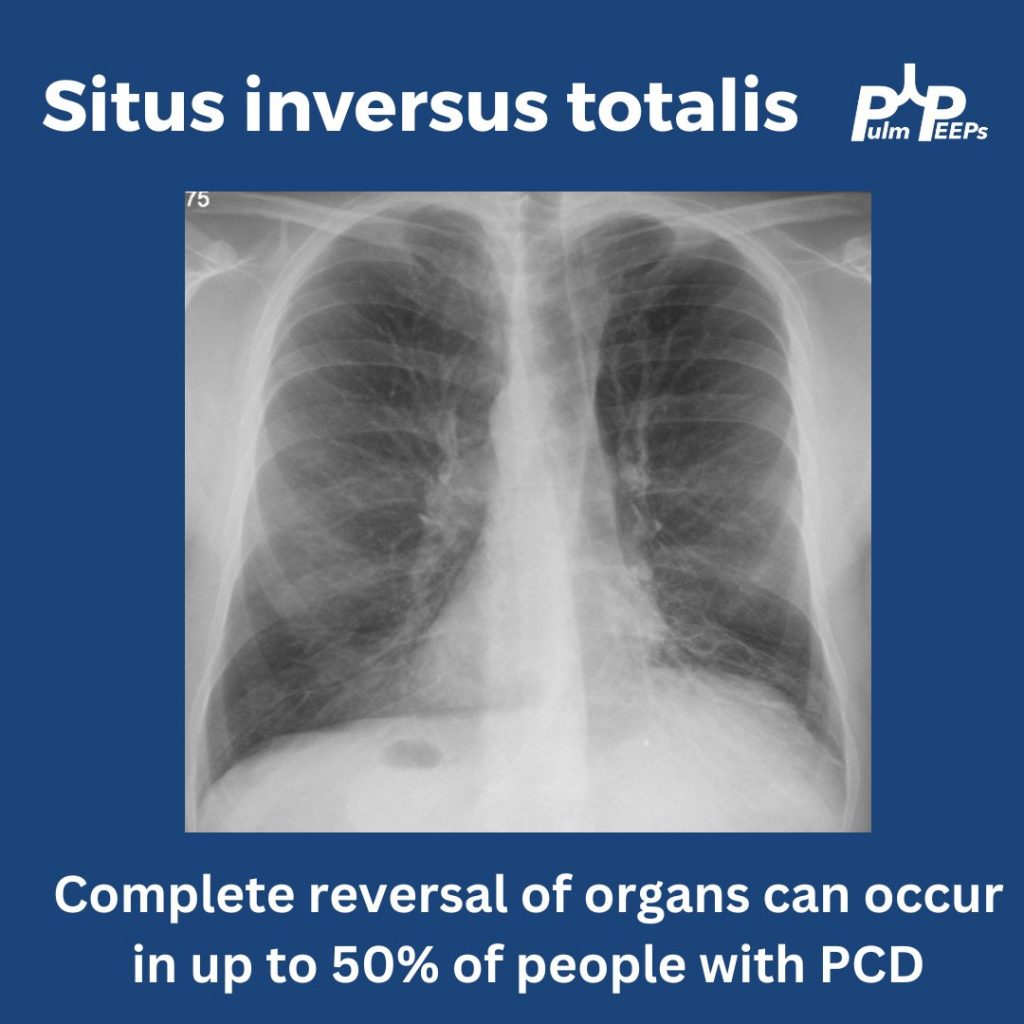
In up to 50% of people with PCD, you can get complete reversal of thoracic and abdominal organs. In this film you can see the heart in the right hemithorax, the gastric bubble on the right with the liver on the left resulting in elevation of the left hemidiaphragm

In patients with clinical symptoms and two decreased levels of nasal nitric oxide these findings suggest a PCD diagnosis but evaluation of the cilia structure and function as well as genetic testing are other diagnostic evaluations to confirm a diagnosis of PCD

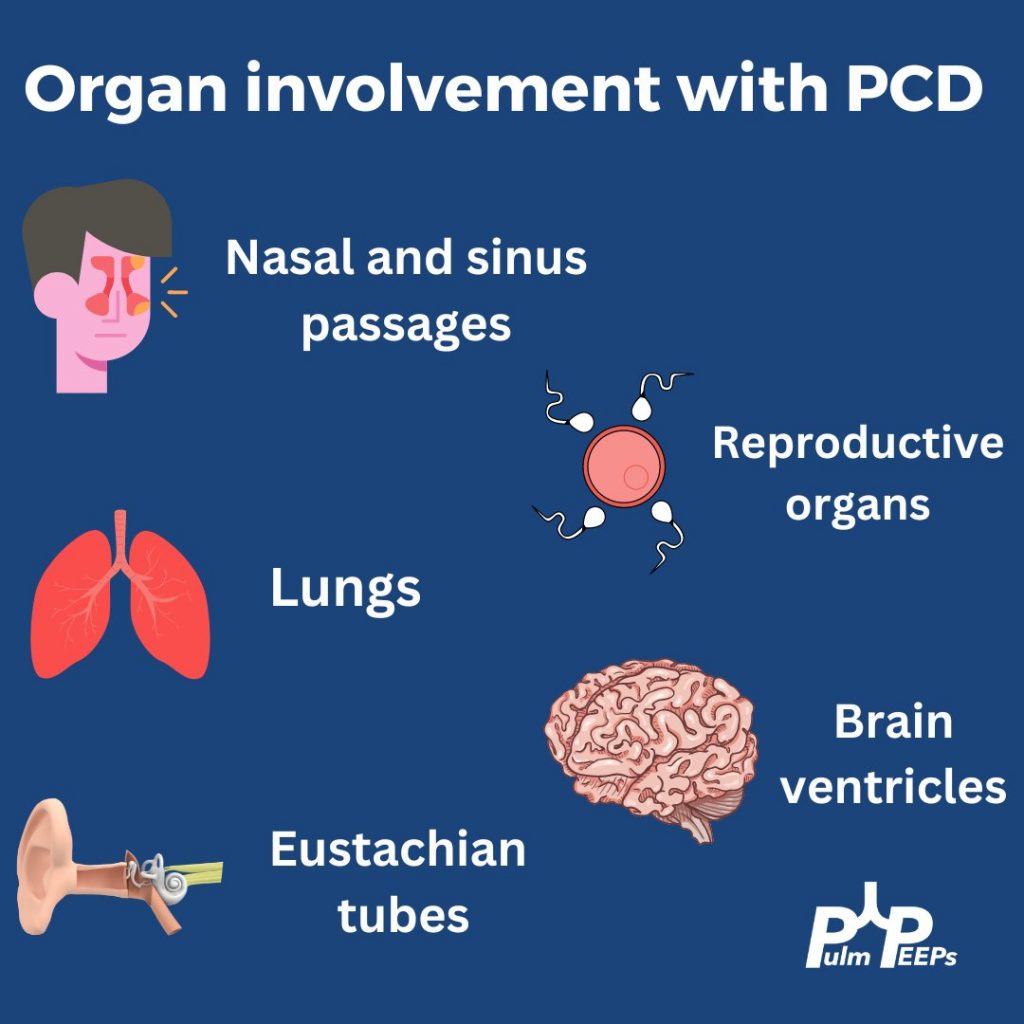
Primary ciliary dyskinesia is a autosomal recessive disorder that results in motile ciliary dysfunction and clinical manifestations can vary depending on which organs are involved

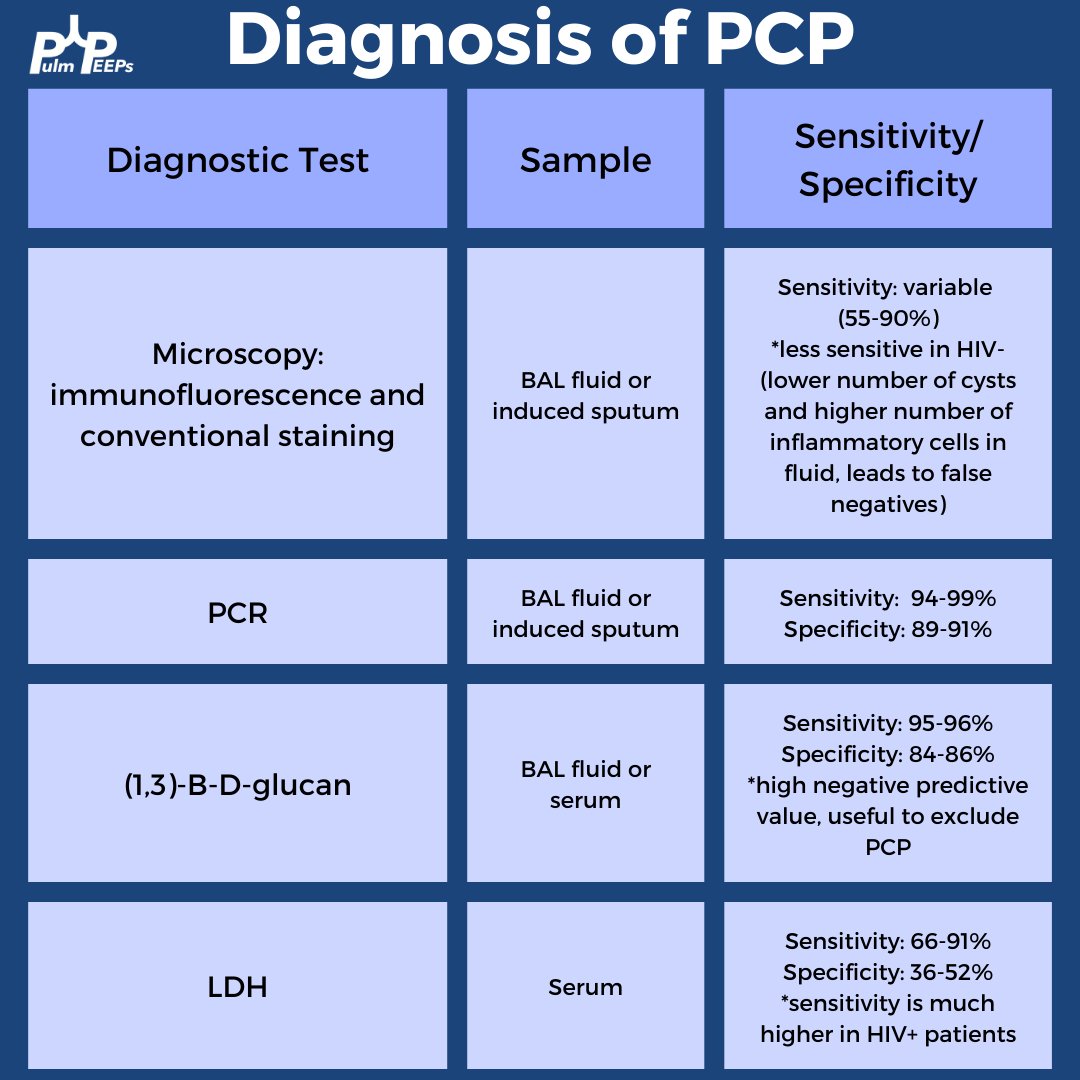
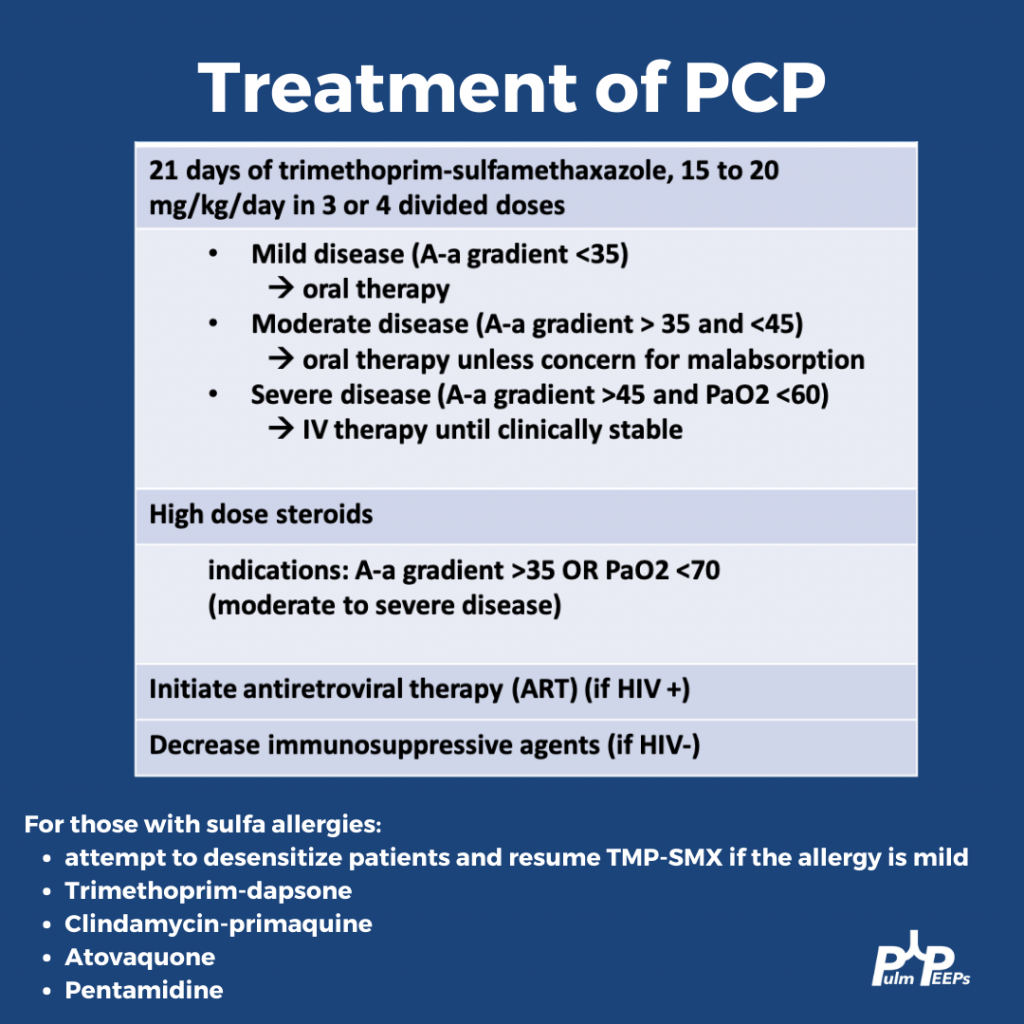
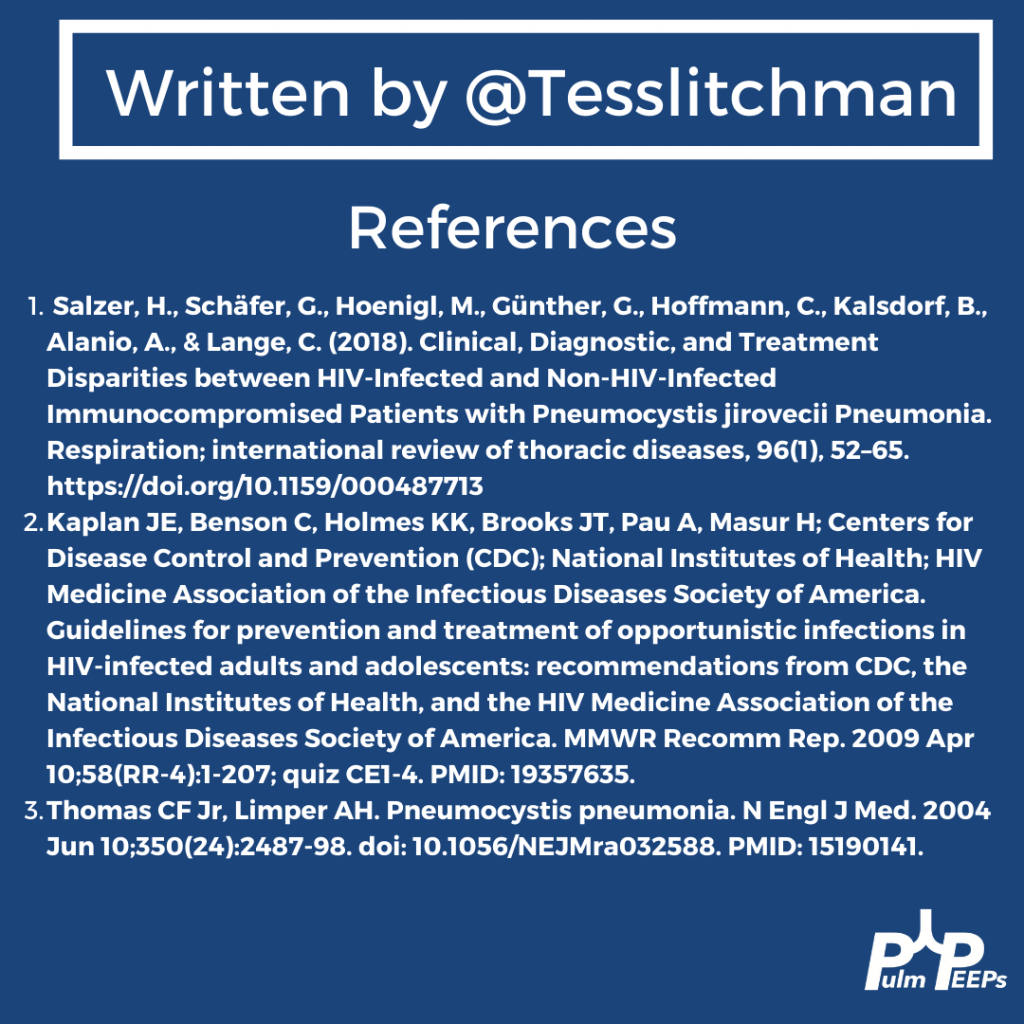
Radiology Rounds 20: Pneumocystis Pneumonia (PCP)

1

Time for another #RadiologyRounds! This case is authored by PulmPEEPs associate editor @TessLitchman. Great teaching ahead!

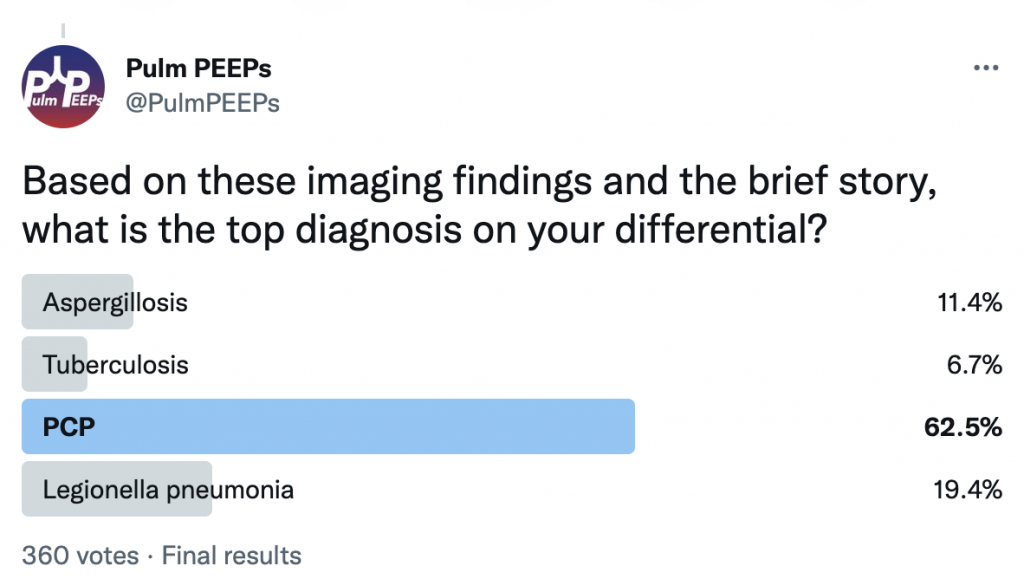
Trick question (sorry)! All of these features are present.

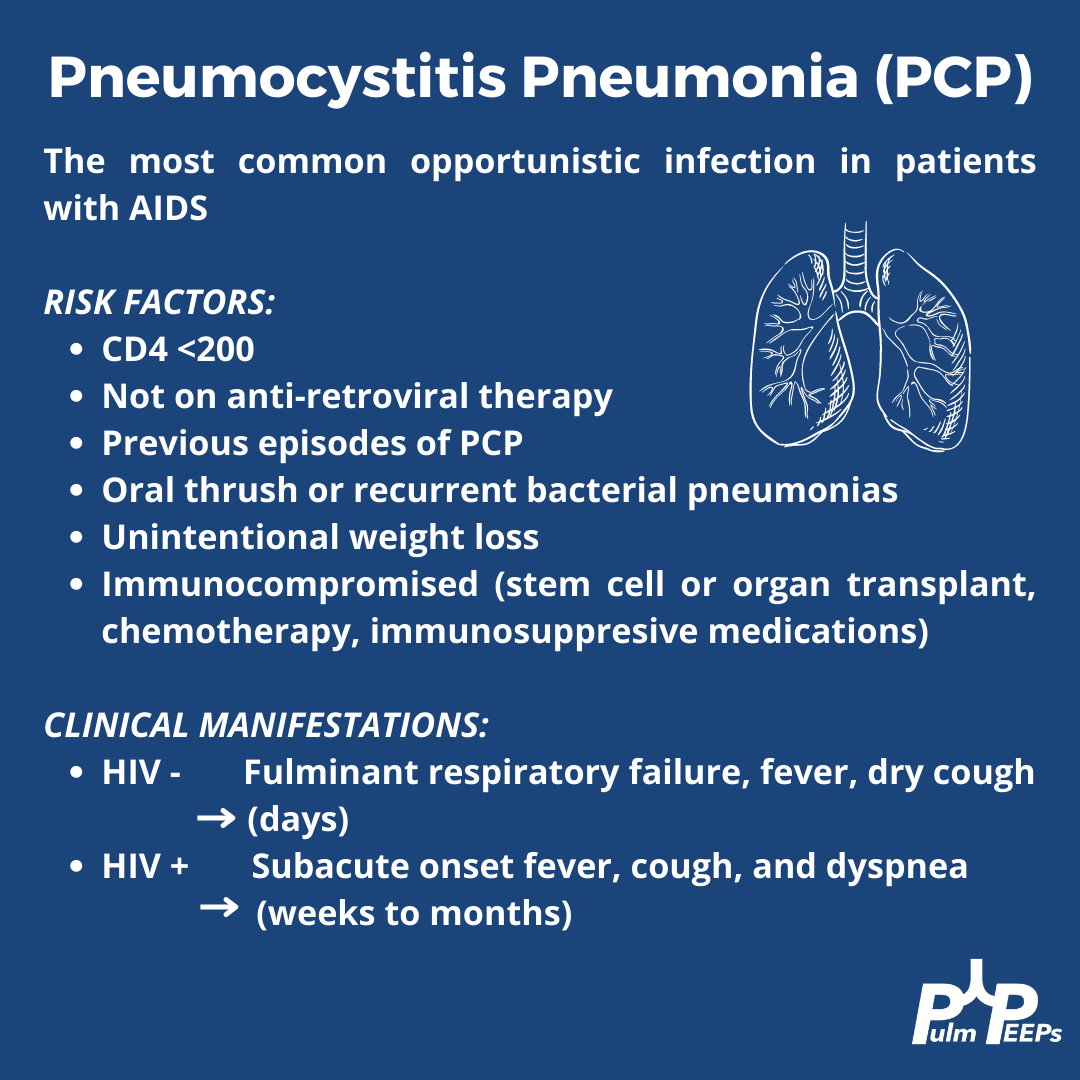
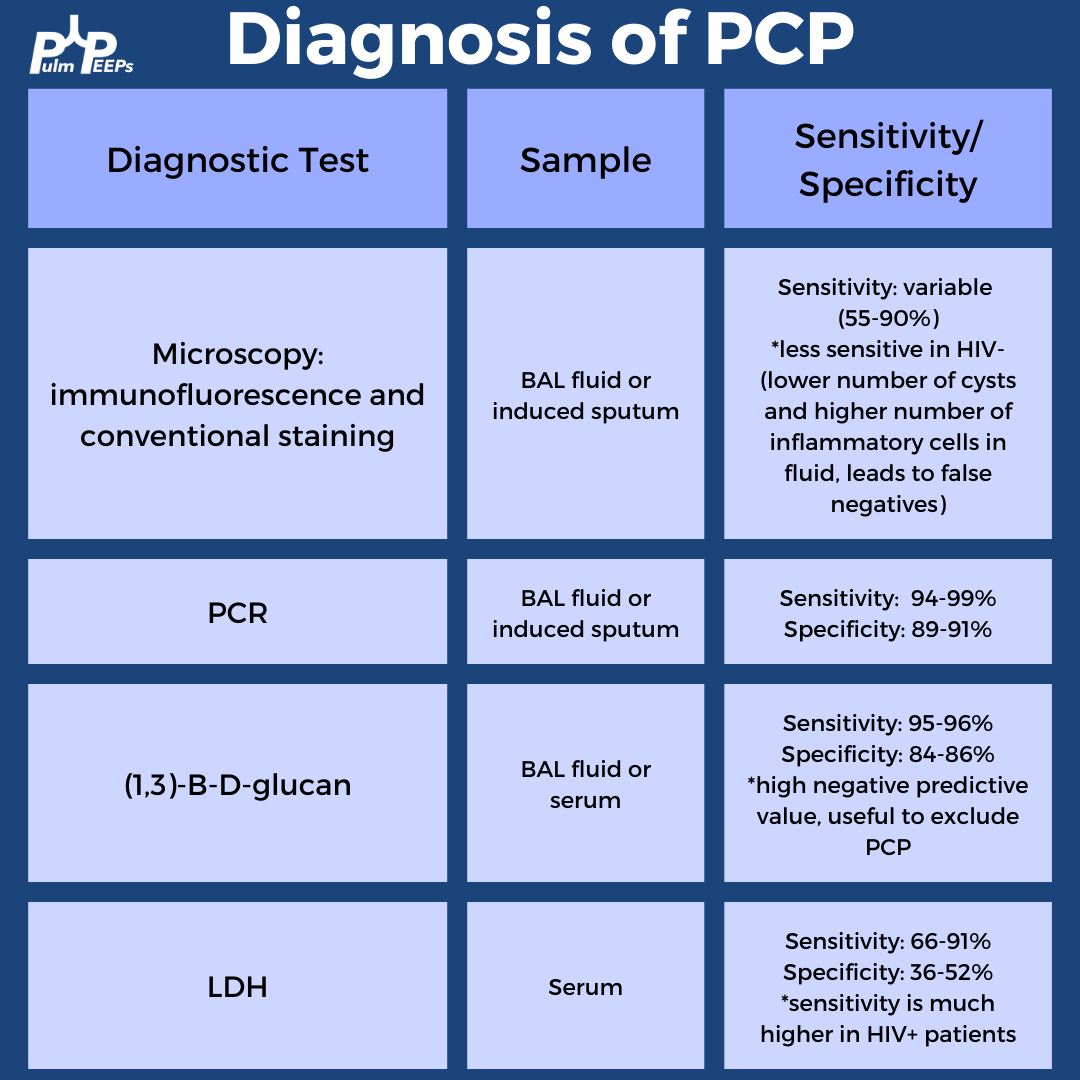
A bronchoscopy was performed and the patient was diagnosed with PCP. Additional testing confirmed a new diagnosis of HIV.

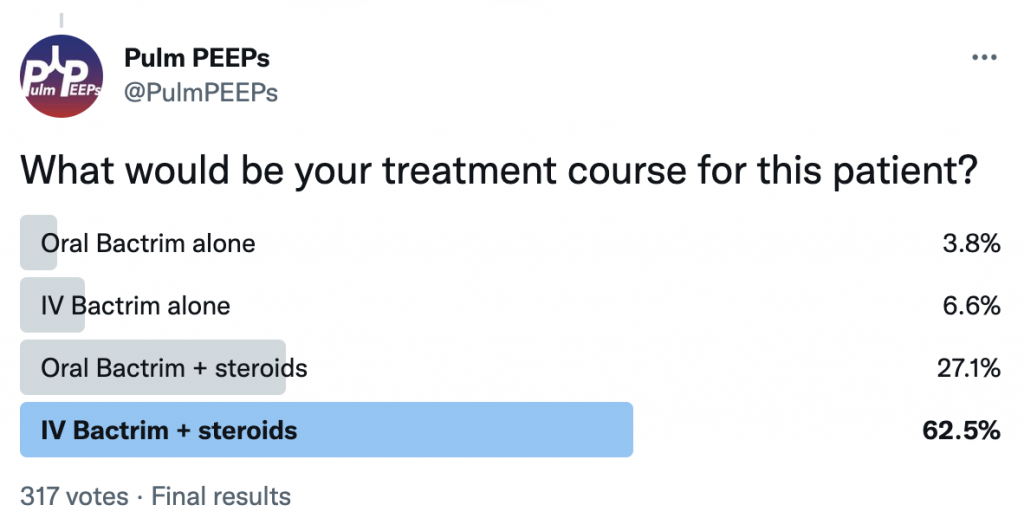
This patient was treated with high-dose Bactrim and IV steroids, in addition to being started on ART.

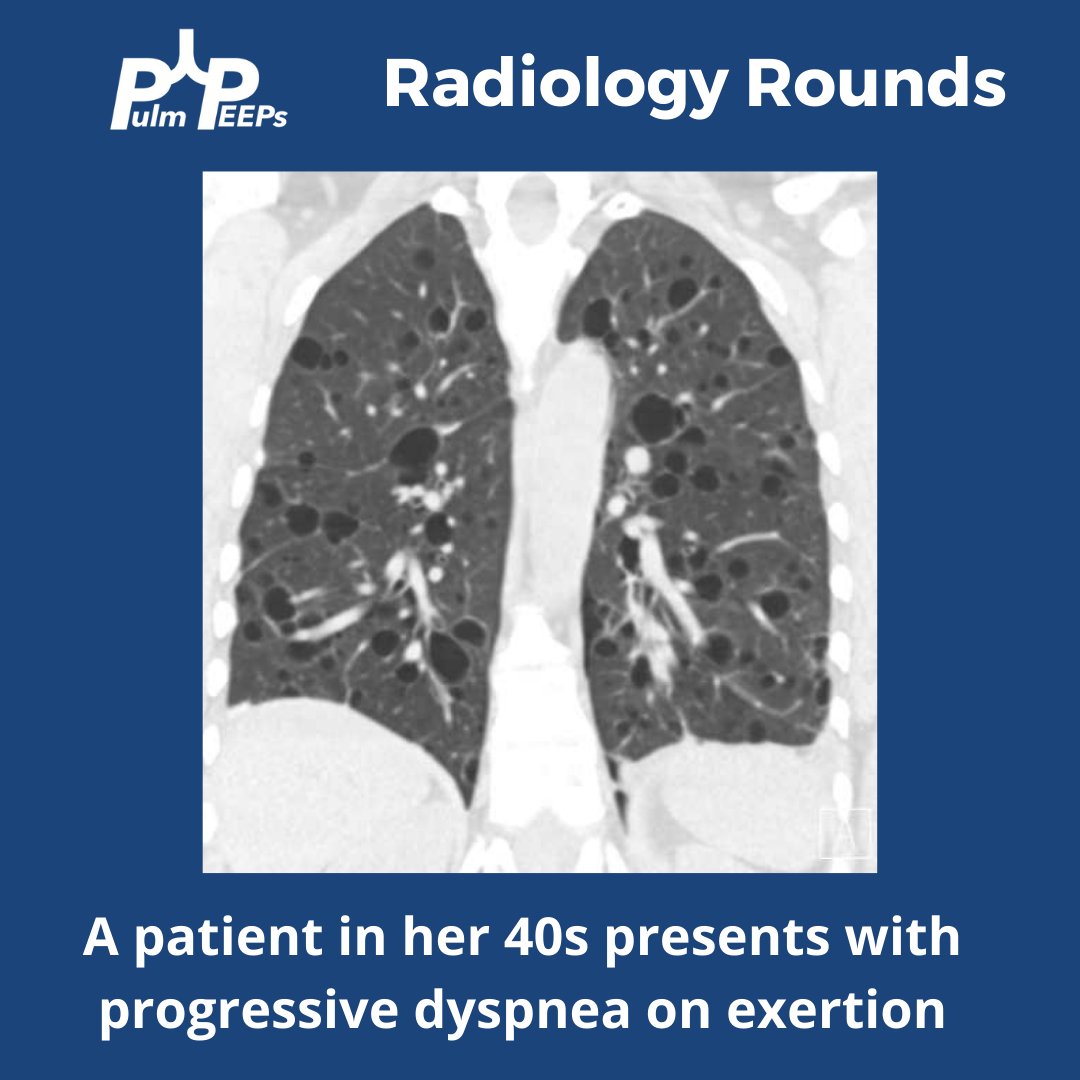
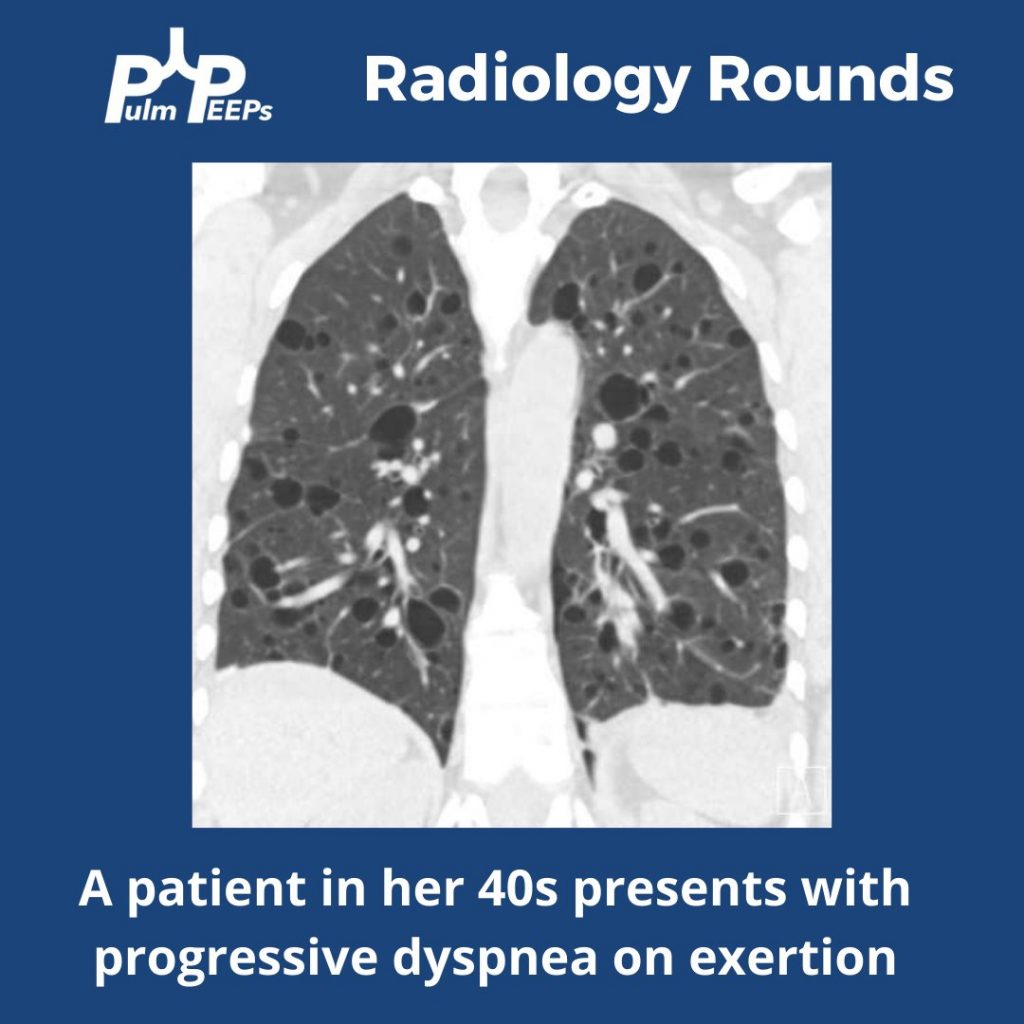
Radiology Rounds 17: Lymphangioleiomyomatosis

1

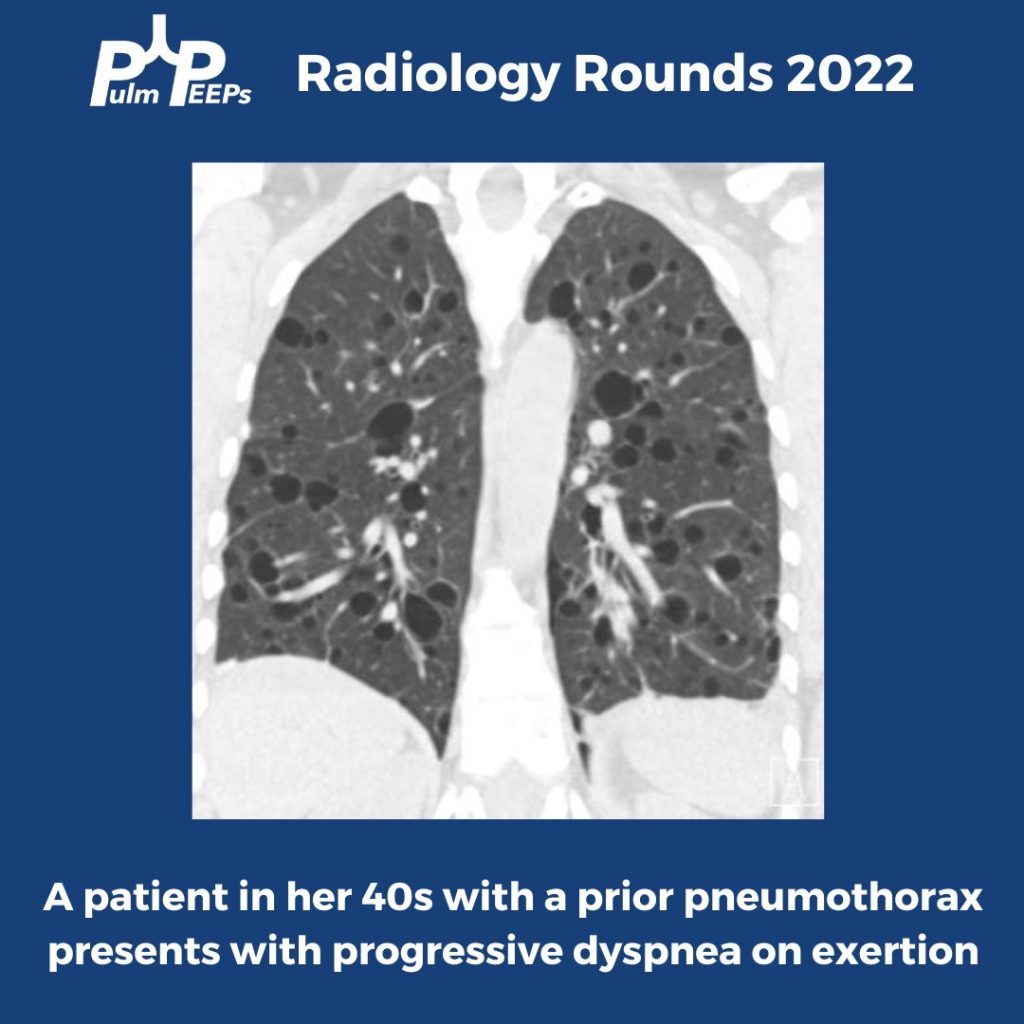
Time for another #RadiologyRounds!! This week we’re looking at the coronal CT scan views, which can be extremely helpful and are often under-utilized. Follow us on Twitter to work through Radiology Rounds cases as they come out.

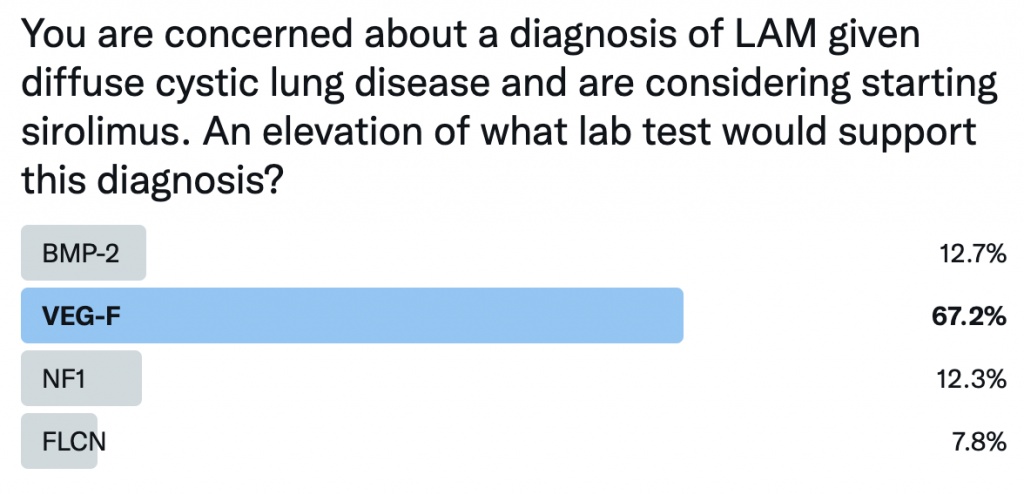
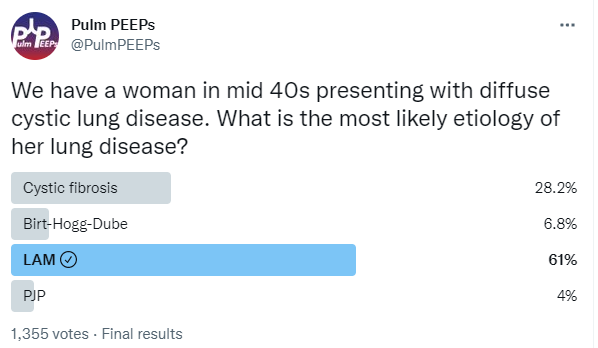
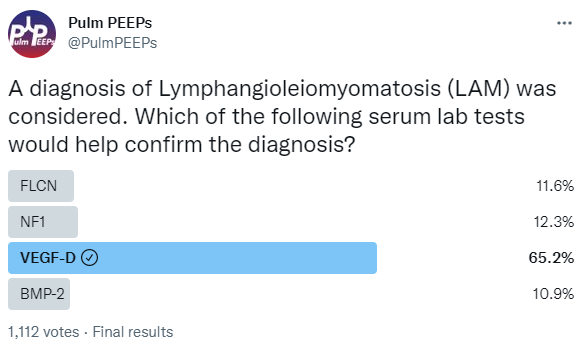
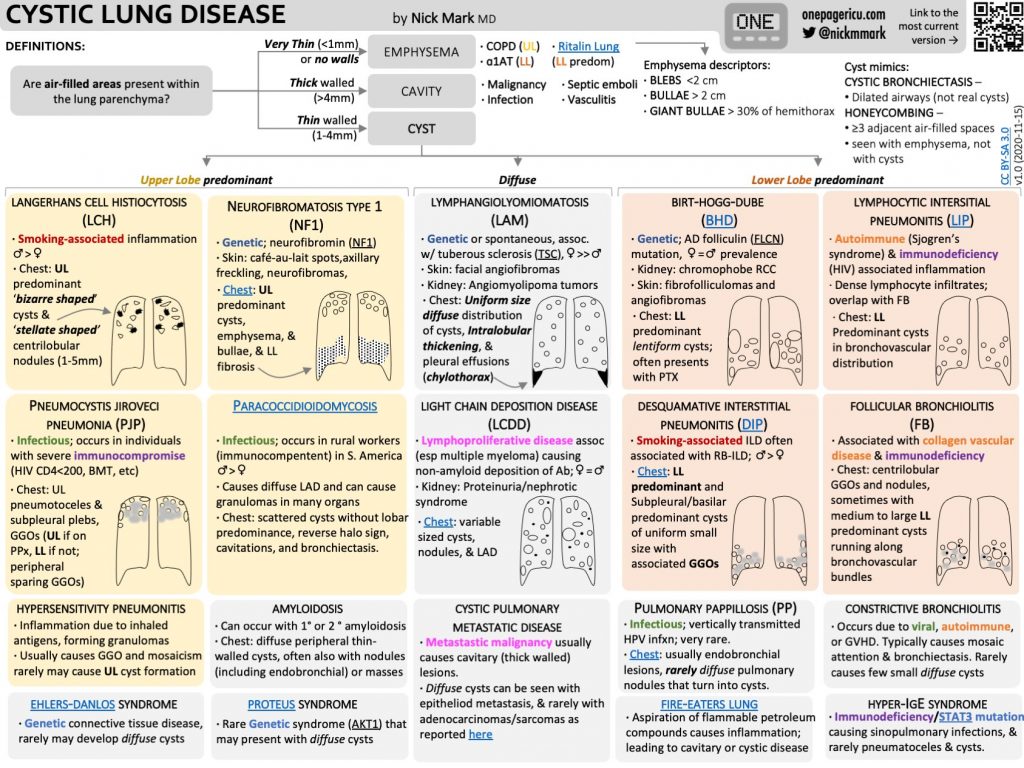
Our patient had an elevated VEGF-D level, a renal angiomyolipoma identified on CT abdomen, and imaging with diffuse cystic lung disease confirming her diagnosis of LAM. Make sure to check out the ICUOnePager made by Dr. Nick Mark.

11. Meet the Patients Series: Katie Fielding on Living with Cystic Fibrosis

FNl 9nZVgAELyM0

We are extremely excited to introduce our new Pulm PEEPs Meet the Patients series. Teaching and learning medicine is an incredible journey, and the goal is always to be improving patient care. Patients are our best teachers about the diseases we encounter, so the goal of this series is to spend more time with patients with pulmonary disease and with those who have been critically ill. For our first episode, we are thrilled to be joined by Katie Fielding.

Katie s an educator and spent 13 years teaching high school science. She now specializes in integrating technology into the classroom to enhance education. Katie was diagnosed with CF as an infant and has spent years as a patient advocate. She works closely with the Cystic Fibrosis Foundation and serves on the Adult Advocacy Council.

Katie gives us an incredible perspective about what it is like to live with Cystic Fibrosis, how her life has changed with modern therapies, and how to be the best provider possible.