113. RFJC – PREDMETH

Today, Dave Furfaro, Luke Hedrick, and Robert Wharton discuss the PREDMETH trial published in The New England Journal of Medicine in 2025. This was a non-inferiority trial comparing prednisone to methotrexate for upfront therapy in treatment-naive sarcoidosis patients. Listen in for a break down of the trial, analysis, and clinically applicable pearls.
Todays’ episode discusses the PREDMETH trial published in NEJM in 2025.

Kahlmann V, Janssen Bonás M, Moor CC, Grutters JC, Mostard RLM, van Rijswijk HNAJ, van der Maten J, Marges ER, Moonen LAA, Overbeek MJ, Koopman B, Loth DW, Nossent EJ, Wagenaar M, Kramer H, Wielders PLML, Bonta PI, Walen S, Bogaarts BAHA, Kerstens R, Overgaauw M, Veltkamp M, Wijsenbeek MS; PREDMETH Collaborators. First-Line Treatment of Pulmonary Sarcoidosis with Prednisone or Methotrexate. N Engl J Med. 2025 Jul 17;393(3):231-242. doi: 10.1056/NEJMoa2501443. Epub 2025 May 18. PMID: 40387020.

https://www.nejm.org/doi/full/10.1056/NEJMoa2501443

Luke Hedrick is an Associate Editor at Pulm PEEPs and runs the Rapid Fire Journal Club Series. He is a senior PCCM fellow at Emory, and will be starting as a pulmonary attending at Duke University next year.

Robert Wharton is a recurring guest on Pulm PEEPs as a part of our Rapid Fire Journal Club Series. He completed his internal medicine residency at Mt. Sinai in New York City, and is currently a first year pulmonary and critical care fellow at Johns Hopkins.

Clinical context

  • Prednisone remains the traditional first-line treatment for pulmonary sarcoidosis when treatment is indicated, with evidence for short-term improvements in symptoms, radiographic findings, and pulmonary function—but with substantial, familiar steroid toxicities (weight gain, insomnia, HTN/DM, infection risk, etc.).
  • Despite widespread use, glucocorticoids haven’t been robustly tested head-to-head against many alternatives as initial therapy, and evidence for preventing long-term decline (especially in severe disease) is limited.
  • Immunosuppressants (like methotrexate) are often used as steroid-sparing agents, but guideline recommendations are generally conditional/low-quality evidence, and practice varies.

Why PREDMETH matters

  • It addresses a real-world question: Can methotrexate be an initial alternative to prednisone in pulmonary sarcoidosis, rather than being reserved only for steroid-sparing later?
  • It also probes a common clinical belief: MTX has slower onset than prednisone (often assumed, not well-proven).

Trial design (what to know)

  • Open-label, randomized, noninferiority trial across 17 hospitals in the Netherlands.
  • Included patients with pulmonary sarcoidosis who had a clear pulmonary indication to start systemic therapy (moderate/severe symptoms plus objective risk features like reduced FVC/DLCO or documented decline, plus parenchymal abnormalities).
  • Excluded: non–treatment-naïve patients and those whose primary indication was extrapulmonary disease.
  • Treat-to-tolerability with escalation: both drugs started low and were slowly increased; switch/add-on allowed for inadequate efficacy or unacceptable side effects.
  • Primary endpoint: change in FVC (with the usual caveat that FVC is “objective-ish,” but effort-dependent and not always patient-centered).
  • Noninferiority margin: 5% FVC, justified as within biologic/measurement variation and “not clinically relevant.”
  • Outcomes assessed at weeks 4, 16, 24; powered for ~110 patients to detect the NI margin.

Patient population (who this applies to)

  • Mostly middle-aged (~40s) with mild-to-moderate physiologic impairment on average (FVC ~77% predicted; DLCO ~70% predicted).
  • Netherlands-based cohort with limited Black representation (~7%), which matters for generalizability.
  • Would have been helpful to know more about comorbidities (e.g., diabetes), which can strongly influence prednisone risk.

Main findings (what happened)

  • Methotrexate was noninferior to prednisone at week 24 for FVC:
    • Between-group difference in least-squares mean change at week 24: −1.17 percentage points (favoring prednisone) with CI −4.27 to +1.93, staying within the 5% NI margin.
  • Timing mattered:
    • Prednisone showed earlier benefit (notably by week 4) in FVC and across quality-of-life measures.
    • By week 24, those early differences largely washed out—possibly because MTX “catches up,” and/or because crossover increased over time.
    • In their reporting, MTX didn’t meet noninferiority for FVC until week 24, supporting the practical message that prednisone works faster.

Crossover and analysis nuance (important for interpretation)

  • Crossover was fairly high, which complicates noninferiority interpretation:
    • MTX arm: some switched to prednisone for adverse events and others had prednisone added for disease progression/persistent symptoms.
    • Prednisone arm: some had MTX added.
  • In noninferiority trials, heavy crossover can bias intention-to-treat analyses toward finding “no difference” (making noninferiority easier to claim). Per-protocol analyses avoid some of that but introduce other biases. They reported both.

Safety signals (what to remember clinically)

  • Adverse events were very common in both arms (almost everyone), mostly mild.
  • Side-effect patterns fit expectations:
    • Prednisone: more insomnia (and classic steroid issues).
    • MTX: more headache/cough/rash, and notably liver enzyme elevations (about 1 in 4), with a small number discontinuing.
  • Serious adverse events were rare; numbers were too small to confidently separate “signal vs noise,” but overall known risk profiles apply.

Limitations (why you shouldn’t over-read it)

  • Open-label design, and FVC—while objective-ish—is still effort-dependent and can be influenced by expectation/behavior.
  • Small trial, limiting subgroup conclusions (e.g., severity strata, different phenotypes).
  • Generalizability issues (Netherlands demographics; US populations have higher rates of obesity/metabolic syndrome, which may tilt the steroid risk-benefit equation).
  • Crossover reduces precision and interpretability of between-group differences over time.

Practice implications (the “so what”)

  • For many patients with pulmonary sarcoidosis needing systemic therapy, MTX is a reasonable initial alternative to prednisone when thinking long-term tolerability and steroid avoidance.
  • Prednisone likely provides faster symptom/QoL relief in the first weeks—so it may be preferable when rapid improvement is important.
  • The trial strengthens the case for a patient-centered discussion: short-term relief vs side-effect tradeoffs, and the possibility of early combination therapy in more severe cases (suggested, not proven).

107. Fellows’ Case Files: University of Kansas Medical Center KUMC

After a brief hiatus, we are excited to be back today with another Fellows’ Case Files! Today we’re virtually visiting the University of Kansas Medical Center (KUMC) to hear about a fascinating pulmonary presentation. There are some fantastic case images and key learning points. Take a listen and see if you can make the diagnosis along with us. As always, let us know your thoughts and definitely reach out if you have an interesting case you’d like to share.

Dr. Vishwajit Hegde completed his internal medicine residency at University of Kansas Medical Center where he stayed for fellowship and is currently a second year Pulmonary and Critical Care medicine fellow. 

Dr. Sahil Pandya is an Associate Professor of Medicine and Program Director of the PCCM Fellowship at KUMC.

1) Initial frame & diagnostic mindset

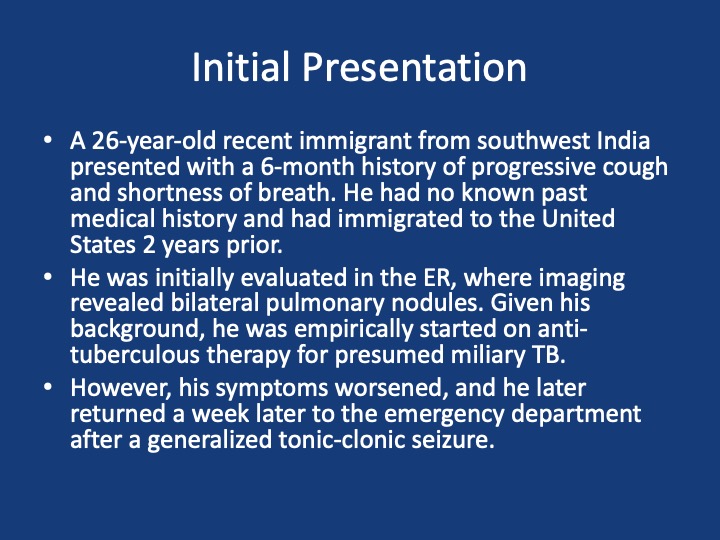
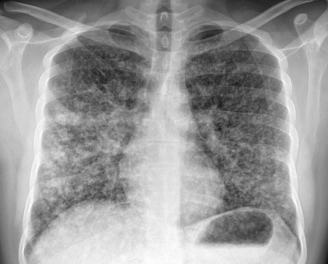
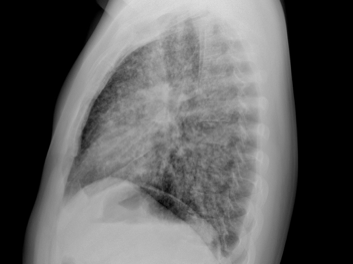
  • Young (26), subacute → chronic dyspnea/cough with diffuse pulmonary nodules; avoid premature closure on TB.
  • Use a Bayesian approach: combine pre-test probability (epidemiology, exposures, tempo) with targeted tests to decide next steps.
  • Always confirm TB when possible (micro/path + resistance testing); empiric RIPE may be reasonable but shouldn’t replace tissue when stakes are high.

2) Imaging pearls—nodular pattern recognition

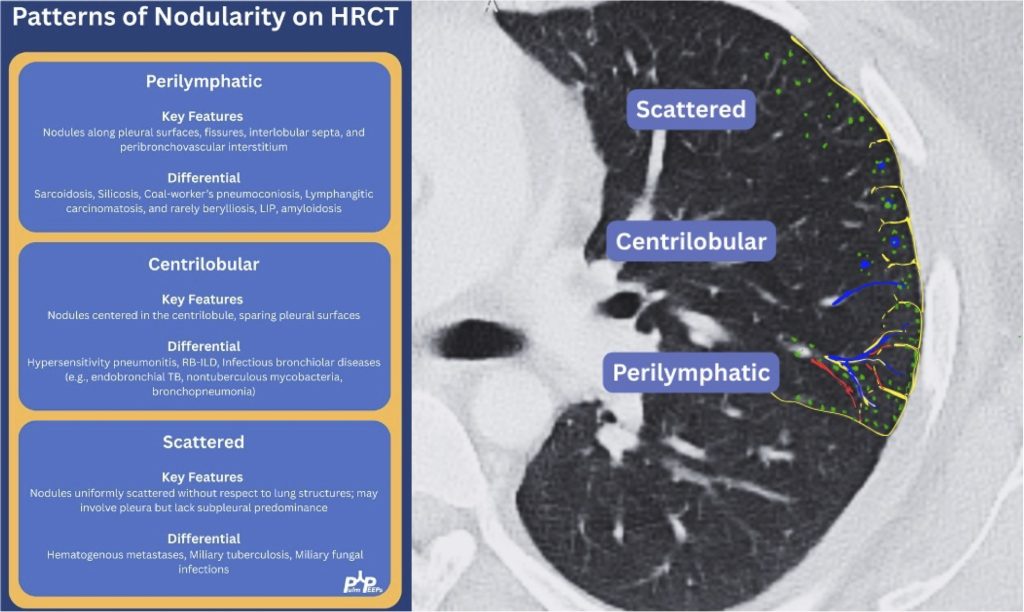
  • Ask three things: craniocaudal distribution, symmetry, central vs peripheral.
  • Centrilobular (spares pleura/fissures): airway-centered (e.g., NTM, bronchiolitis, tree-in-bud).
  • Perilymphatic (tracks fissures/pleura & septa): sarcoid, lymphangitic spread.
  • Random/diffuse (involves pleural surfaces): hematogenous spread → think miliary TB, disseminated fungal, septic emboli, metastatic disease.
  • Interval change matters: new cavitation and confluence can upweight infection or aggressive malignancy.

3) Neuro findings—ring-enhancing lesions

  • Differential: septic emboli/abscess, nocardia, fungal, TB, parasites, metastases, vasculitis, sarcoid.
  • Partner with neuroradiology for pattern nuances; treat seizures but keep searching for the unifying diagnosis.

4) Lab/serology strategy

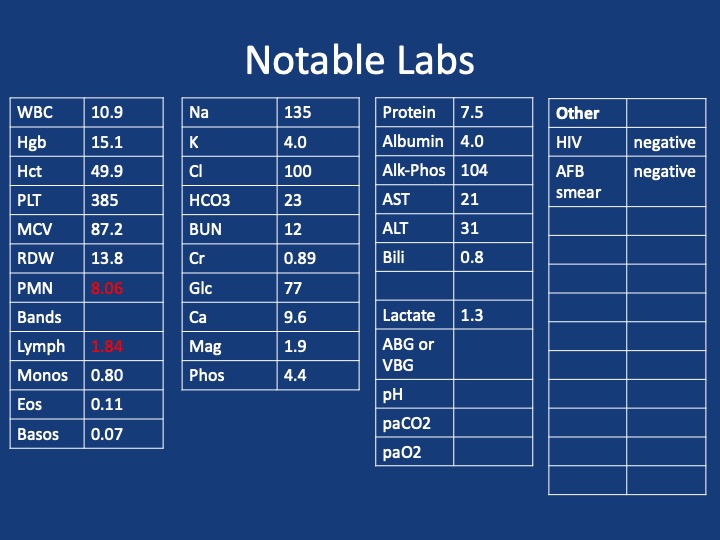
  • Broad infectious workup (AFB × multiple, fungal serologies), HIV and basic immune screen.
  • Negative/indeterminate tests don’t end the search—revisit history (e.g., Ohio travel → histo/blasto risk).

5) “Tissue is the issue”—choosing the procedure

  • For diffuse nodules with mediastinal adenopathy and stable patient: EBUS-TBNA + BAL, consider transbronchial or cryobiopsy.
  • Cryobiopsy pros: larger, less crush artifact, better for molecular testing; cons: ↑ bleeding/pneumothorax vs forceps.
  • VATS still best for certain ILD questions or if less invasive routes are non-diagnostic—but weigh patient preference and stage/likelihood of yield.

6) ROSE (rapid on-site evaluation) in bronchoscopy

  • Confirms adequacy in real time, steers you away from necrotic zones, helps decide when you’ve got enough for molecular studies, and when to pivot sites—reduces anesthesia time and repeat procedures.

7) Final diagnosis & management

  • Path: TTF-1+, CK7+, napsin A → pulmonary adenocarcinoma with a fusion driver.
  • Therapy: Targeted TKI (crizotinib) → dramatic radiographic response of miliary lung disease and CNS lesions.
  • Teaching point: even “miliary TB-like” lungs + CNS lesions in a 20-something can be driver-positive lung cancer—don’t let age or pattern blind you.

  1. Desai, S., Devaraj, A., Lynch, D., & Sverzellati, N. (2020). Webb, Müller and Naidich’s high-resolution CT of the lung (6th ed.). Lippincott Williams & Wilkins.
  2. Rajeswaran, G., Becker, J. L., Michailidis, C., Pozniak, A. L., & Padley, S. P. G. (2006). The radiology of IRIS (immune reconstitution inflammatory syndrome) in patients with mycobacterial tuberculosis and HIV co-infection: appearances in 11 patients. Clinical radiology, 61(10), 833-843
  3. Poletti, V., Ravaglia, C., & Tomassetti, S. (2016). Transbronchial  cryobiopsy in diffuse parenchymal lung diseases. Current opinion in pulmonary medicine, 22(3), 289-296.
  4. Norman, G. R., Monteiro, S. D., Sherbino, J., Ilgen, J. S., Schmidt, H. G., & Mamede, S. (2017). The causes of errors in clinical reasoning: cognitive biases, knowledge deficits, and dual process thinking. Academic Medicine, 92(1), 23-30.

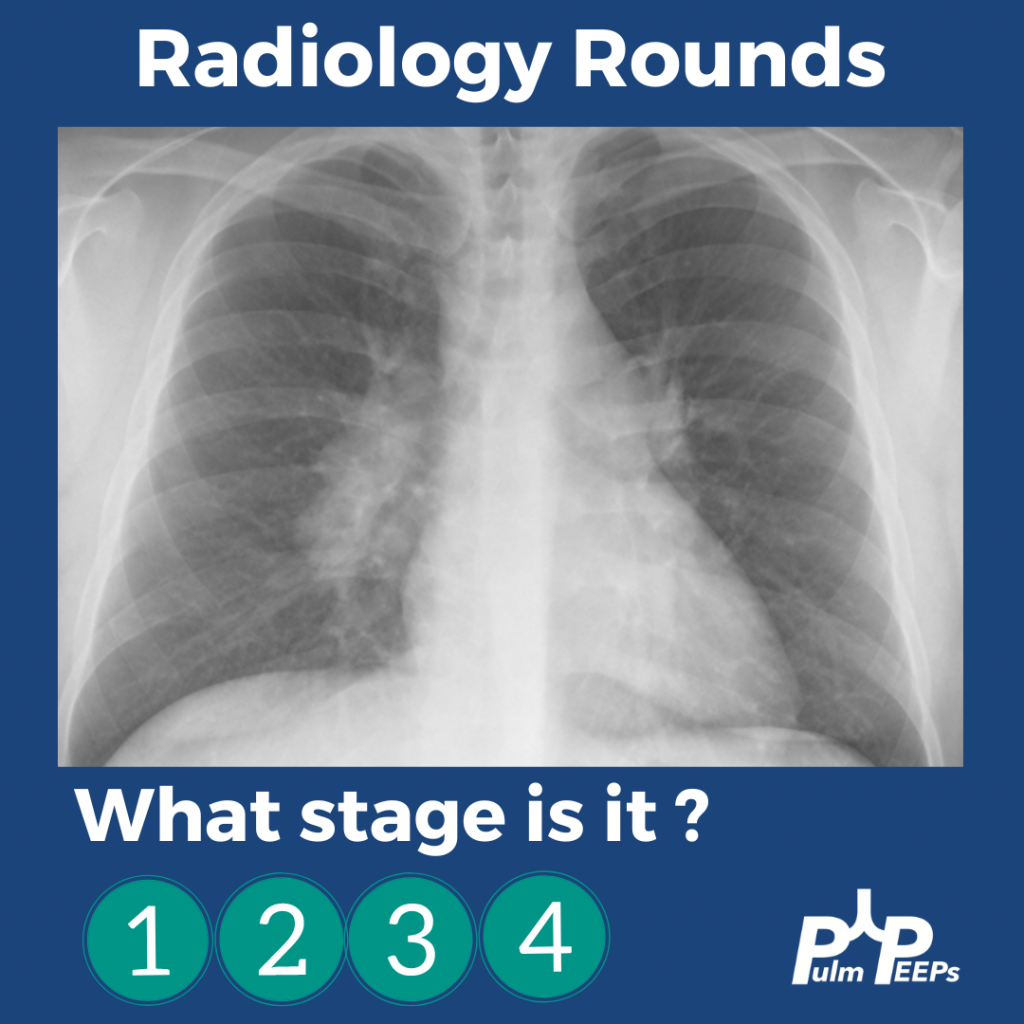
Radiology Rounds – 9/24/25

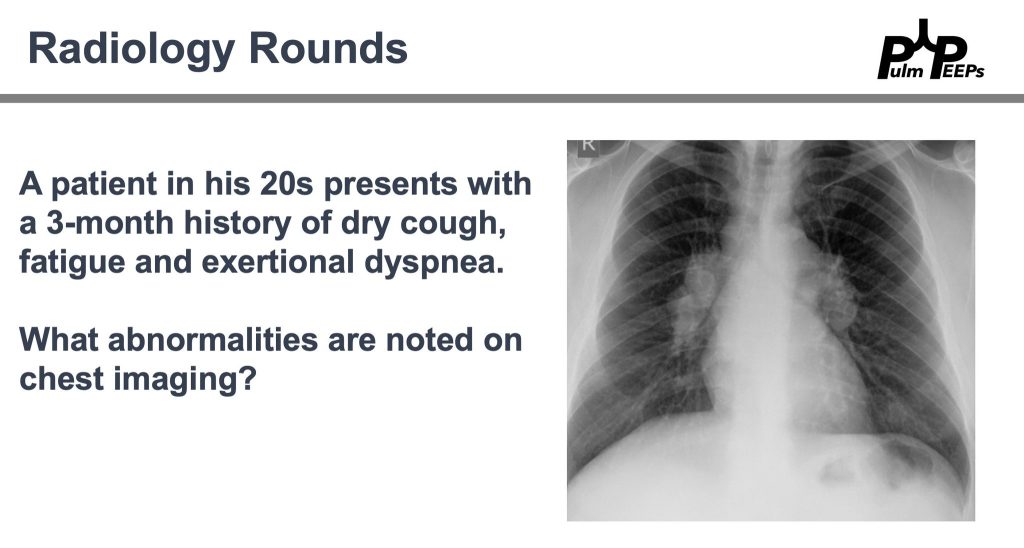
We’re back with another Pulm PEEPs Radiology Rounds!

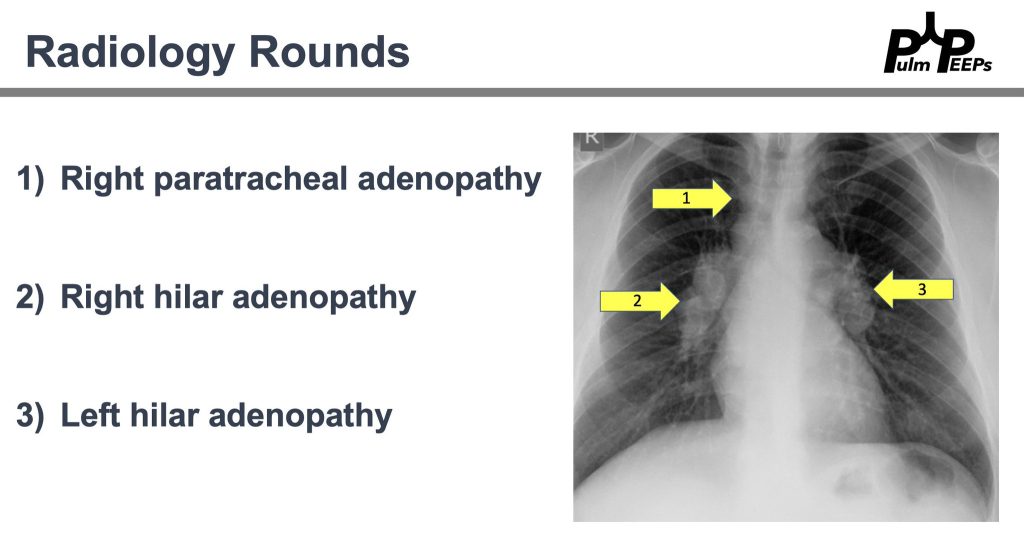
That’s right! All of the findings are present

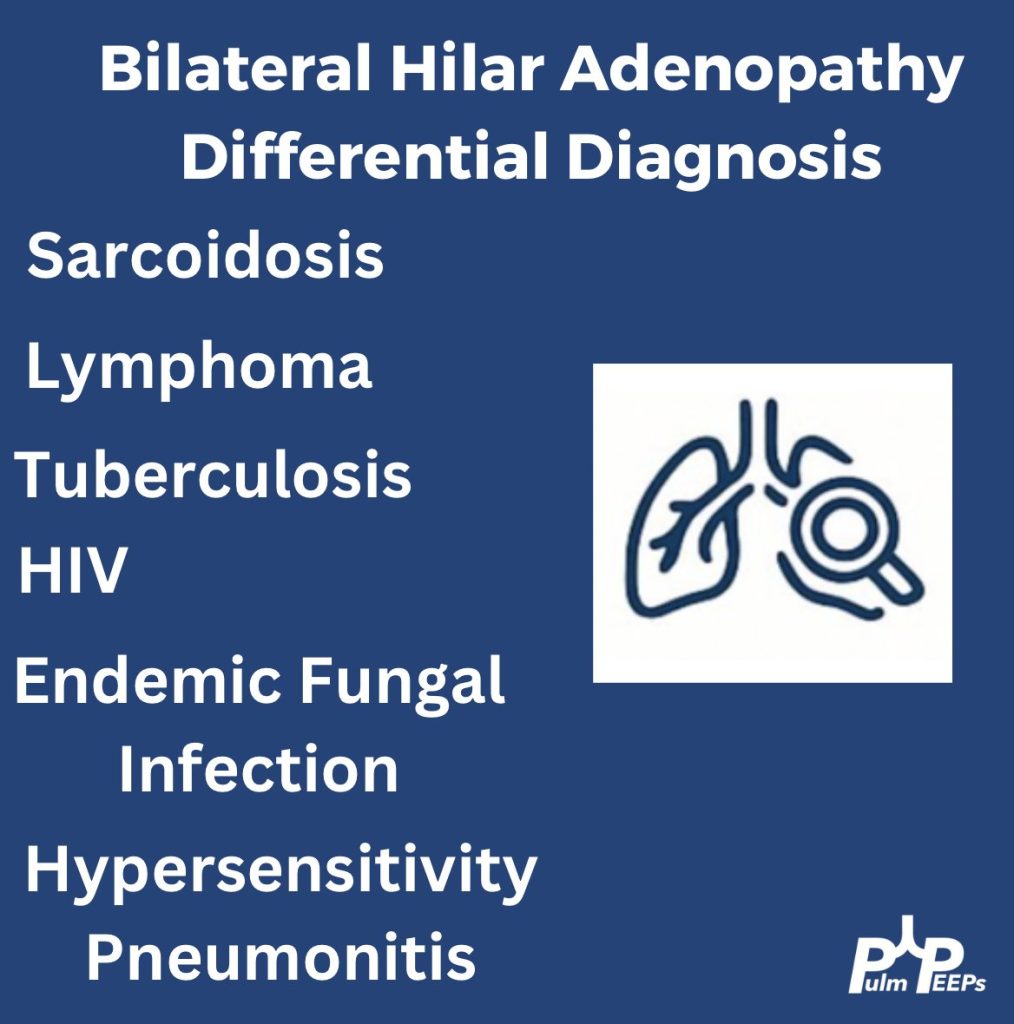
History and physical exam are essential. Here are a few can’t miss diagnoses when working up a young adult with bilateral hilar adenopathy.

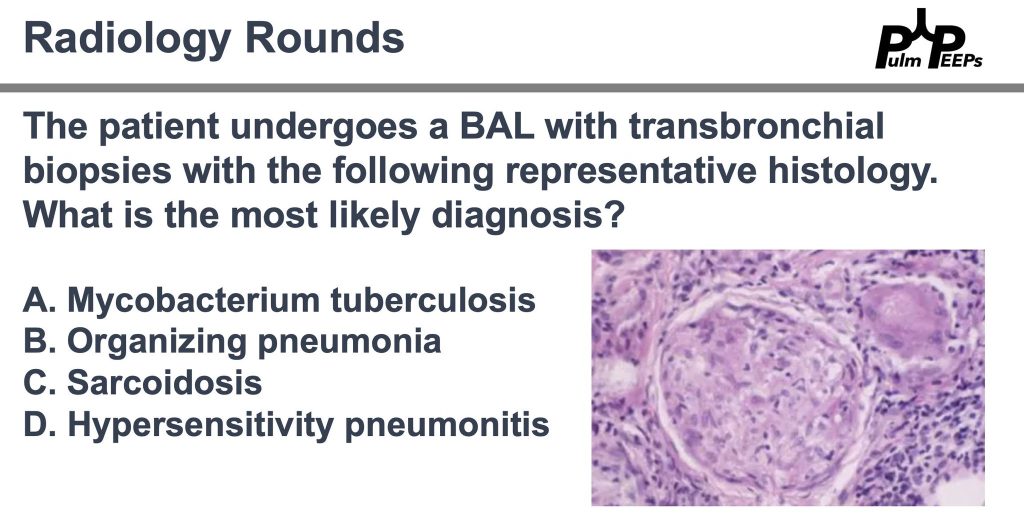
Pathology is consistent with a non-caseating granuloma. What is the most likely diagnosis?

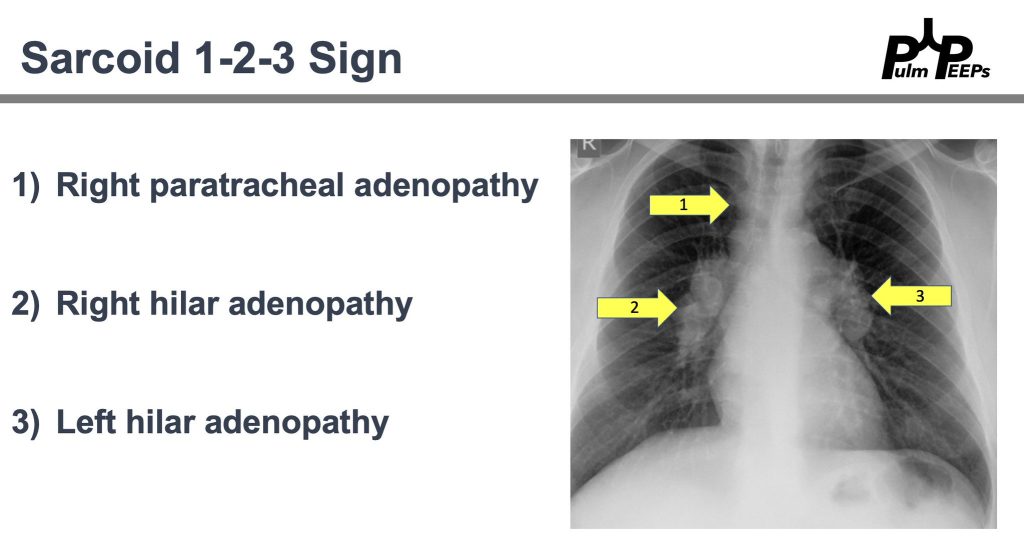
Imaging and pathology were consistent with sarcoidosis and after negative work-up for alternative causes. The patient will follow-up with outpatient pulmonary for sarcoidosis management. Don’t forget about the Sarcoid 1-2-3 sign!

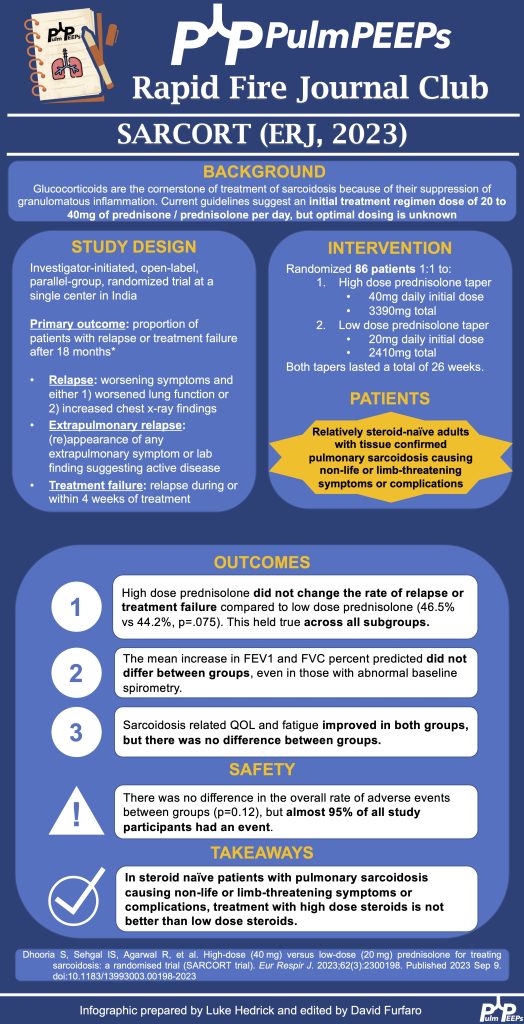
65. Rapid Fire Journal Club 6 – SARCORT Trial

Today we’re continuing our Rapid Fire Journal Club series. We’ve mainly been discussing landmark trials, but today we’re delving into a new study with interesting findings that are applicable to a common presentation in pulmonary medicine: treatment naive sarcoidosis. We’re discussing the SARCORT trial published in the European Respiratory Journal in 2023. This study evaluated a high vs low dose steroid trial in patients with sarcoidosis. Pulm PEEPs Associate Editor Luke Hedrick walks us through the study.

Article and Reference

Today we’re discussing the 2023 SARCORT Trial published in the European Respiratory Journal.

Reference: Dhooria S, Sehgal IS, Agarwal R, Muthu V, Prasad KT, Dogra P, Debi U, Garg M, Bal A, Gupta N, Aggarwal AN. High-dose (40 mg) versus low-dose (20 mg) prednisolone for treating sarcoidosis: a randomised trial (SARCORT trial). Eur Respir J. 2023 Sep 9;62(3):2300198. doi: 10.1183/13993003.00198-2023. PMID: 37690784.

Infographic

This can be downloaded on our website and will be shared on Twitter and Instagram.

Radiology Rounds – 8/16/22

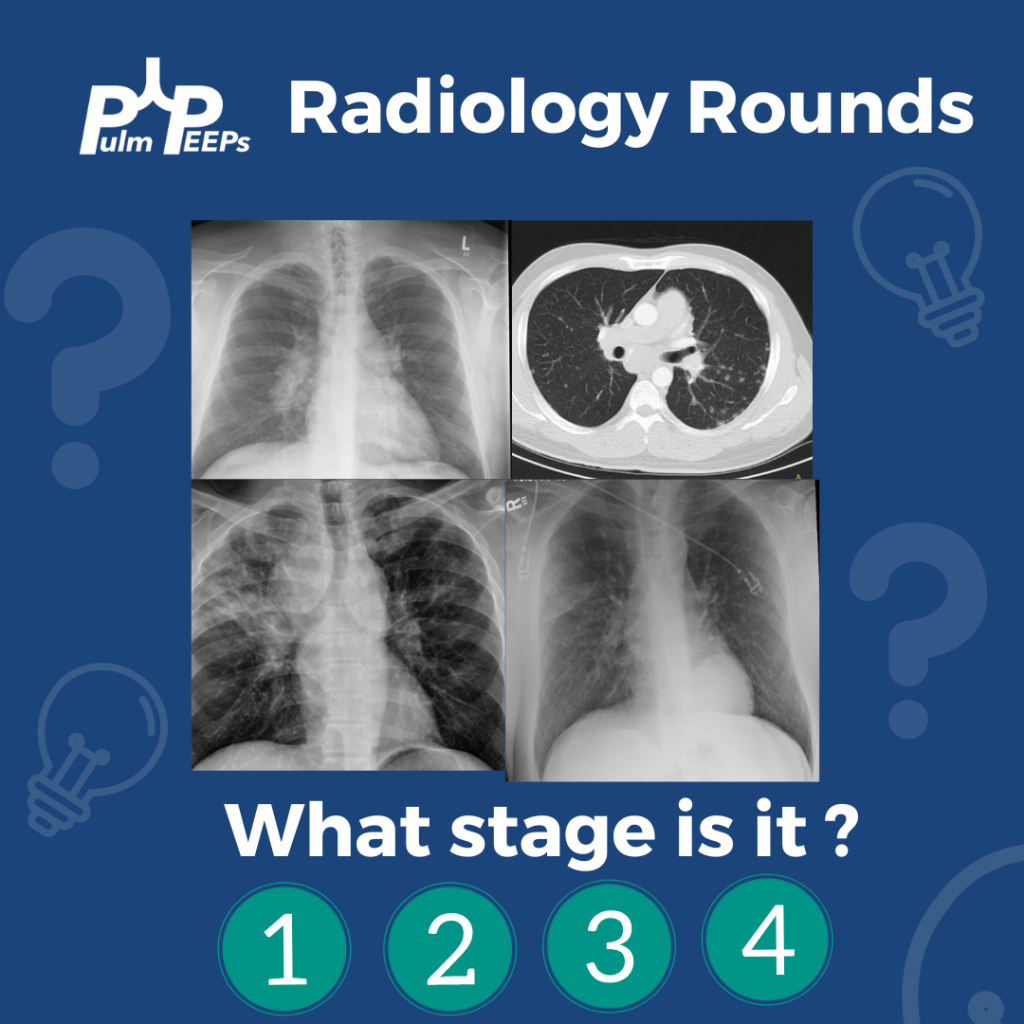
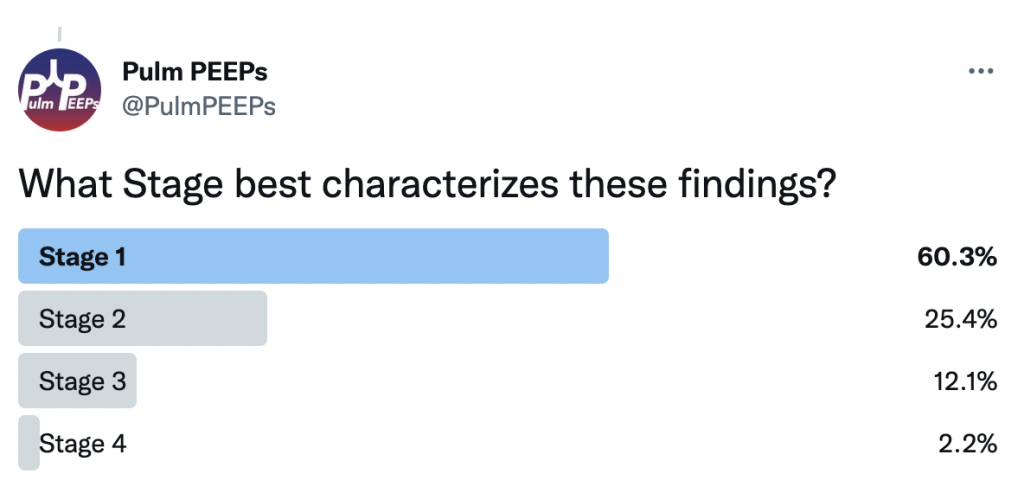
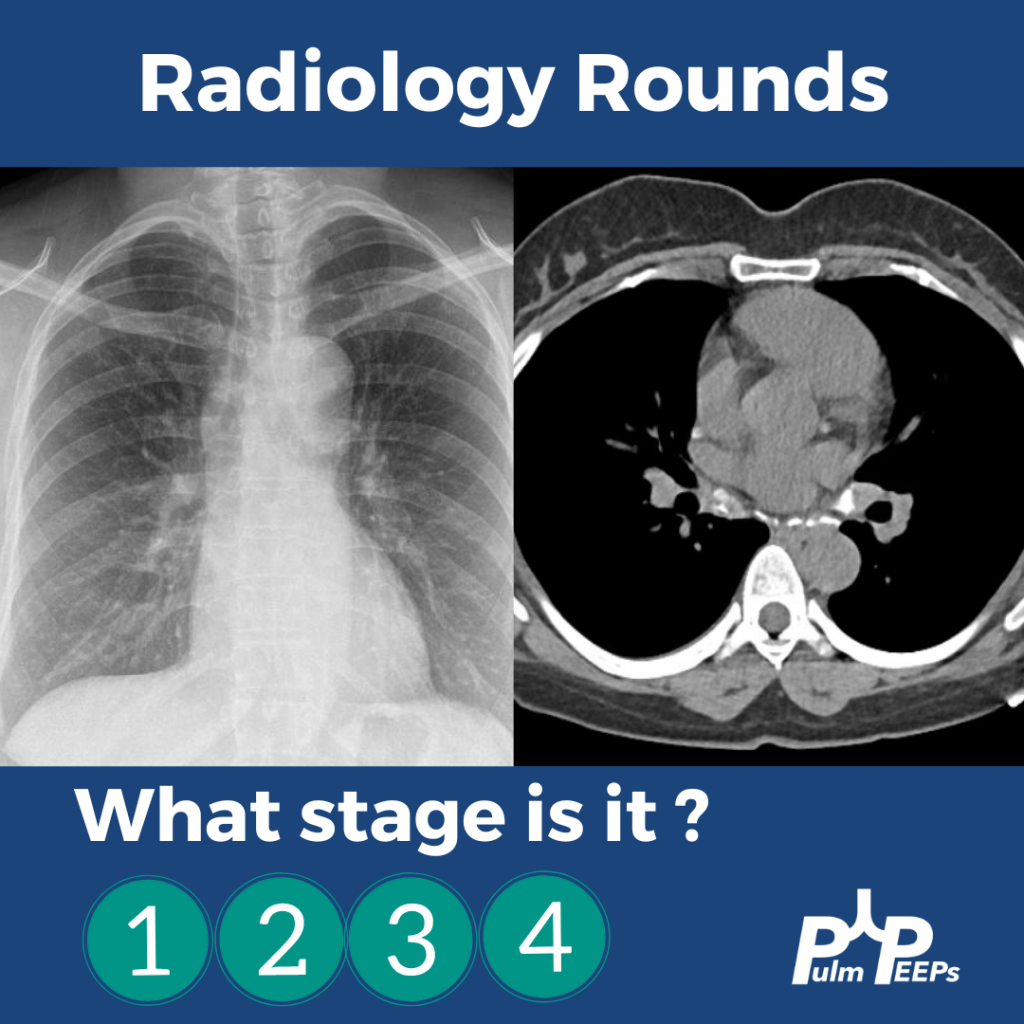
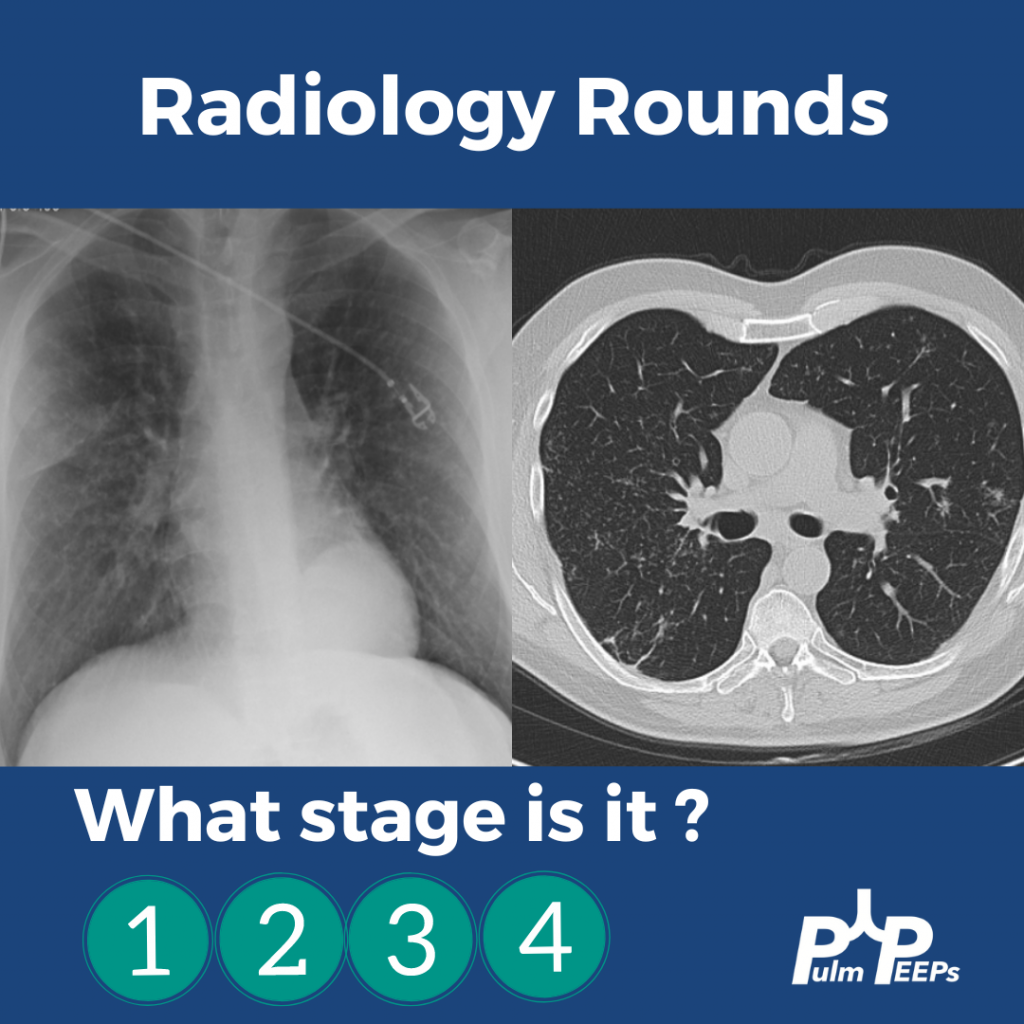
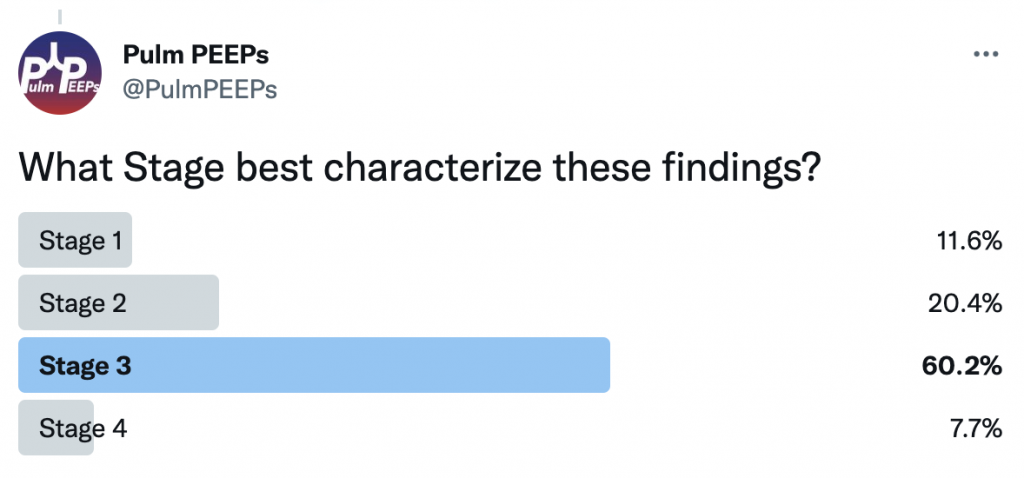
It is Tuesday and we have another Radiology Rounds we can’t wait to share with you. Follow along and see if you select the right answer as we go through different presentations of sarcoidosis and pick your answer! What stage is it?!

A middle-aged man presents to you after he was found to have hilar adenopathy on a routine chest x-ray.

A middle-age man presents with dyspnea on exertion, night sweats and weight loss. You see evidence of bilateral apical disease, and fibrosis with evidence of honeycombing on chest CT.

A young woman presents with dyspnea on exertion and was found to have hilar adenopathy with parenchymal disease.

An elderly man presents with dyspnea on exertion and was found to have nodular parenchymal disease without extensive lymphadenopathy.

Radiology Rounds – 4/5/22

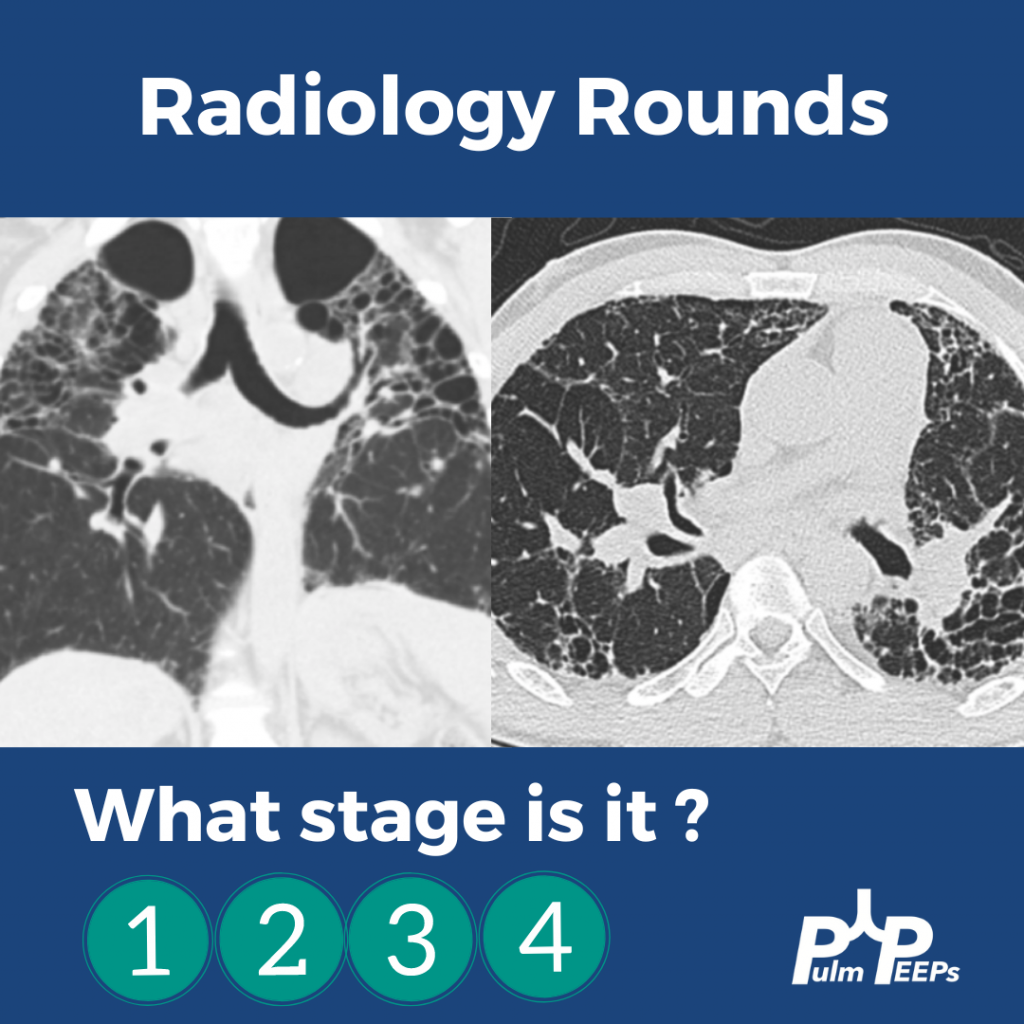
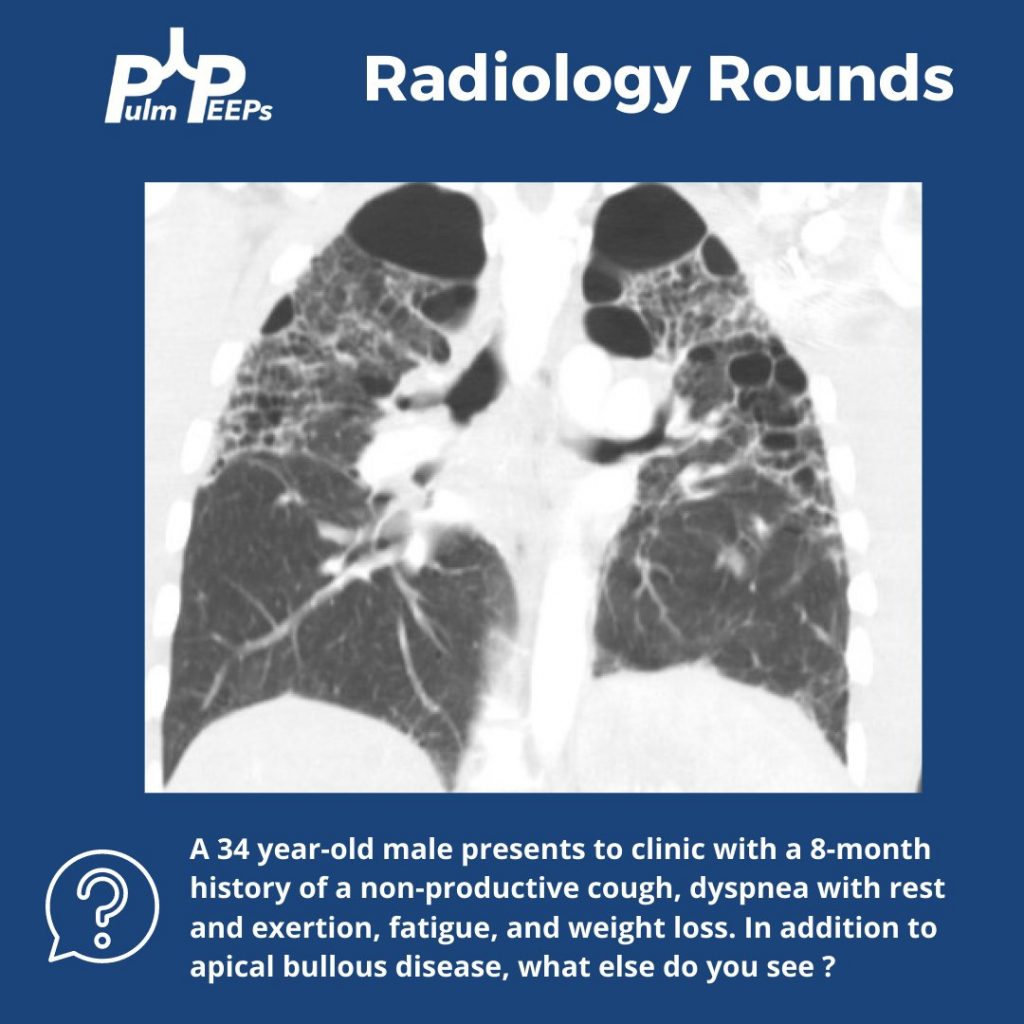
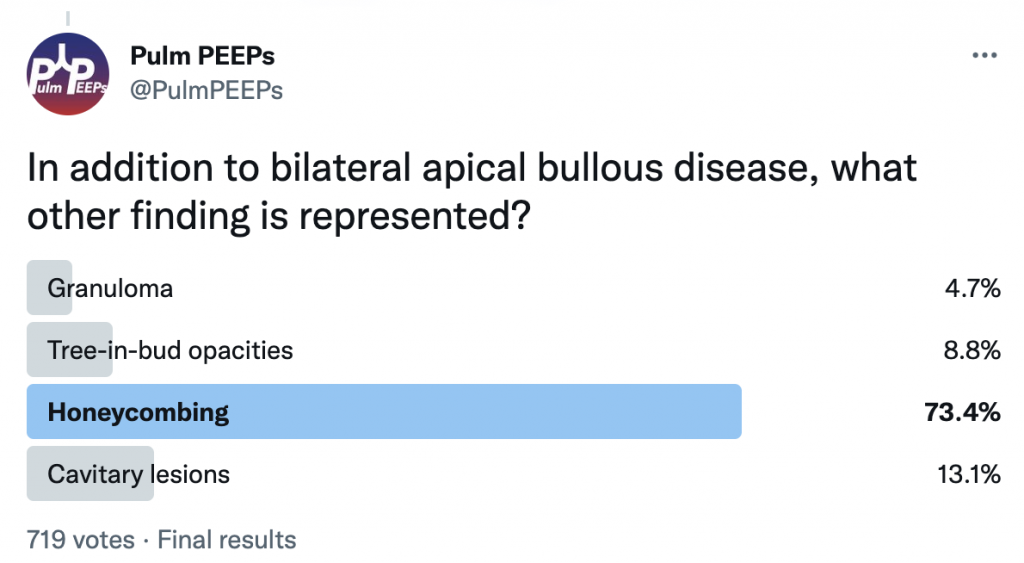
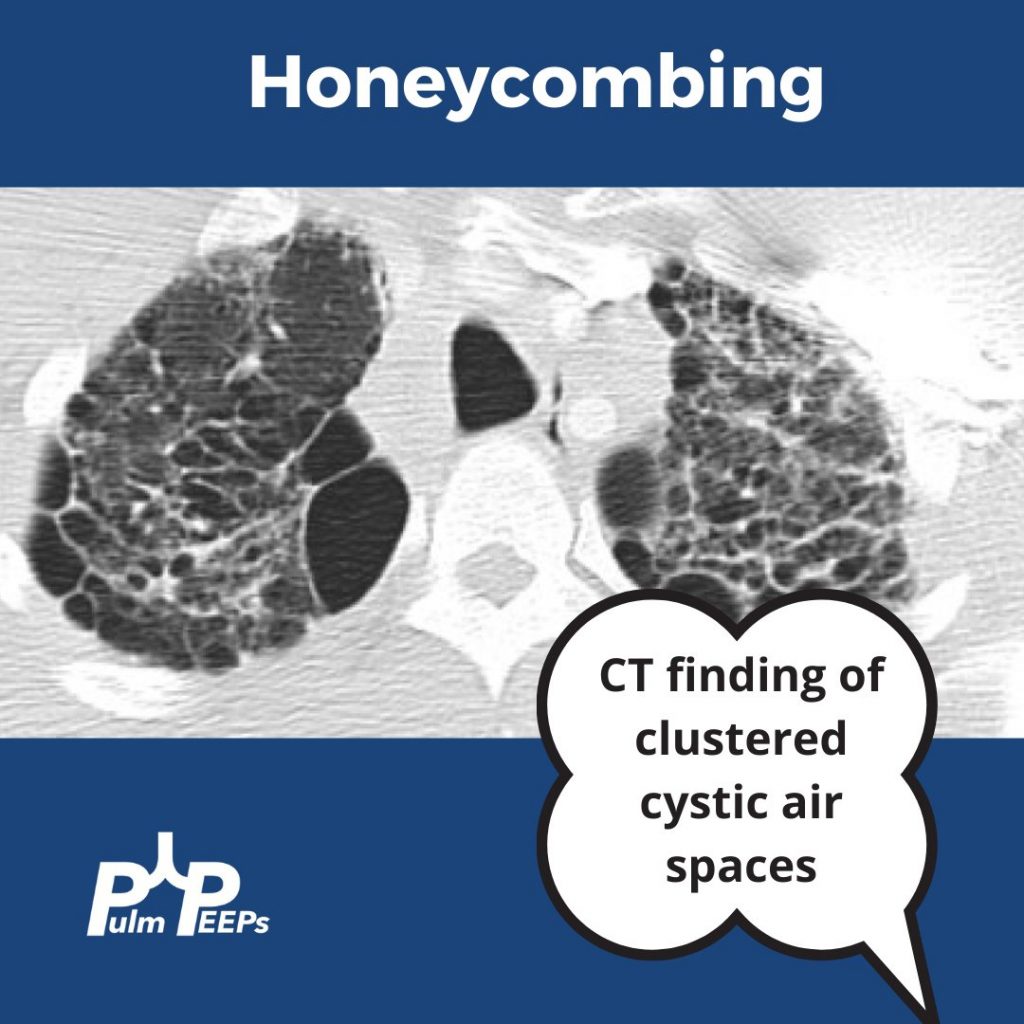
We have another #RadiologyRounds for you today! You are seeing a new patient in the clinic with dyspnea who brings in prior CT chest imaging. A representative coronal image is shown.

In addition to bullous disease, you see bilateral honeycombing with evidence of fibrosis primarily in the upper lung fields.

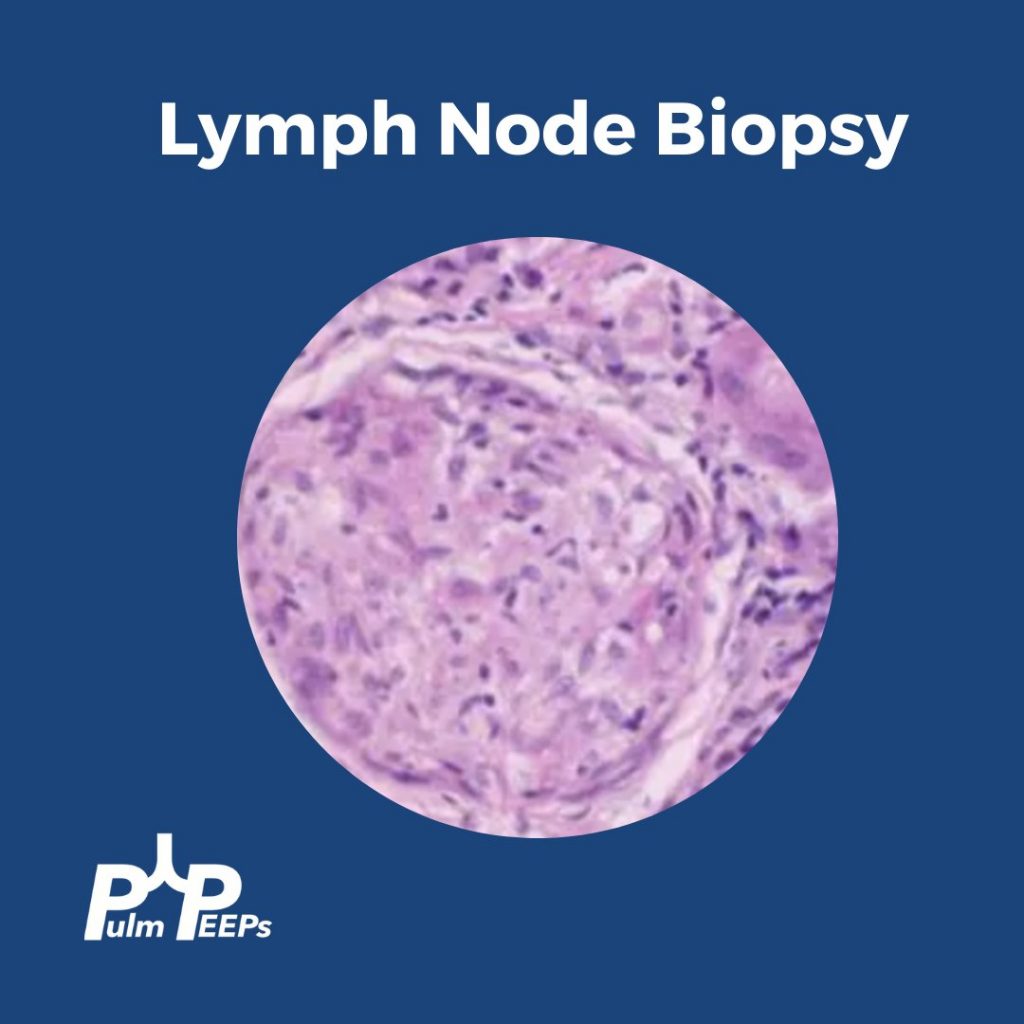
As part of your evaluation, an EBUS is performed showing the following representative lymph node tissue pathology.

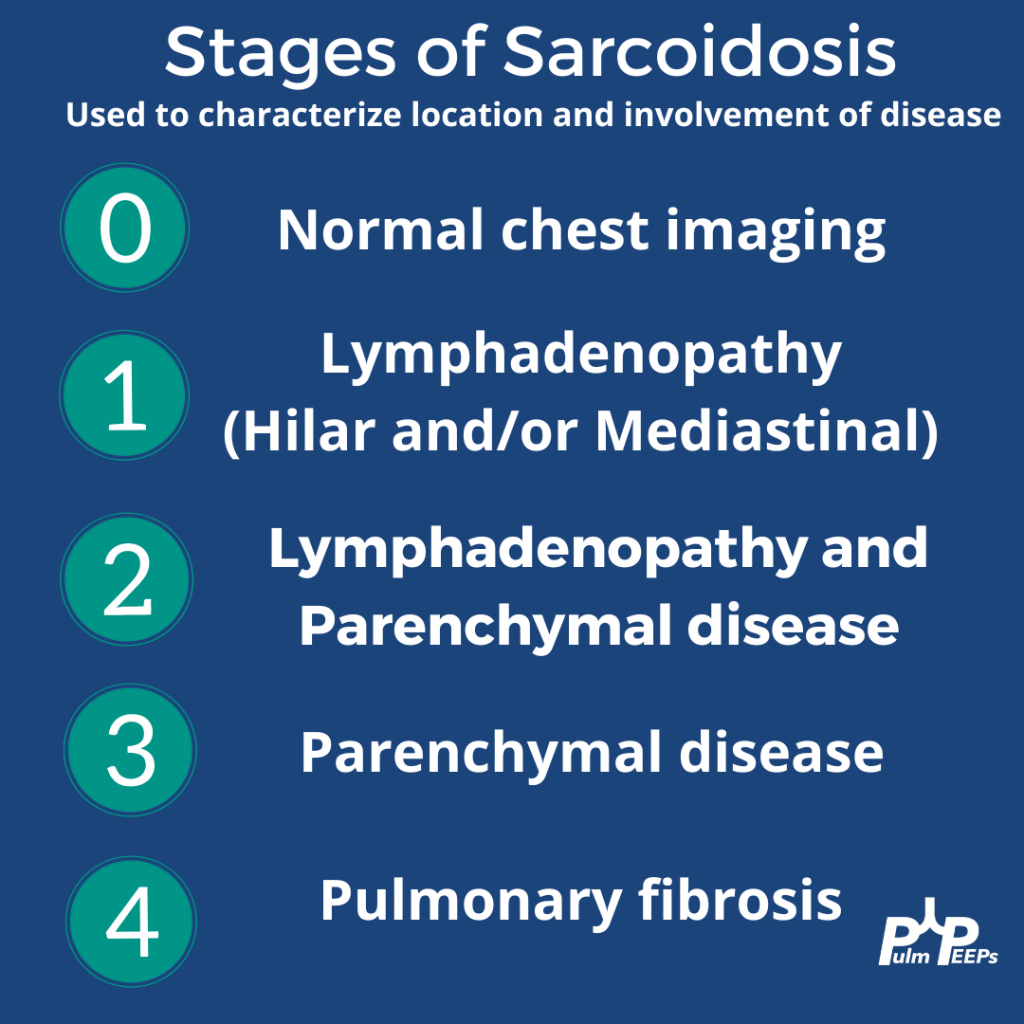
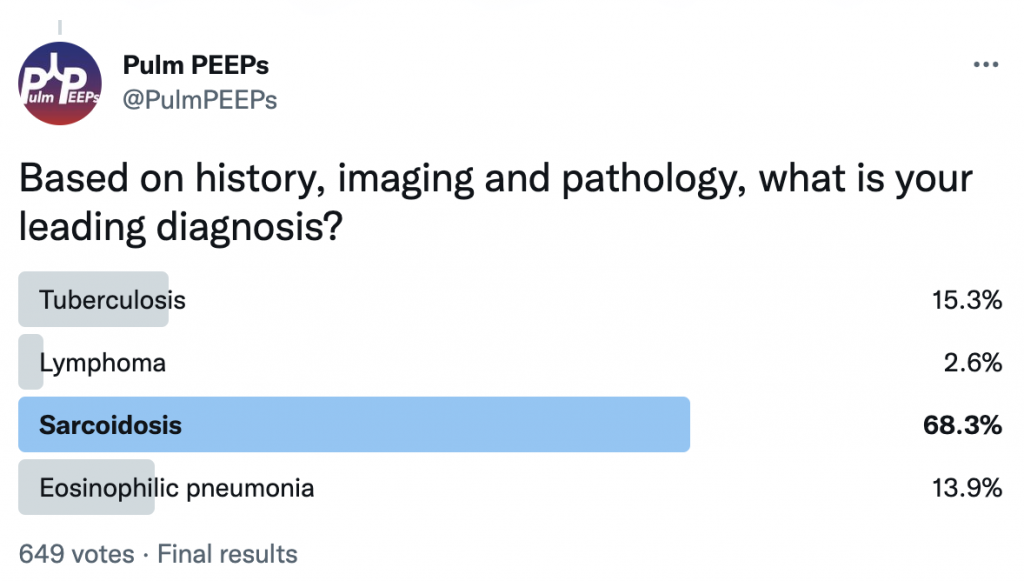
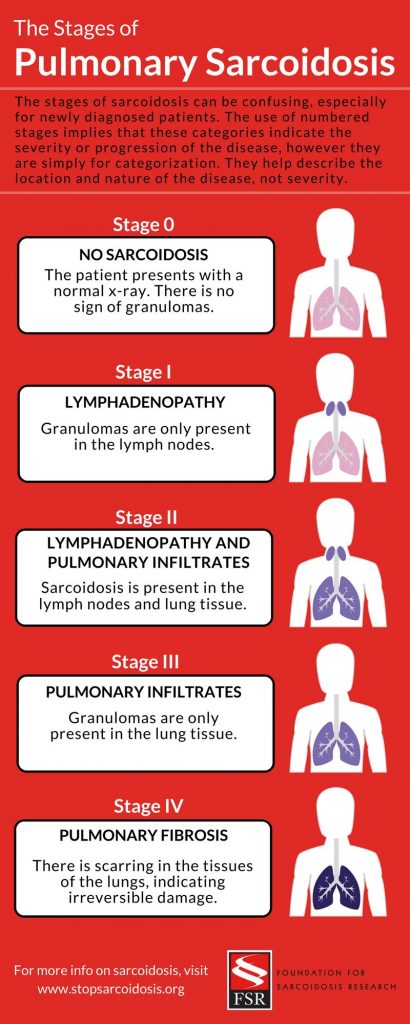
We had evidence of noncaseating granulomas, evidence of fibrocystic changes on chest imaging, and we excluded other causes of granulomatous disease. Given his symptoms and clinical context, we were concerned about Stage IV pulmonary sarcoidosis which can be categorized below.

Image source: https://www.stopsarcoidosis.org/stages-of-sarcoidosis/

8. A Case of Dyspnea and Lymphadenopathy

Dave Furfaro, Kristina Montemayor, and Ansa Razzaq are back to tackle another pulmonary case! Listen in and solve the case yourself, and we’ll share some diagnostic pearls along the way. Let us know any additional thoughts on Twitter.

Patient Presentation

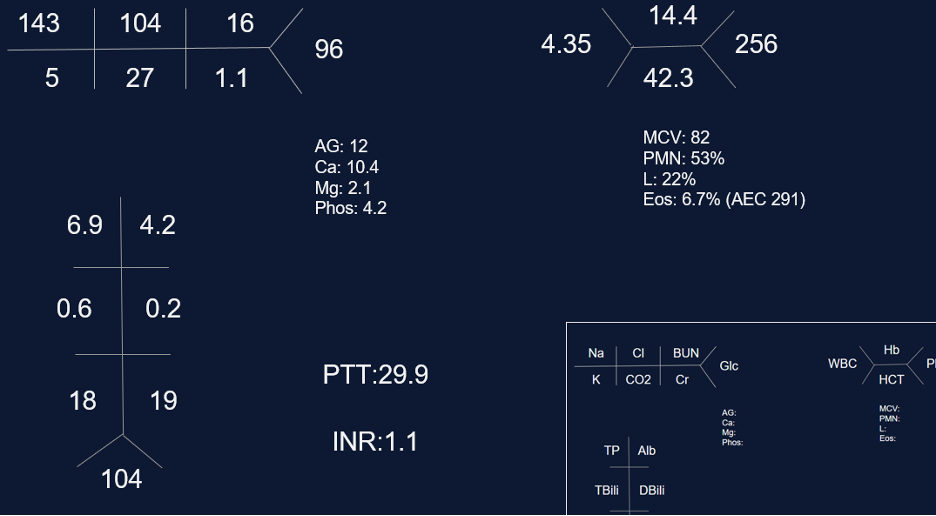
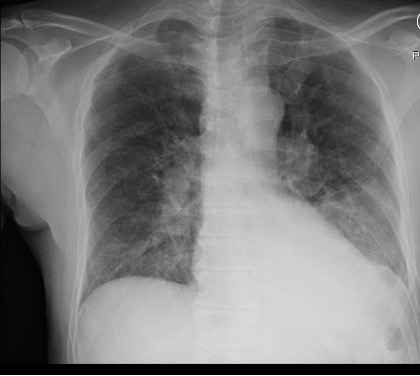
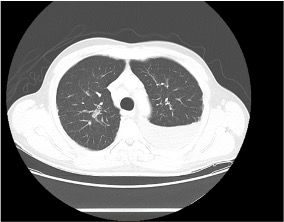
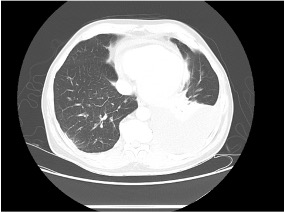
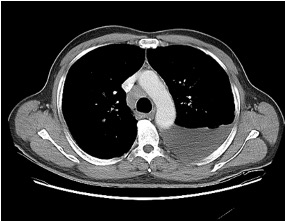
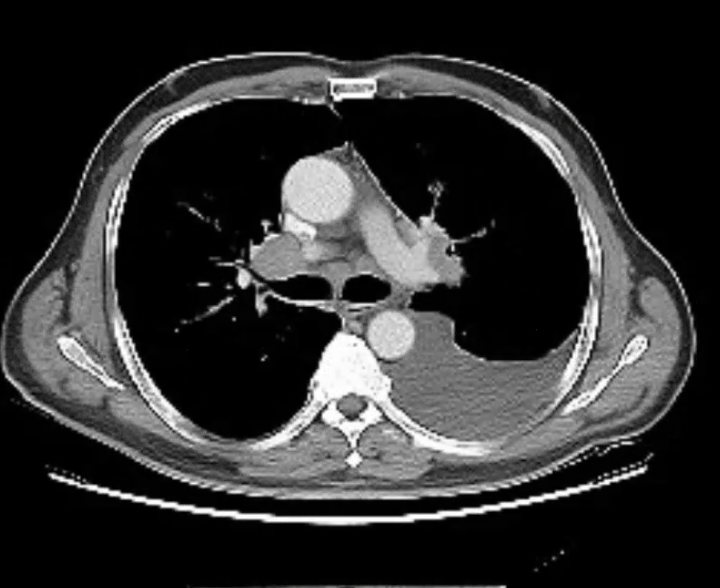
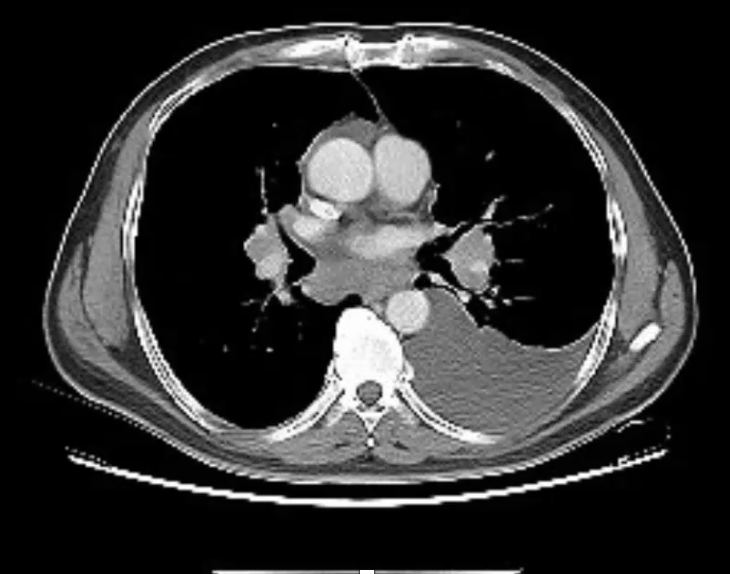
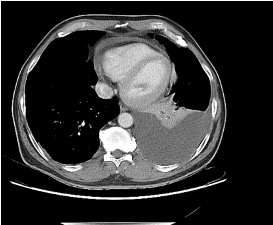
The is patient is 57-year-old man with hypertension and asthma who presents with dyspnea and left-sided pleuritic chest pain for 3 weeks. He was in his usual state of health until 3 weeks prior to admission, when he developed dyspnea and sharp left-sided chest pain that worsens with deep breathing. His symptoms are accompanied by unintentional 30-pound weight loss over the past several months as well as an intermittent cough that is nonproductive.

On physical exam, he is mildly tachypneic and saturating well on room air with otherwise normal vital signs. He has decreased breath sounds at the right lung base.

Initial labs

Key Learning Points

**Spoilers Ahead** If you want to think through the case on your own we advise listening to the episode first before looking at the infographics below

Physical Exam Pearls

Reasons for decreased breath sounds on physical exam

1. Increased thickness of chest wall

2. Reduced airflow to part of the lung

3. Overinflation to part of the lung

4. Something between the lung and chest wall — air or fluid

Determine bradypnea and tachypnea quickly by matching your breahting rate to the patient’s respiratory rate

Pleural Effusions

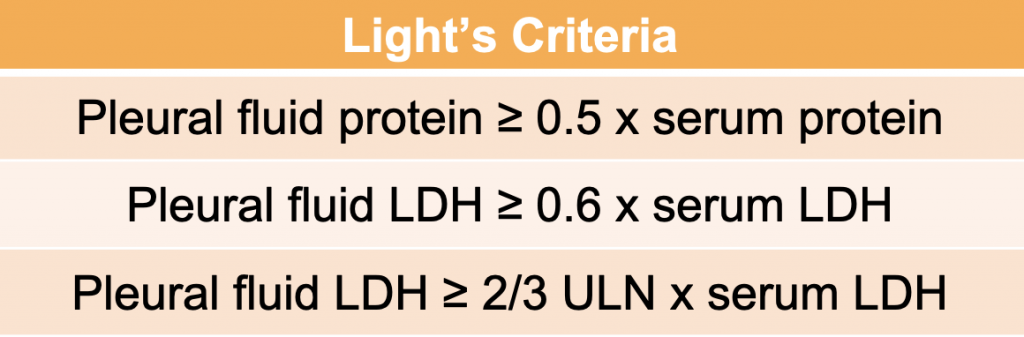
Transudative effusion partial differential: heart failure, nephrotic syndrome, hepatohydrothorax, fluid overload, hypoalbuminemia, urinothorax, amyloidosis*, chlothorax*, hypothyrodism*, malignancy*, sarcoidosis*

*these effusions often present as exudates but can be transudates

Exudative effusion partial differential: Infection, hemothorax, malignancy, connective tissue disease, chylothorax, pancreatitis, esophageal perforation.

Sarcoidosis

Key Elements of Diagnosis:

1. Is there a compatible presentation (imaging, physical exam)

2. Detection of non-necrotizing granulomatous inflammation in one or more tissue samples

3. Exclusion of other disease that may present similarily

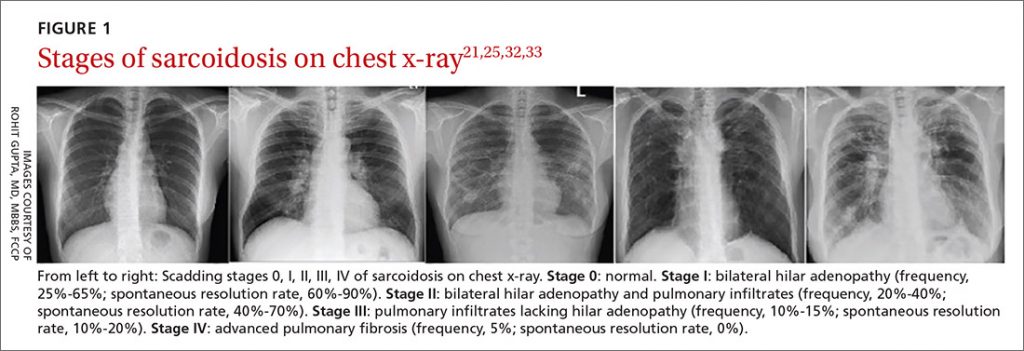
Pulmonary stages of sarcoidosis:

Key to remember that patients don’t always progress through these stages. The system is useful for prognosticating and determining treatment based on the risk for disease progression.

Image source: Gupta Et Al. J Fam Pract. 2021 April;70(3):E4-E15 | 10.12788/jfp.0177

Treatment for pulmonary sarcoidosis

Patients with stage 1, and even many with stage 2, often don’t require treatment

The first-line agent is oral glucocorticoids and the typical starting dose is prednisone 20 – 40 mg by mouth daily. The patient should be evaluated closely, and ideally, this dose can be tapered starting at about 4 – 6 weeks. Following this, the prednisone dose is tapered slowly over 6 months – 1 year while monitoring for symptom recurrence.

Second-line steroid-sparing agents are methotrexate, azathioprine, or mycophenolate. These are often used if the patient relapses, or is on more then 10mg daily for 3 months after the initial taper with intolerance of steroids

Third-line agents: tumor necrosis factor (TNF)- alpha antagonists (small molecule or monoclonal antibody therapy)

References and links for further reading

  1. Light RW. Pleural Effusion. New England Journal of Medicine. 2002;346(25):1971-1977. doi:10.1056/NEJMcp010731
  2. Feller-Kopman D, Light R. Pleural Disease. New England Journal of Medicine. 2018;378(8):740-751. doi:10.1056/NEJMra1403503
  3. Sarcoidosis: An FP’s primer on an enigmatic disease. MDedge Family Medicine. 2021;70(3). doi:10.12788/jfp.0177
  4. Iannuzzi MC, Rybicki BA, Teirstein AS. Sarcoidosis. New England Journal of Medicine. 2007;357(21):2153-2165. doi:10.1056/NEJMra071714
  5. Drent M, Crouser ED, Grunewald J. Challenges of Sarcoidosis and Its Management. New England Journal of Medicine. 2021;385(11):1018-1032. doi:10.1056/NEJMra2101555