76. Fellows’ Case Files: University of Rochester

Today we’re back with another stop on our Fellows’ Case Files journey and making our way to the University of Rochester. Tune in to hear about this fascinating case and learn some key teaching points along the way.
Dr. Shiv Patel completed his IM residency and a Chief year at the California Pacific Medical Center- Van Ness Campus and is currently a second-year PCCM fellow at the University of Rochester.

Dr. Mary Anne Morgan is an Associate Professor of Medicine and the Fellowship Program Director for the PCCM Fellowship at the University of Rochester. Her clinical interests range from the care of critically ill patients in the ICU to the diagnosis and management of rare lung disease in her role as Director of the University of Rochester LAM Clinic. She loves unwrapping clinical reasoning with trainees, exploring issues around communication and teamwork in the ICU, and is excited about curriculum revitalization in the growing URMC PCCM fellowship program.

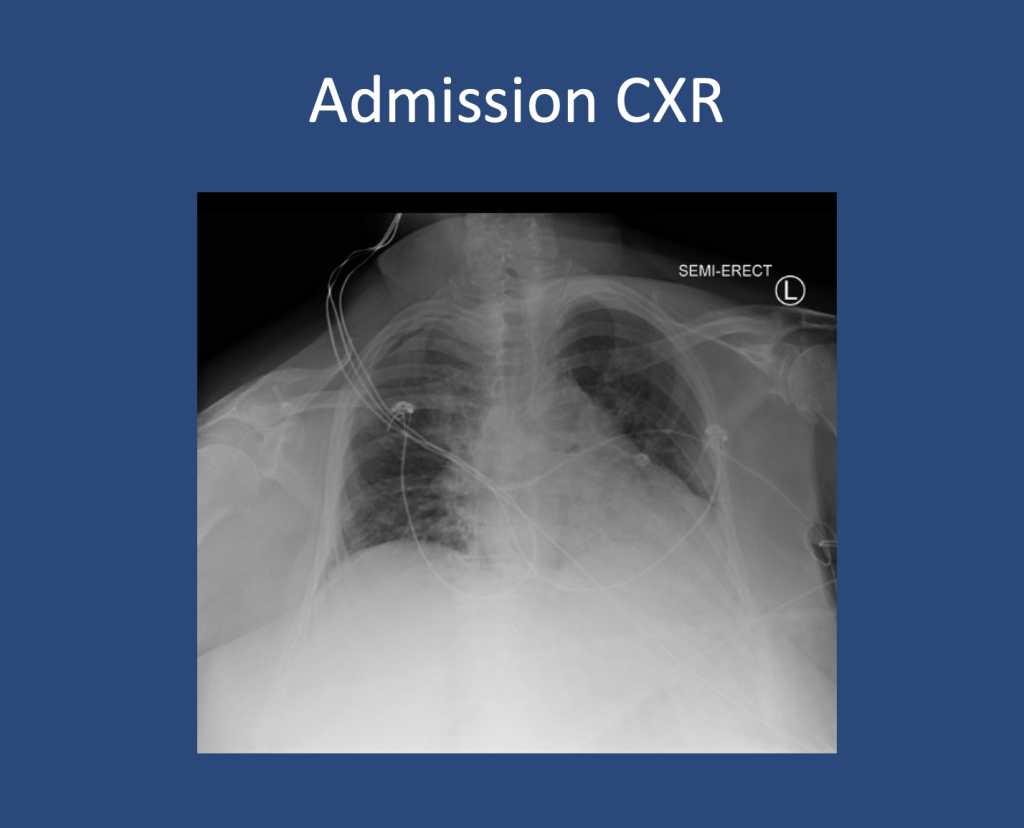
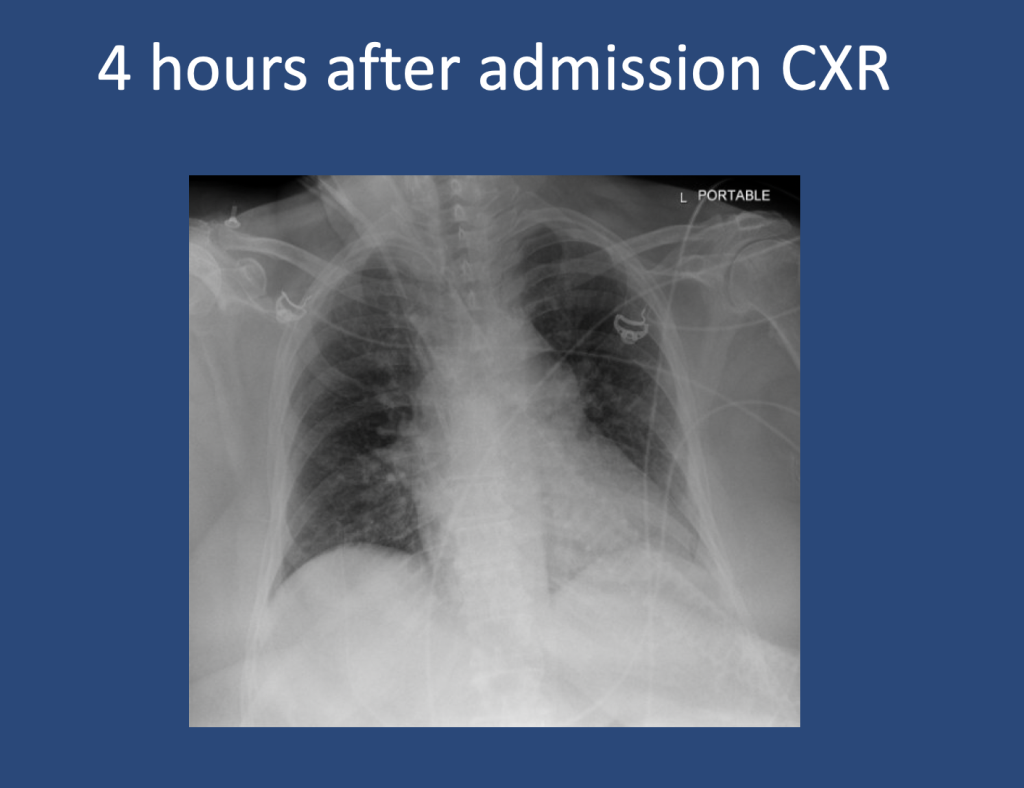
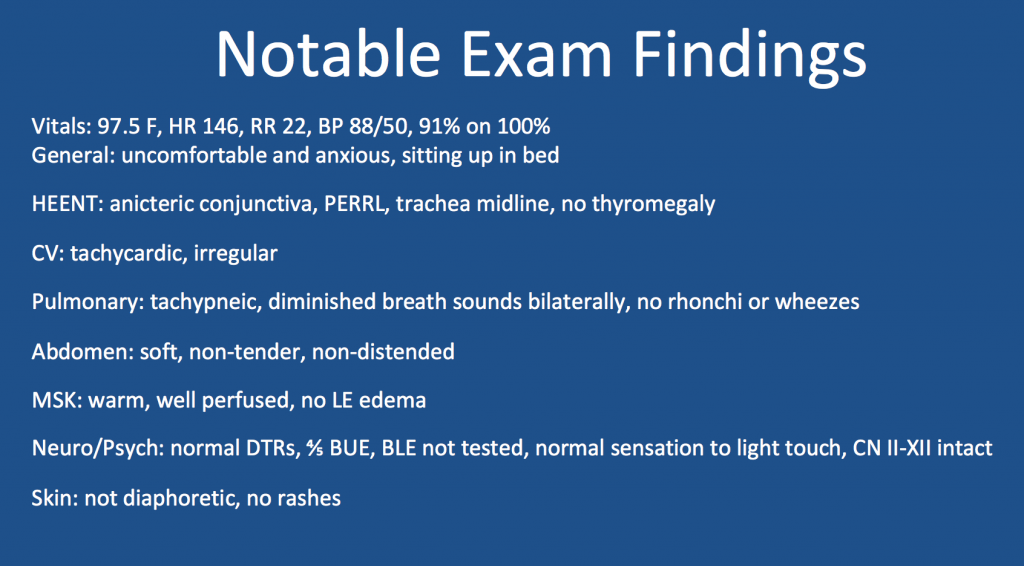
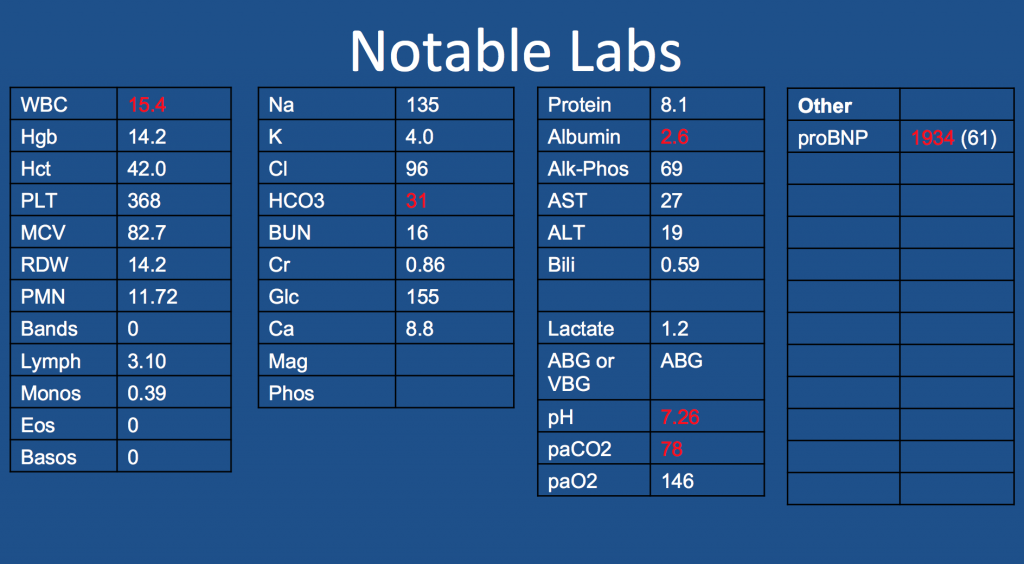
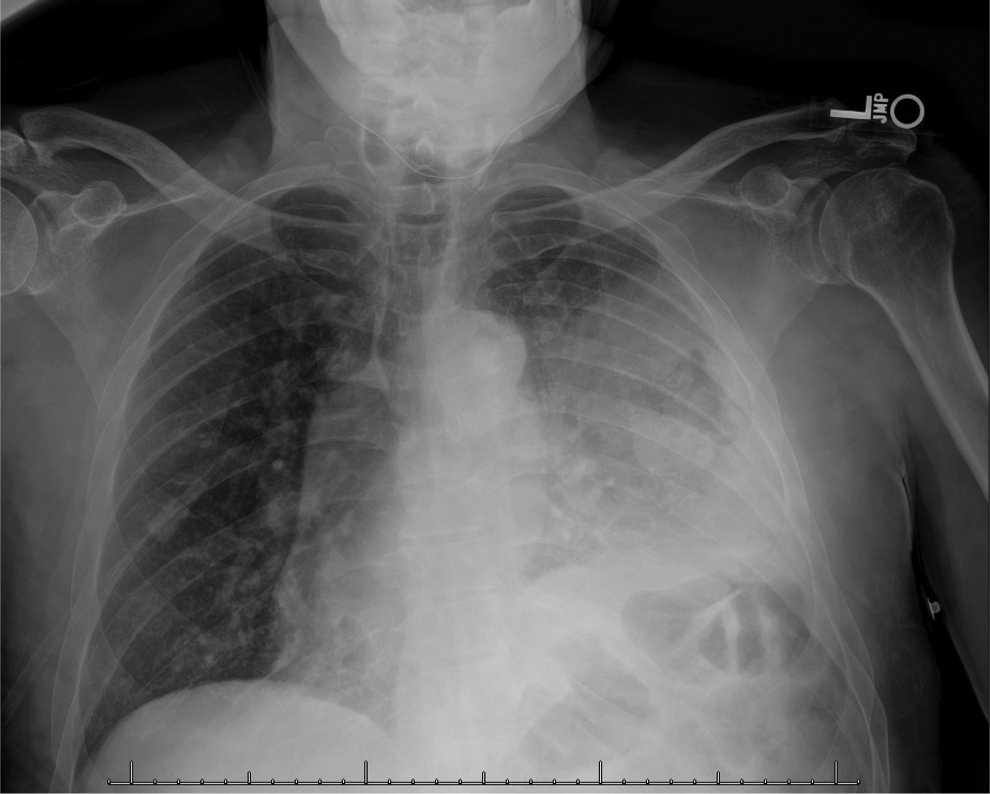
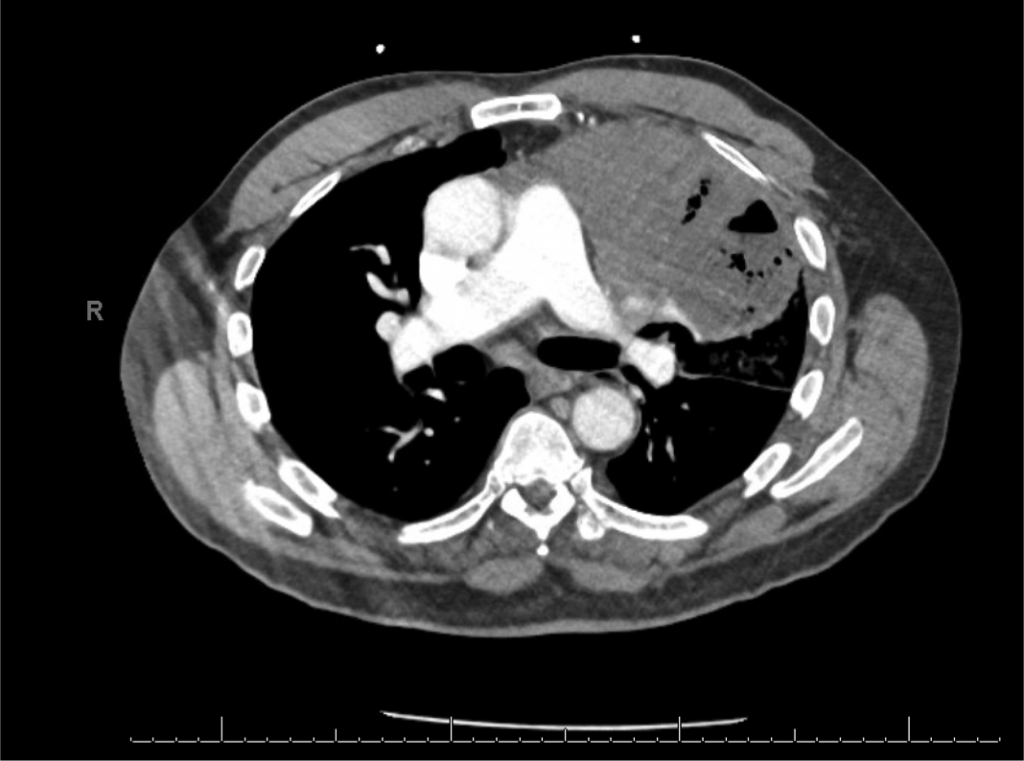
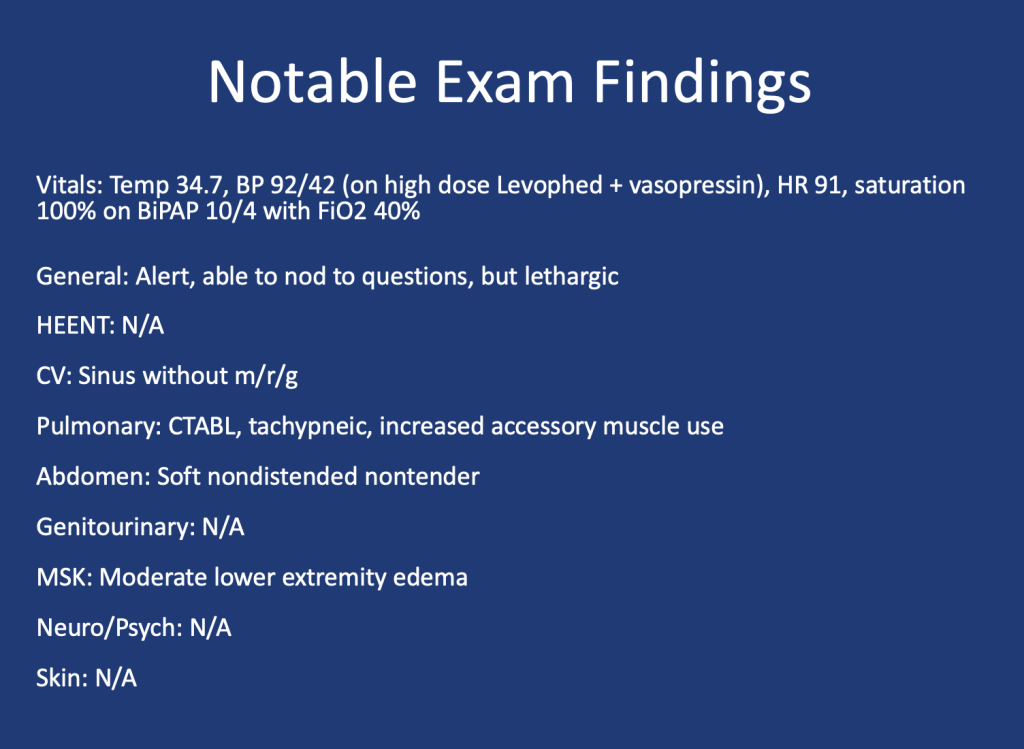
 A 75 y.o. female with a history of Hypertension, Hyperlipidemia, and Type 2 Diabetes presented for evaluation of hypoglycemia and generalized fatigue. She had felt poorly for about a week with symptoms of back pain, generalized weakness, and dyspnea, all of which acutely worsened on the day of presentation. 

She was found to be hypoglycemic with a blood glucose level in the to 40’s. Initial vital signs included a heart rate of 56, blood pressure of 70/40, respiratory rate of 30, and temperature of 28.5 degrees Celsius.
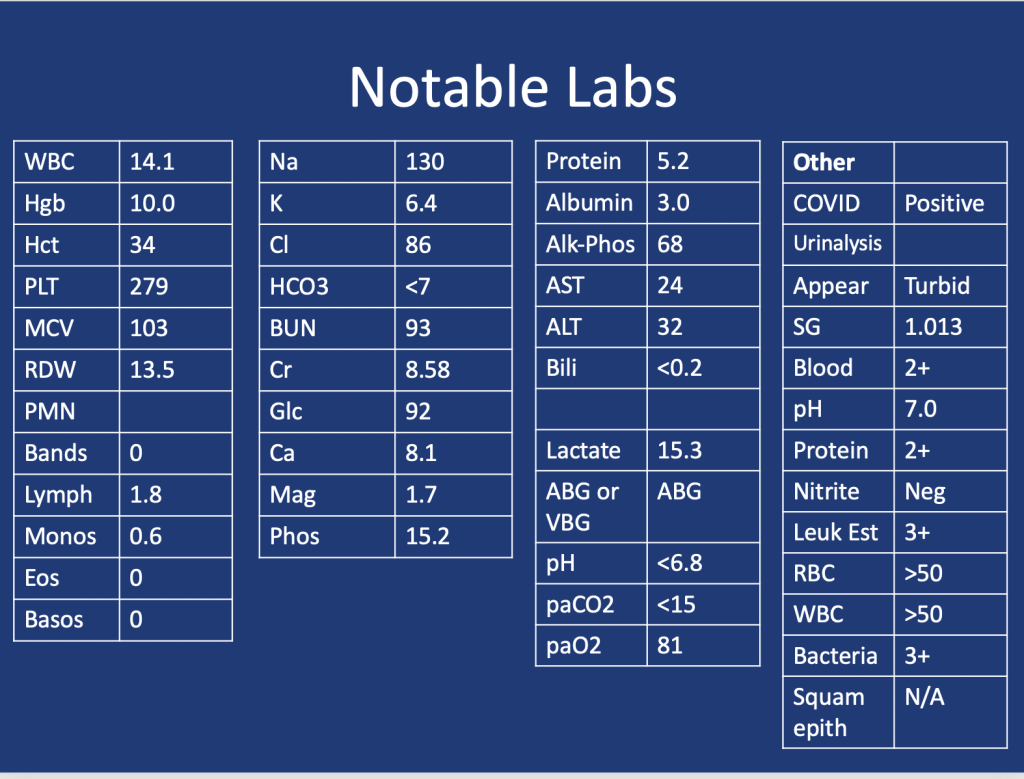
Lactic Acidosis: Type A, Type B and Type D

Type A: Typically secondary to conditions that impair oxygen delivery (respiratory failure, PE) to tissues or decrease tissue perfusion (severe anemia, shock). Patients typically present with hypotension, tachycardia, tachypnea, altered mental status, and signs of organ dysfunction.


Type B: Typically secondary to conditions that directly affect cellular metabolism or lactate clearance and characterized by the presence of hyperlactatemia without evidence of tissue hypoperfusion or hypoxia. Conditions associated include liver dysfunction (e.g., liver failure, cirrhosis), malignancies (especially hematological malignancies), medications/toxins (e.g., metformin, cyanide poisoning), inborn errors of metabolism, and mitochondrial disorders.

Type D: Less common presentation and can be seen in patients with short gut syndrome.

1.Blough B, Moreland A, Mora A Jr. Metformin-induced lactic acidosis with emphasis on the anion gap. Proc (Bayl Univ Med Cent). 2015 Jan;28(1):31-3. doi: 10.1080/08998280.2015.11929178. PMID: 25552792; PMCID: PMC4264704.

2.Callelo et al. Extracorporeal Treatment for Metformin Poisoning: Systematic Review and Recommendations From the Extracorporeal Treatments in Poisoning Workgroup. DOI: 10.1097/CCM.0000000000001002

3.Friesecke, S., Abel, P., Roser, M. et al. Outcome of severe lactic acidosis associated with metformin accumulation. Crit Care 14, R226 (2010). https://doi.org/10.1186/cc9376

4.Madias NE. Lactic acidosis. Kidney Int. 1986 Mar;29(3):752-74. doi: 10.1038/ki.1986.62. PMID: 3702227.

5. Stiller RH, Luks AM, Çoruh B. All That Raises Lactate Is Not Sepsis. ATS Sch. 2023 Jun 12;4(3):385-386. doi: 10.34197/ats-scholar.2023-0032OT.
74. Global Definition of ARDS

We have had a number of episodes on Acute Respiratory Distress Syndrome or ARDS. These episodes have ranged from how to titrate PEEP, subphenotypes in ARDS, and the future of ARDS research. Today, we are talking about how we all think about and define ARDS, and work that has highlighted a newer global definition of ARDS. 

Dr. Elisabeth Riviello is an Assistant Professor of Medicine at Harvard Medical School, and a PCCM physician at Beth Israeal Deconess Medical Center. She is also an Affiliate of the HMS Department of Global Health and Social Medicine and an honorary Associate Professor of Emergency Medicine and Critical Care at the University of Rwanda. She is passionate about improving critical care delivery in resource limited settings and has served on Committees for the World Health Organization. She is the Principal Investigator of BREATHE or the (Building Respiratory Support in East Africa Through High flow versus standard flow oxygen Evaluation); a RCT looking at HFNC in five sites in Kenya, Malawi, and Rwanda.

Dr. Theogen Twagirumugabe is an Anesthesiologist and Intensivist at the College of Medicine and Health Sciences, and a Professor at the University of Rwanda. In addition to clinical work, he has his PhD in Medical Sciences. He is a widely succesful researcher with over 70 publications in critical care and anesthesia delivery and is also a lead investigator in the BREATHE initiative.

Matthay MA, Arabi Y, Arroliga AC, Bernard G, Bersten AD, Brochard LJ, Calfee CS, Combes A, Daniel BM, Ferguson ND, Gong MN, Gotts JE, Herridge MS, Laffey JG, Liu KD, Machado FR, Martin TR, McAuley DF, Mercat A, Moss M, Mularski RA, Pesenti A, Qiu H, Ramakrishnan N, Ranieri VM, Riviello ED, Rubin E, Slutsky AS, Thompson BT, Twagirumugabe T, Ware LB, Wick KD. A New Global Definition of Acute Respiratory Distress Syndrome. Am J Respir Crit Care Med. 2024 Jan 1;209(1):37-47. doi: 10.1164/rccm.202303-0558WS. PMID: 37487152; PMCID: PMC10870872.

Riviello ED, Buregeya E, Twagirumugabe T. Diagnosing acute respiratory distress syndrome in resource limited settings: the Kigali modification of the Berlin definition. Curr Opin Crit Care. 2017 Feb;23(1):18-23. doi: 10.1097/MCC.0000000000000372. PMID: 27875408.

ARDS Definition Task Force; Ranieri VM, Rubenfeld GD, Thompson BT, Ferguson ND, Caldwell E, Fan E, Camporota L, Slutsky AS. Acute respiratory distress syndrome: the Berlin Definition. JAMA. 2012 Jun 20;307(23):2526-33. doi: 10.1001/jama.2012.5669. PMID: 22797452.

Radiology Rounds – 12/19/23

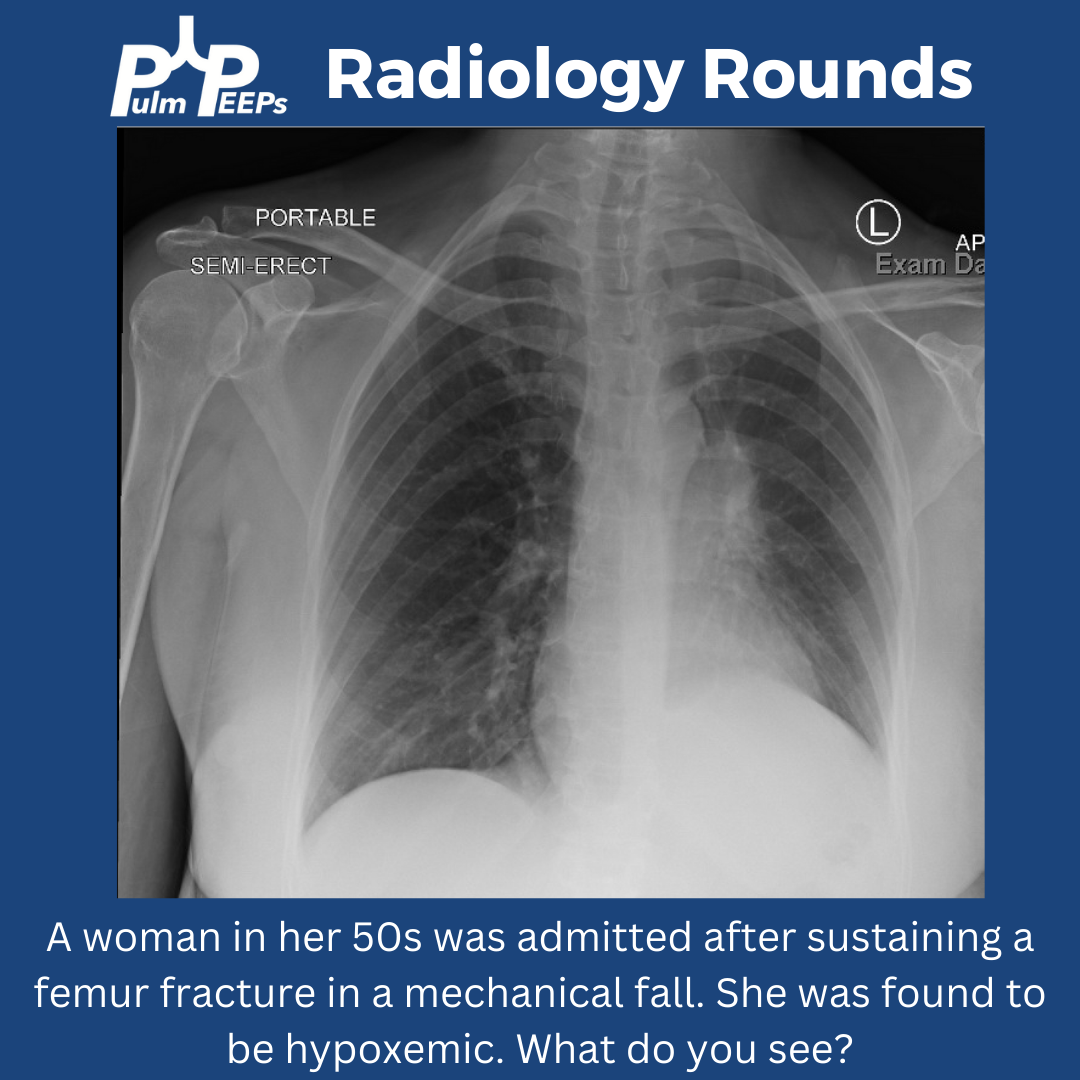
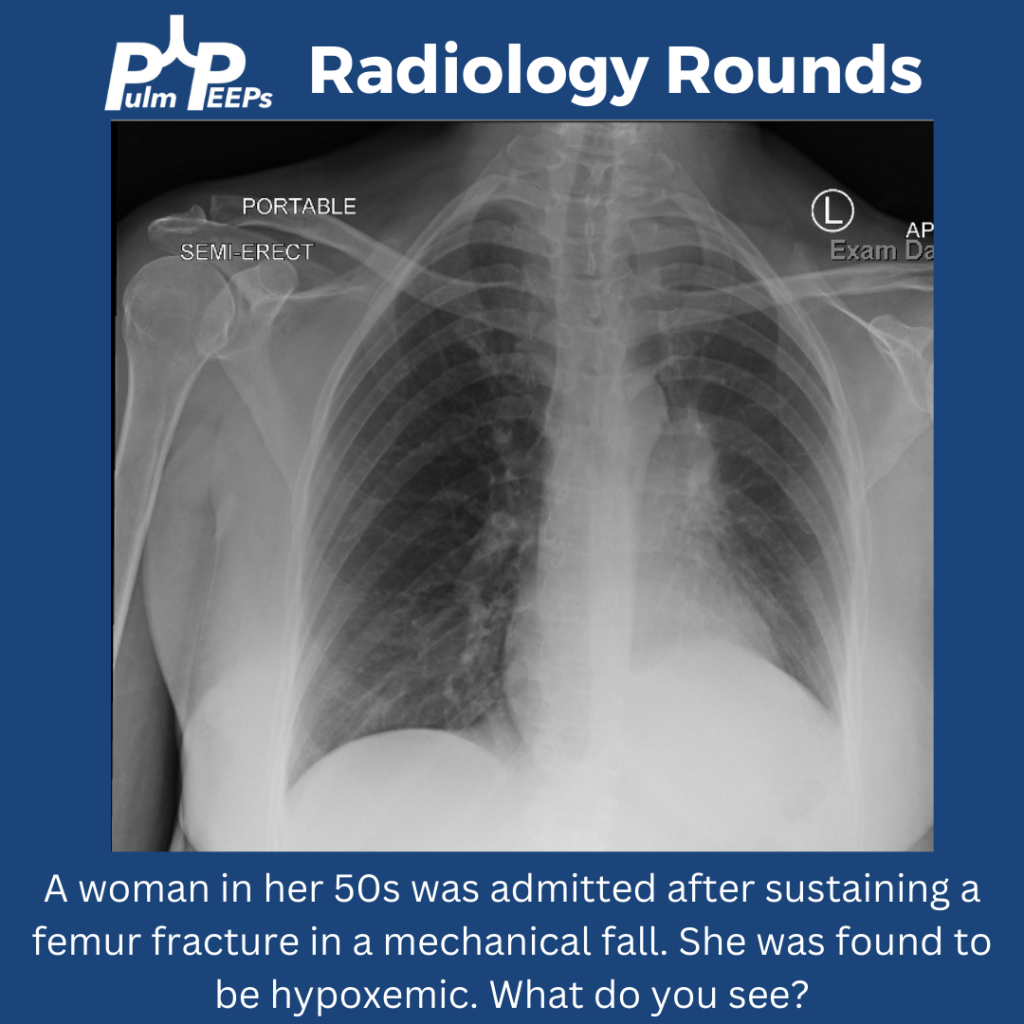
As we approach the end of the year, we know that the hospital and clinic keep on rolling, so here is a CXR and pulmonary differential based #RadiologyRounds if you’re on for the holiday blocks A woman in her 50s has hypoxemia after being admitted with a femur fracture

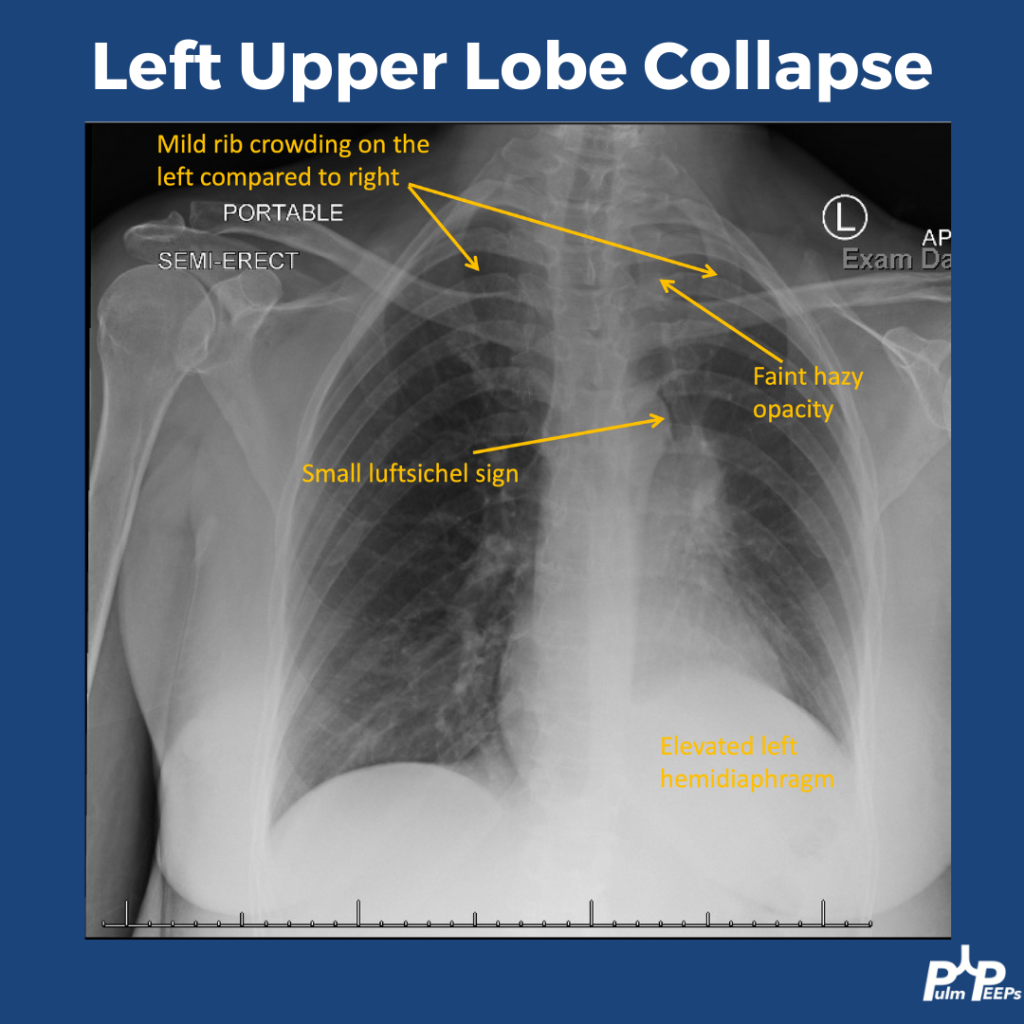
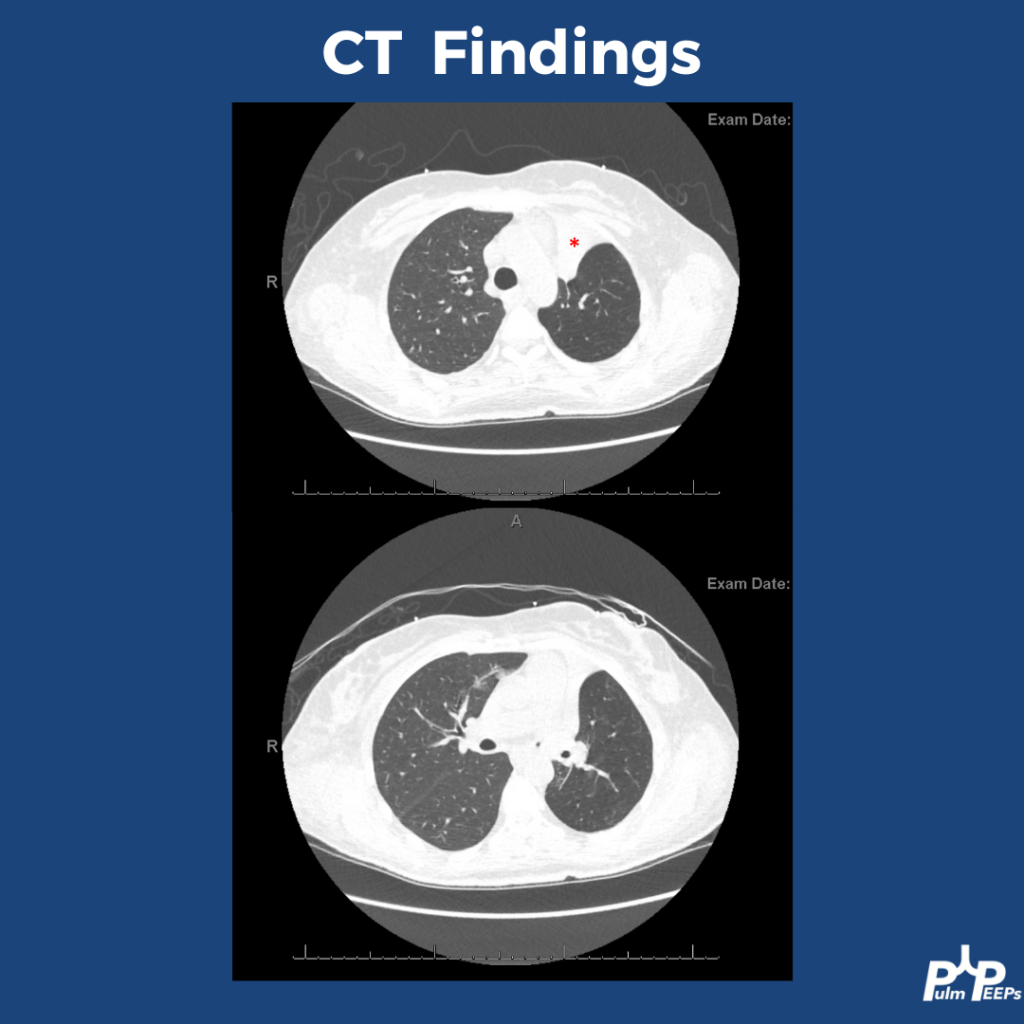
The CXR shows signs of a left upper lobe collapse. The upper lungs should be the most lucent, with increased opacity as you go down. LUL collapse can be subtle, but you can see increased haziness at the lung apex. There is also rib crowding and left hemidiaphragm elevation. You can also see a small luftsichel sign. Luftsichel sign is a thin strip of air that can be seen between the collapsed LUL and the superior mediastinum created by the still-aerated superior segment of the lower lobe. The collapse is better appreciated on CT.

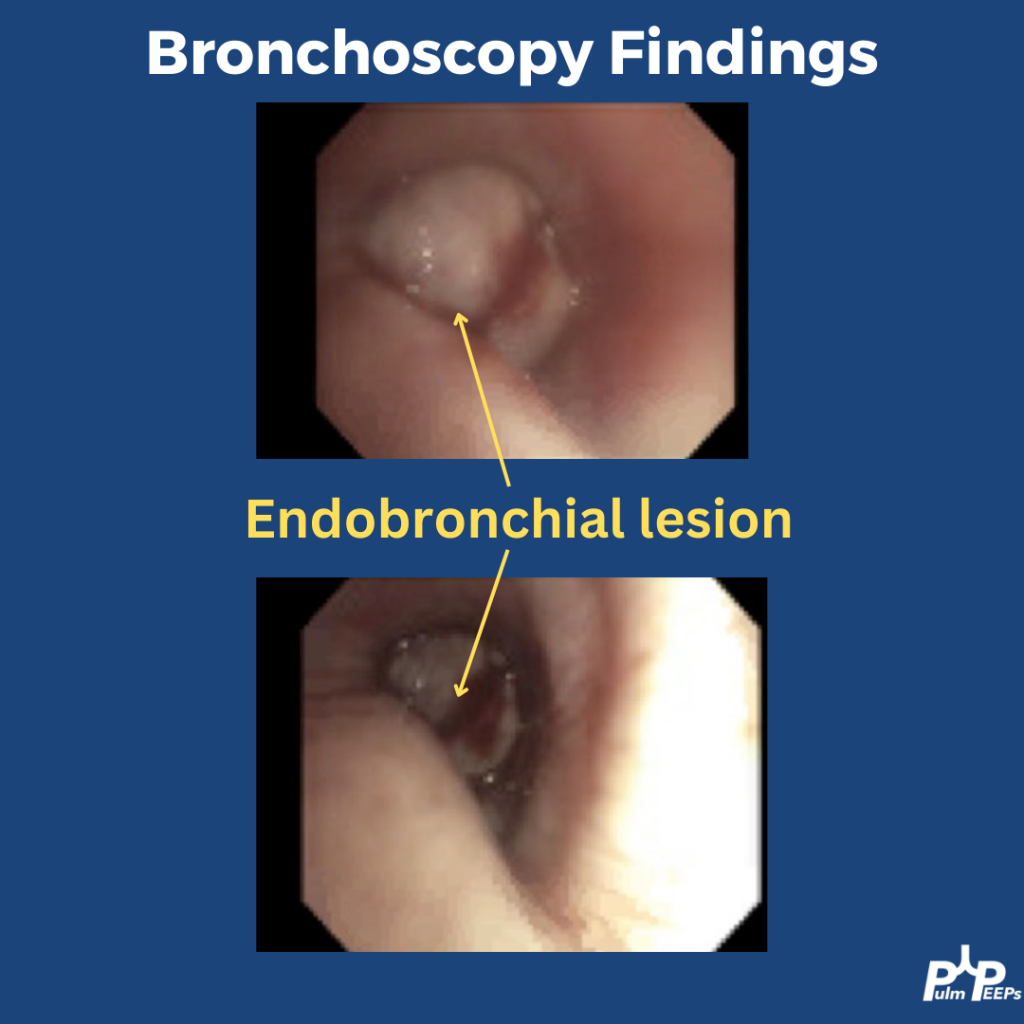
Bronchoscopy was performed to investigate the etiology of the lobar collapse. On the bronchoscopy there was an endobronchial lesion completely occluding the left upper lobe bronchus. The mass was biopsied and sent for histopathology

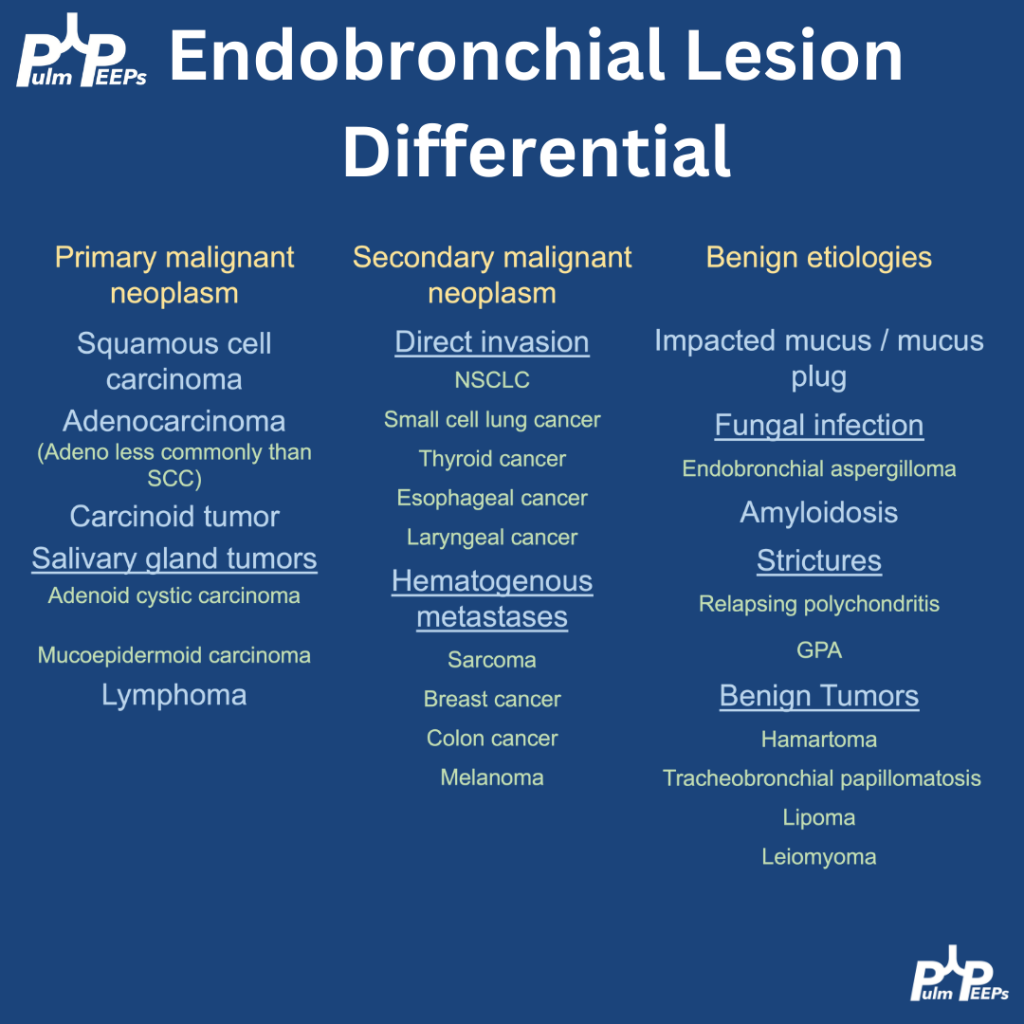
Endobronchial lesions can be malignant or benign, and within malignancy then can be primary or secondary. This patient had no clinical signs of pneumonia and no clear reason to mucus plug so malignancy was top of the differential. Here are differential considerations:

The pathology returned positive for a carcinoid tumor, which can typically arise as endbronchial lesions. PET/CT showed only local disease (femur fracture unrelated), and she is planned for rigid bronchoscopy with laser therapy and corecath ablation for definitive resection.

61. PulmPEEPs and ICU Ed and Todd-Cast: ACORN Trial

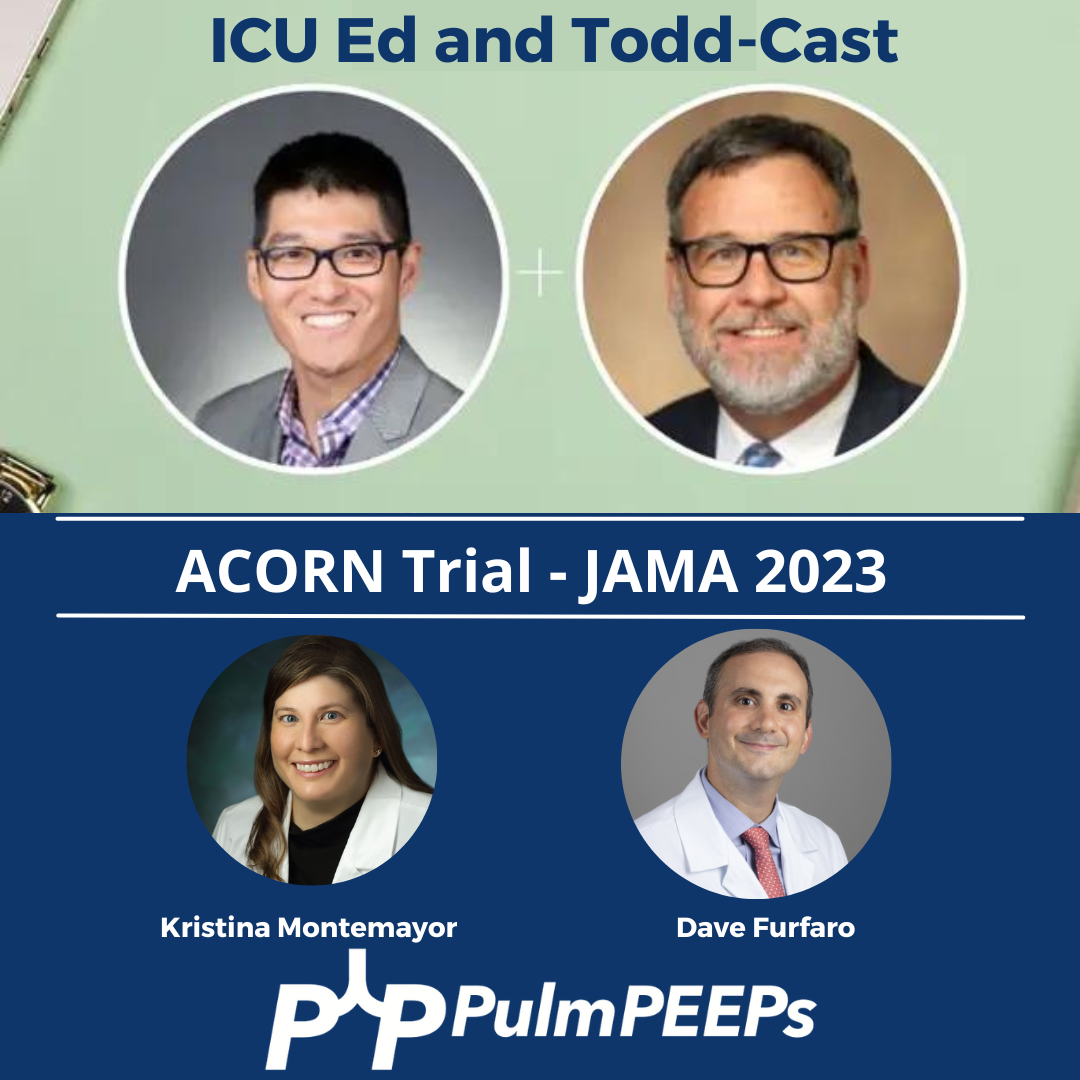
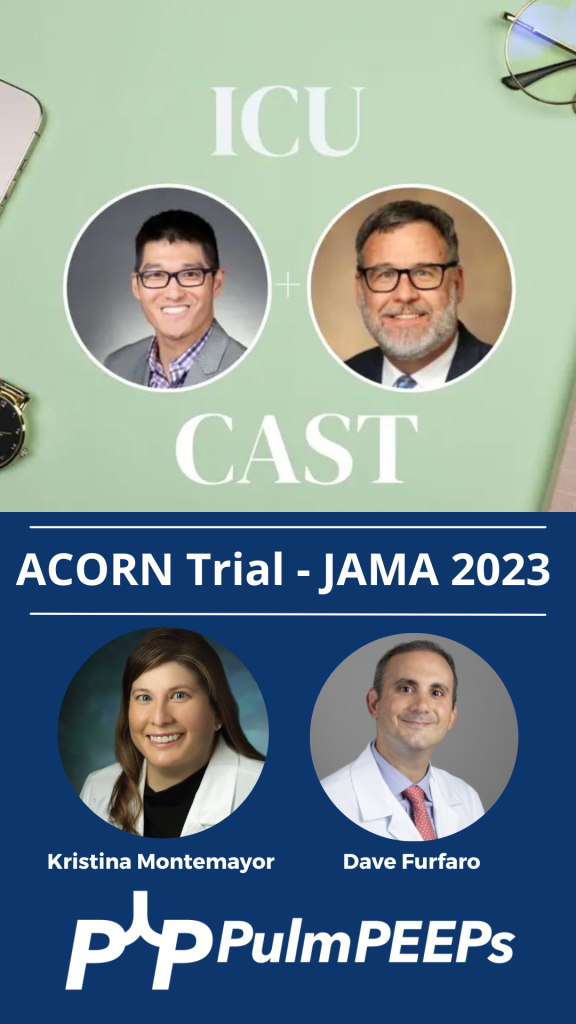
This week we are excited to bring you our podcast cross-over event as we are joined by Eddie Qian and Todd Rice, the co-founders of the ICU Ed and Todd-Cast. Listen today as we discuss the recent ACORN trial evaluating the use of Cefepime versus Pipercillin-Tazobactam in adults hospitalized with acute infection.

References: Qian ET, Casey JD, Wright A, Wang L, Shotwell MS, Siemann JK, Dear ML, Stollings JL, Lloyd BD, Marvi TK, Seitz KP, Nelson GE, Wright PW, Siew ED, Dennis BM, Wrenn JO, Andereck JW, Han JH, Self WH, Semler MW, Rice TW; Vanderbilt Center for Learning Healthcare and the Pragmatic Critical Care Research Group. Cefepime vs Piperacillin-Tazobactam in Adults Hospitalized With Acute Infection: The ACORN Randomized Clinical Trial. JAMA. 2023 Oct 24;330(16):1557-1567.

50. Rapid Fire Journal Club 2 – REDUCE Trial

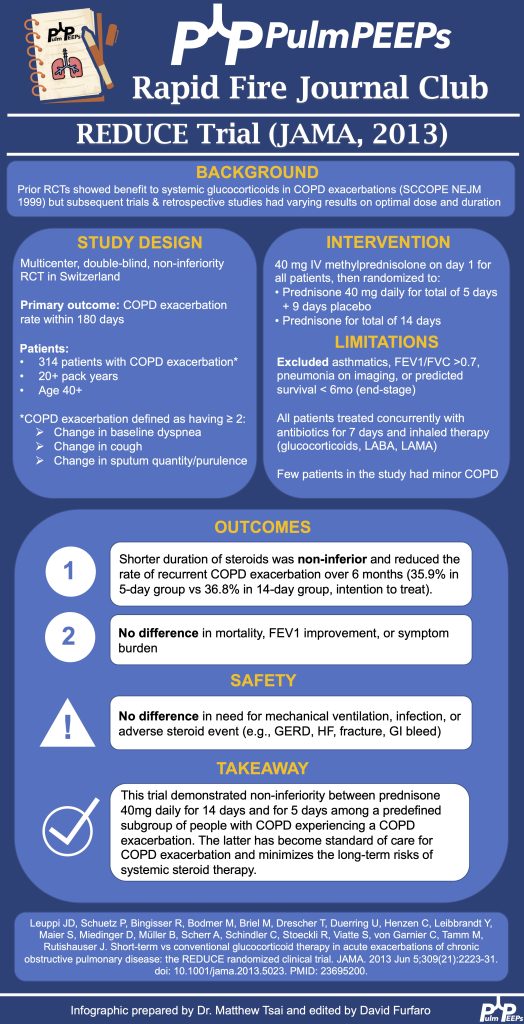
We’re back with our second episode of our Rapid Fire Journal Club. As a reminder, we will be reviewing articles in 10 minutes or less and sharing them with an infographic describing the findings of the trial. We are focusing on pulmonary trials to start.

Article and Reference

Today we’re talking about the 2013 REDUCE Trial in JAMA.

Reference: Leuppi JD, Schuetz P, Bingisser R, Bodmer M, Briel M, Drescher T, Duerring U, Henzen C, Leibbrandt Y, Maier S, Miedinger D, Müller B, Scherr A, Schindler C, Stoeckli R, Viatte S, von Garnier C, Tamm M, Rutishauser J. Short-term vs conventional glucocorticoid therapy in acute exacerbations of chronic obstructive pulmonary disease: the REDUCE randomized clinical trial. JAMA. 2013 Jun 5;309(21):2223-31. doi: 10.1001/jama.2013.5023. PMID: 23695200.

Infographic

This can be downloaded on our website and will be shared on Twitter and Instagram.

35. The Future of ARDS Research Roundtable

We are extremely excited for another PulmPEEPs Roundtable table discussion today. We have spent multiple episodes talking about different aspects of ARDS and respiratory failure. Today, multiple expert guests return, as well as a new guest to the show, to discuss the future of ARDS research. This is a can’t miss discussion that is so jam-packed with pearls you’ll have to listen twice!

Meet Our Guests

Carolyn Calfee is a Professor of Medicine and Anesthesia at the University of California, San Francisco. She is a world-renowned ARDS researcher and has authored multiple landmark studies in the field. She previously joined us for a discussion on ARDS precision medicine and phenotypes.

Ewan Goligher is an Assistant Professor at the University of Toronto and University Health Network. He has published many practice-changing papers in ARDS. These have included prospective studies and some fantastic retrospective analyses that have fundamentally shaped our interpretation of trial results.  He previously came on the show discussing lung and diaphragm protection.

Sarina Sahetya is an Assistant Professor of Medicine at Johns Hopkins. She is a funded researcher in ARDS and respiratory physiology and has published multiple studies on lung protection and ARDS. She last helped us understand how to titrate PEEP in ARDS.

Matthew Semler is an Assistant Professor of Medicine and Biomedical Informatics at Vanderbilt University Medical Center, where he is also the Associate MICU Director and the co-director of the Inpatient Division of the Learning Healthcare System at Vanderbilt. Through his role as Chair of the Steering Committee for the Pragmatic Critical Care Research Group, he has helped lead more than two dozen randomized trials leading to multiple high-impact publications.

33. Lung and Diaphragm Protective Ventilation Roundtable

Today the PulmPEEPs are discussing Lung and Diaphragm Protective Ventilation with two experts in the field. We are joined by Dr. Jose Dianti and Dr. Ewan Goligher.

Meet Our Guests

Dr. Jose Dianti is a clinical and research fellow at the University of Toronto and University Health Network. He completed his residency in Critical Care and worked as a critical care attending previously at the Hospital Italiano in Buenos Aires, Argentina. He is particularly interested in ventilator induced lung injury and personalized ventilation strategies. Dr. Ewan Goligher is an Assistant Professor at the University of Toronto and University Health Network, and is a world renowned researcher in the mechanisms of ventilator induced lung and diaphragm injury.

32. VV-ECMO Roundtable

For the first Pulm PEEPs episode of 2023, we are starting off with a bang and a Roundtable discussion about venovenous extracorporeal membrane oxygenation (VV-ECMO). VV-ECMO has been increasing in use in the intensive care unit for patients with severe respiratory failure, especially during the COVID-19 pandemic. We are joined by experts in the field, Cara Agerstrand, Eddy Fan, and Nida Qadir, to discuss the basics of how ECMO works, physiologic goals, when to use ECMO for patients with ARDS, and much more. Let us know your thoughts and stay tuned for more great content in 2023.

Meet Our Guests

Cara Agerstrand is an Associate Professor of Medicine at Columbia University Irving Medical Center / NewYork-Presbyterian Hospital, where she is also the Director of the Medical ECMO Program. She is an international renown ECMO expert and is the current Conference Chair for the Extracorporeal Life Support Organization (or ELSO). Finally, she is a lauded educator and has received the American College of Chest Physicians Distinguished Educator Award.

Eddy Fan is an Associate Professor at the University of Toronto, and the University Health Network / Mount Sinai Hospital. He is also the Director of Critical Research and the Medical Director of the Extracorporeal Life Support Program. He has literally 100s of publications about ARDS, ECMO, and critical care, chairs the ELSO Research Committee, and spearheads multiple international collaborative studies.

Nida Qadir is an Associate Professor at the University of California Los Angeles and is an Associate Director of the MICU, as well as the co-director of the Post-ICU Recovery Clinic. Nida is also on the Critical Care Editorial Board for CHEST and is a highly regarded pulmonary and critical care educator.

Key Learning Points

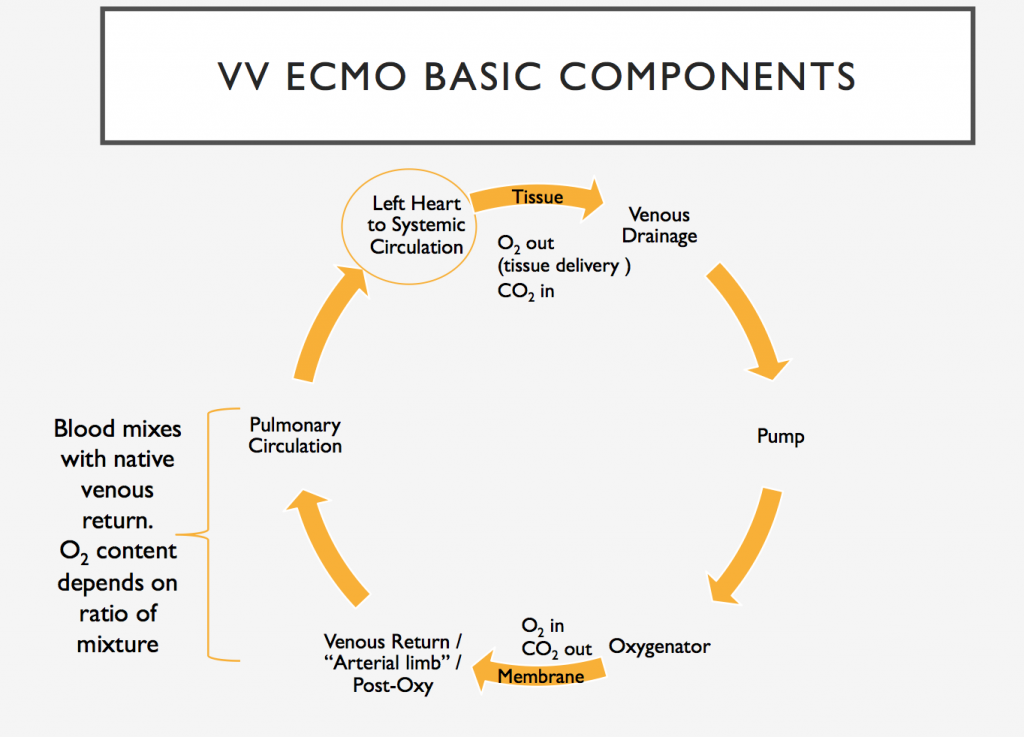
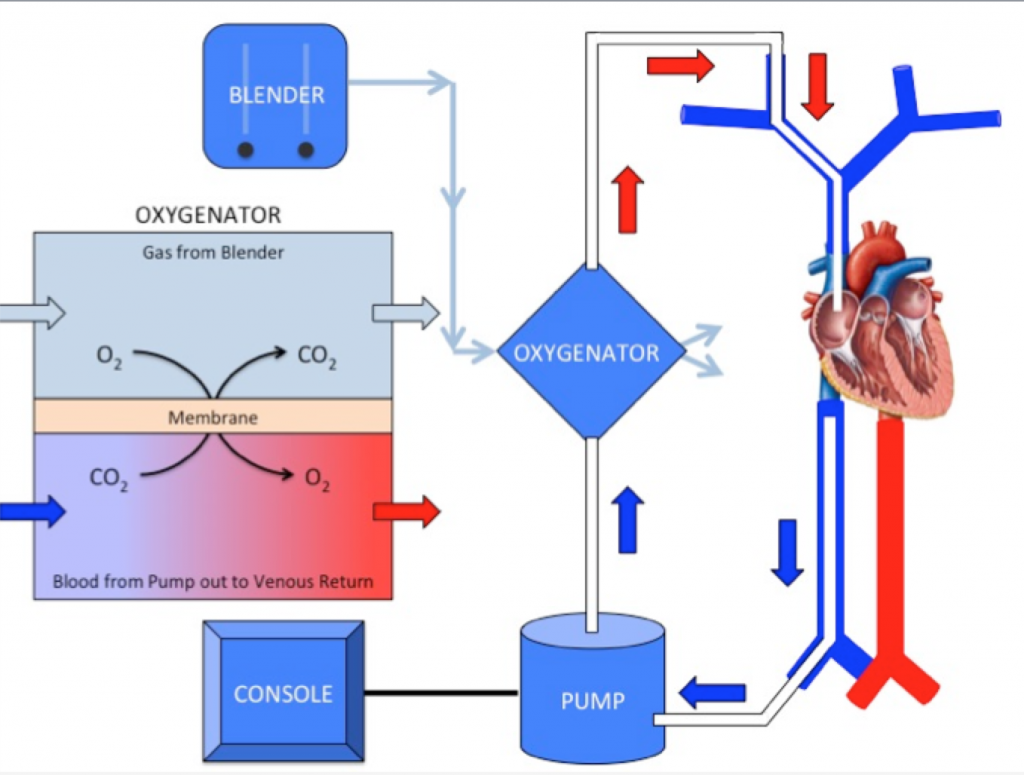
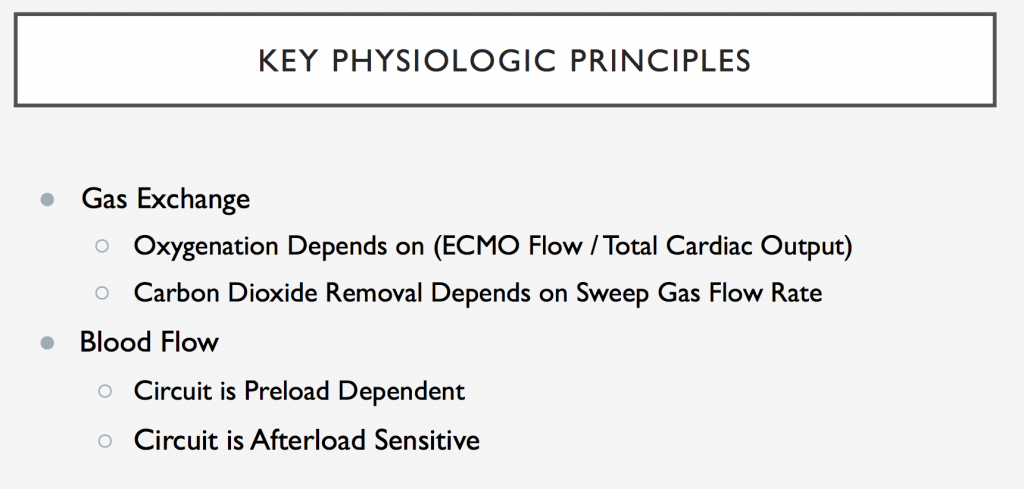
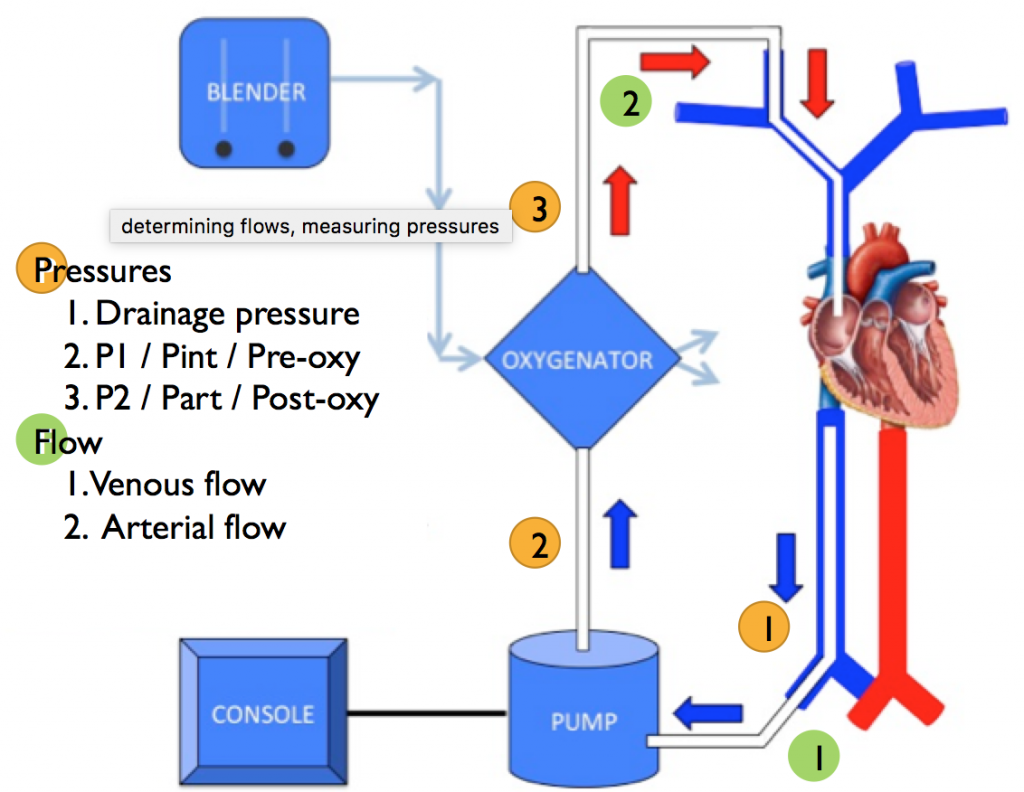
VV- ECMO Basic Components and Core Physiology

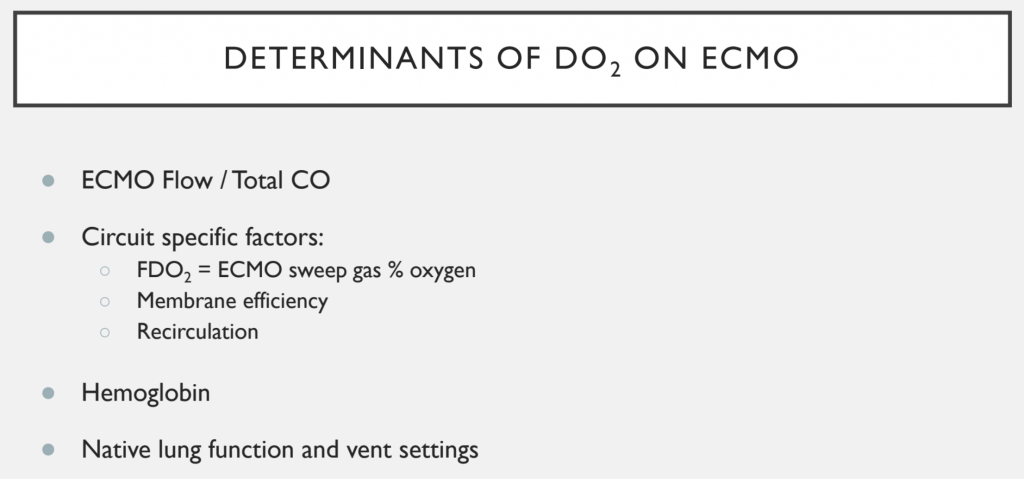
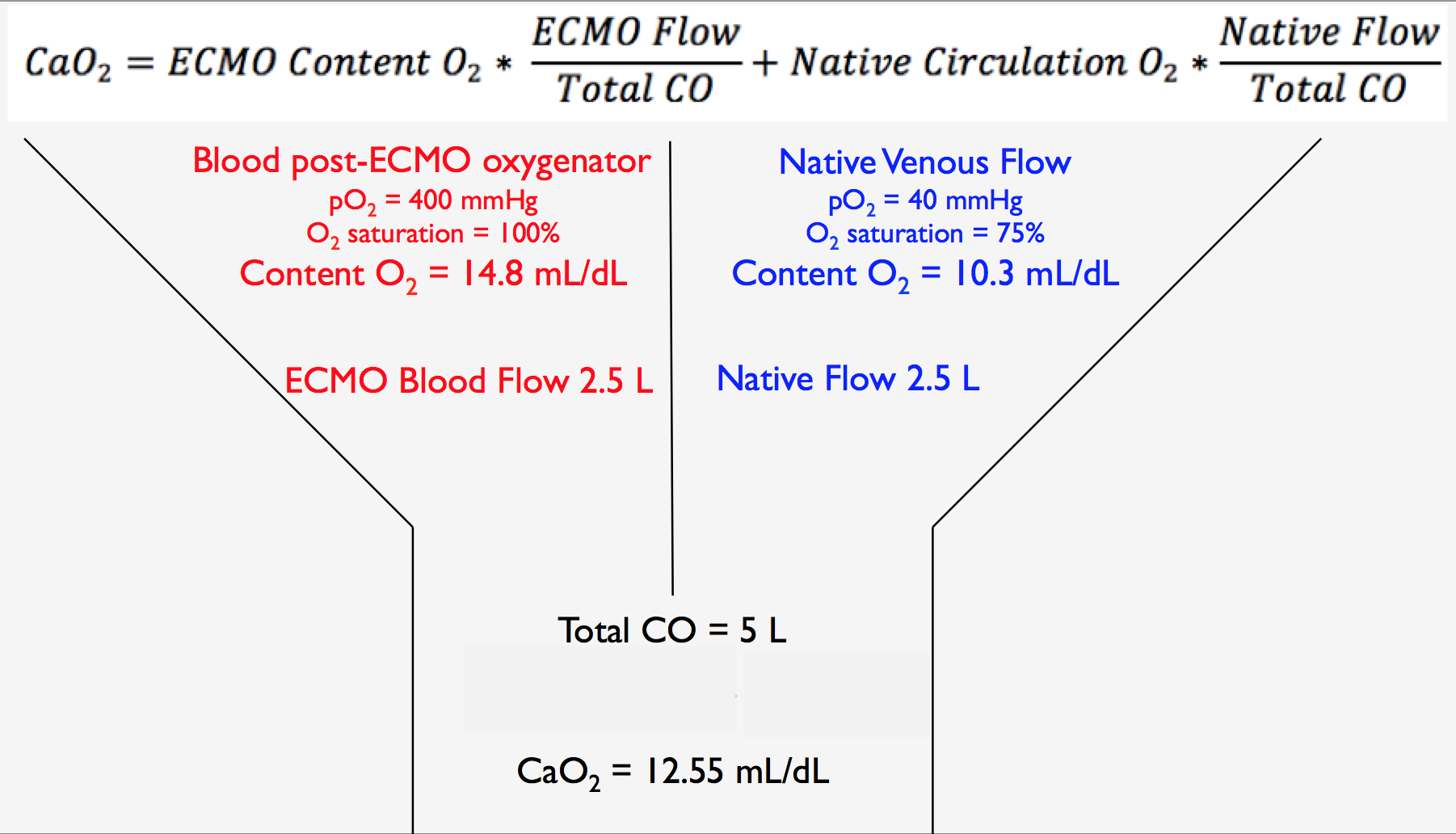
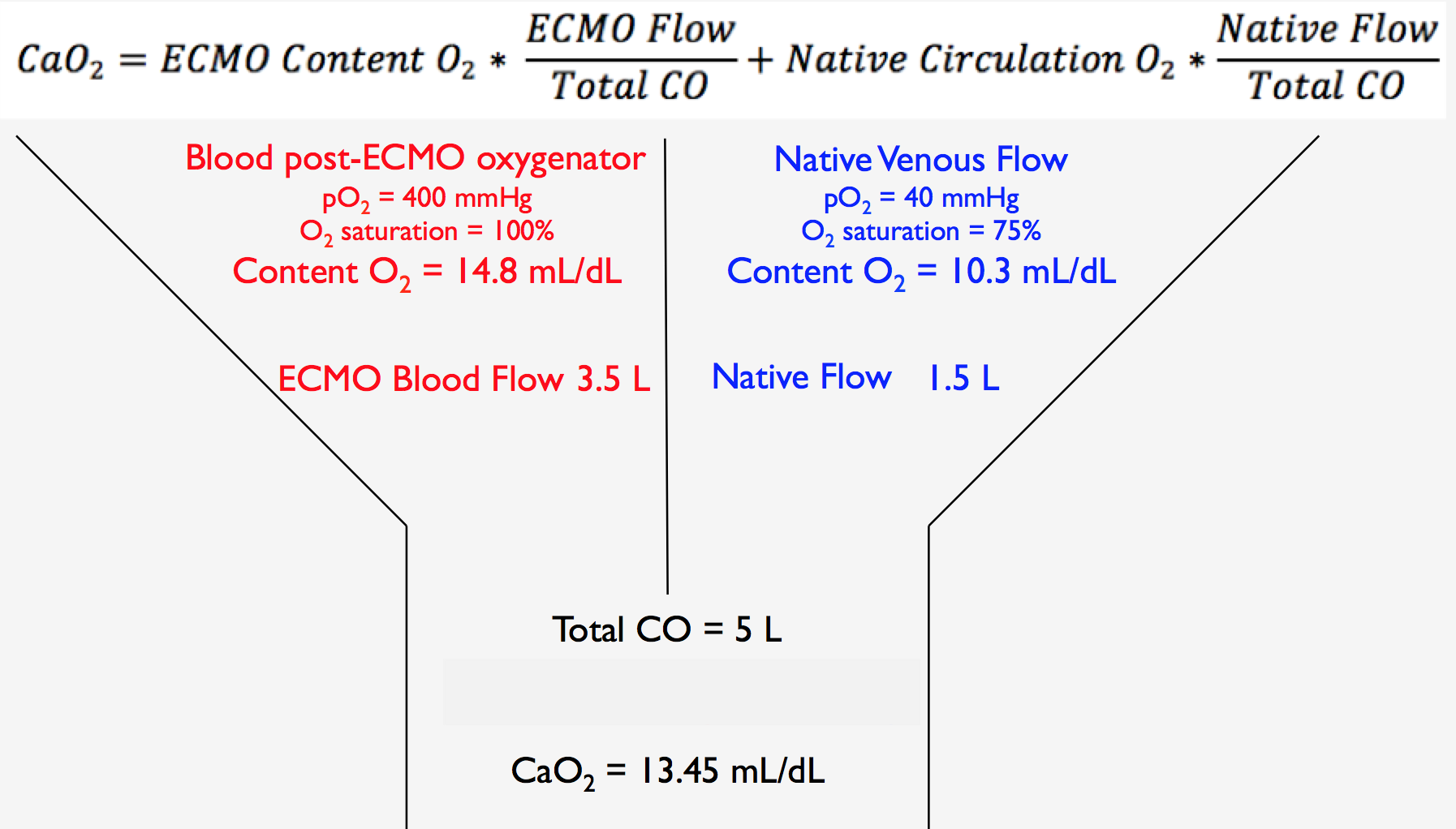
Oxygenation Delivery on VV-ECMO

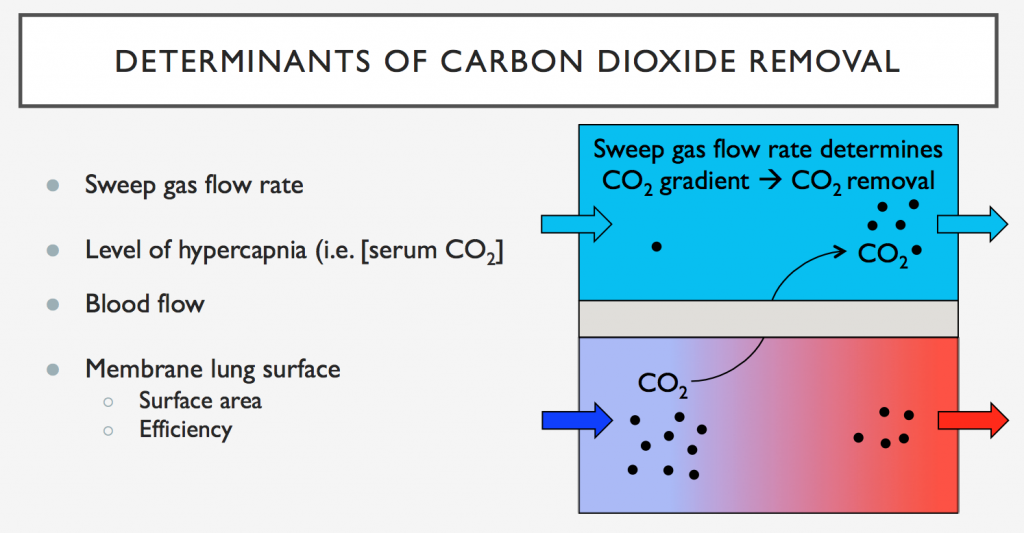
Carbon Dioxide Removal on VV-ECMO

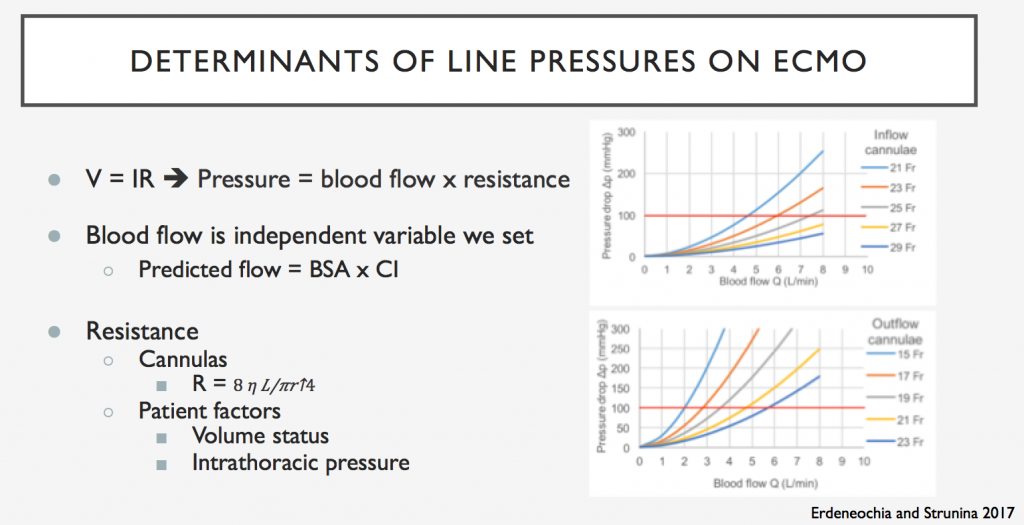
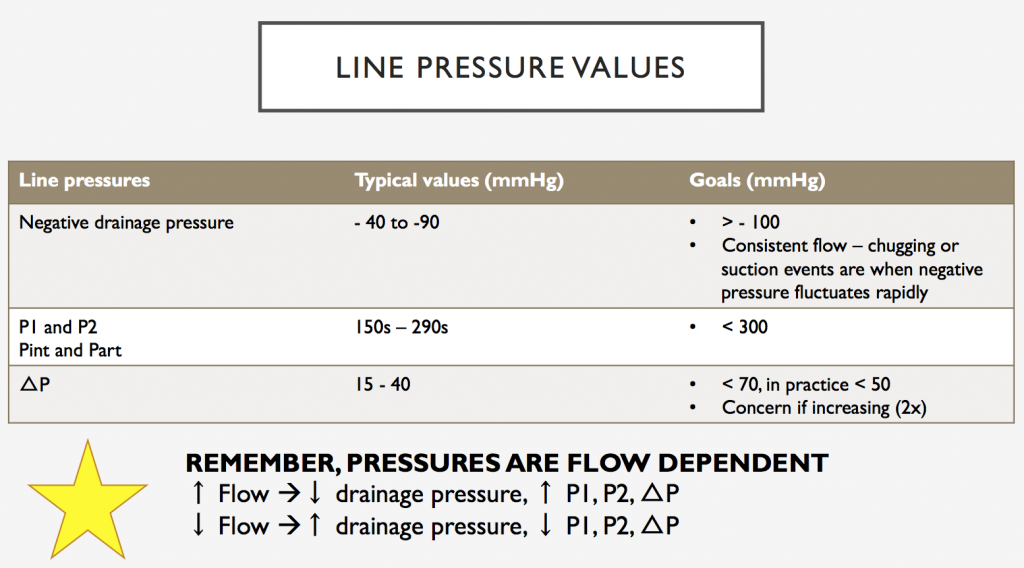
Flows and Line Pressures on VV-ECMO

ECMO for ARDS

  • Should be considered after conventional therapies have failed (including ventilator optimization and proning)
  • Allows for ultra-lung protective ventilation
  • Lung rest means settings that minimize ventilator-induced lung injury
  • EOLIA Trial (see below) shows that ECMO can be delivered safely, and likely has a benefit in severe ARDS, although the magnitude of that benefit remains uncertain. A Bayesian re-analysis showed a high likelihood of benefit even if skeptical of ECMO

ECMO For Bridge to Lung Transplant

  • Allows for patients to maintain gas exchange while awaiting transplant
  • Ideally done with patient extubated
  • Can allow for patients to maintain nutrition and mobility while awaiting transplant

References and Further Reading

  1. Brodie D, Bacchetta M. Extracorporeal Membrane Oxygenation for ARDS in Adults. N Engl J Med. 2011;365(20):1905-1914. doi:10.1056/NEJMct1103720
  2. Munshi L, Brodie D, Fan E. Extracorporeal Support for Acute Respiratory Distress Syndrome in Adults. NEJM Evidence. 2022;1(10):EVIDra2200128. doi:10.1056/EVIDra2200128
  3. Combes A, Hajage D, Capellier G, et al. Extracorporeal Membrane Oxygenation for Severe Acute Respiratory Distress Syndrome. New England Journal of Medicine. 2018;378(21):1965-1975. doi:10.1056/NEJMoa1800385
  4. Goligher EC, Tomlinson G, Hajage D, et al. Extracorporeal Membrane Oxygenation for Severe Acute Respiratory Distress Syndrome and Posterior Probability of Mortality Benefit in a Post Hoc Bayesian Analysis of a Randomized Clinical Trial. JAMA. 2018;320(21):2251-2259. doi:10.1001/jama.2018.14276
  5. Erdeneochir E, Strunina S. Analysis of blood flow in extracorporeal membrane oxygenation circuit. Published online 2017.
  6. Schmidt M, Pham T, Arcadipane A, et al. Mechanical Ventilation Management during Extracorporeal Membrane Oxygenation for Acute Respiratory Distress Syndrome. An International Multicenter Prospective Cohort. Am J Respir Crit Care Med. 2019;200(8):1002-1012. doi:10.1164/rccm.201806-1094OC
  7. Tonna JE, Abrams D, Brodie D, et al. Management of Adult Patients Supported with Venovenous Extracorporeal Membrane Oxygenation (VV ECMO): Guideline from the Extracorporeal Life Support Organization (ELSO). ASAIO Journal. 2021;67(6):601-610. doi:10.1097/MAT.0000000000001432
  8. Hayanga JWA, Hayanga HK, Holmes SD, et al. Mechanical ventilation and extracorporeal membrane oxygenation as a bridge to lung transplantation: Closing the gap. J Heart Lung Transplant. 2019;38(10):1104-1111. doi:10.1016/j.healun.2019.06.026

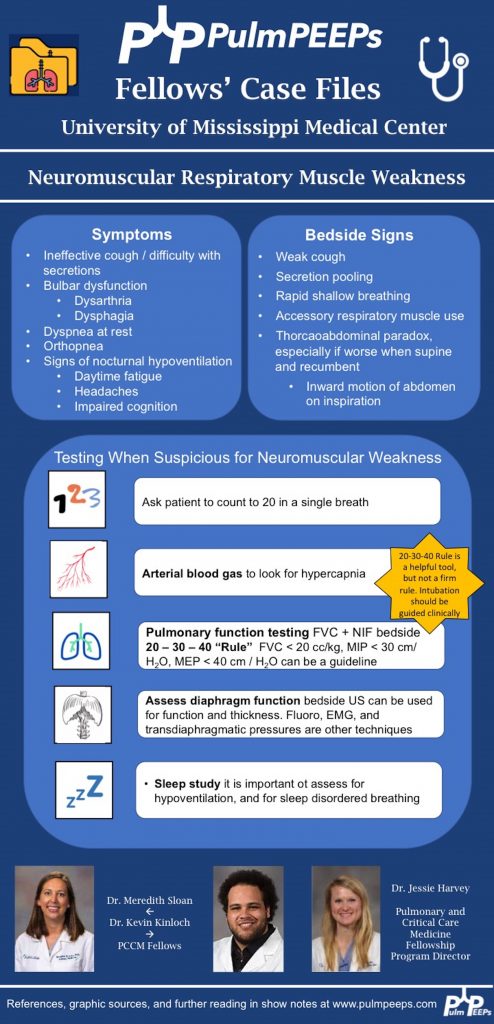
30. Fellows’ Case Files: University of Mississippi Medical Center

We’re excited to be back with another episode in our Pulm PEEPs Fellows’ Case Files series! This is a particularly exciting case since it is our first episode where some intrepid fellows reached out to us with an interesting case they had encountered. If you have a great case, please let us know and you can follow in their footsteps! Pack your bags, and let’s head to Mississippi to learn about another great pulmonary and critical care case.

Meet our Guests

Meredith Sloan is a pulmonary and critical care fellow at the University of Mississippi. She completed her medical school at the Medical University of South Carolina College of Medicine, and her residency at the University of Mississippi.

Kevin Kinloch is a senior fellow at the University of Mississippi Medical Center where he also completed his internal medicine residency. He completed medical school at Meharry Medical College.

Jessie Harvey is an Associate professor of Medicine at the University of Mississippi and is the Pulmonary and Critical Care Program Director. She is also the Director of the MICU, and has been at MMC since medical school. She is a dedicated educator and leads the POCUS curriculum for IM residents and PCCM fellows

Patient Presentation

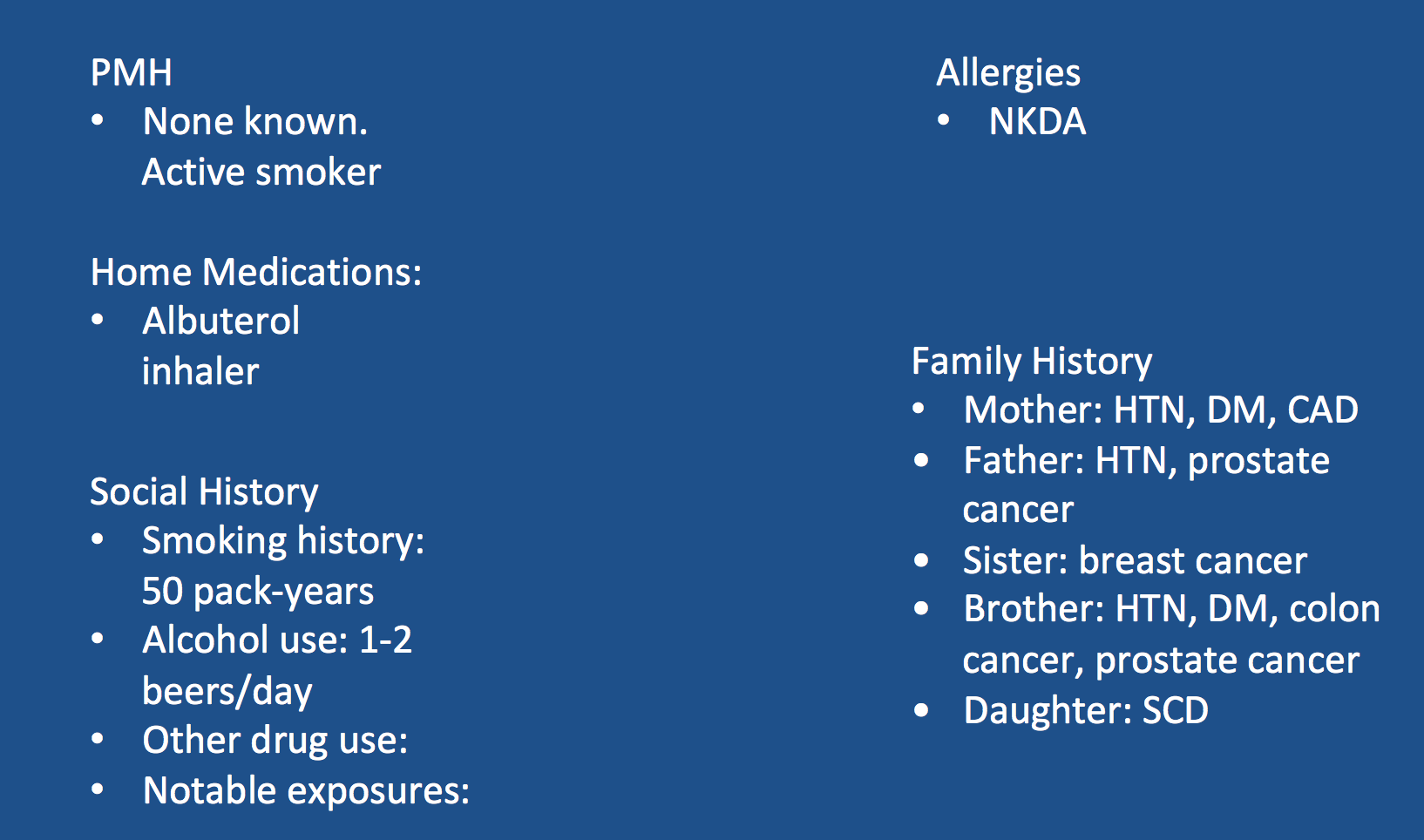
A 65-year-old man presented to the ED with worsening hemoptysis over the last several days after a recent lung biopsy. The patient is an active smoker with at least a 50-pack-year history, and he had been having a cough with small-volume hemoptysis. He ultimately had a chest CT that revealed a large LUL mass (10.3 x 6.4 cm). Given this suspicious mass, three days prior to his ED presentation, he was taken for bronchoscopy with BAL, transbronchial biopsies, endobronchial biopsy, EBUS guided TBNA of 11L, along with TBNA, brushing and radial EBUS TBNA of his left upper lobe mass.

Key Learning Points

**Spoilers Ahead** If you want to think through the case on your own we advise listening to the episode first before looking at these points.

Staging procedures for masses

  • Enough tissue so we can make a diagnosis and do molecular testing
  • Highest staging when getting your biopsy

POCUS for respiratory failure

  • Absence of lung slidings
    • Especially post procedure
  • The presence of a new pleural effusion after a procedure could indicate hemothorax
    • Hematocrit sign – an echogenic layering of material in an effusion
  • New B-lines, especially if prior there were only A-lines
    • Cardiogenic or non-cardiogenic pulmonary edema, alveolar hemorrhage, or infection
  • Diaphragmatic function
    • Excursion
    • Diaphragm thickness

References and Further Reading

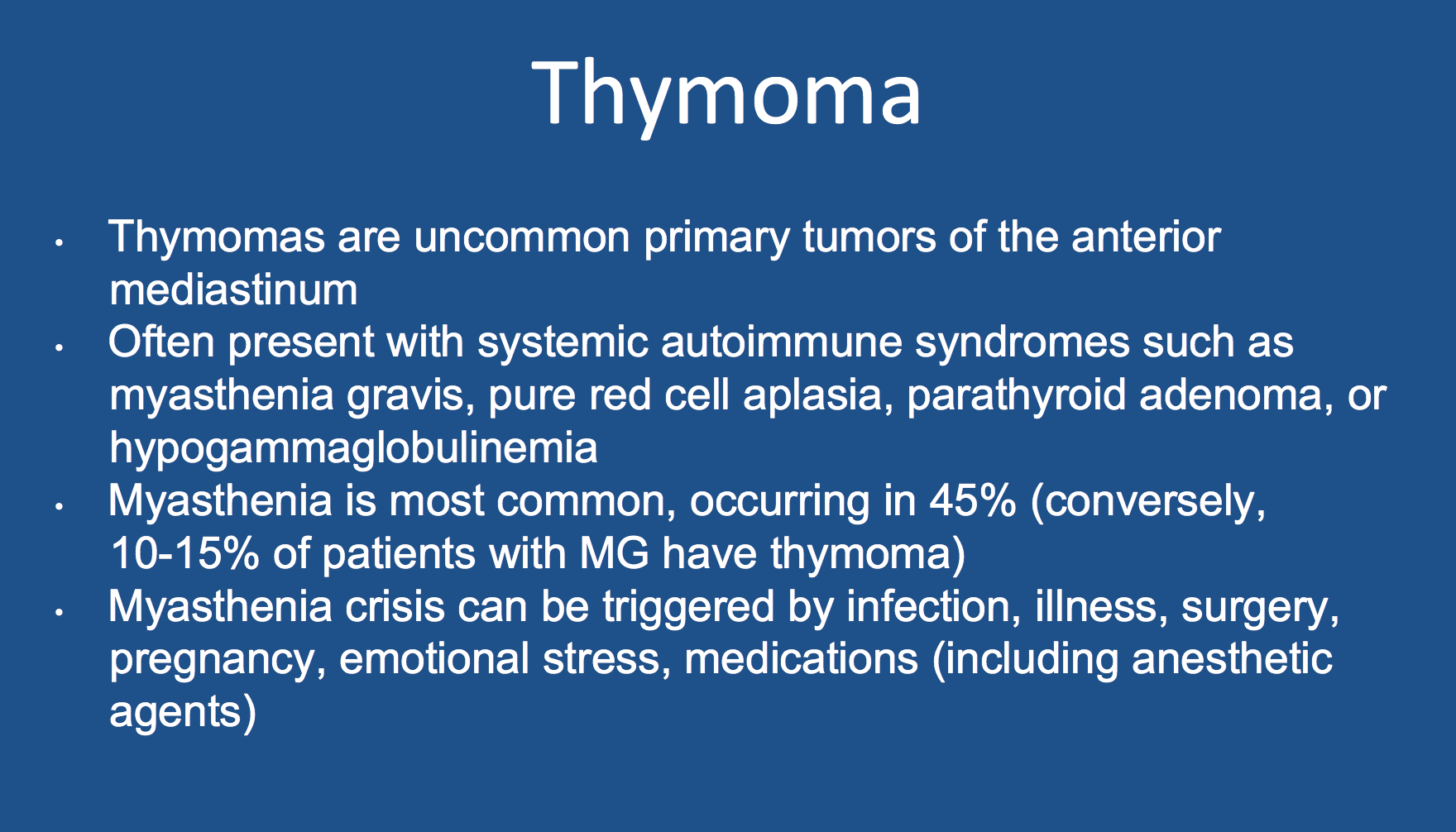
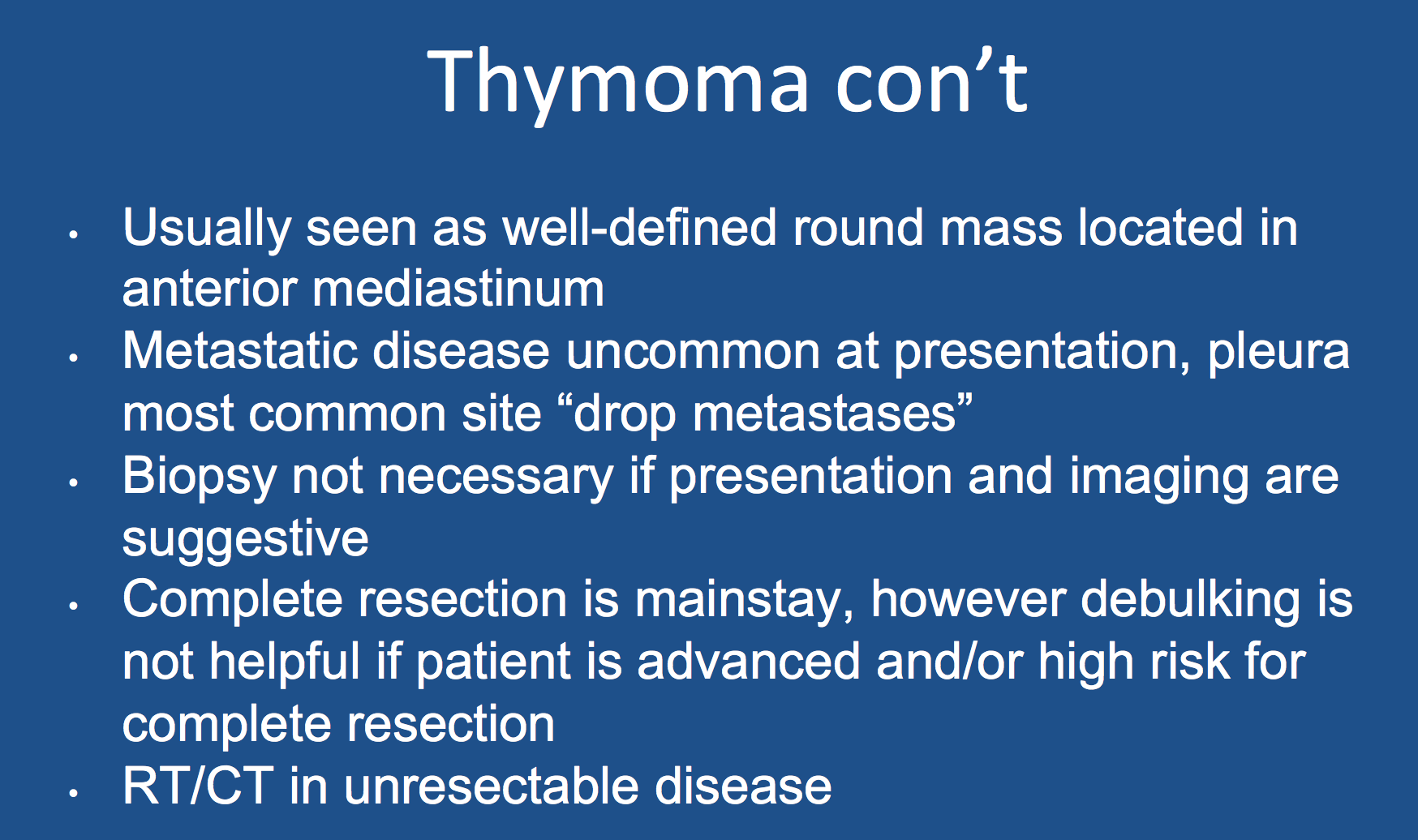
1.Scorsetti M, Leo F, Trama A, D’Angelillo R, Serpico D, Maerelli M, Zucali P, Gatta G, Garassino MC. Thymoma and thymic carcinomas. Critical Reviews in Oncology/Hematology. 2016; 99:332-350.

2. Singh TD, Wijdicks EFM. Neuromuscular respiratory failure. Neurol Clin 2021; 39:333-353.

29. Long COVID Roundtable

This week on Pulm PEEPs, Dave and Kristina are joined by Jason Maley and Ann Parker, two pulmonary and critical care physicians who are leaders in treating patients with Long COVID, or Post-Acute Sequelae of SARS-CoV-2. Both of them help run the Long COVID clinics at their respective institutions and are part of broader consortiums dedicated to patient care. They also both participate in research to improve outcomes for patients with Long COVID and Post-Intensive Care Syndrome. In this conversation, we cover the diagnosis of Long COVID, common symptoms, abnormal test findings, possible mechanisms of disease, the impacts of variants and vaccines, treatments, and the natural history of this condition. We hope this will be helpful for providers, patients, and family members.

Meet Our Guests

Jason Maley is an Assistant Professor of Medicine at Beth Israel Deaconess Medical Center and Harvard Medical School. He is the Director of the BIDMC Critical Illness and COVID-19 Survivorship Program, and the Co-Chair of the American Academy of Physical Medicine and Rehabilitation Postacute Sequeleae of SARS-CoV-2 infection (PASC) initiative. He is NIH funded to study post-COVID patients.

Ann Parker is an Assistant Professor of Medicine at Johns Hopkins and is the Co-Director of the Johns Hopkins Post-Acute COVID-19 team. She is NIH funded with her research focusing on survivors of respiratory failure and critical illness.

Key Learning Points

Long COVID or Post-Acute Sequelae of SARS-CoV-2 or Post-COVID condition

  • Long COVID was first described this way by patients so this is the common nomenclature that is used. It is also referred to as Post-Acute Sequelae of SARS-CoV-2 or Post-COVID condition
  • Defined by patients that have not returned to their baseline health 3 months after their acute episode of COVID-19
  • Major organizations in describing this disease and doing research are:
    • World Health Organization
    • Multiple patient-led organizations
    • CDC – INSPIRE
    • NIH – RECOVER

Post-COVID Clinic

  • Seeing patients across the spectrum of illness. Not all patients had to be critically ill or hospitalized
    • The standard patient has changed over time and now the vast majority had a mild initial illness, but afterward had unusual and persistent symptoms
  • Patients are generally referred by their PCP or self-referred
  • The criteria for being seen in clinic are very loose to make sure patients are not excluded
    • Many patients do not have a confirmed case of COVID since patients early in the pandemic often did not have a positive test available, and now many people are testing positive at home
  • Initial records review to make sure that can help patients
  • Standardized questionnaires
    • Screening for physical impairment, mental health impairment, and cognitive impairment
  • Rehabilitation and multi-disciplinary based approach
  • It is extremely important to be aware of the bias in patient populations in Post-COVID clinics
    • The population that can make it to clinic may not, and does not, represent all patients who have had COVID or have Long COVID. Patients may be limited in their ability to get to clinic based on their physical condition, financial resources, location, support, and language barriers.

Overlap of Long COVID and PICS

  • These conditions are very similar and certainly have a lot of overlap
  • For patients coming out of the ICU, screening should start with looking for known PICS symptoms.
    • These domains are mental health, physical impairment, and cognitive function
  • There may be some unique aspects, such as:
    • Severe persistent fatigue
    • Extreme changes in taste and smell

Common symptoms

  • Many symptoms are complex and multifactorial
  • Neuropsycholgoicl impairment – termed “brain fog”
    • Difficulty with concentration, and cognition
  • Anxiety
  • Depression
  • Persistent shortness of breath
    • Dyspnea can be reported even with just talking for long periods of time
    • “Deep breaths are just not satisfying”
  • Cough
  • Chest pain
  • Dysautonomia
    • Palpitations, dizziness, orthostasis
  • Fatigue
  • Post-exertional malaise
  • Cognitive blunting or “brain fog”
  • Changes in sleep
  • Headaches

Common findings on testing in patients with Long COVID

  • Shortness of breath
    • Some may have impaired diffusion (low DLCO) on PFTs
    • However, often patients have normal or near-normal PFTs
    • 10 – 20 % have air trapping on inspiratory/expiratory chest CTs that could indicate bronchiolitis
    • One study showed that CPETs showed impaired oxygen extraction
      • Preserved cardiac output to exercise and no evidence of deconditioning
      • This study indicated an issue at the peripheral level (ex: vascular, mitochondrial) with oxygen extraction.

Variants

  • It is very difficult to say if variants differ in rates of Long COVID given that often patients do not get sequencing to know the variant and because there is overlap in the timing of variants
  • Further testing will continue on this going forward

Vaccines

  • Reduced risk of Long COVID with vaccination
    • Boosting further decreases the risk compared to just the initial vaccination
  • There is a variable response to getting vaccinated if a patient has Long COVID
    • Most patients tolerate it well and some patients have relief of symptoms
    • There are some patients who can develop worsened Long COVID symptoms

References and further reading

  1. Chippa V, Aleem A, Anjum F. Post Acute Coronavirus (COVID-19) Syndrome. In: StatPearls. StatPearls Publishing; 2022. Accessed November 14, 2022. http://www.ncbi.nlm.nih.gov/books/NBK570608/
  2. Crook H, Raza S, Nowell J, Young M, Edison P. Long covid—mechanisms, risk factors, and management. BMJ. 2021;374:n1648. doi:10.1136/bmj.n1648
  3. Durstenfeld MS, Sun K, Tahir P, et al. Use of Cardiopulmonary Exercise Testing to Evaluate Long COVID-19 Symptoms in Adults: A Systematic Review and Meta-analysis. JAMA Network Open. 2022;5(10):e2236057. doi:10.1001/jamanetworkopen.2022.36057
  4. Nalbandian A, Sehgal K, Gupta A, et al. Post-acute COVID-19 syndrome. Nat Med. 2021;27(4):601-615. doi:10.1038/s41591-021-01283-z
  5. Soriano JB, Murthy S, Marshall JC, Relan P, Diaz JV. A clinical case definition of post-COVID-19 condition by a Delphi consensus. Lancet Infect Dis. 2022;22(4):e102-e107. doi:10.1016/S1473-3099(21)00703-9
  6. Sudre CH, Murray B, Varsavsky T, et al. Attributes and predictors of long COVID. Nat Med. 2021;27(4):626-631. doi:10.1038/s41591-021-01292-y