50. Rapid Fire Journal Club 2 – REDUCE Trial

Logo

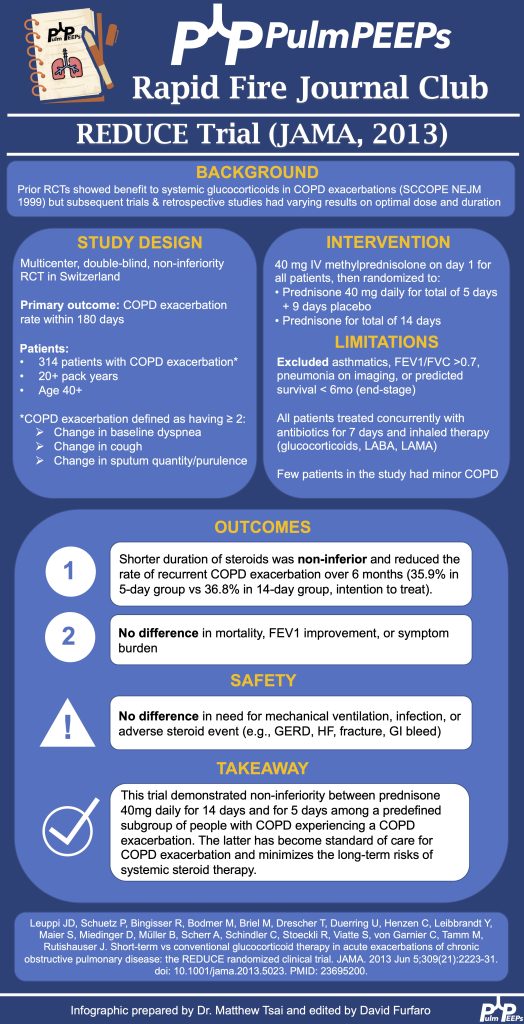
We’re back with our second episode of our Rapid Fire Journal Club. As a reminder, we will be reviewing articles in 10 minutes or less and sharing them with an infographic describing the findings of the trial. We are focusing on pulmonary trials to start.
Article and Reference

Today we’re talking about the 2013 REDUCE Trial in JAMA.

Reference: Leuppi JD, Schuetz P, Bingisser R, Bodmer M, Briel M, Drescher T, Duerring U, Henzen C, Leibbrandt Y, Maier S, Miedinger D, Müller B, Scherr A, Schindler C, Stoeckli R, Viatte S, von Garnier C, Tamm M, Rutishauser J. Short-term vs conventional glucocorticoid therapy in acute exacerbations of chronic obstructive pulmonary disease: the REDUCE randomized clinical trial. JAMA. 2013 Jun 5;309(21):2223-31. doi: 10.1001/jama.2013.5023. PMID: 23695200.

Infographic

This can be downloaded on our website and will be shared on Twitter and Instagram.
34. Fellows’ Case Files: The Ohio State University College of Medicine

Case Files OSU

Welcome back to Pulm PEEPs Fellows’ Case Files series. We are traveling to the midwest to visit The Ohio State University College of Medicine and hear about another great pulmonary case.

Meet Our Guests

Kashi Goyal is a second-year Pulmonary and Critical Care Fellow at The Ohio State University Wexner Medical Center. She obtained her MD at OSU, and then completed her Internal Medicine residency at Beth Israel Deaconess Medical Center. She worked as a hospitalist and educator before going back to fellowship and remains passionate about medical education.

Lynn Fussner is an Associate Professor of Internal Medicine at OSU and has been there since completing her fellowship and Post-doctorate at Mayo Clinic. In addition to her clinical work in the multidisciplinary vasculitis clinic, she is a translational researcher with a focus on inflammatory pulmonary disorders and vasculitis.

Avi Cooper is an Assistant Professor of Medicine at Ohio State University College of Medicine and the Program Director of the Pulmonary and Critical Care Fellowship. He is an Associate Editor at the Journal of Graduate Medical Education. Last but not least, he co-hosts the Curious Clinician Podcast, one of the most popular medical education podcasts.

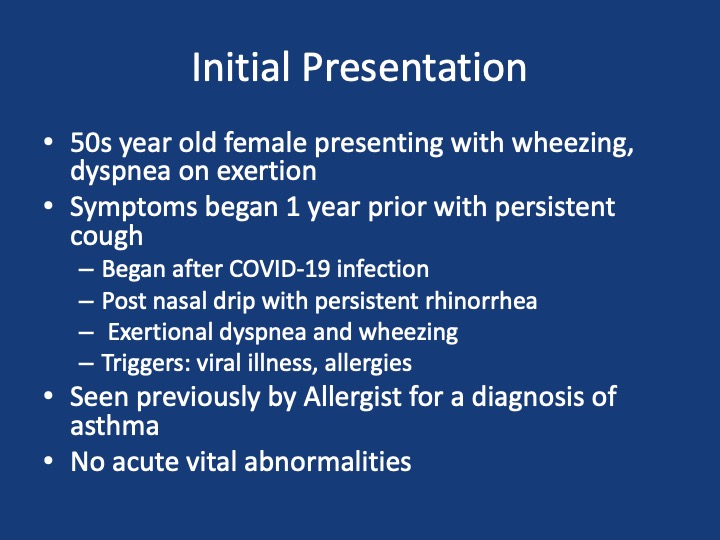
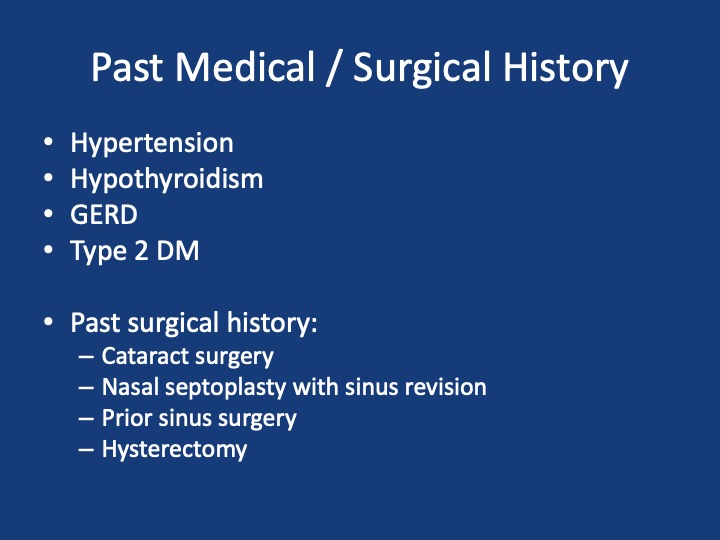
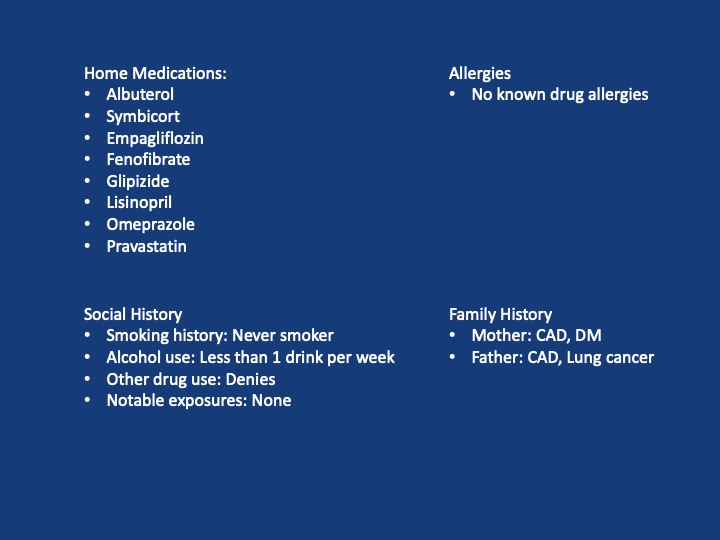
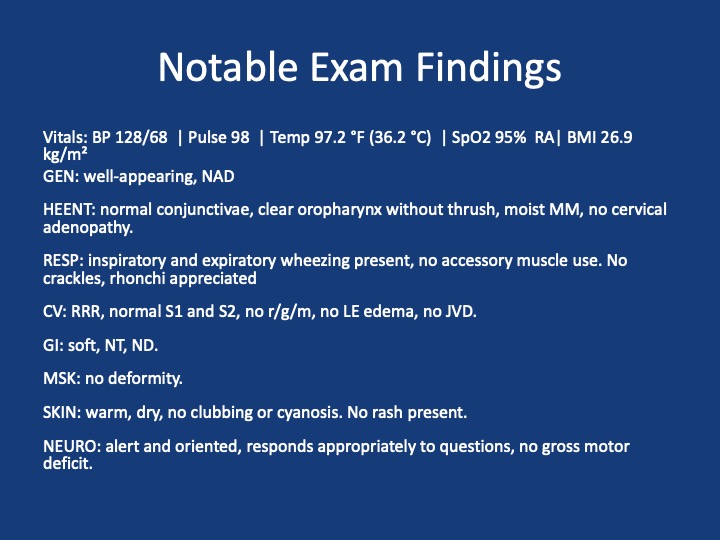
Patient Presentation

Key Learning Points

**Spoilers Ahead** If you want to think through the case on your own we advise listening to the episode first before looking at these points.

  • The three most common causes of cough in adults in the USA are cough variant asthma, GERD, and post-nasal drip
  • A post-viral cough can last for 8-12 weeks and still be within normal
  • Sinus symptoms in a chronic cough can just be sinusitis and post-nasal drip, but should consider eosinophilic granulomatosis with polyangiitis (EGPA), aspirin exacerbated respiratory disease (AERD), cystic fibrosis, or ciliary dyskinesia.
  • Examination of a wheeze
    • Fixed sound vs variable
    • Pitch: larger central airways vs lower peripheral airways
    • Is it throughout the cycle or at a certain phase?
    • Ask the patient to cough before listening and ask them to breathe out through their mouth
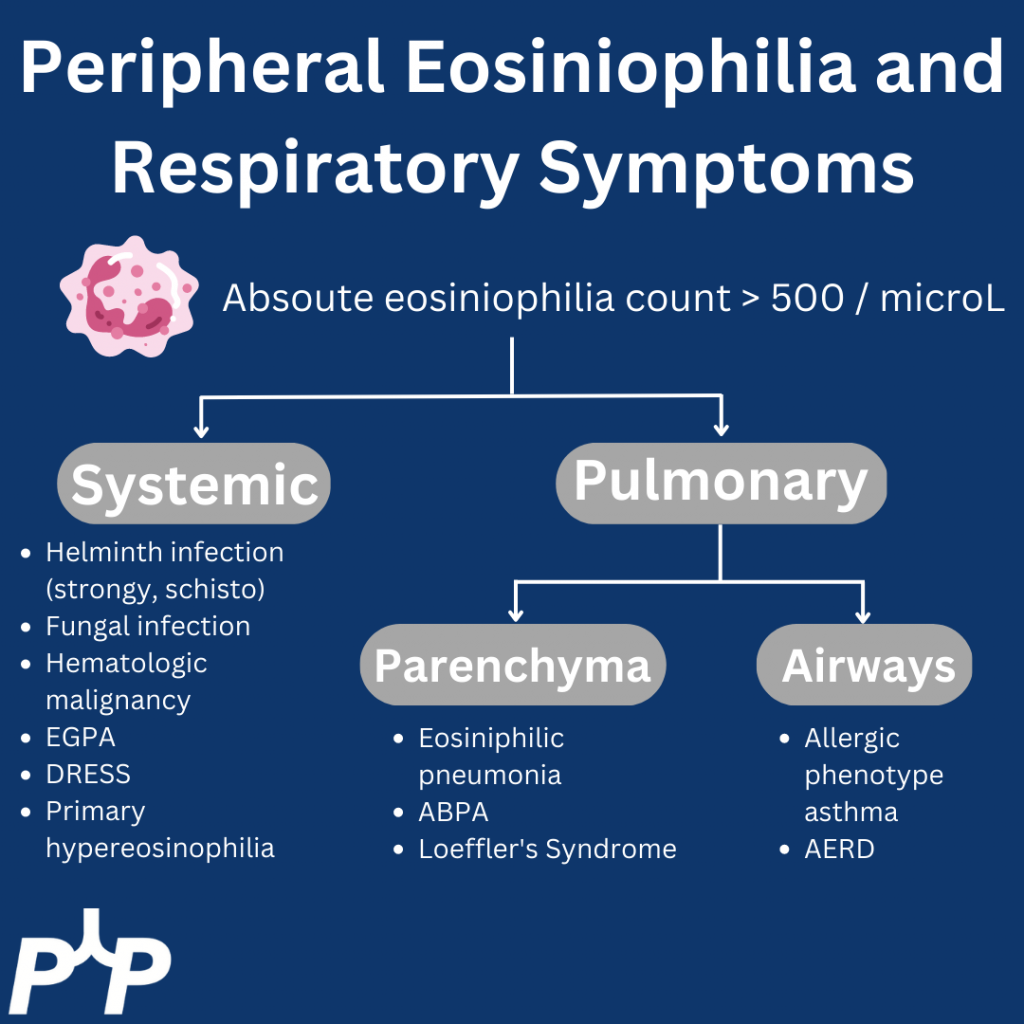
  • Approach to eosinophilia in a patient with cough and dyspnea
    •  Multi-system involvement vs lungs
      • Multi-system involvement
        • Vasculitis
        • Parasitic infection
        • Hematologic malignancy
        • Medication side effect
        • Primary hypereosinophilic syndromes
      • Within the lungs:
        • Parenchymal disease
          • Loeffler’s syndrome
          • Eosinophilic pneumonia
        • Airway disease
          • Asthma
          • ABPA
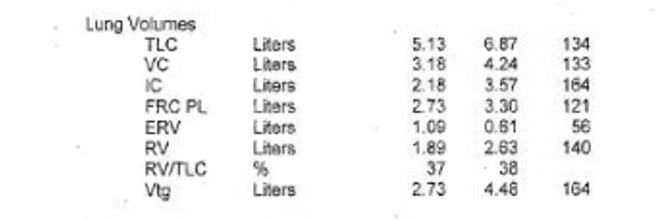
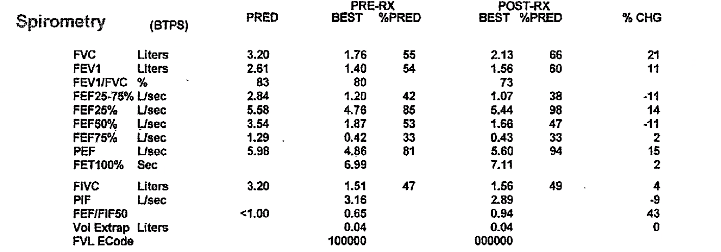
  • If you have a high suspicion for airways disease, PFTs should be requested with bronchodilator testing regardless of the degree of obstruction on baseline spirometry
  • Asthma alone should not cause ground glass opacities, so if see these in a patient with asthma we think about:
    • Infection, especially atypical infections
    • EGPA
    • Vasculitis with DAH
    • ABPA
    • Hypogammaglobulinemia or other immunodeficiency
  • EGPA diagnosis
    • ANCA testing is only positive in 60% of patients with EGPA so a negative test doesn’t rule it out by any means
    • It is easiest to make a diagnosis when there is a clear small vessel manifestation
      • Alveolar hemorrhage
      • Mononeuritis multiplex
      • Glomerulonephritis
    • Many patients with asthma, nasal polyposis, and high peripheral eosinophilia have EGPA but don’t have a clear small vessel feature of vasculitis or a positive ANCA
      • These patients typically have eosiniophilia a lot higher than when thinking about allergic phenotype asthma alone. As a rule of thumb, at least an absolute eosinophil count > 1000

References and Further Reading

  1. Carr TF, Zeki AA, Kraft M. Eosinophilic and Noneosinophilic Asthma. Am J Respir Crit Care Med. 2018;197(1):22-37. doi:10.1164/rccm.201611-2232PP
  2. Cottin V. Eosinophilic Lung Diseases. Clin Chest Med. 2016;37(3):535-556. doi:10.1016/j.ccm.2016.04.015
  3. Grayson PC, Ponte C, Suppiah R, et al. 2022 American College of Rheumatology/European Alliance of Associations for Rheumatology Classification Criteria for Eosinophilic Granulomatosis with Polyangiitis. Ann Rheum Dis. 2022;81(3):309-314. doi:10.1136/annrheumdis-2021-221794
  4. Wechsler ME, Akuthota P, Jayne D, et al. Mepolizumab or Placebo for Eosinophilic Granulomatosis with Polyangiitis. New England Journal of Medicine. 2017;376(20):1921-1932. doi:10.1056/NEJMoa1702079

Radiology Rounds 29: Primary Ciliary Dyskinesia

FmvxaoPWIAAouDX

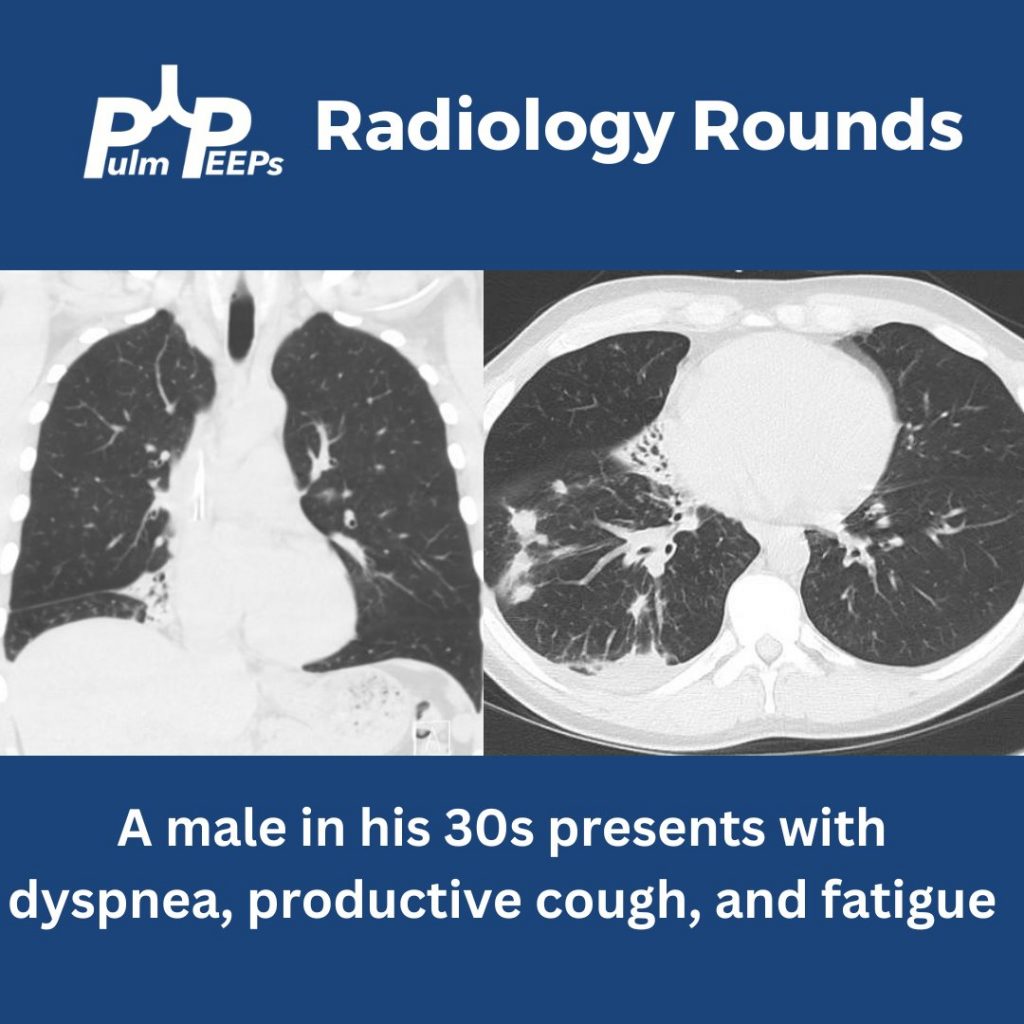
We are back with our first #RadiologyRounds of 2023!

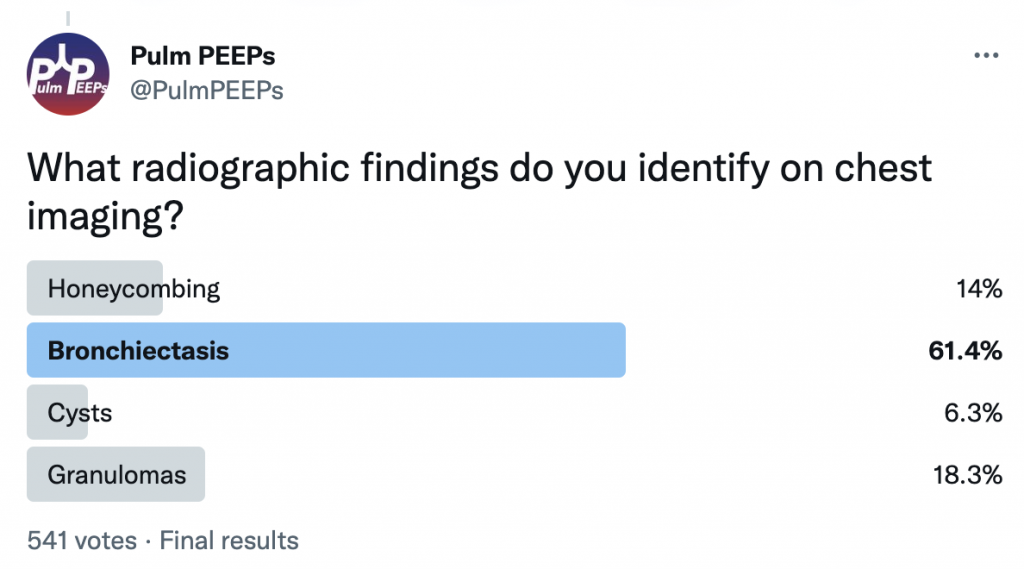
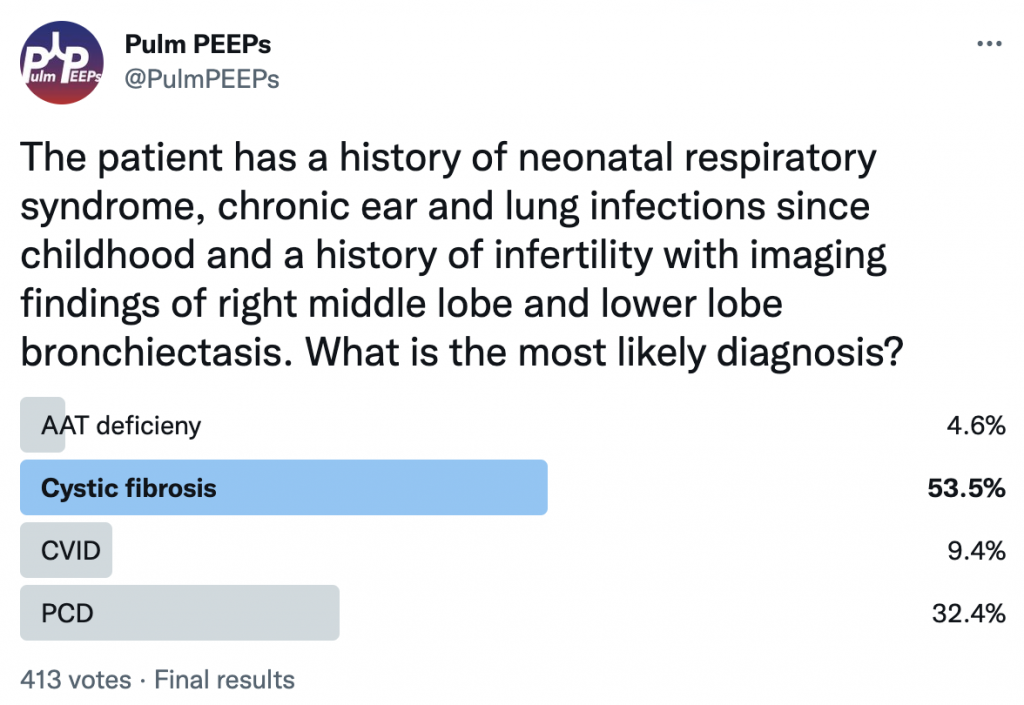
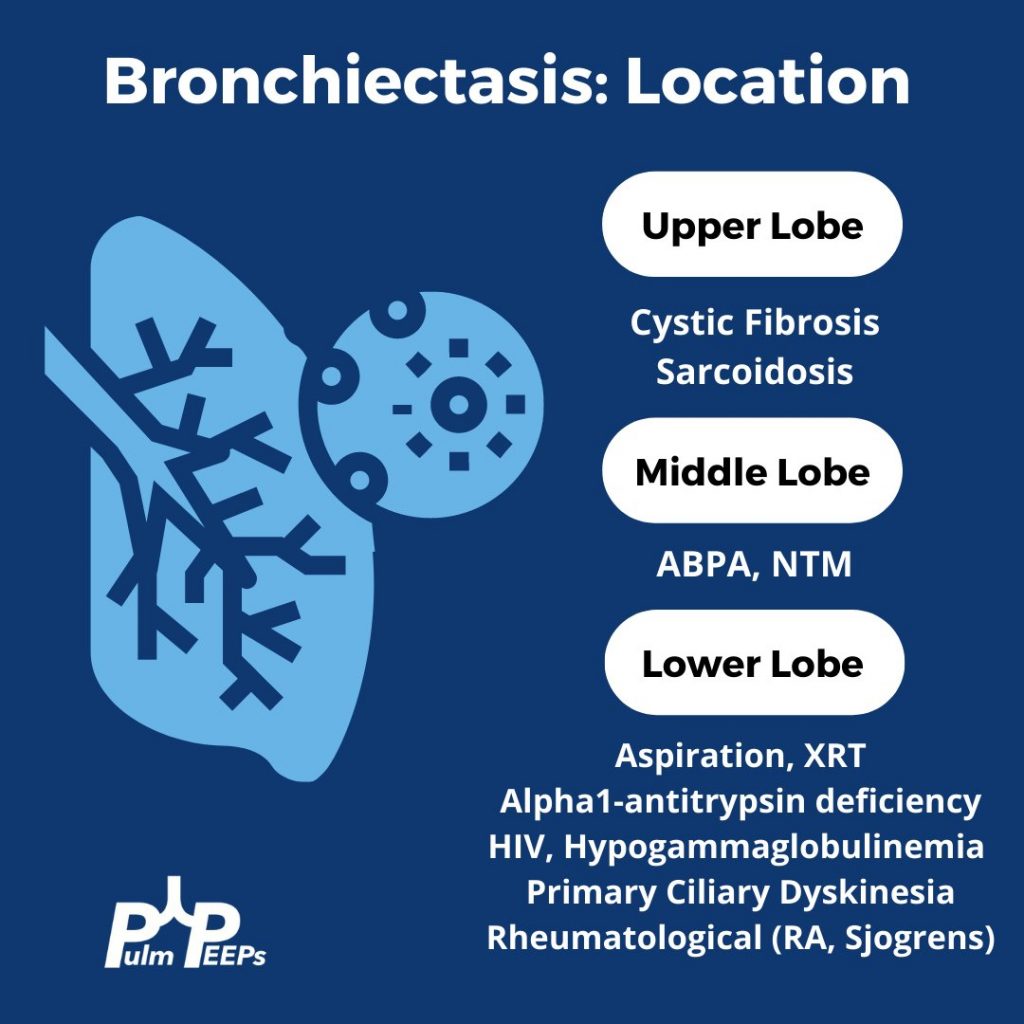
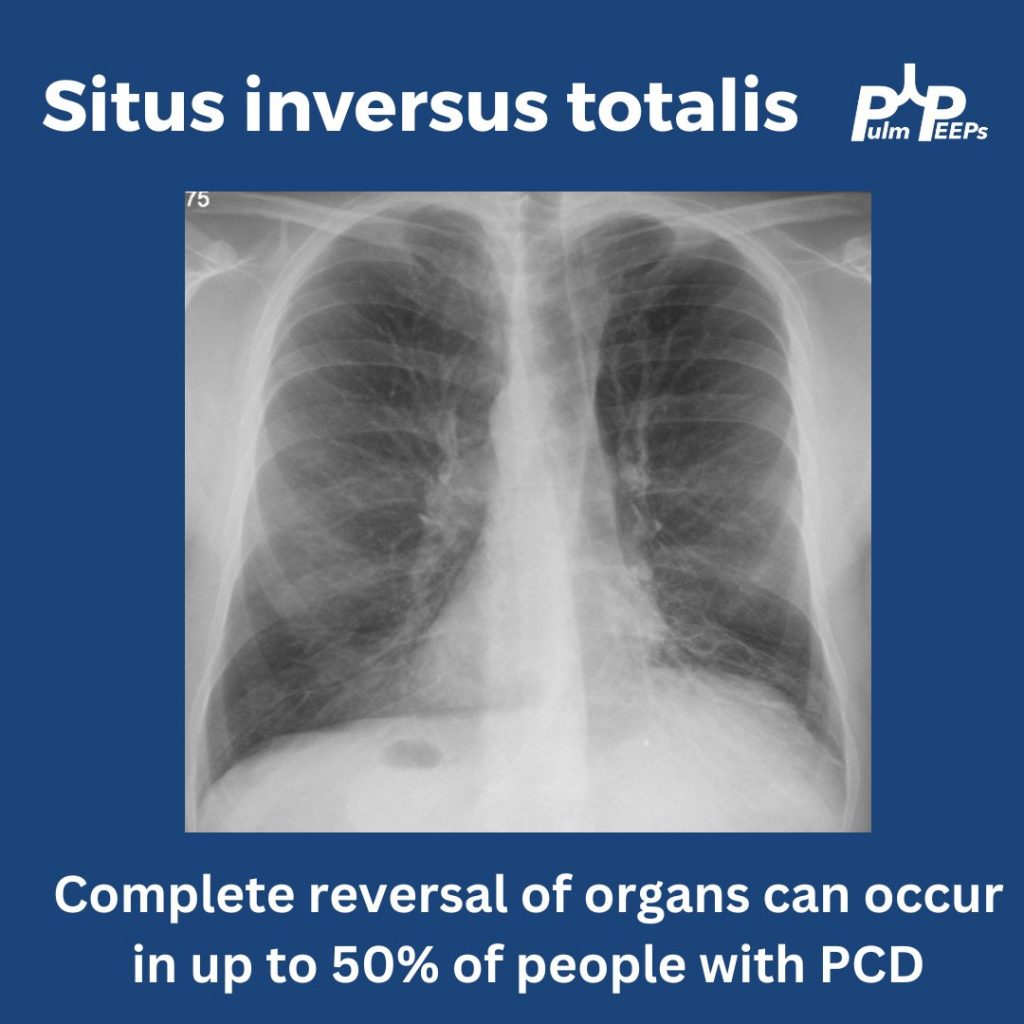
While chronic lung infections and infertility are overlapping symptoms for CF and Primary Ciliary Dyskinesia, the history of neonatal respiratory syndrome, ear infections and lower lobe bronchiectasis are most consistent with PCD

In up to 50% of people with PCD, you can get complete reversal of thoracic and abdominal organs. In this film you can see the heart in the right hemithorax, the gastric bubble on the right with the liver on the left resulting in elevation of the left hemidiaphragm

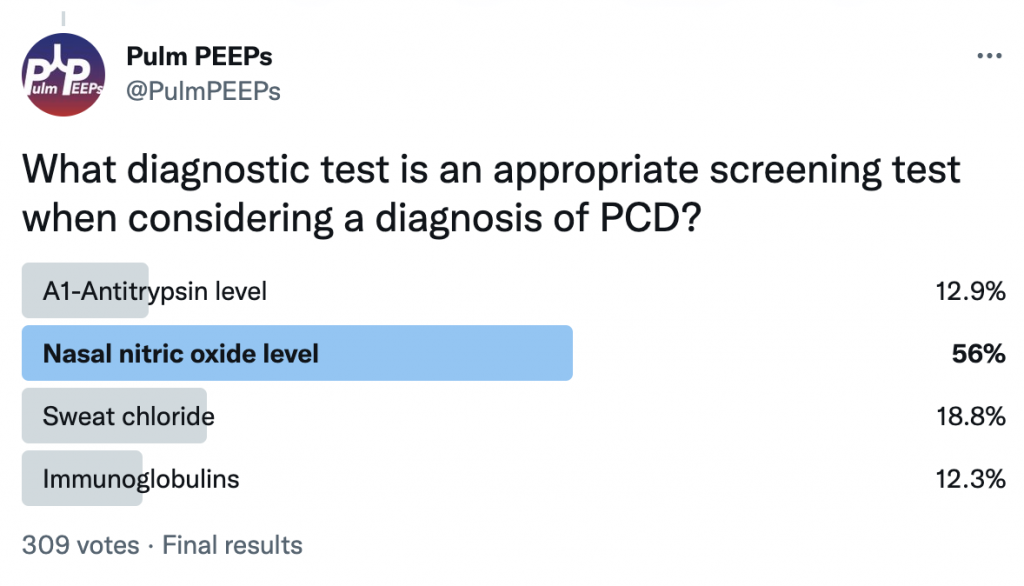
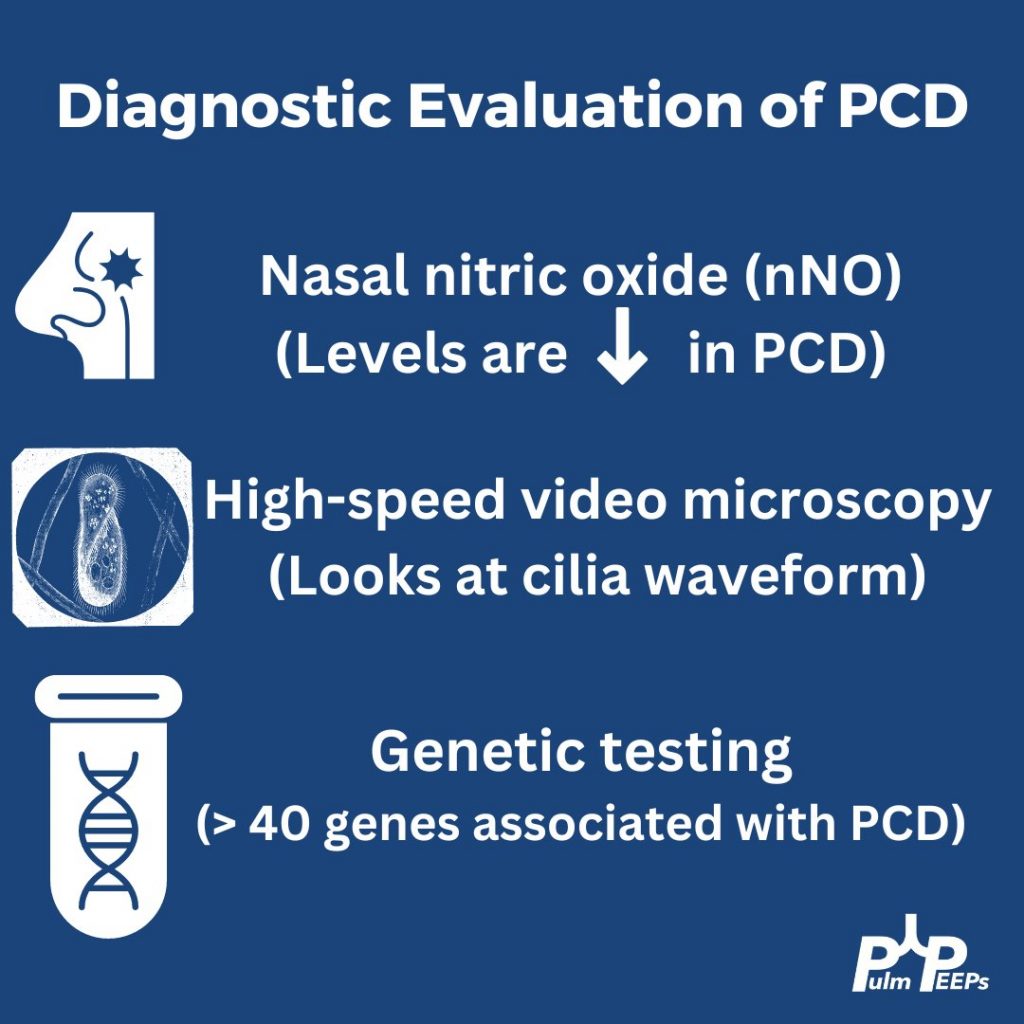
In patients with clinical symptoms and two decreased levels of nasal nitric oxide these findings suggest a PCD diagnosis but evaluation of the cilia structure and function as well as genetic testing are other diagnostic evaluations to confirm a diagnosis of PCD

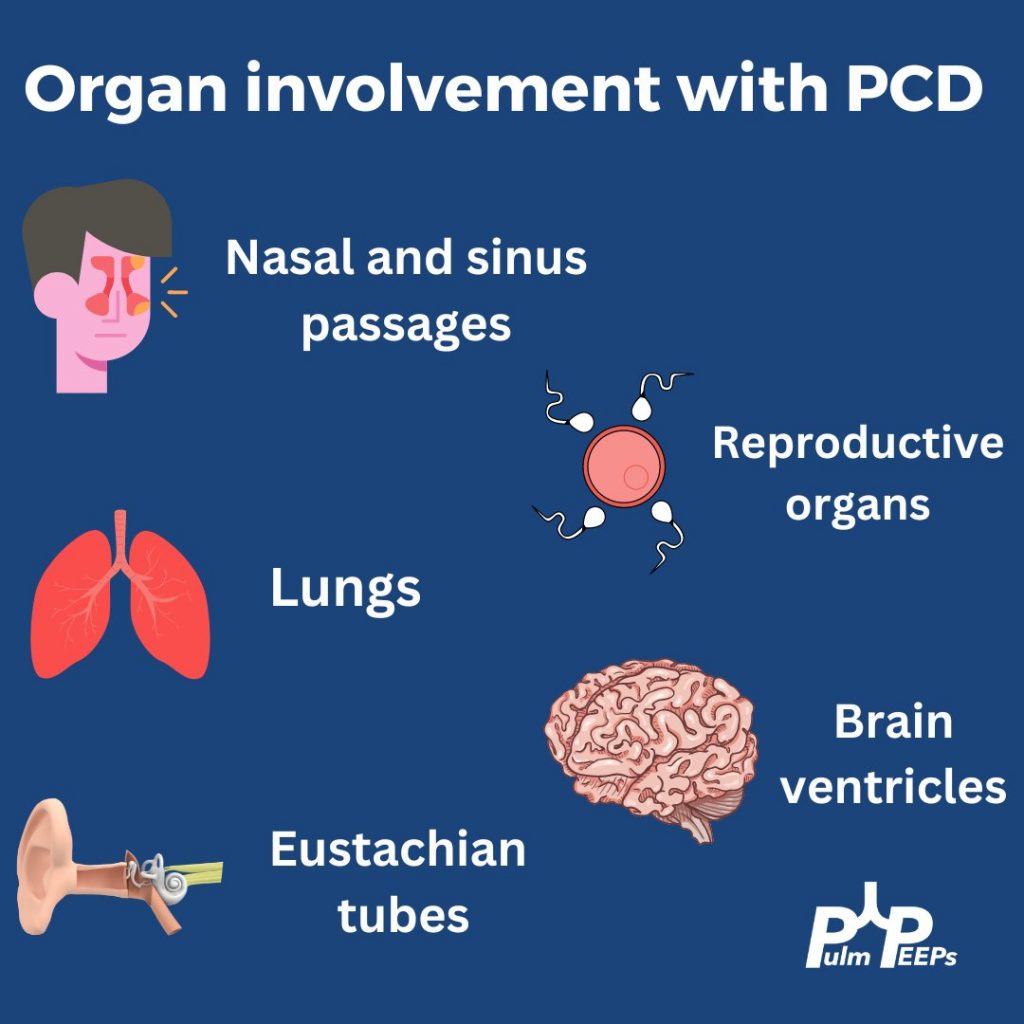
Primary ciliary dyskinesia is a autosomal recessive disorder that results in motile ciliary dysfunction and clinical manifestations can vary depending on which organs are involved

Radiology Rounds 27: Mosaic Attenuation

1

Time for Tuesday #RadiologyRounds!

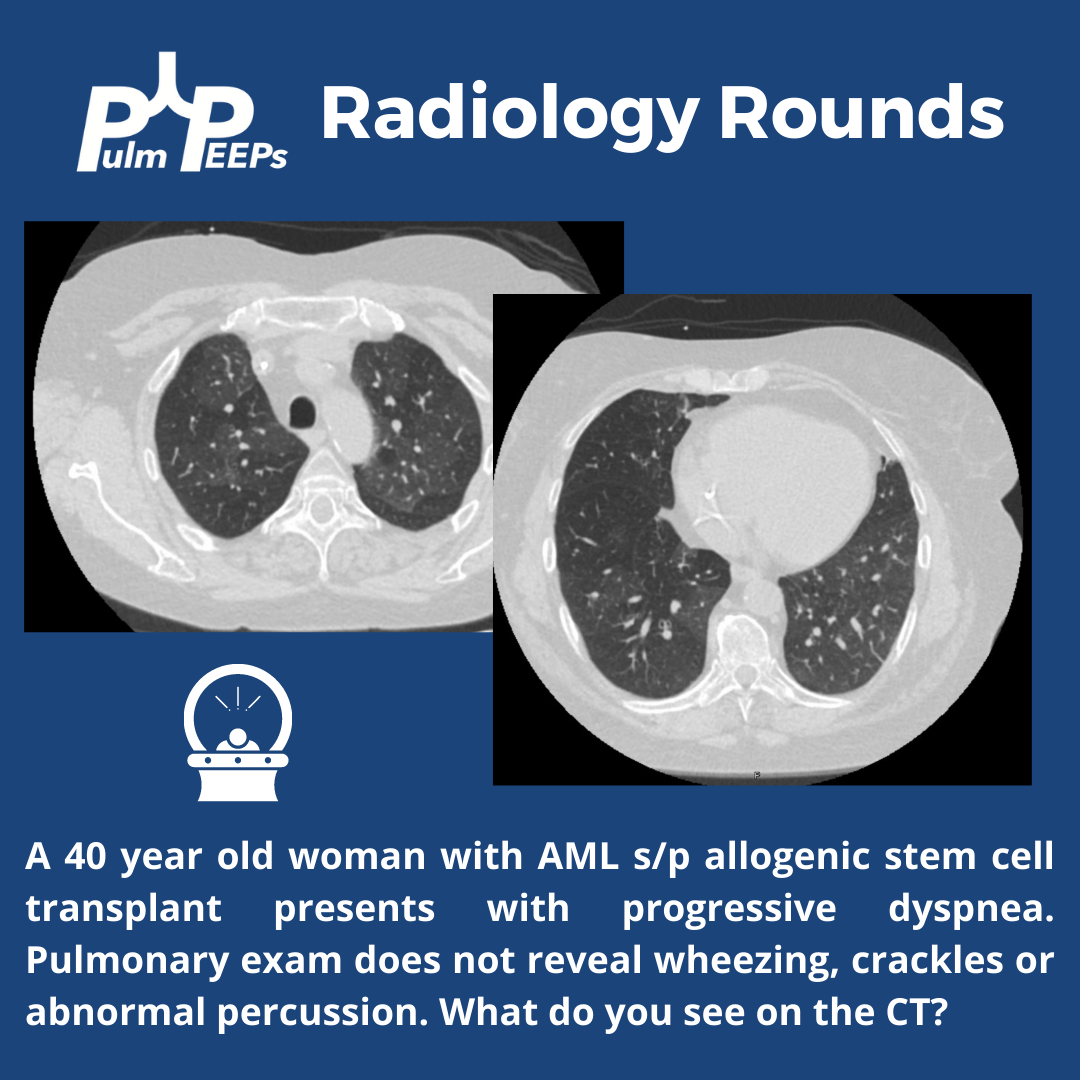
A 40-year-old patient s/p allogeneic stem cell transplant for AML 6 months prior presents with progressive dyspnea. The exam is unrevealing and imaging is obtained.

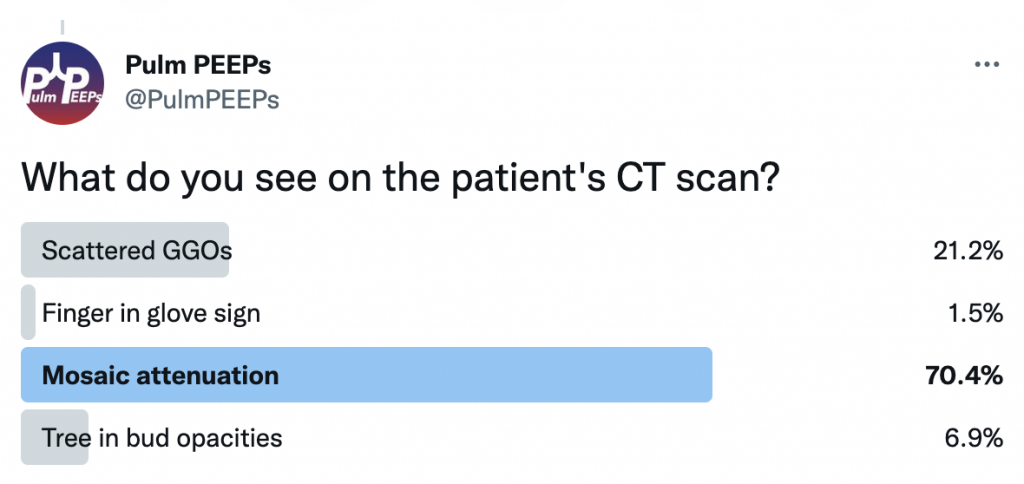
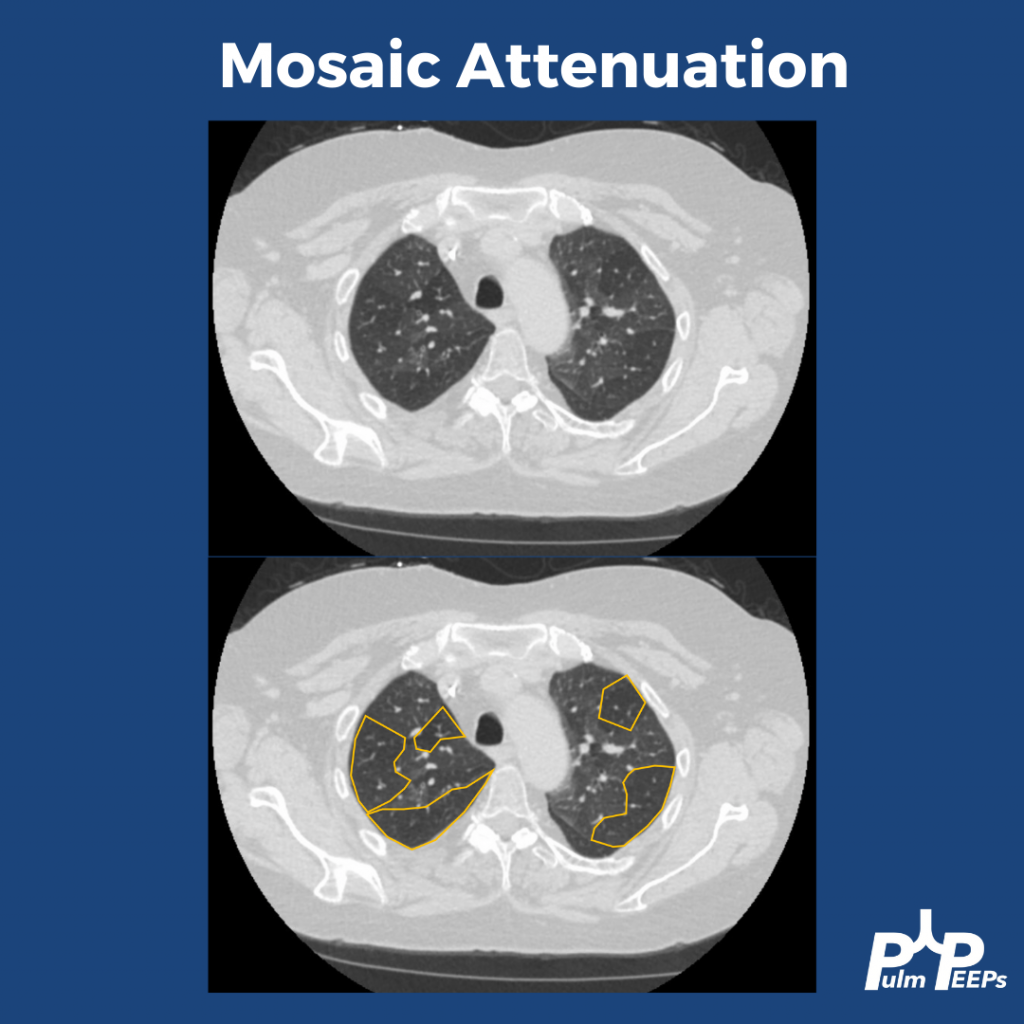
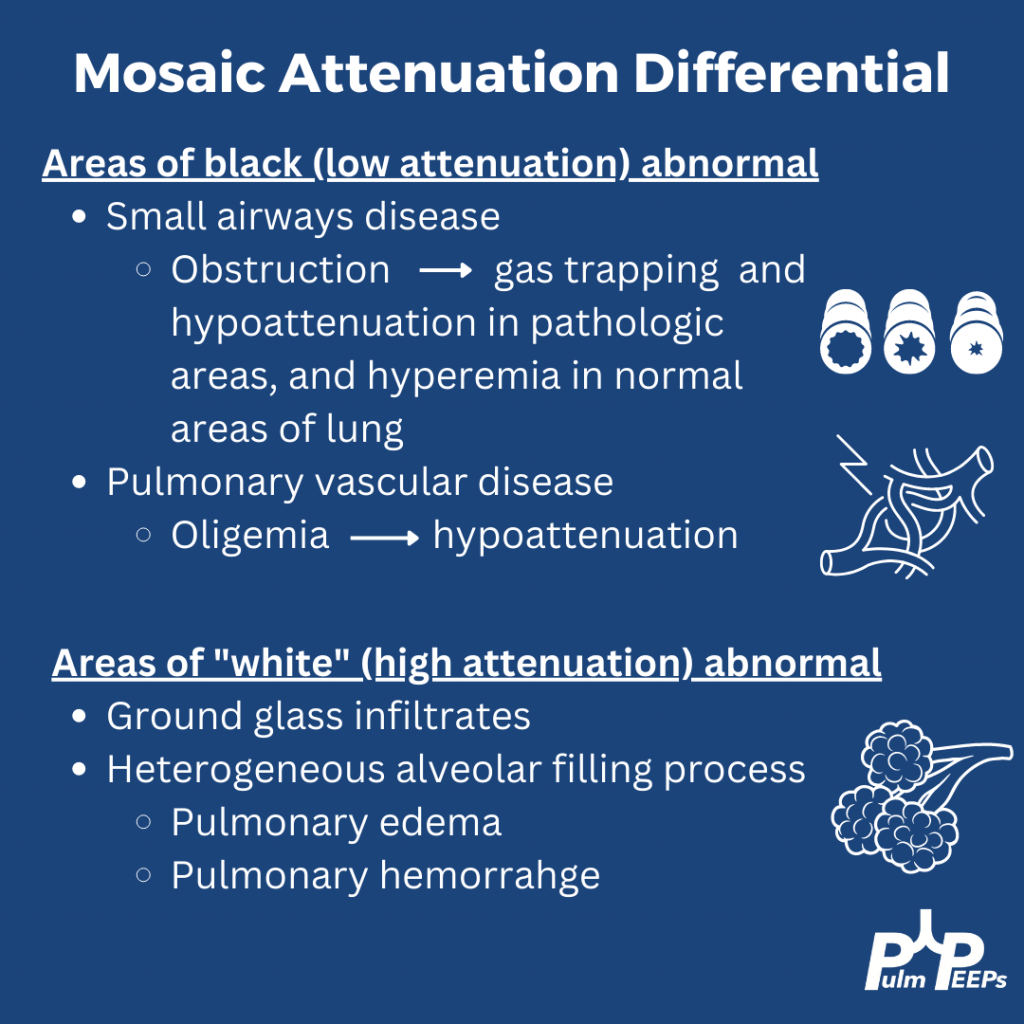
The patient’s CT reveals mosaic attenuation. Mosiac attenuation is a pattern of scattered regions of the lung with differing densities. The abnormal portions can be those that appear white or black.

Tip: Inspiratory and expiratory films can help identify the cause!

The patient had PFTs that showed severe obstruction, and significant change from PFTs prior to the stem cell transplant. Inspiratory and expiratory CT confirmed significant areas of gas trapping. She was diagnosed with bronchiolitis obliterans secondary to chronic GVHD

Radiology Rounds 19: Sarcoidosis Stages

1

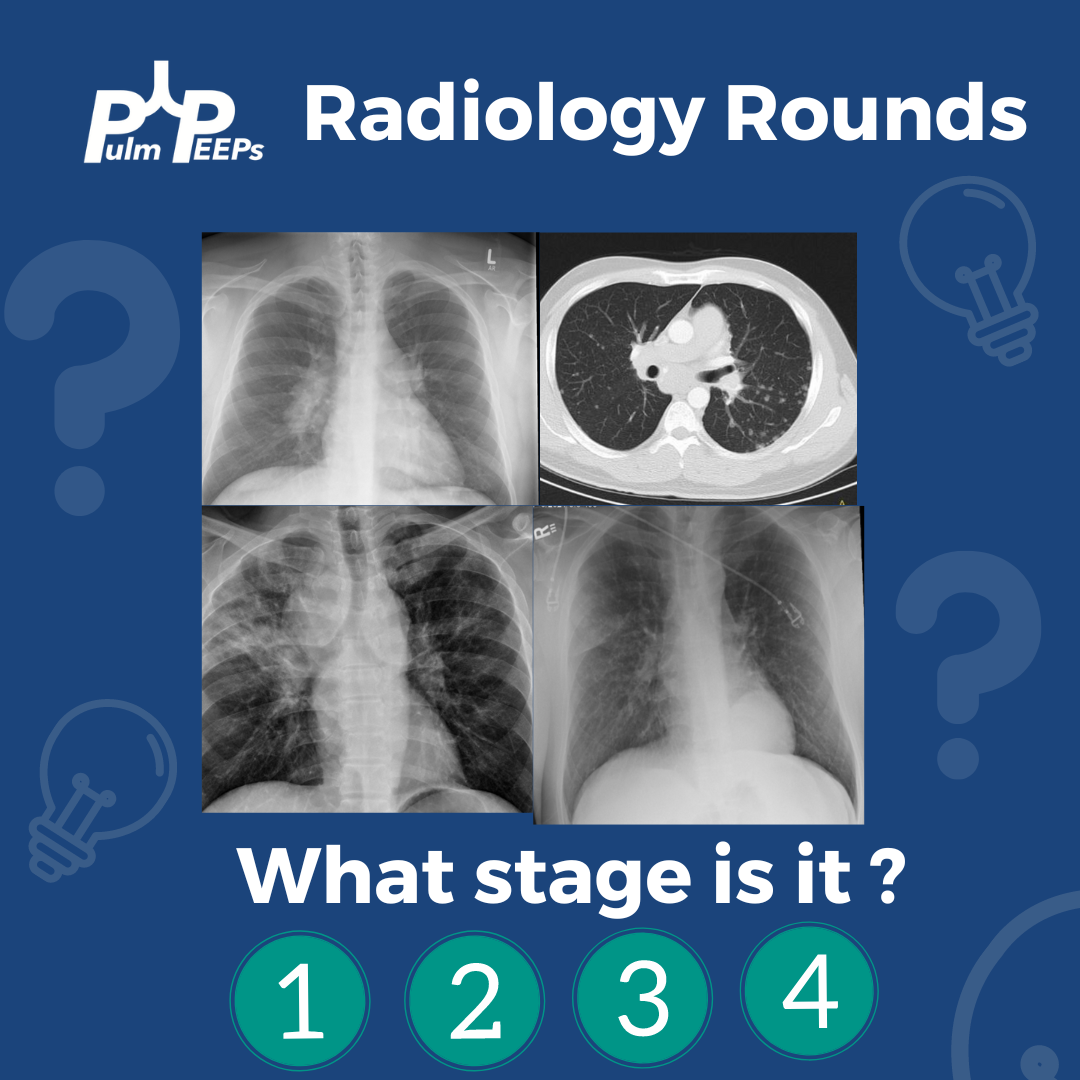
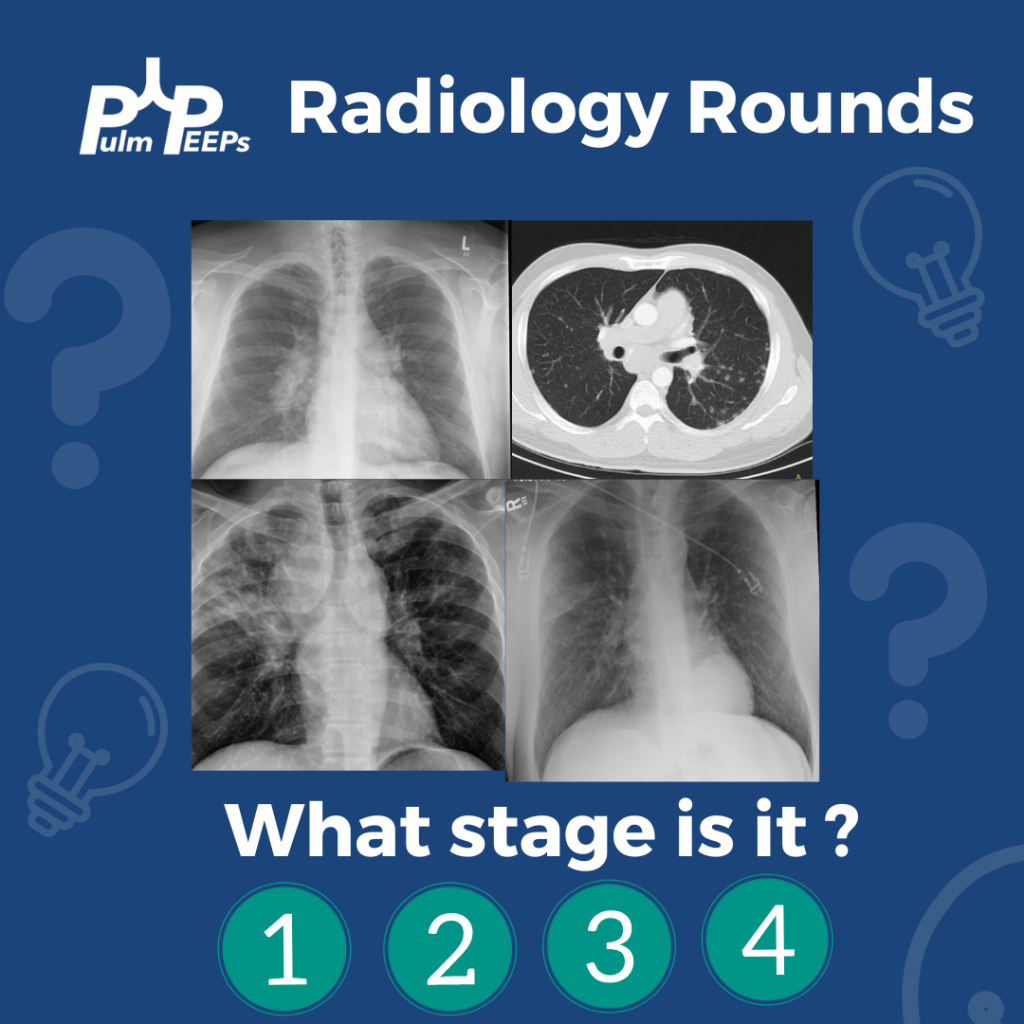
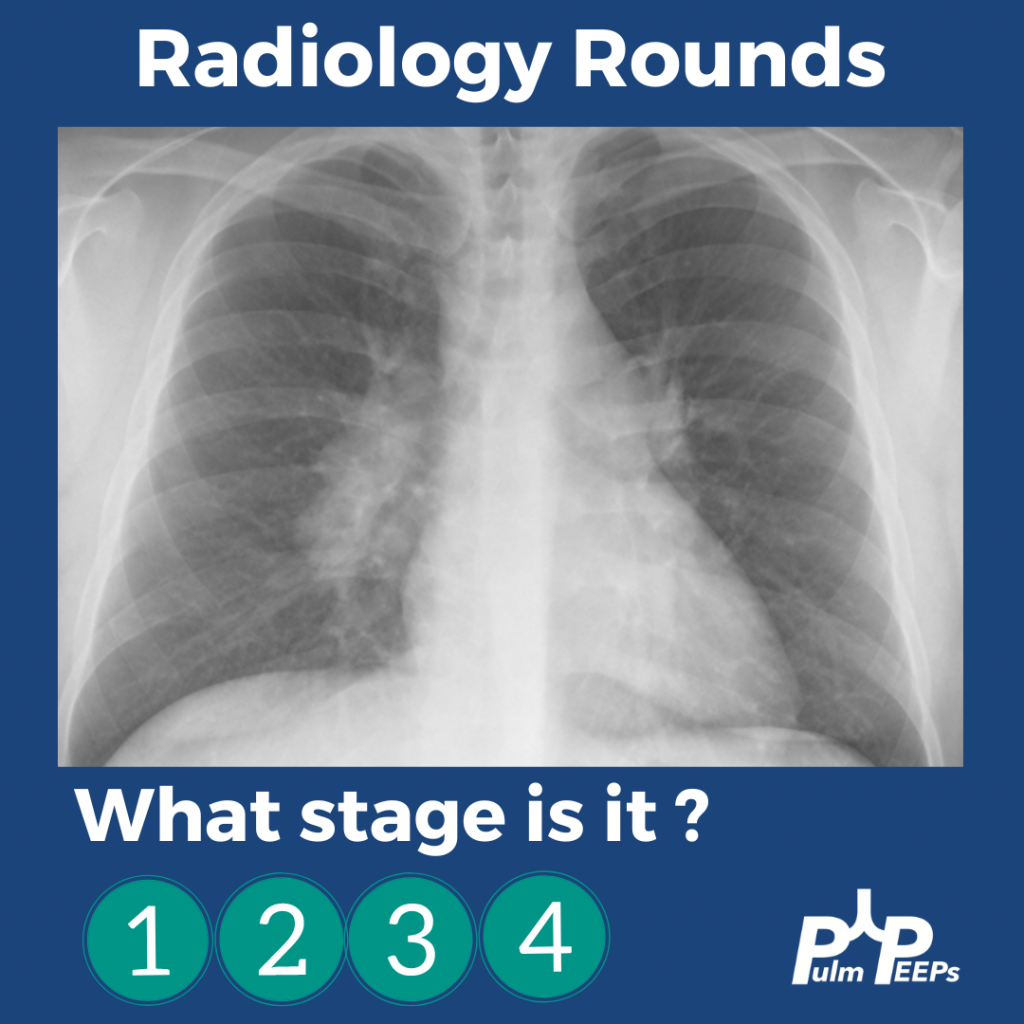
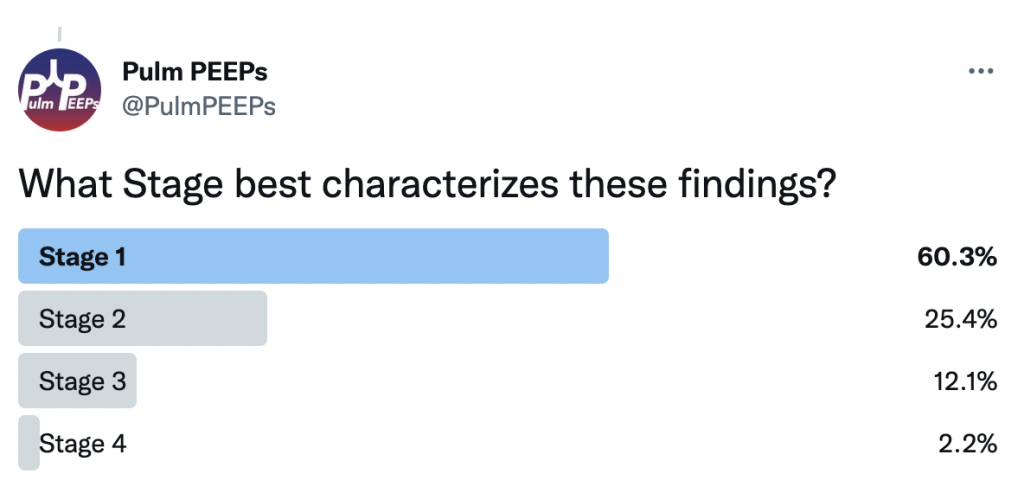
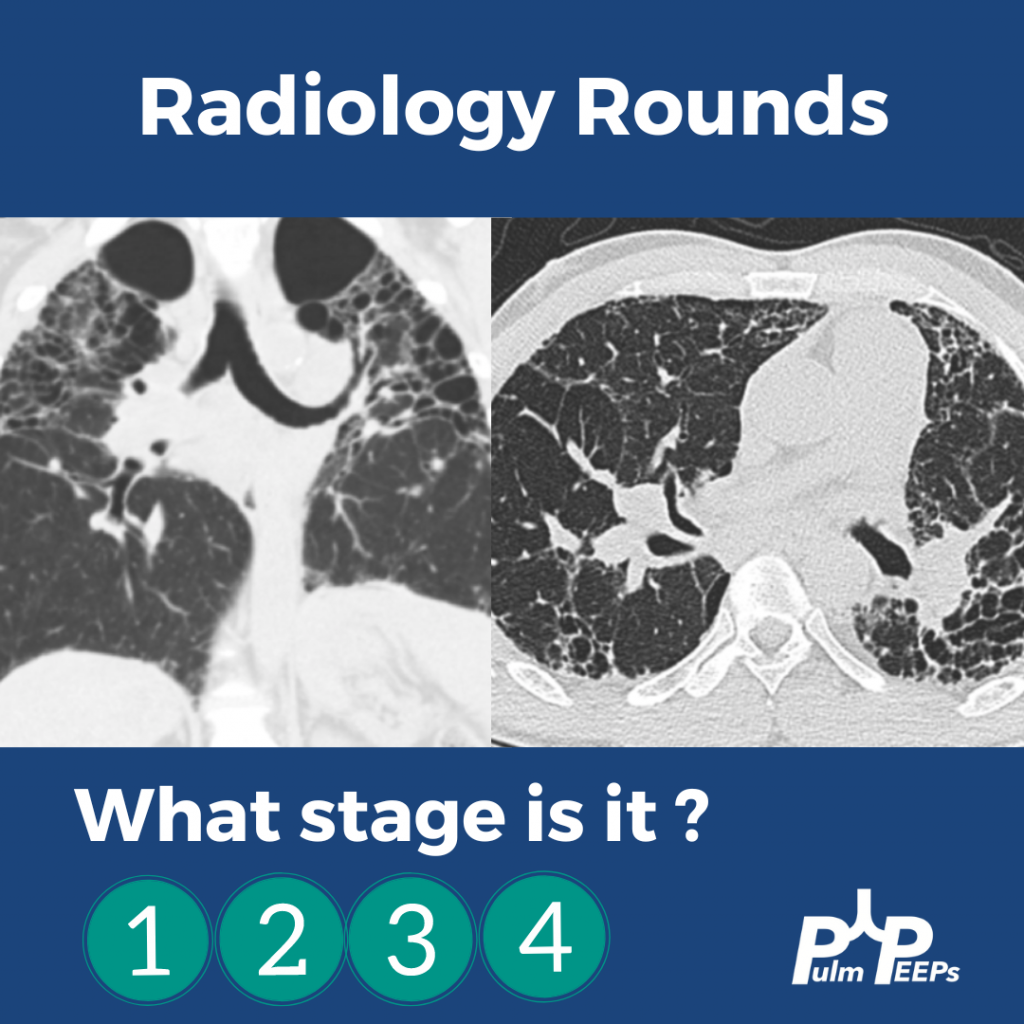
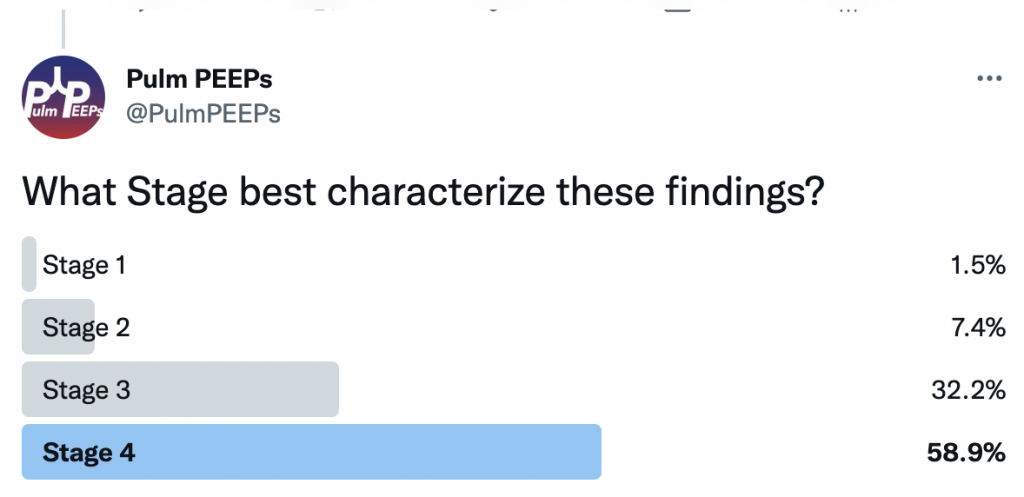
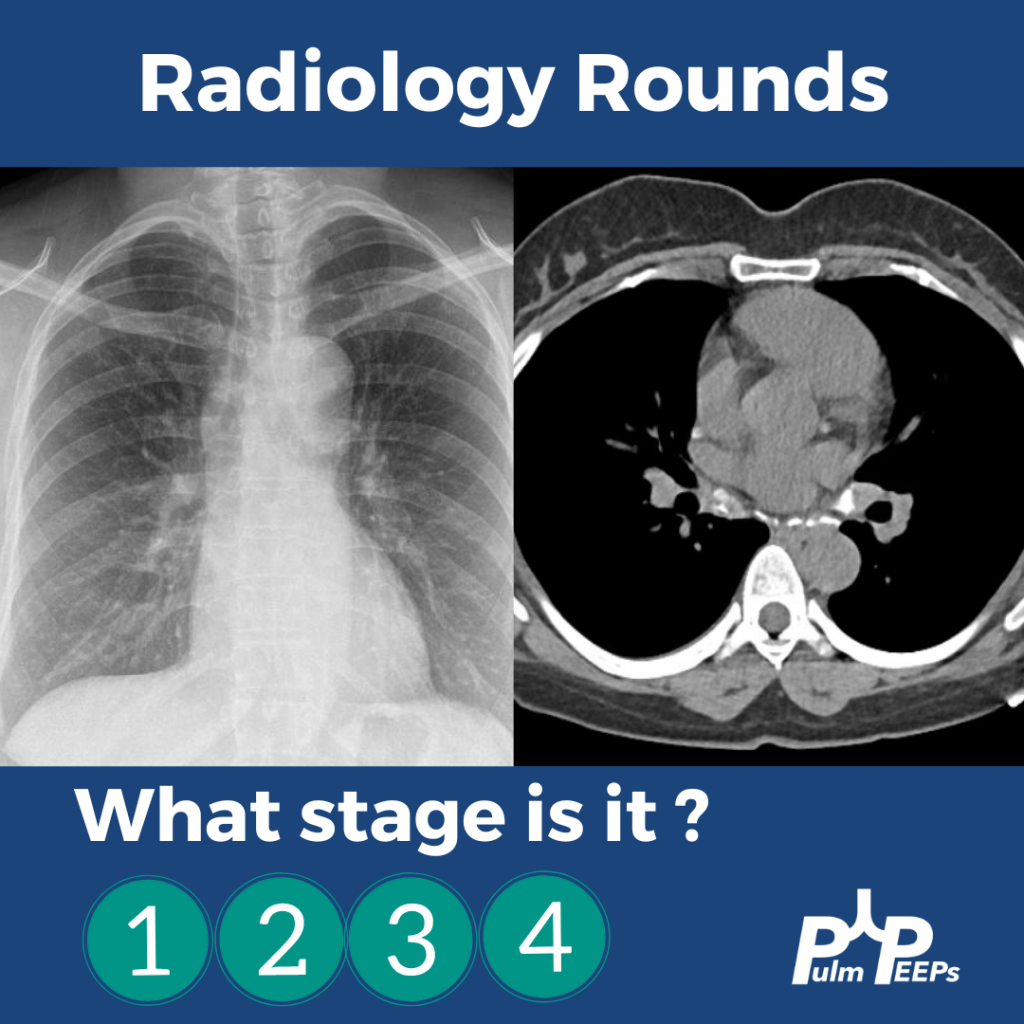
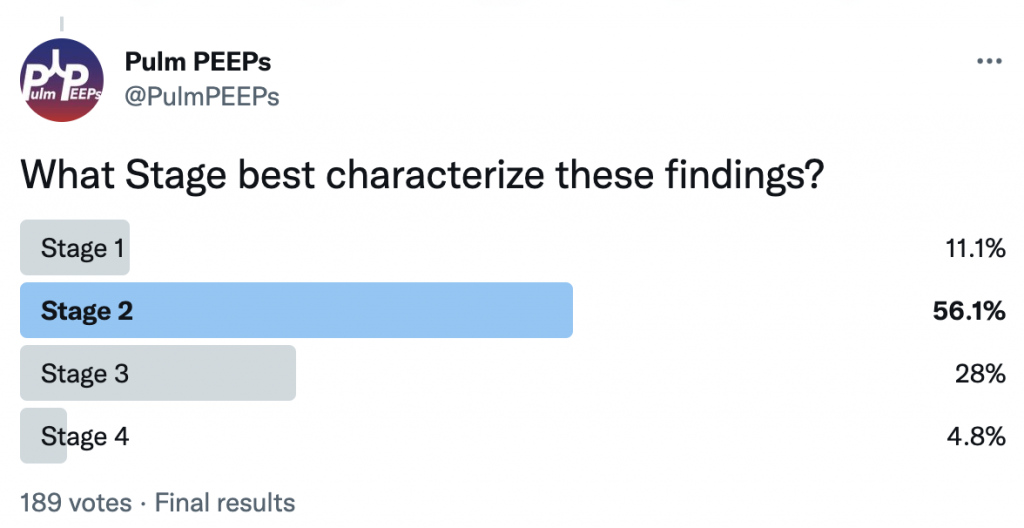
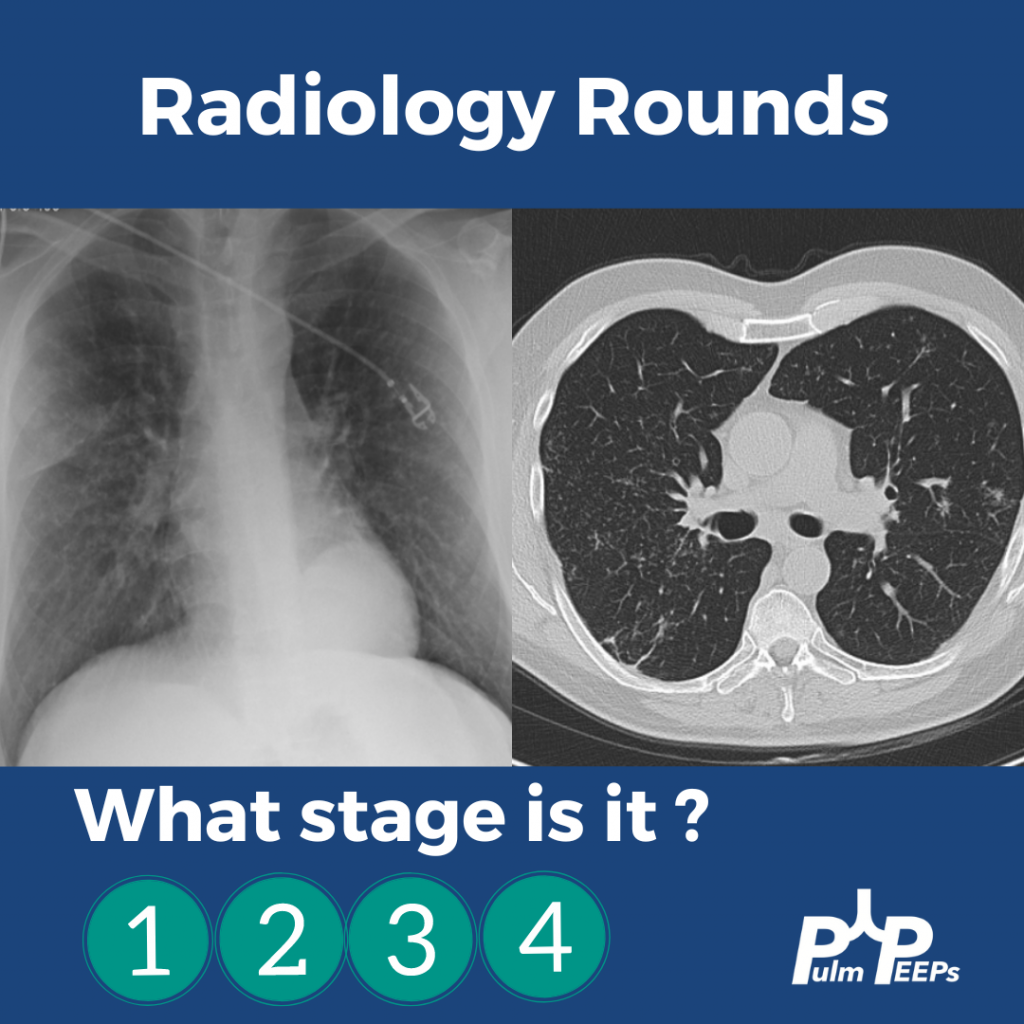
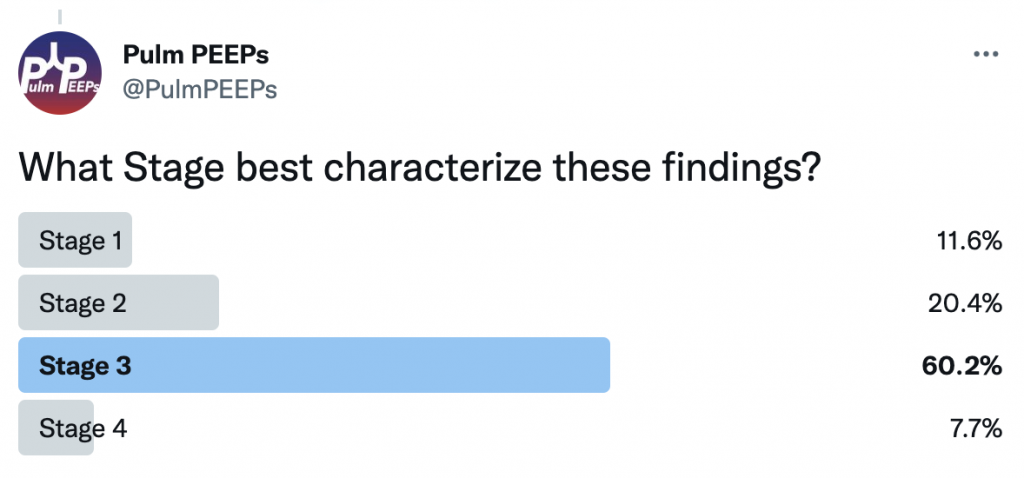
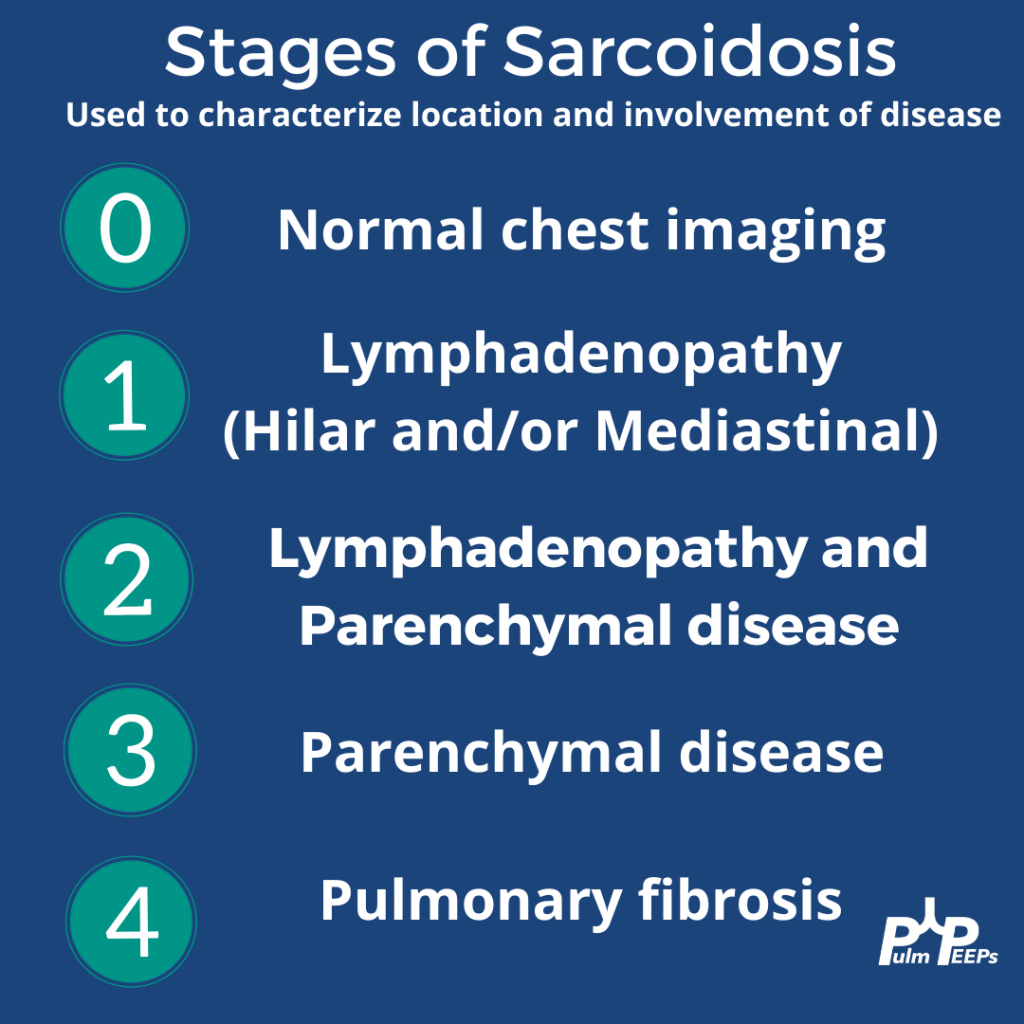
It is Tuesday and we have another Radiology Rounds we can’t wait to share with you. Follow along and see if you select the right answer as we go through different presentations of sarcoidosis and pick your answer! What stage is it?!

A middle-aged man presents to you after he was found to have hilar adenopathy on a routine chest x-ray.

A middle-age man presents with dyspnea on exertion, night sweats and weight loss. You see evidence of bilateral apical disease, and fibrosis with evidence of honeycombing on chest CT.

A young woman presents with dyspnea on exertion and was found to have hilar adenopathy with parenchymal disease.

An elderly man presents with dyspnea on exertion and was found to have nodular parenchymal disease without extensive lymphadenopathy.

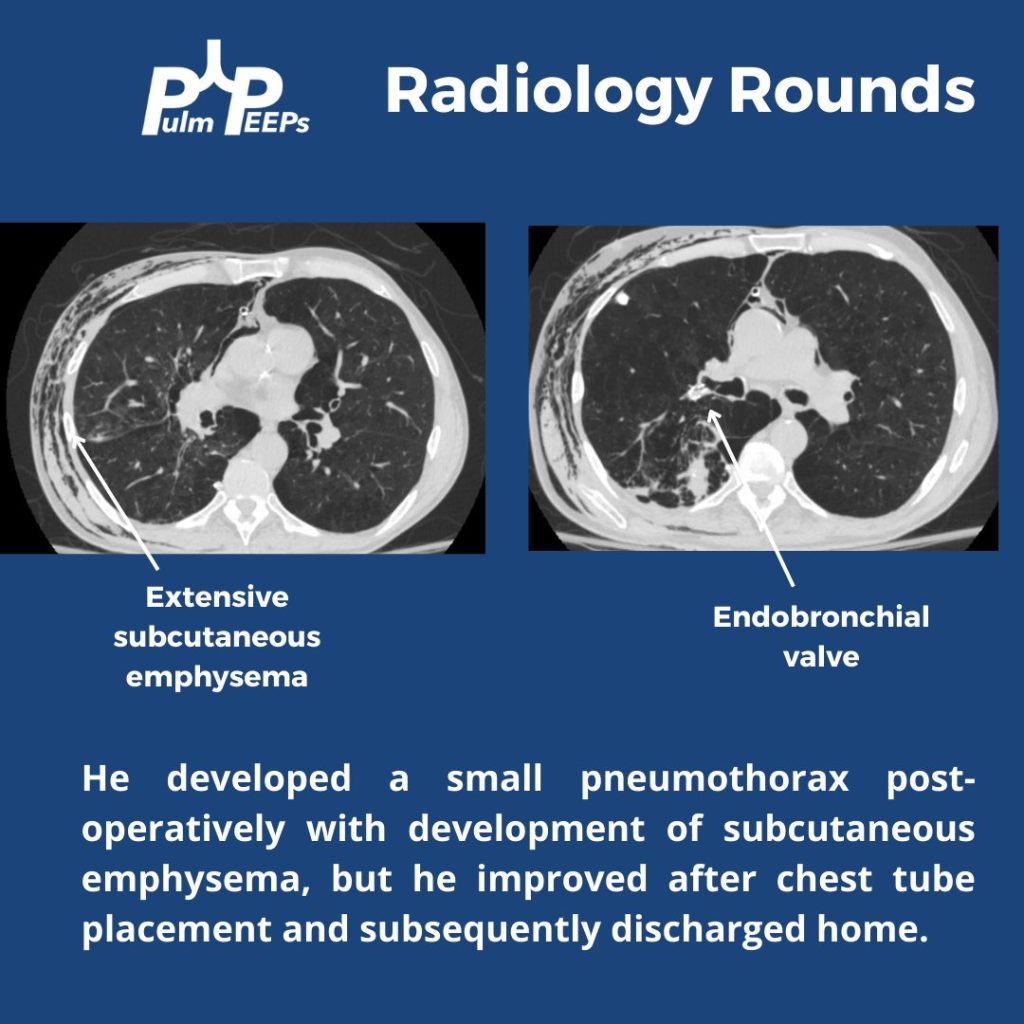
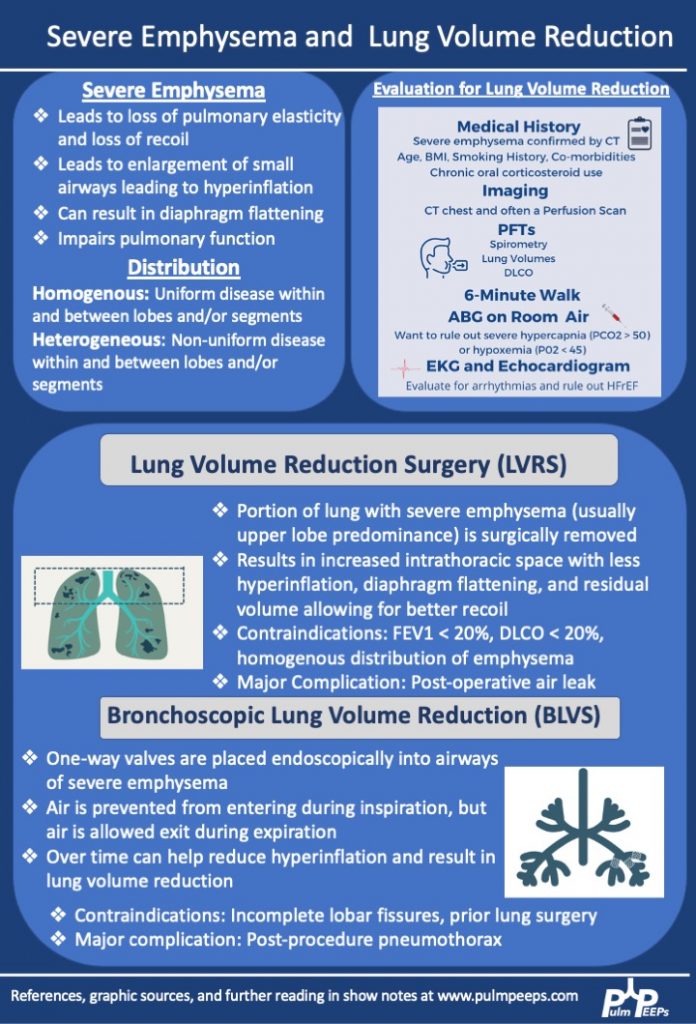
19. Severe COPD and Lung Volume Reduction

COPD3

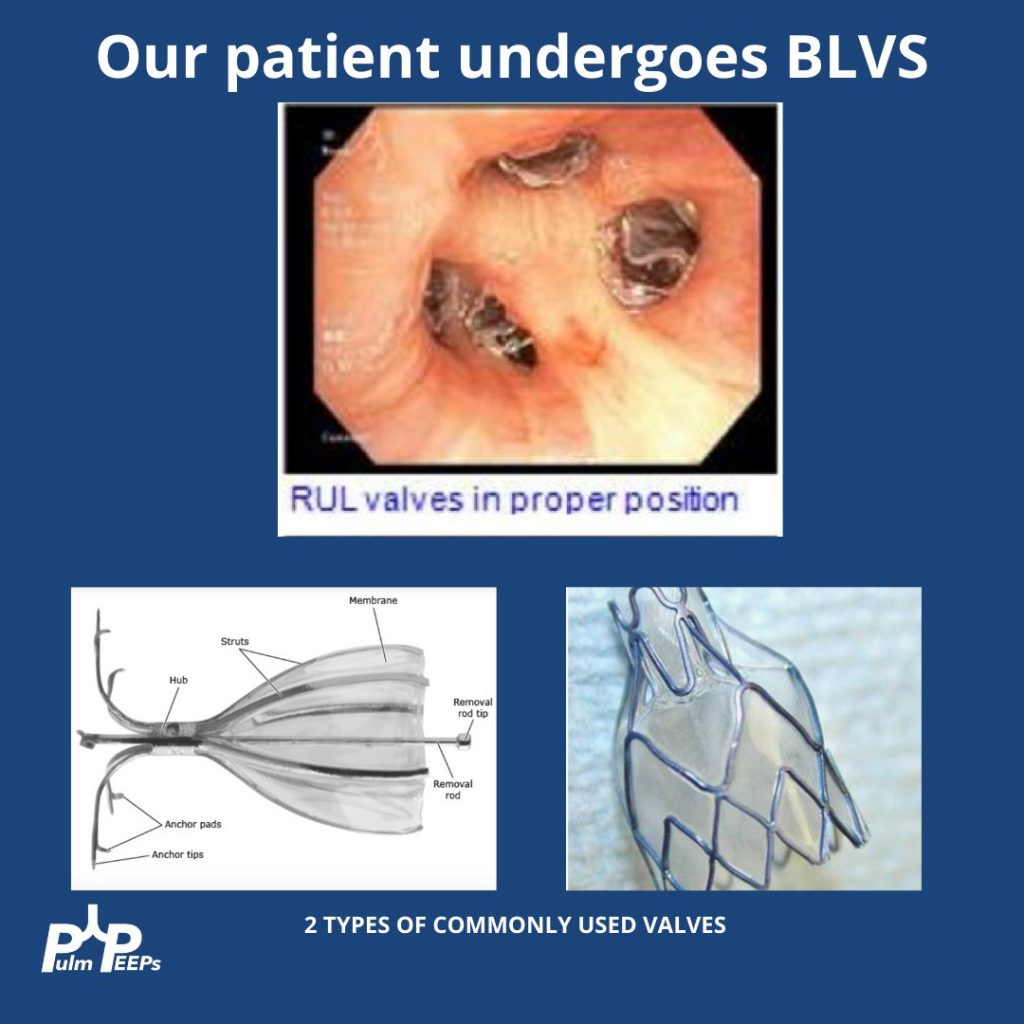
We are extremely excited for the third and final installment in our Pulm PEEPs and ATS Clinical Problems Assembly collaborative series on COPD. Today, we are joined by Drs. Jessica Bon, Michael Lester, and Niru Putcha to discuss severe COPD management and the role of lung volume reduction procedures. If you missed the first two parts of our series, make sure to check out episode 1 on COPD diagnosis and initial management, and episode 2 on COPD exacerbations.
Meet our Guests

Jessica Bon is an Associate Professor of Medicine at the University of Pittsburgh School of Medicine where she is also the Program Director for the Pulmonary and Critical Care Medicine Fellowship. Her research and clinical interests focus on lung disease progression in COPD and she manages patients with difficult-to-treat and severe COPD and evaluates patients for lung volume reduction surgery. Jessica was the chair of the ATS Clinical Problems Assembly Programming Committee from 2021 – 2022.

Michael Lester is an Assistant Professor of Medicine at Vanderbilt University Medical Center. Michael’s interests span both pulmonary and critical care medicine. He specializes in patients with advanced COPD and evaluation for bronchoscopic lung volume reduction surgery.

Niru Putcha is an Associate Professor of Medicine at Johns Hopkins School of Medicine and is an integral member and mentor in the Obstructive Lung Disease Group. Her research and clinical interests focus on the role of comorbidities on clinical outcomes in individuals with COPD. She also manages patients with difficult-to-treat and severe COPD and evaluates patients for lung volume reduction surgery. Niru is also the new chair of the ATS  Clinical Problems Assembly Programming Committee.

Key Learning Points

Patients with advanced COPD should also be considered for lung transplantation. We will have an episode on lung transplant coming up soon!

References

  1. Criner GJ, Sternberg AL. A Clinician’s Guide to the Use of Lung Volume Reduction Surgery. Proc Am Thorac Soc. 2008;5(4):461-467. doi:10.1513/pats.200709-151ET
  2. A Randomized Trial Comparing Lung-Volume–Reduction Surgery with Medical Therapy for Severe Emphysema. New England Journal of Medicine. 2003;348(21):2059-2073. doi:10.1056/NEJMoa030287
  3. Valipour A, Slebos DJ, Herth F, et al. Endobronchial Valve Therapy in Patients with Homogeneous Emphysema. Results from the IMPACT Study. Am J Respir Crit Care Med. 2016;194(9):1073-1082. doi:10.1164/rccm.201607-1383OC
  4. Sciurba FC, Ernst A, Herth FJF, et al. A Randomized Study of Endobronchial Valves for Advanced Emphysema. New England Journal of Medicine. 2010;363(13):1233-1244. doi:10.1056/NEJMoa0900928
  5. Klooster K, Slebos DJ. Endobronchial Valves for the Treatment of Advanced Emphysema. Chest. 2021;159(5):1833-1842. doi:10.1016/j.chest.2020.12.007
  6. Choi M, Lee WS, Lee M, et al. Effectiveness of bronchoscopic lung volume reduction using unilateral endobronchial valve: a systematic review and meta-analysis. Int J Chron Obstruct Pulmon Dis. 2015;10:703-710. doi:10.2147/COPD.S75314

Radiology Rounds 12: Centrilobular Emphysema

1

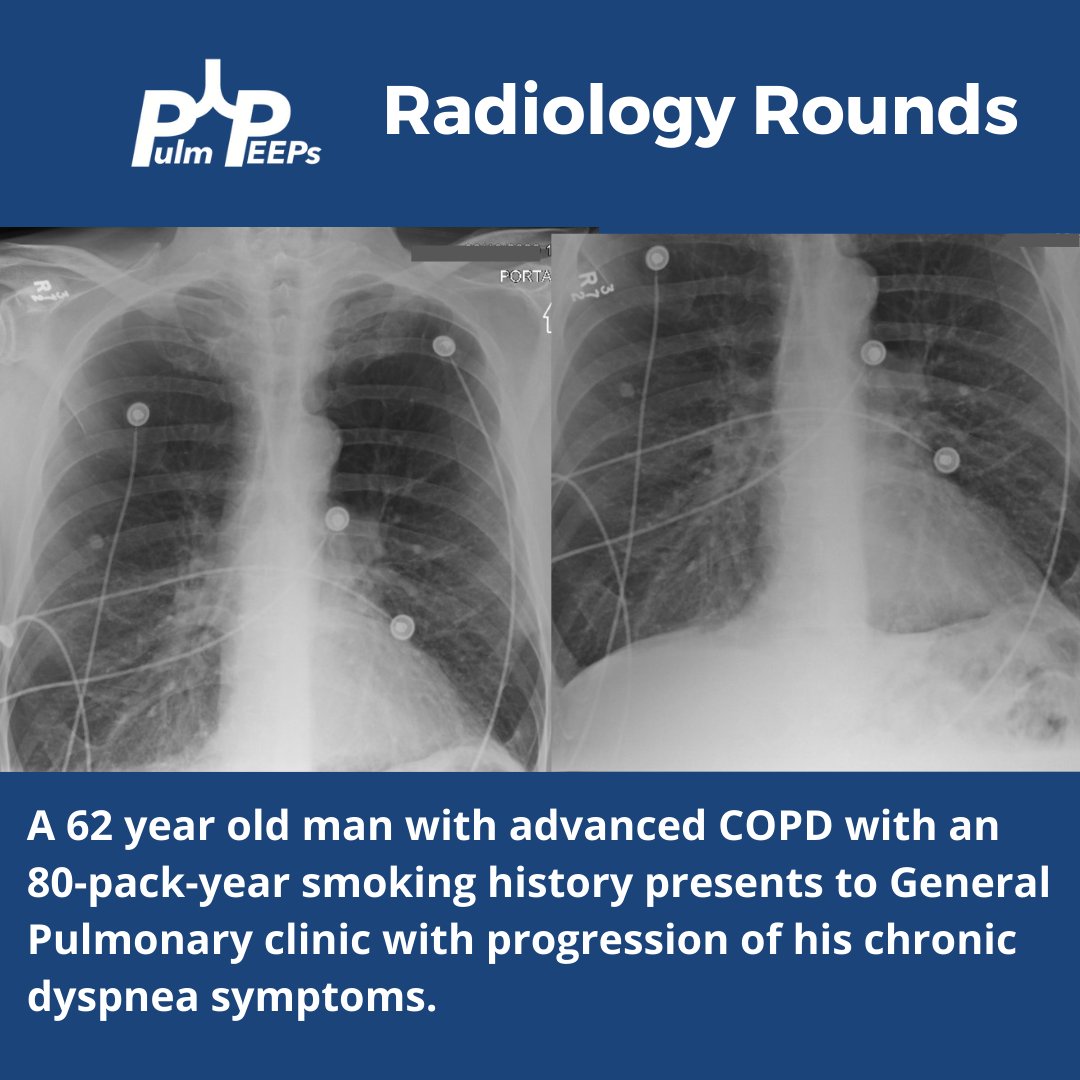
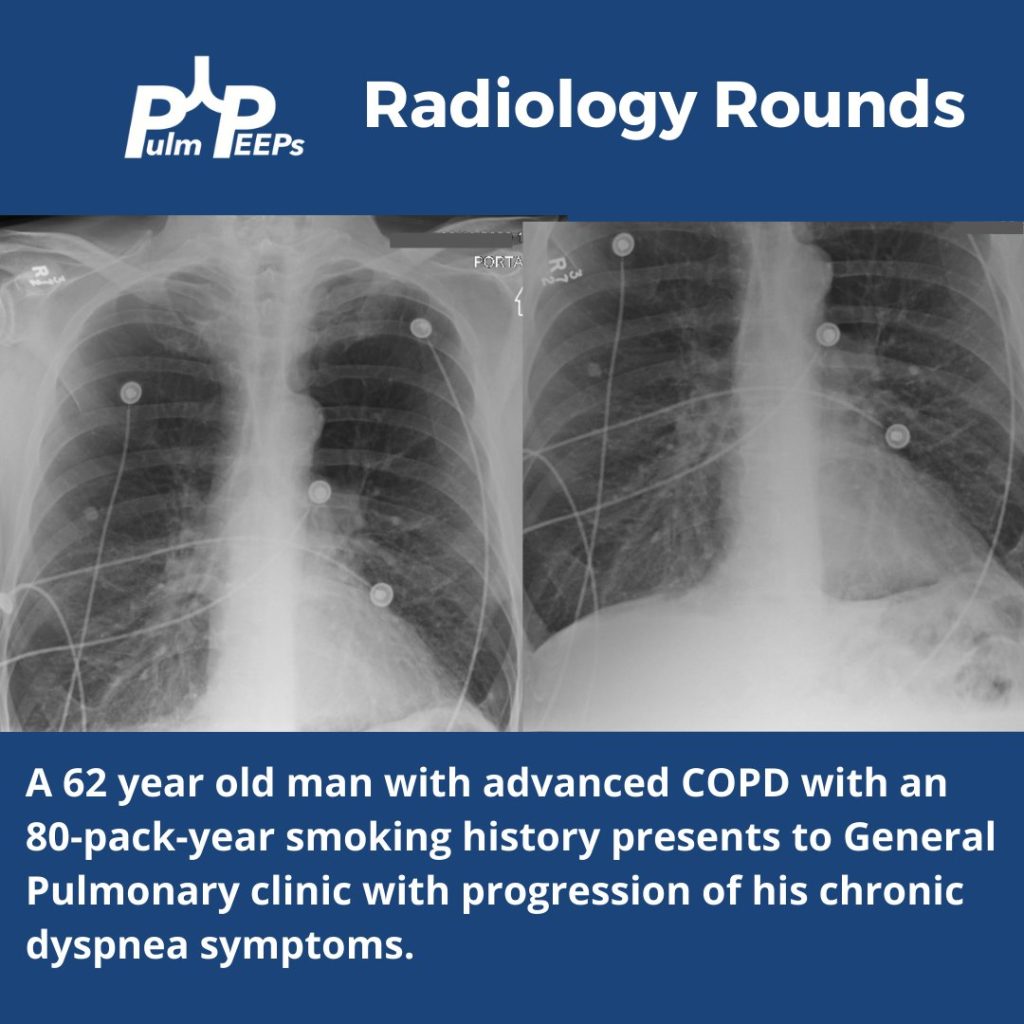
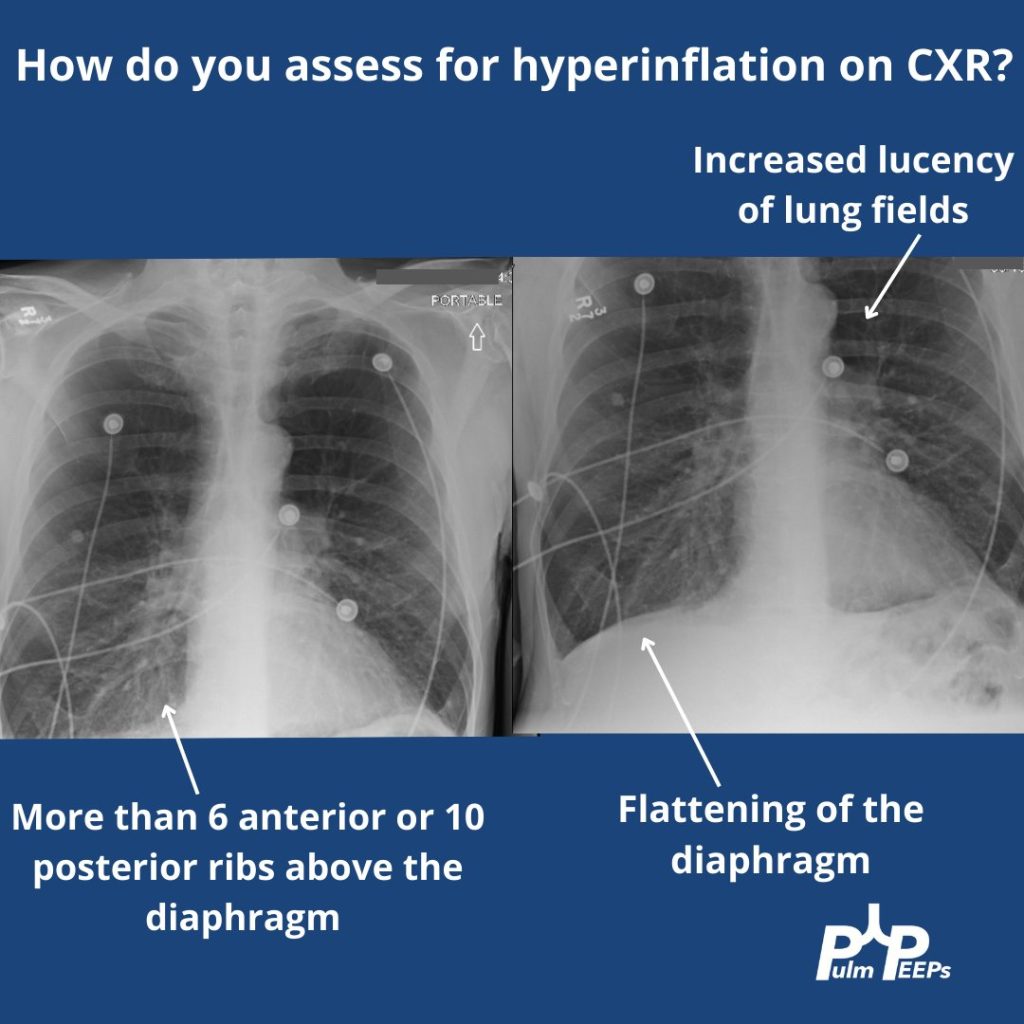
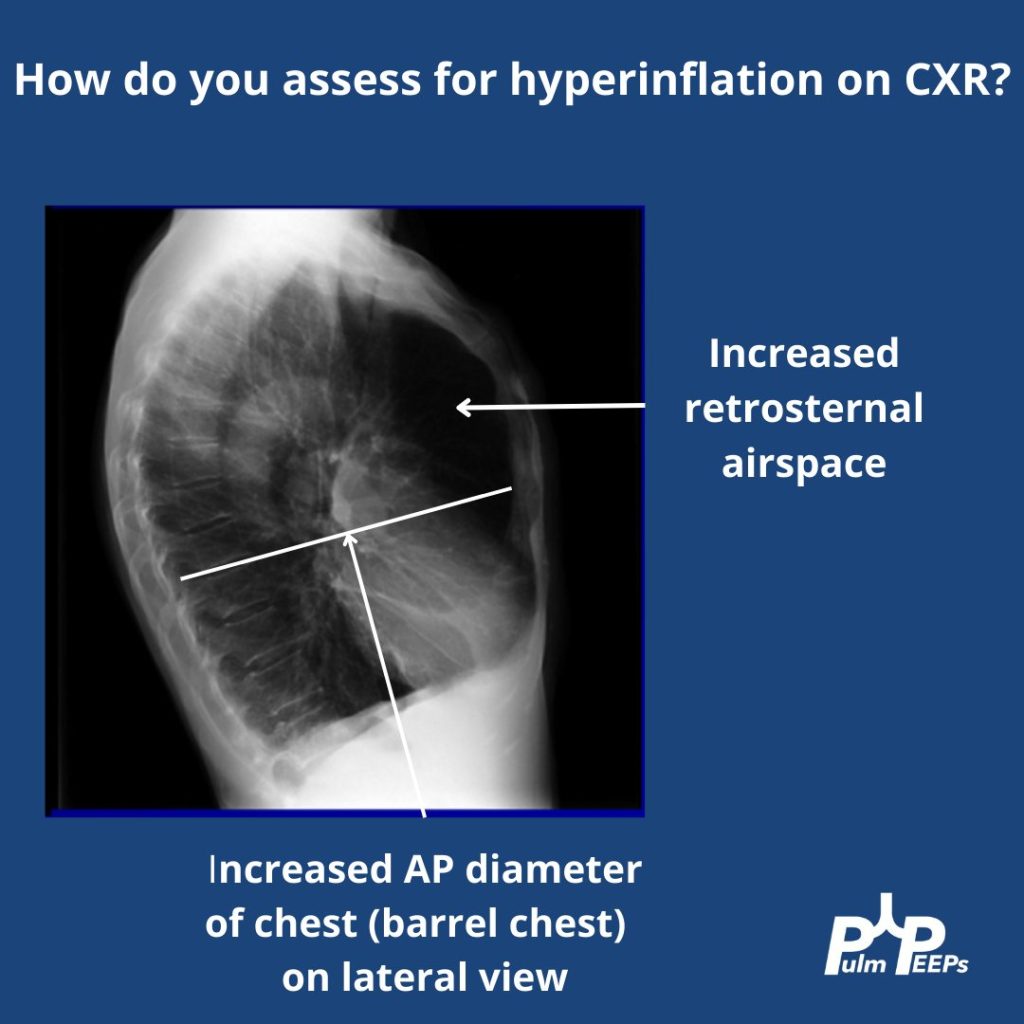
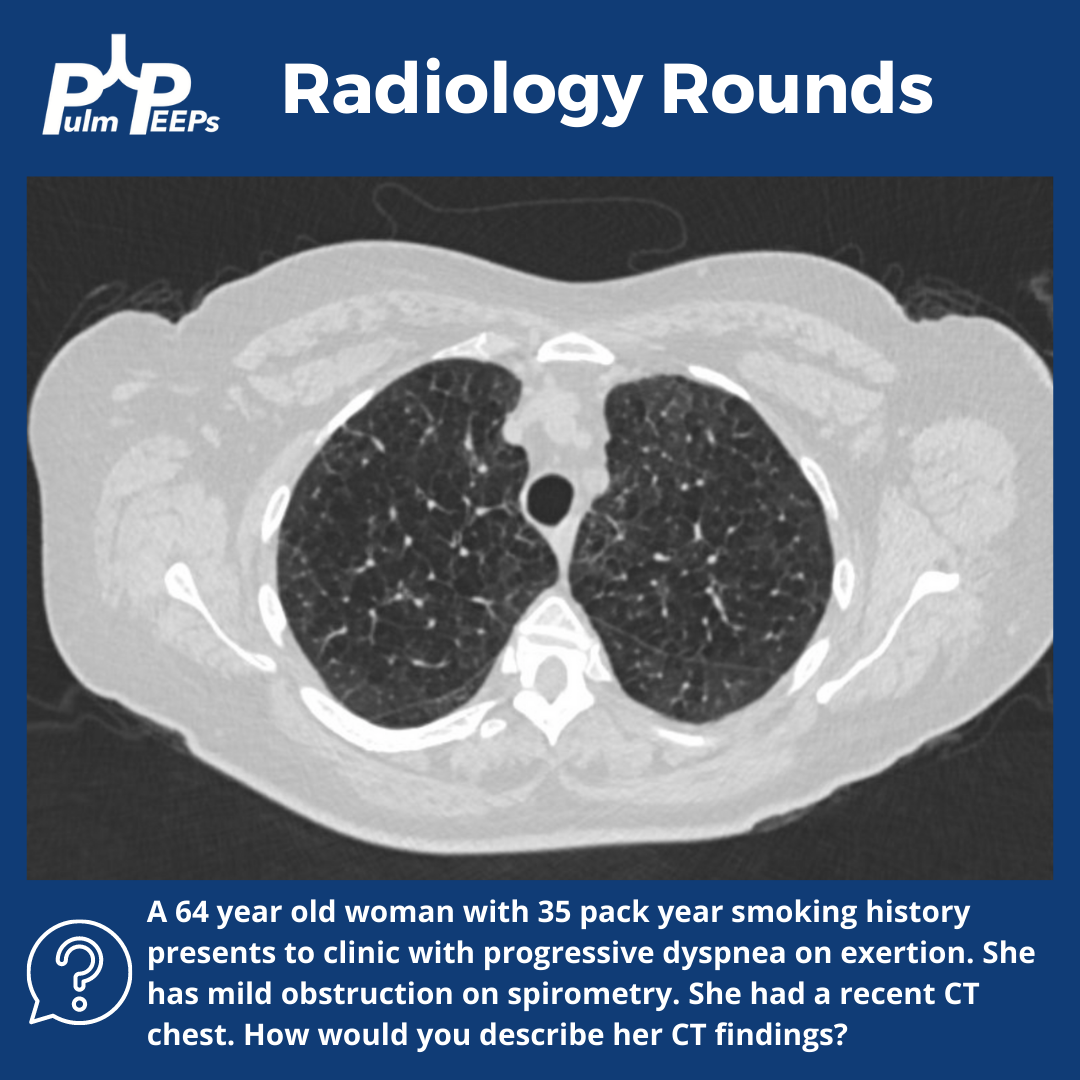
This week on #RadiologyRounds we continue our series on COPD. Make sure to listen to all our episodes made in collaboration with the ATS Clinical Problems Assembly.

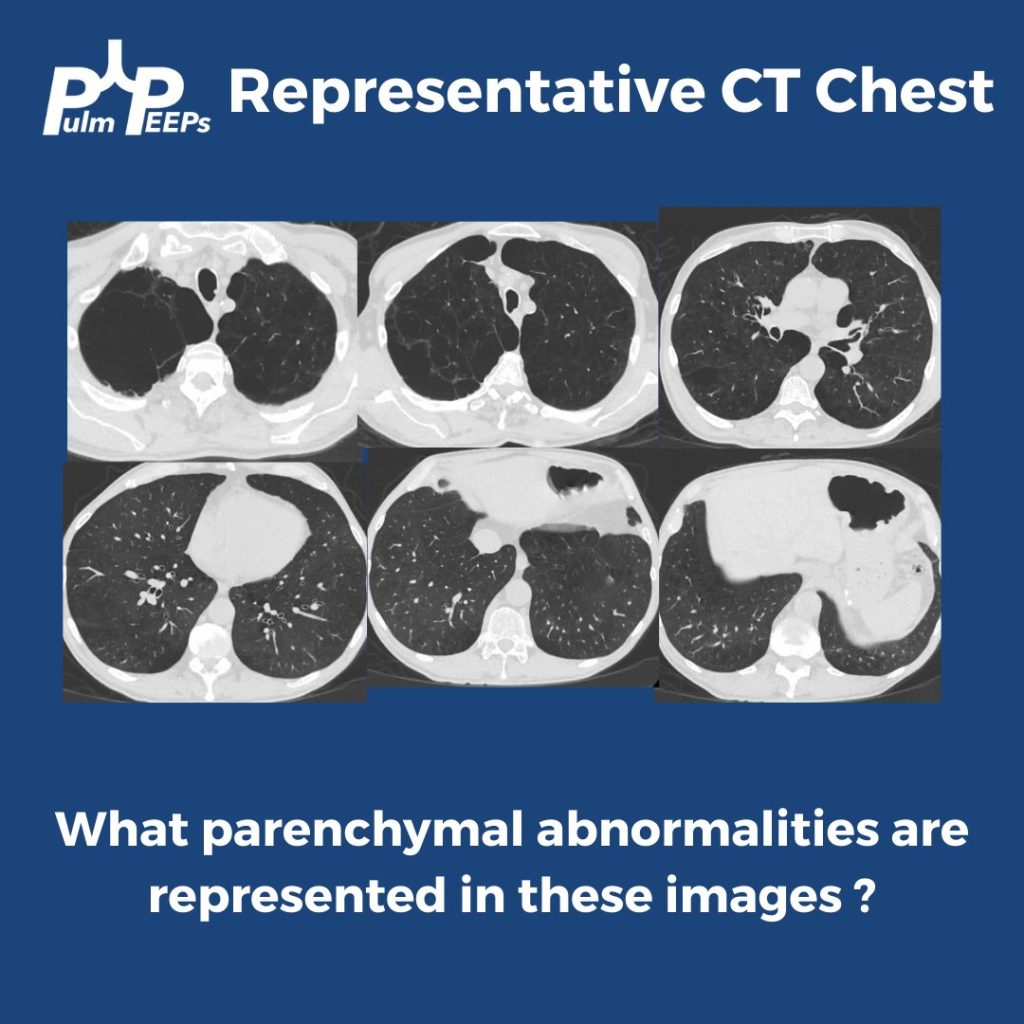
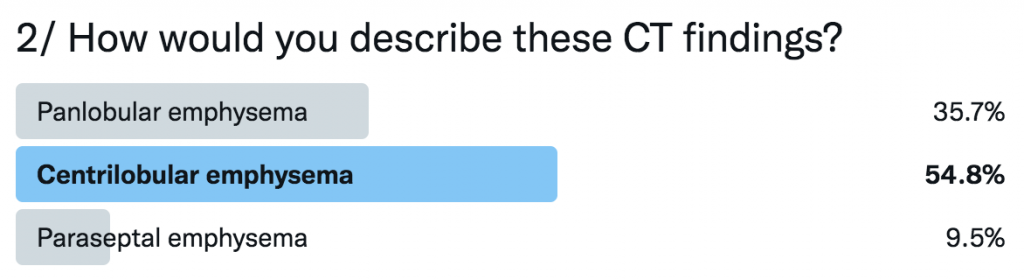
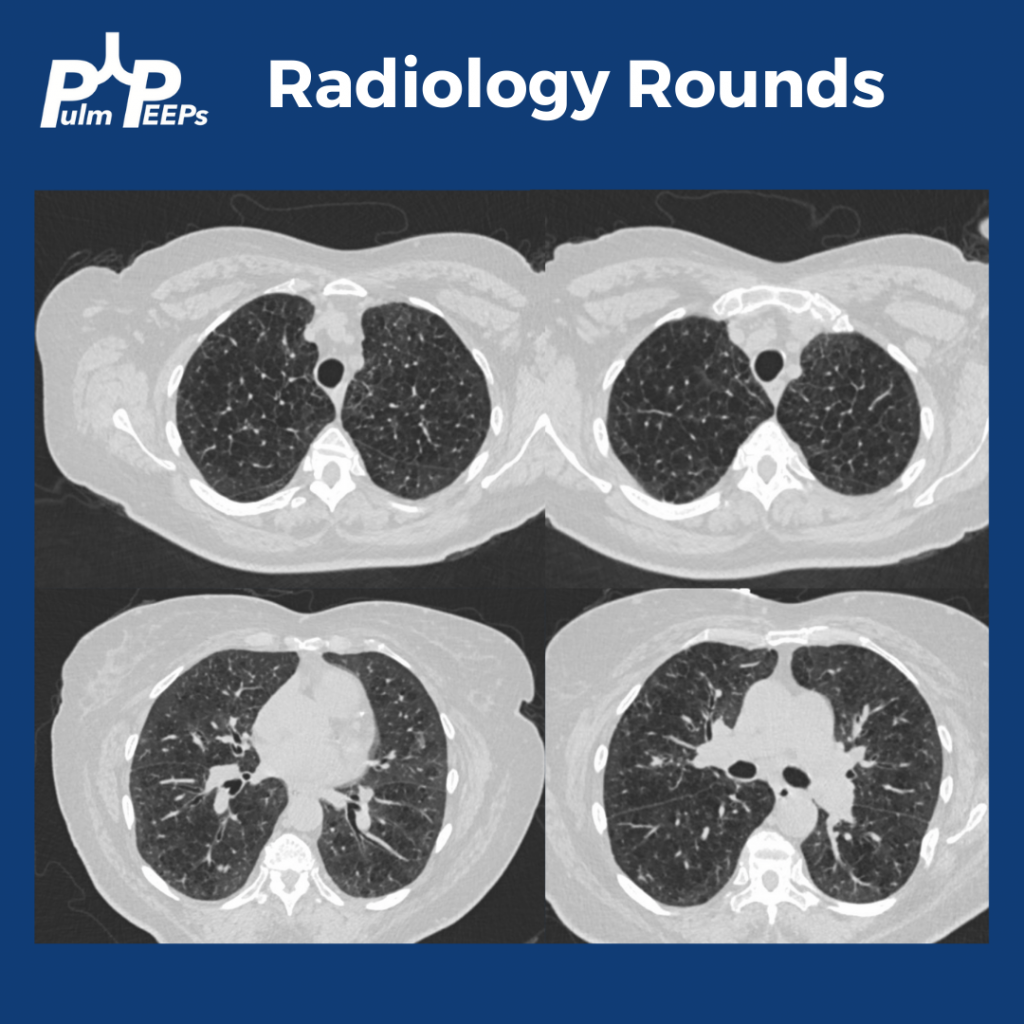
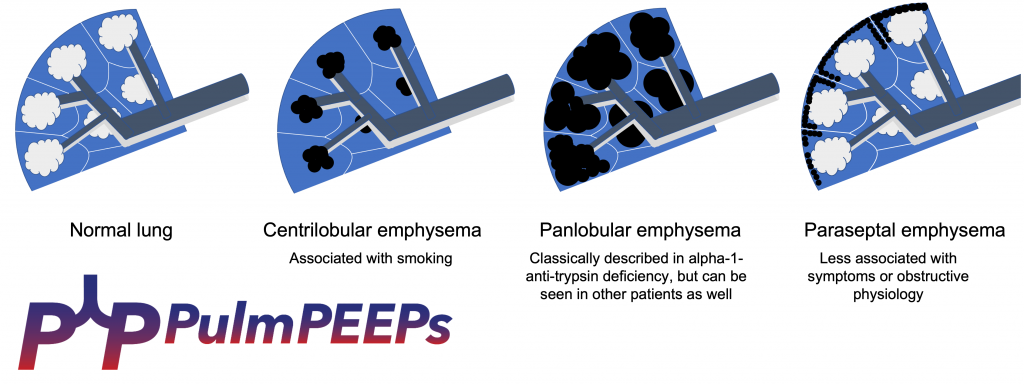
The CT shows moderate to severe centrilobular emphysema. These different patterns of emphysematous changes on CT can be related to the underlying driver of the disease and to symptom and disease severity.

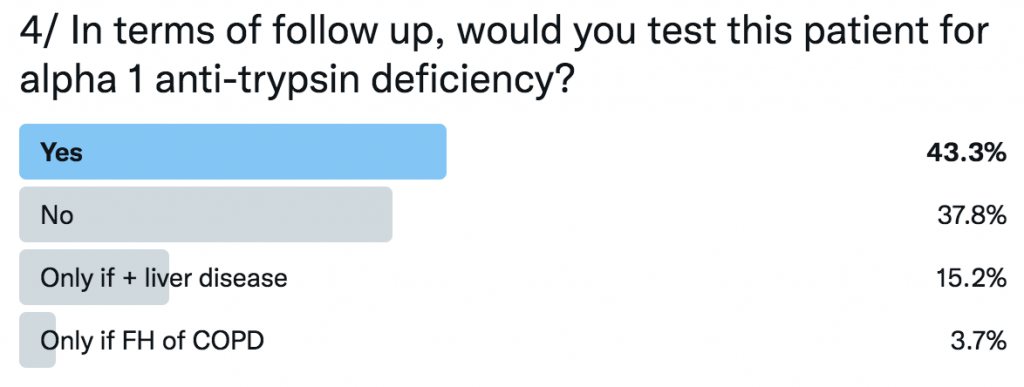
In terms of follow-up, would you test this patient for alpha 1 anti-trypsin deficiency?

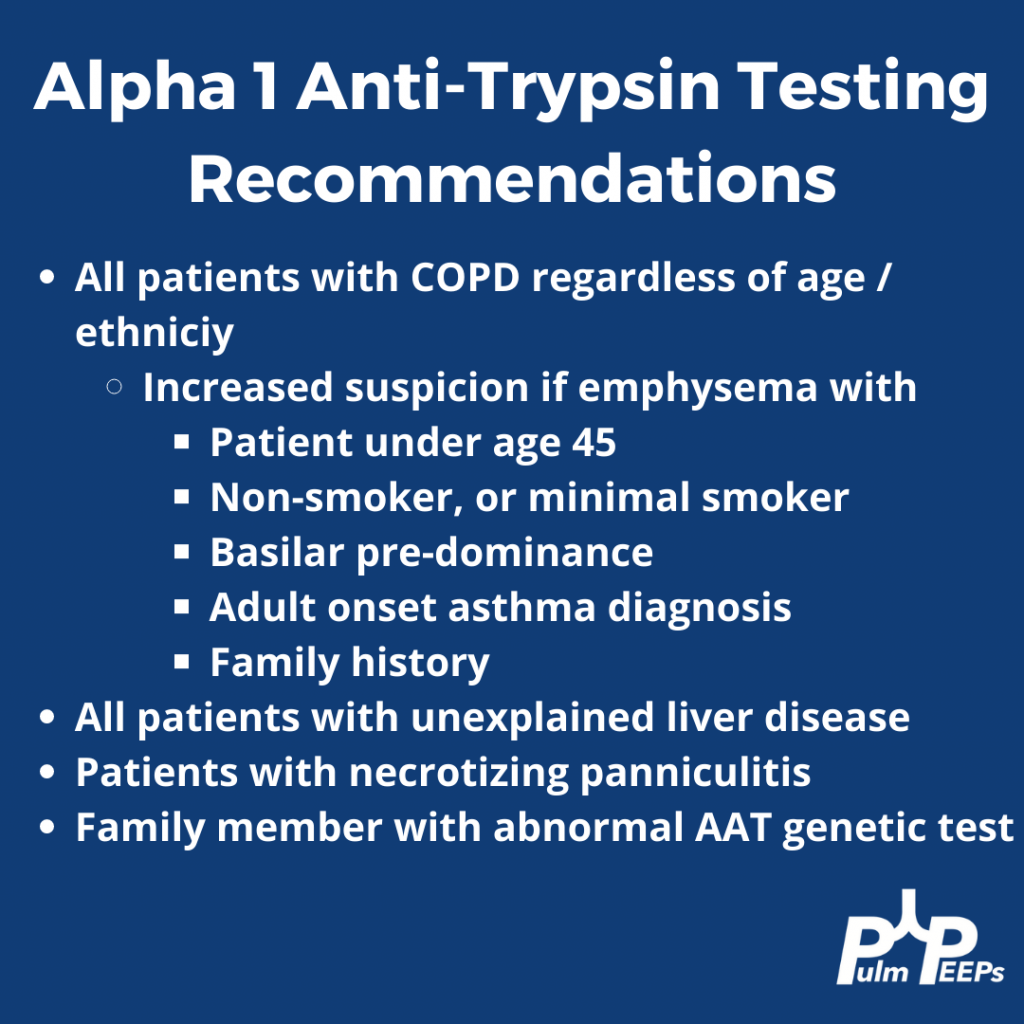
Current GOLD guidelines recommend that everyone with COPD, regardless of age or ethnicity should be tested for alpha 1 anti-trypsin deficiency.

15. COPD Exacerbations

COPD II ATS CP and PulmPEEPs

Today we have episode two in our Pulm PEEPs and ATS Clinical Problems Assembly collaborative series on COPD. We are joined by Dr. Brad Drummond and Dr. Allison Lambert to discuss COPD exacerbations. Make sure to check out episode 1 in the series and stay tuned for more great content.

Meet Our Guests

Brad Drummond is an Associate Professor of Medicine at UNC School of Medicine. He is also the Associate Division Chief of Outpatient Services, the Co-Medical Director of the Pulmonary Specialty Clinics at UNC, and the Director of the Obstructive Lung Diseases Clinical and Translational Research Center. He is also the incoming Assembly Chair for the ATS CP Assembly.

Allison Lambert is a Pulmonary and Critical Care physician at Providence Medical Group, where she is also the Director of the Adult Cystic Fibrosis Program and co-leads the Therapeutic Development Network. Her expertise spans CF, non-CF bronchiectasis as well as COPD. Allison is also a committee member in the ATS Clinical Problems Assembly

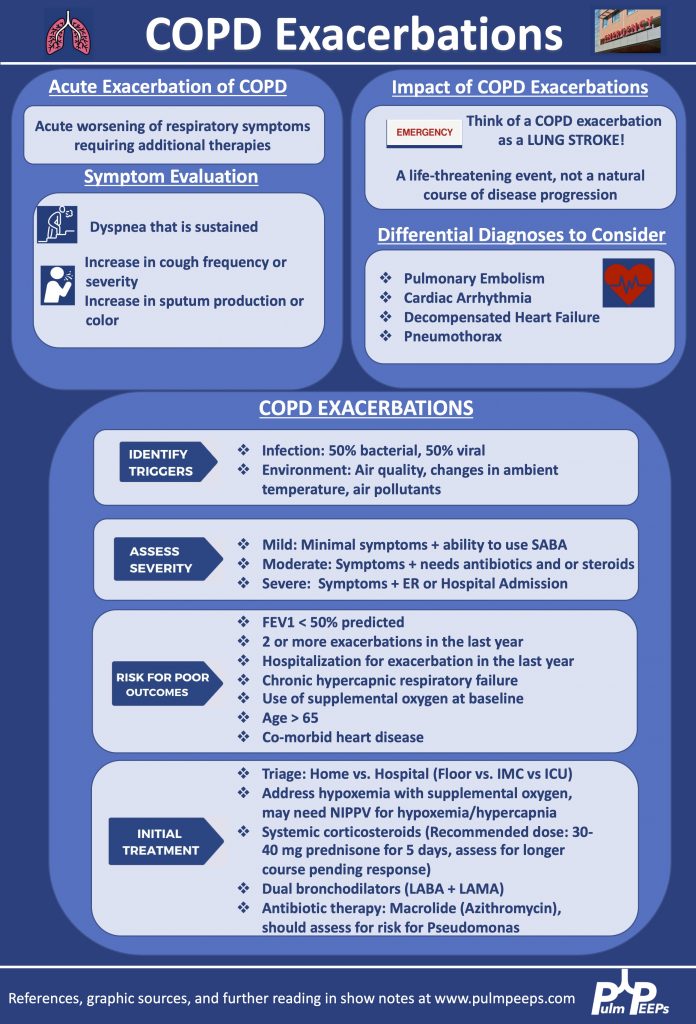
Key Learning Points

References

  1. Wedzicha JA, Miravitlles M, Hurst JR, et al. Management of COPD exacerbations: a European Respiratory Society/American Thoracic Society guideline. European Respiratory Journal. 2017;49(3). doi:10.1183/13993003.00791-2016
  2. Lindenauer PK, Dharmarajan K, Qin L, Lin Z, Gershon AS, Krumholz HM. Risk Trajectories of Readmission and Death in the First Year after Hospitalization for Chronic Obstructive Pulmonary Disease. Am J Respir Crit Care Med. 2018;197(8):1009-1017. doi:10.1164/rccm.201709-1852OC
  3. Leuppi JD, Schuetz P, Bingisser R, et al. Short-term vs Conventional Glucocorticoid Therapy in Acute Exacerbations of Chronic Obstructive Pulmonary Disease: The REDUCE Randomized Clinical Trial. JAMA. 2013;309(21):2223-2231. doi:10.1001/jama.2013.5023
  4. Johns Hopkins University. Roflumilast or Azithromycin to Prevent COPD Exacerbations (RELIANCE). clinicaltrials.gov; 2022. Accessed April 24, 2022. https://clinicaltrials.gov/ct2/show/NCT04069312
  5. Barnes PJ. Chronic Obstructive Pulmonary Disease. New England Journal of Medicine. 2000;343(4):269-280. doi:10.1056/NEJM200007273430407
  6. Celli BR, Wedzicha JA. Update on Clinical Aspects of Chronic Obstructive Pulmonary Disease. New England Journal of Medicine. 2019;381(13):1257-1266. doi:10.1056/NEJMra1900500
  7. Singh D, Agusti A, Anzueto A, et al. Global Strategy for the Diagnosis, Management, and Prevention of Chronic Obstructive Lung Disease: the GOLD science committee report 2019. Eur Respir J. 2019;53(5):1900164. doi:10.1183/13993003.00164-2019

13. COPD Classification and Practical Management Strategies

FQD0tecXwAENKqA

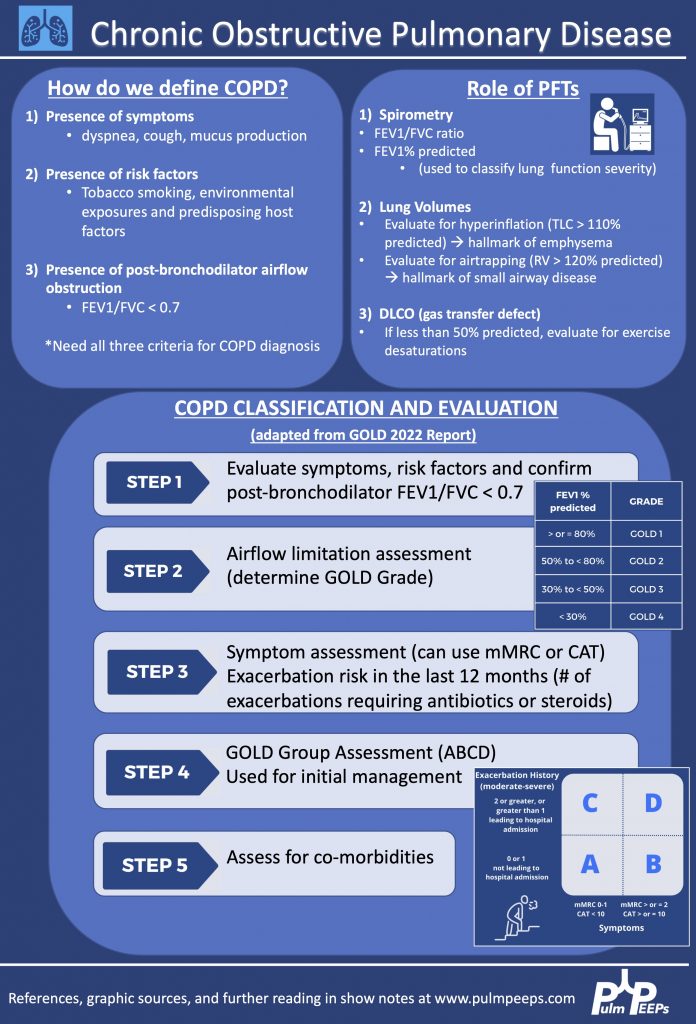
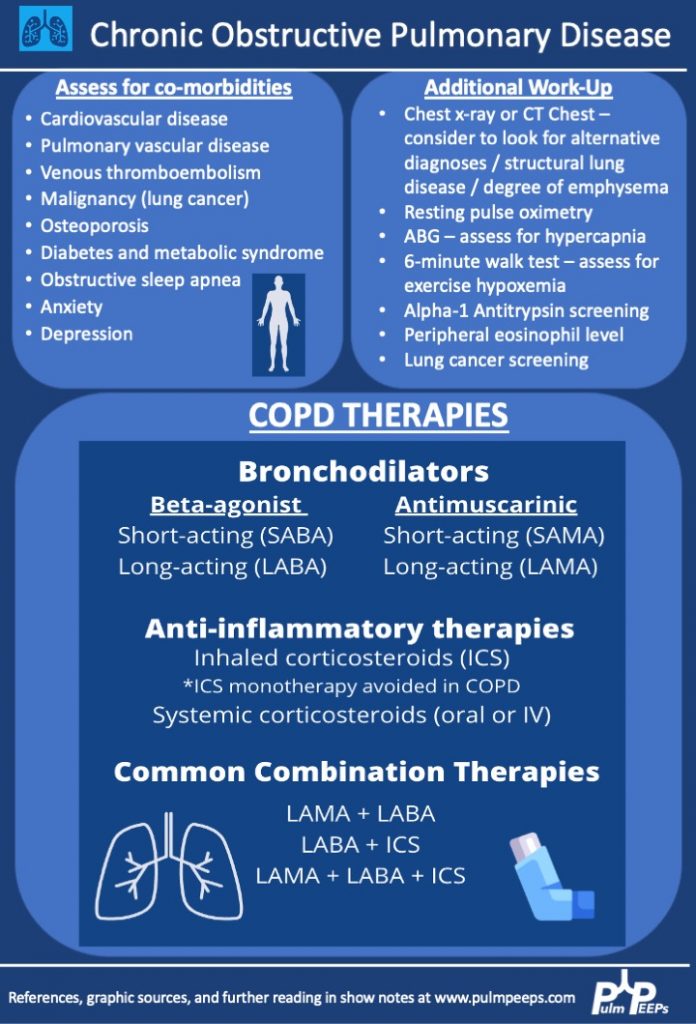
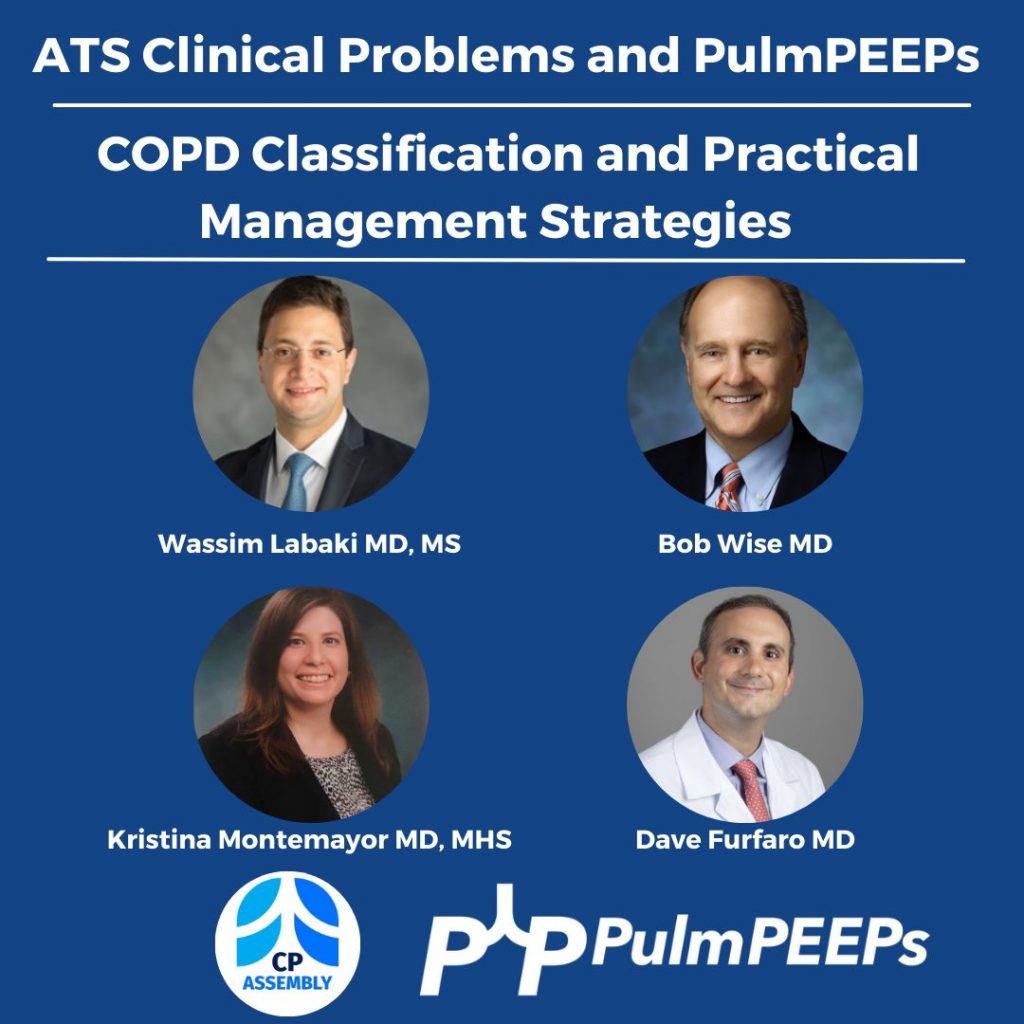
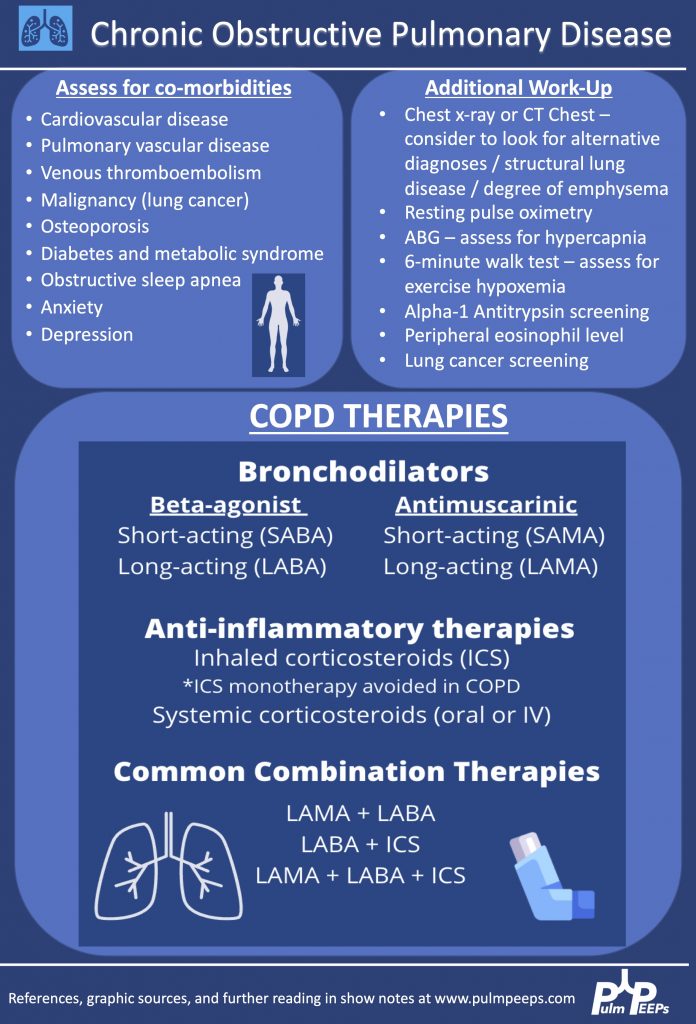
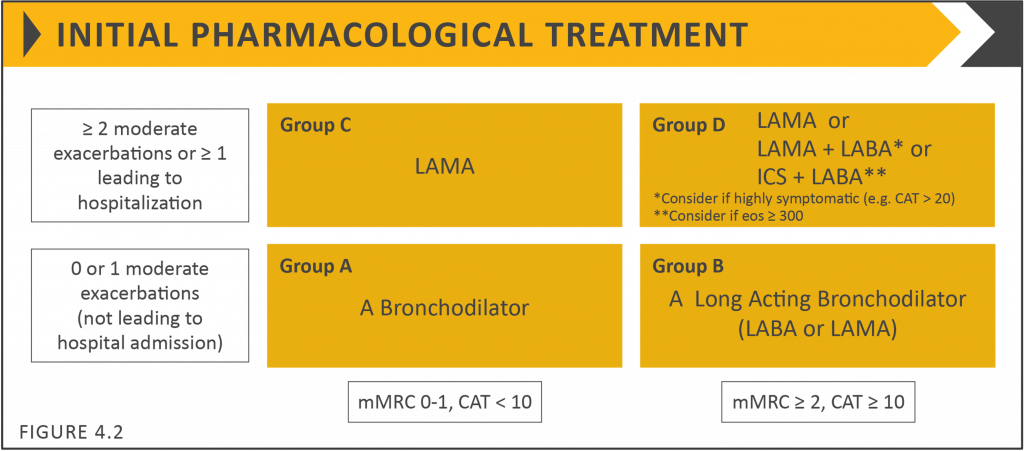
The Pulm PEEPs are extremely excited today to be launching our series on Chronic Obstructive Pulmonary Disease in partnership with the ATS Clinical Problems Assembly. We are joined by Dr. Bob Wise and Dr. Wassim Labaki to discuss the classification and initial workup of COPD, and management strategies from inhalers to pulmonary rehabilitation. Make sure to listen today and in the coming weeks for the rest of our COPD discussion.

Meet Our Guests

Dr. Bob Wise is a Professor of Medicine at Johns Hopkins School of Medicine and has served as the Medical Director of the Pulmonary Function Lab at the Johns Hopkins Asthma and Allergy Center. Bob is a leader in the care of patients with obstructive lung disease and his research focus has been conducting multi-center clinical trials in airway disease and is also a master physiologist. Bob has been involved in various capacities with ATS throughout his tenure as well and received the ATS CP Assembly Sreedhar Nair Lifetime Achievement Award in COPD.

Dr. Wassim Labaki is an Assistant Professor of Medicine in the Division of Pulmonary and Critical Care Medicine as well as the Medical Director of the Lung Volume Reduction Surgery Program at the University of Michigan. Wassim was the recipient of the Early Career Investigator Award in COPD from ATS in 2019 and currently is on the Program Committee of the ATS Clinical Problems Assembly.

Key Learning Points

Modified Medical Research Council (mMRC) Dyspnea Scale

mMRC Grade 0 = Only breathless with strenuous exercise

mMRC Grade 1 = Short of breath when hurrying on level ground, or walking up a slight hill

mMRC Grade 2 = Walking slower than people of the same age due to dyspnea, or stopping due to dyspnea when walking at my own pace on level ground

mMRC Grade 3 = Stopping for breath after walking 100 meters / a few minutes on level ground

mMRC Grade 4 = Too breathless to leave the house or breathless with getting dressed / undressed

Image source: Global Initiative for Chronic Obstructive Lung Disease https://goldcopd.org/

References and links for further reading

  1. Clinicians. Global Initiative for Chronic Obstructive Lung Disease – GOLD. Accessed April 11, 2022. https://goldcopd.org/clinicians/
  2. Miami CF 3300 P de LB. COPD Foundation | Take Action Today. Breathe Better Tomorrow. Accessed April 11, 2022. https://www.copdfoundation.org
  3. Barnes PJ. Chronic Obstructive Pulmonary Disease. New England Journal of Medicine. 2000;343(4):269-280. doi:10.1056/NEJM200007273430407
  4. Celli BR, Wedzicha JA. Update on Clinical Aspects of Chronic Obstructive Pulmonary Disease. New England Journal of Medicine. 2019;381(13):1257-1266. doi:10.1056/NEJMra1900500
  5. Criner GJ, Martinez FJ, Aaron S, et al. Current Controversies in Chronic Obstructive Pulmonary Disease. A Report from the Global Initiative for Chronic Obstructive Lung Disease Scientific Committee. Ann Am Thorac Soc. 2019;16(1):29-39. doi:10.1513/AnnalsATS.201808-557PS
  6. Martinez FJ, Agusti A, Celli BR, et al. Treatment Trials in Young Patients with Chronic Obstructive Pulmonary Disease and Pre-Chronic Obstructive Pulmonary Disease Patients: Time to Move Forward. Am J Respir Crit Care Med. 2022;205(3):275-287. doi:10.1164/rccm.202107-1663SO
  7. Rodriguez-Roisin R, Rabe KF, Vestbo J, Vogelmeier C, Agustí A, all previous and current members of the Science Committee and the Board of Directors of GOLD (goldcopd.org/committees/). Global Initiative for Chronic Obstructive Lung Disease (GOLD) 20th Anniversary: a brief history of time. Eur Respir J. 2017;50(1):1700671. doi:10.1183/13993003.00671-2017
  8. Singh D, Agusti A, Anzueto A, et al. Global Strategy for the Diagnosis, Management, and Prevention of Chronic Obstructive Lung Disease: the GOLD science committee report 2019. Eur Respir J. 2019;53(5):1900164. doi:10.1183/13993003.00164-2019