43. ATS 2023 Symposium Preview – Cardiac Arrest: New Science and Changing Guidelines

We’re podcasting again today from #ATS2023! Yesterday, we heard all about the conference in general, with some great recaps and previews of the remaining sessions. Today, we are coming to you in collaboration with the Critical Care Assembly to preview one of the symposiums they are hosting. This session is about Cardiac Arrest: New Science and Changing Guidelines and is happening today (the day of podcast release, 5/23/23)! If you’re interested in hearing more after the episode then please plan to attend at 2:15 PM in Room 150 A-B.

For those of you who aren’t at the conference, or couldn’t make this session, we’ll talk about some of the key points and discussion topics. We will additionally be talking to the chairs of other symposiums over the next coming months so stay tuned for some more highlights from ATS 2023.

Meet Our Guest

Ari Moskowitz is an Assistant Professor of Medicine at Montefiore Medical Center / Albert Einstein College of Medicine. He is additionally the MICU Director at Montefiore Einstein and Director of Critical Care Quality Improvement. He is an NIH-funded researcher and has conducted research in cardiac arrest care, sepsis, and ARDS.

Meet our Collaborators

The American Thoracic Society Critical Care Assembly is the largest Assembly in the American Thoracic Society. Their members include a diverse group of intensivists and care providers for both adult and pediatric critically ill patients. The primary goal of the Critical Care Assembly is to “improve the care of the critically ill through education, research, and professional development.”

References and Further Reading

  1. Nielsen N, Wetterslev J, Cronberg T, Erlinge D, Gasche Y, Hassager C, Horn J, Hovdenes J, Kjaergaard J, Kuiper M, Pellis T, Stammet P, Wanscher M, Wise MP, Åneman A, Al-Subaie N, Boesgaard S, Bro-Jeppesen J, Brunetti I, Bugge JF, Hingston CD, Juffermans NP, Koopmans M, Køber L, Langørgen J, Lilja G, Møller JE, Rundgren M, Rylander C, Smid O, Werer C, Winkel P, Friberg H; TTM Trial Investigators. Targeted temperature management at 33°C versus 36°C after cardiac arrest. N Engl J Med. 2013 Dec 5;369(23):2197-206. doi: 10.1056/NEJMoa1310519. Epub 2013 Nov 17. PMID: 24237006.
  2. Dankiewicz J, Cronberg T, Lilja G, Jakobsen JC, Levin H, Ullén S, Rylander C, Wise MP, Oddo M, Cariou A, Bělohlávek J, Hovdenes J, Saxena M, Kirkegaard H, Young PJ, Pelosi P, Storm C, Taccone FS, Joannidis M, Callaway C, Eastwood GM, Morgan MPG, Nordberg P, Erlinge D, Nichol AD, Chew MS, Hollenberg J, Thomas M, Bewley J, Sweet K, Grejs AM, Christensen S, Haenggi M, Levis A, Lundin A, Düring J, Schmidbauer S, Keeble TR, Karamasis GV, Schrag C, Faessler E, Smid O, Otáhal M, Maggiorini M, Wendel Garcia PD, Jaubert P, Cole JM, Solar M, Borgquist O, Leithner C, Abed-Maillard S, Navarra L, Annborn M, Undén J, Brunetti I, Awad A, McGuigan P, Bjørkholt Olsen R, Cassina T, Vignon P, Langeland H, Lange T, Friberg H, Nielsen N; TTM2 Trial Investigators. Hypothermia versus Normothermia after Out-of-Hospital Cardiac Arrest. N Engl J Med. 2021 Jun 17;384(24):2283-2294. doi: 10.1056/NEJMoa2100591. PMID: 34133859.
  3. Vallentin MF, Granfeldt A, Meilandt C, Povlsen AL, Sindberg B, Holmberg MJ, Iversen BN, Mærkedahl R, Mortensen LR, Nyboe R, Vandborg MP, Tarpgaard M, Runge C, Christiansen CF, Dissing TH, Terkelsen CJ, Christensen S, Kirkegaard H, Andersen LW. Effect of Intravenous or Intraosseous Calcium vs Saline on Return of Spontaneous Circulation in Adults With Out-of-Hospital Cardiac Arrest: A Randomized Clinical Trial. JAMA. 2021 Dec 14;326(22):2268-2276. doi: 10.1001/jama.2021.20929. PMID: 34847226; PMCID: PMC8634154.
  4. Yannopoulos D, Bartos J, Raveendran G, Walser E, Connett J, Murray TA, Collins G, Zhang L, Kalra R, Kosmopoulos M, John R, Shaffer A, Frascone RJ, Wesley K, Conterato M, Biros M, Tolar J, Aufderheide TP. Advanced reperfusion strategies for patients with out-of-hospital cardiac arrest and refractory ventricular fibrillation (ARREST): a phase 2, single centre, open-label, randomised controlled trial. Lancet. 2020 Dec 5;396(10265):1807-1816. doi: 10.1016/S0140-6736(20)32338-2. Epub 2020 Nov 13. PMID: 33197396; PMCID: PMC7856571.
  5. Suverein MM, Delnoij TSR, Lorusso R, Brandon Bravo Bruinsma GJ, Otterspoor L, Elzo Kraemer CV, Vlaar APJ, van der Heijden JJ, Scholten E, den Uil C, Jansen T, van den Bogaard B, Kuijpers M, Lam KY, Montero Cabezas JM, Driessen AHG, Rittersma SZH, Heijnen BG, Dos Reis Miranda D, Bleeker G, de Metz J, Hermanides RS, Lopez Matta J, Eberl S, Donker DW, van Thiel RJ, Akin S, van Meer O, Henriques J, Bokhoven KC, Mandigers L, Bunge JJH, Bol ME, Winkens B, Essers B, Weerwind PW, Maessen JG, van de Poll MCG. Early Extracorporeal CPR for Refractory Out-of-Hospital Cardiac Arrest. N Engl J Med. 2023 Jan 26;388(4):299-309. doi: 10.1056/NEJMoa2204511. PMID: 36720132.

31. Last Night in the ICU

Today we have a Pulm PEEPs special episode! Dave and Kristina chat post-call about their respective nights in the ICU. Hear about clinical reasoning on the fly, some crucial learning points, insights on procedural troubleshooting, and about the value of end-of-life discussions. The post-call brain fog and jokes only add to the learning fun!

References and Further Reading

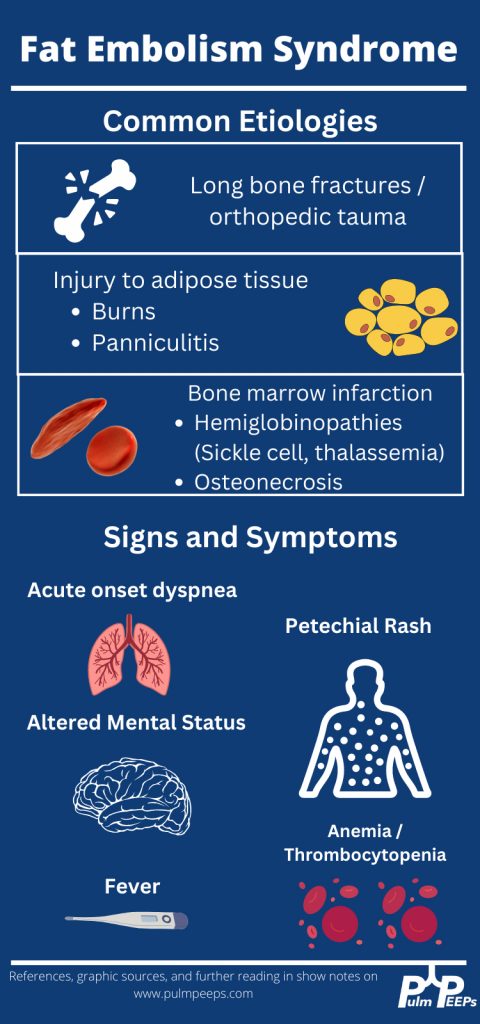
Stein PD, Yaekoub AY, Matta F, Kleerekoper M. Fat embolism syndrome. Am J Med Sci. 2008 Dec;336(6):472-7. doi: 10.1097/MAJ.0b013e318172f5d2. PMID: 19092320.

Kainoh T, Iriyama H, Komori A, Saitoh D, Naito T, Abe T. Risk Factors of Fat Embolism Syndrome After Trauma: A Nested Case-Control Study With the Use of a Nationwide Trauma Registry in Japan. Chest. 2021 Mar;159(3):1064-1071. doi: 10.1016/j.chest.2020.09.268. Epub 2020 Oct 13. PMID: 33058815.

Lara AR, Schwarz MI. Diffuse alveolar hemorrhage. Chest. 2010 May;137(5):1164-71. doi: 10.1378/chest.08-2084. PMID: 20442117.

26. A Case of AMS, Renal Failure, and Hemolysis

This week on Pulm PEEPs, we have another great case episode. We’re switching up the format a bit, and instead of introducing our guests in the beginning, we’ll bring them in consultants as we need to. Luckily, we’re joined by Pulm PEEPs Associated Editor Luke Hedrick to walk us through the case. Let us know your thoughts and if you have any other pearls to add!

Meet Our Guests

Rakhi Naik an Associate Professor of Medicine at Johns Hopkins Hospital and the Associate Director for the Hematology / Oncology Fellowship program. She also has a Masters in Health Sciences from the Johns Hopkins Bloomberg School of Public Health. She has expertise in an array of non-malignant hematology disorders and focuses specifically on sickle cell in her research. She is also an outstanding and dedicated educator and serves as the Chair of the American Society of Hematology Hematology-Focused Training Program Consortium to develop innovative training pathways for non-malignant heme.

Patient Presentation

A 60-year-old woman with a past medical history of hypertension, diabetes, stage 4 chronic kidney disease, COPD, HFpEF, chronic pain on methadone, hyperparathyroidism s/p parathyroidectomy that was c/b hypothyroidism now on thyroid hormone replacement, and a recent admission for nonconvulsive status epilepticus is brought to an outside hospital by EMS with encephalopathy and shaking. 

When EMS gets her to the other hospital her GCS was 5, so she was intubated for airway protection and started on fentanyl and midazolam drips. Details of labs and imaging are scarce, but we know that she had a CT head that was normal, a CXR with a report of pulmonary edema, and labs with a Cr of 2.4, serum bicarbonate of 14, and a pH from a VBG of 7.1 with pCO2 of 38.

Key Learning Points

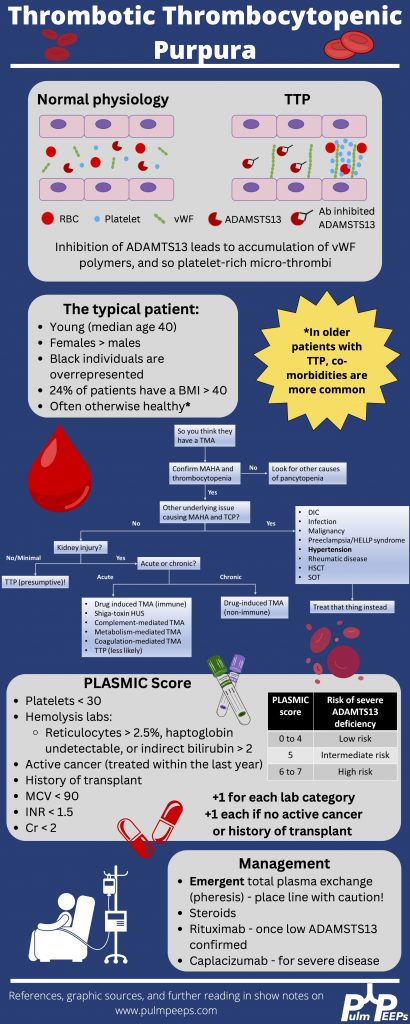
*Spoilers ahead* The infographic below highlighting key points gives away the diagnosis in this case so if you want to work through the case on your own, we recommend listening to the episode first.

References and further reading

  1. George JN. Thrombotic Thrombocytopenic Purpura. New England Journal of Medicine. 2006;354(18):1927-1935. doi:10.1056/NEJMcp053024
  2. Joly BS, Coppo P, Veyradier A. Thrombotic thrombocytopenic purpura. Blood. 2017;129(21):2836-2846. doi:10.1182/blood-2016-10-709857
  3. Kremer Hovinga JA, Coppo P, Lämmle B, Moake JL, Miyata T, Vanhoorelbeke K. Thrombotic thrombocytopenic purpura. Nat Rev Dis Primers. 2017;3(1):1-17. doi:10.1038/nrdp.2017.20
  4. Scully M, Cataland SR, Peyvandi F, et al. Caplacizumab Treatment for Acquired Thrombotic Thrombocytopenic Purpura. New England Journal of Medicine. 2019;380(4):335-346. doi:10.1056/NEJMoa1806311
  5. Sukumar S, Lämmle B, Cataland SR. Thrombotic Thrombocytopenic Purpura: Pathophysiology, Diagnosis, and Management. J Clin Med. 2021;10(3):536. doi:10.3390/jcm10030536

25. ARDS Precision Medicine & Phenotypes Roundtable

We’re very excited this week on Pulm PEEPs to be resuming our Roundtable series. We are joined by two outstanding critical care doctors to discuss precision medicine in the ICU, specifically ARDS phenotypes. This is a topic of increasing clinical and research interest, and personalized medicine in the ICU will certainly change the landscape of how care is delivered in the coming years and decades. We are honing in on ARDS today and how phenotyping can influence future research and clinical care.

Meet Our Guests

Carolyn Calfee is a Professor of Medicine and Anesthesia at the University of California, San Francisco. She is a leader in the field of ARDS research and a pioneer in the field of ARDS phenotyping research. She has received numerous NIH grants and has literally 100s of publications on ARDS and other topics. She is also a previous ATS CC Assembly chair, and in 2022 received the ATS Recognition Award for Scientific Accomplishments.

Annette Esper is an Associate Professor of Medicine at Emory University School of Medicine. She works clinically in critical care and is the Medical Director of the stepdown Intensive Care Unit at Grady Memorial Hospital. In addition to her clinical activities, Annette does both clinical and translational research in ARDS, and was the Assembly Chair for the ATS Critical Care Assembly from 2021 – 2022.

Key Learning Points

Berlin Criteria of ARDS:

— Acute symptoms developing within 7 days of a known insult

— Bilateral airspace opacites on chest imaging

— Hypoxemia not fully explained by cardiogenic pulmonary edema

— P:F ratio < 300 on a PEEP of 5

Heterogeneity in ARDS

— ARDS has a broad definition so it is comprised of people with a wide range of disease characteristics and severity

— There is heterogeneity in clinical characteristics, but also underlying biological drivers of disease

— Heterogeneity stymies research efforts to identify effective therapies in ARDS

Phenotyping in ARDS

— There are many ways of phenotyping for critical illness and ARDS

1. Etiology. Examples: COVID vs non-COVID, pulmonary vs non-pulmonary, bacterial vs viral

2. Physiologic phenotypes: Severity (Berlin criteria P:F ratio); Compliance, Ventilatory ratio

3. Biological phenotypes: Different underlying drivers of disease

— The motivation for phenotyping is to find treatment-responsive subgroups within the broader heterogeneous subgroups

— Phenotyping embodies more than risk factors, because it includes information about the host response, not just predictors of outcome

Biomarkers in ARDS

— There is probably a role for biomarkers in ARDS clinically and in research

> Prognostication

> Identify who will be responsive to specific therapies

> May not be one biomarker, will likely be a panel

— What is the perfect ARDS biomarker?

> Specific: identify a group of patients that are at risk, or respond to therapies differently

> Easily measurable at the bedside

> Reliable

> Reproducible

— Challengers in identifying useful biomarkers

> Heterogeneity of disease

> Real world applicability. For example, can you get IL-6 back in real-time? Can you apply it consistently when labs have different testing techniques and scales?

> Temporal stability – how do biomarkers change over the time course of ARDS?

— Biomarkers of interest

> Inflammatory markers (IL-6, IL-8, TNF)

> sRAGE – Soluble receptor for advanced glycation end products

> Highest levels on type 1 alveolar epithelial cells

> Seems to be a marker of alveolar epithelial injuries

> Meta-genomic sequencing of patients in a real-time environment

Latent class analysis

— Clustering technique that, agnostic to outcomes, looks for existing groups within the data

— Ideally, identifies biologically distinct phenotypes that may have different prognoses or response to therapy

Omics in ARDS

— Existing risk scores are quite limited, so using biological data to distinguish patients seems promising.

— Unbiased approach to identifying subgroups to identify patients that behave similarly biologically

— Omics is really thinking about endotyping patients and identifying the biological processes that are driving phenotypes

Hypo and hyperinflammatory phenotypes in ARDS

— Described by LCA incorporating demographics, clinical data, labs, vital signs, 6-8 plasma protein biomarkers

— Importantly, the groups were identified agnostically to outcomes.

— Distinguished by:

> Inflammatory biomarkers (IL-6, IL-8, TNF 1)

> Acidosis

> Shock, vasopressor requirement, and multi-system organ failure

— Consistently across 8 different data sets

— Both RCTs and observational cohorts

— Hyperinflammatory phenotype has dramatically worse clinically outcomes (higher mortality, fewer VFD)

— The different phenotypes respond differently to therapies retrospectively in RCTs

— The phenotypes did respond differently to PEEP, fluids conservative therapy, and simvastatin.

— This was not seen universally (rosuvastatin did not have differential treatment response)

— Note: We don’t really know that inflammation is at the heart of the pathogenesis of what distinguishes these two groups. The “hypoinflammatory” phenotype still has elevated levels of inflammatory biomarkers compared to controls.

What is next?

— This is all just subgroup analysis.

— These hypotheses still need to be tested prospectively

— Need to be able to easily identify the phenotypes quickly and easily

— Working on biomarker-based and non-biomarker-based clinical classifications

Key Quote:

Dr. Calfee “My takeaway point would be, there is no one best or one right way to phenotype these patients. I think there are numerous different approaches that we’re probably going to be using over the years. But I would say that what we want to focus on is what has the potential to change outcomes for our patients and to really identify individual patients or groups of patients that respond differently to therapies. And I think if we can keep that goal in mind and start testing some of these hypotheses prospectively we’re going to make progress.”

References and links for further reading

  1. Sinha P, Calfee CS. Phenotypes in ARDS: Moving Towards Precision Medicine. Curr Opin Crit Care. 2019;25(1):12-20. doi:10.1097/MCC.0000000000000571
  2. Calfee CS, Delucchi KL, Sinha P, et al. Acute respiratory distress syndrome subphenotypes and differential response to simvastatin: secondary analysis of a randomised controlled trial. Lancet Respir Med. 2018;6(9):691-698. doi:10.1016/S2213-2600(18)30177-2
  3. Matthay MA, Arabi YM, Siegel ER, et al. Phenotypes and personalized medicine in the acute respiratory distress syndrome. Intensive Care Med. 2020;46(12):2136-2152. doi:10.1007/s00134-020-06296-9
  4. Wilson JG, Calfee CS. ARDS Subphenotypes: Understanding a Heterogeneous Syndrome. Crit Care. 2020;24(1):102. doi:10.1186/s13054-020-2778-x
  5. Yang P, Esper AM, Martin GS. The Future of ARDS Biomarkers: Where Are the Gaps in Implementation of Precision Medicine? In: Vincent JL, ed. Annual Update in Intensive Care and Emergency Medicine 2020. Annual Update in Intensive Care and Emergency Medicine. Springer International Publishing; 2020:91-100. doi:10.1007/978-3-030-37323-8_7

21. Post Intensive Care Syndrome (PICS)

Today on Pulm PEEPs, we are joined by two pioneers in the field of post-intensive care outcomes and delirium research. Drs. Dale Needham and Wes Ely talk to us all about the Post Intensive Care Syndrome (PICS) and cover everything from how it was first recognized, to the impact it has, and, most importantly, what we can do to prevent it. This is a huge topic in the field of critical care and we’re thrilled to be delving into it with such knowledgeable guides.

Meet Our Guests

Wes Ely is the Grant W. Liddle Chair in Medicine and a Professor of Medicine at Vanderbilt University Medical Center. He is also the Associate Director of Aging Research at the VA Tennessee Valley Geriatric Research and Education Clinical Center and the co-director of the Critical, Illness, Brain Dysfunction and Survivorship Center. He has published 100s of manuscripts on critical illness survivorship and delirium. He also published a book called “Every Deep-Drawn Breath” about his and his patients’ experiences in the ICU and about the ramifications of critical illness. All net proceeds for the book are going to the CIBS Center Endowment for Survivorship

Dale Needham is a Professor of Medicine at Johns Hopkins, where he is also the Medical Director of the Critical Care Physical Medicine and Rehabilitation Program and the Director of the Outcomes After Critical Illness and Surgery Group. He is the author of 100s of publications focusing on post-ICU outcomes and has received numerous research grants from the NIH and other organizations.

Key Learning Points

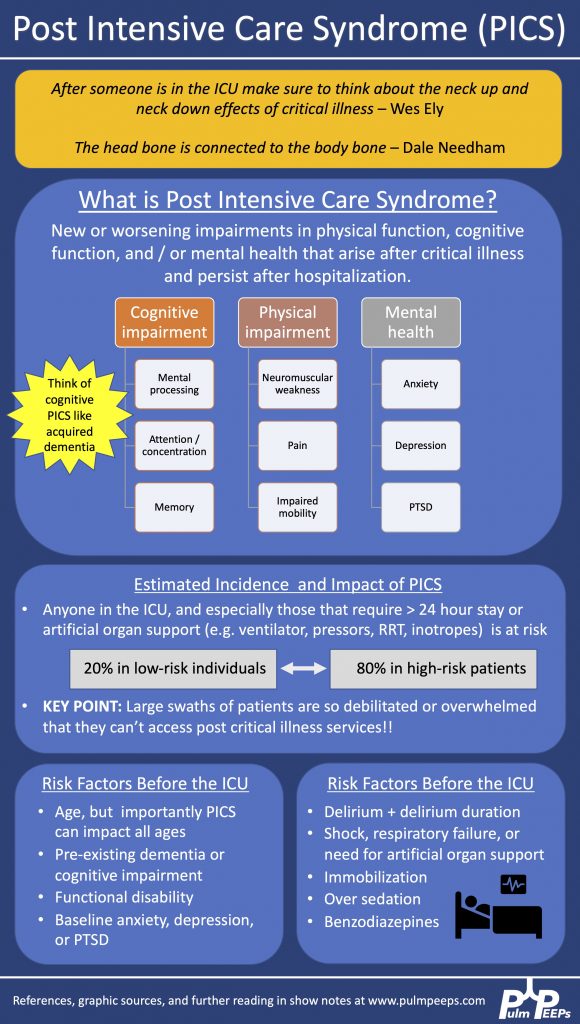
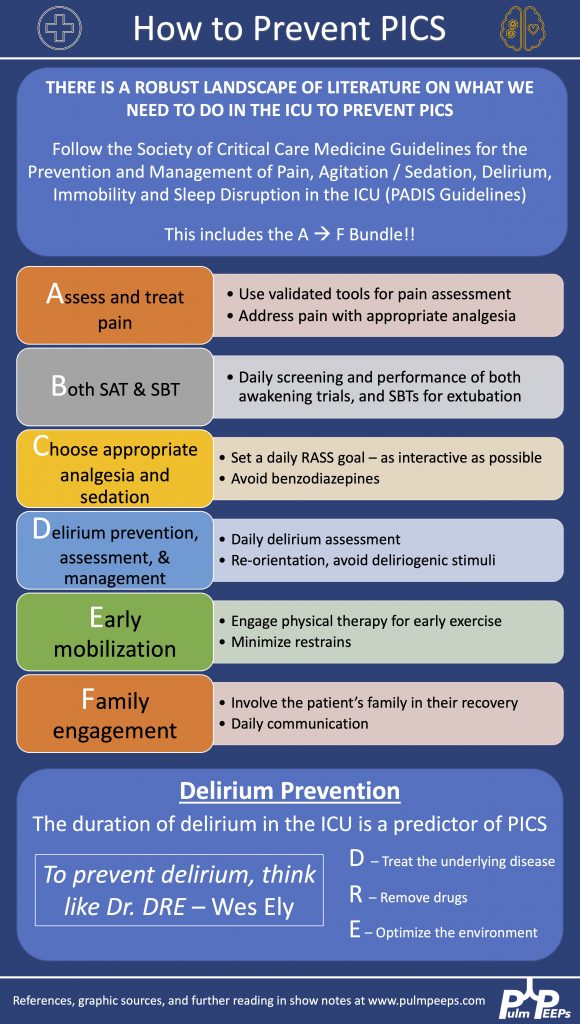
Visit our website www.pulmpeeps.com to see the key learning points from this episode summarized in two infographics.

References and links for further reading

  1. Devlin JW, Skrobik Y, Gélinas C, et al. Executive Summary: Clinical Practice Guidelines for the Prevention and Management of Pain, Agitation/Sedation, Delirium, Immobility, and Sleep Disruption in Adult Patients in the ICU. Critical Care Medicine. 2018;46(9):1532-1548. doi:10.1097/CCM.0000000000003259
  2. Ely EW. The ABCDEF Bundle: Science and Philosophy of How ICU Liberation Serves Patients and Families. Crit Care Med. 2017;45(2):321-330. doi:10.1097/CCM.0000000000002175
  3. Mikkelsen ME, Still M, Anderson BJ, et al. Society of Critical Care Medicine’s International Consensus Conference on Prediction and Identification of Long-Term Impairments After Critical Illness. Crit Care Med. 2020;48(11):1670-1679. doi:10.1097/CCM.0000000000004586
  4. Needham DM, Sepulveda KA, Dinglas VD, et al. Core Outcome Measures for Clinical Research in Acute Respiratory Failure Survivors. An International Modified Delphi Consensus Study. Am J Respir Crit Care Med. 2017;196(9):1122-1130. doi:10.1164/rccm.201702-0372OC
  5. Needham DM, Wozniak AW, Hough CL, et al. Risk Factors for Physical Impairment after Acute Lung Injury in a National, Multicenter Study. Am J Respir Crit Care Med. 2014;189(10):1214-1224. doi:10.1164/rccm.201401-0158OC
  6. Semler MW, Bernard GR, Aaron SD, et al. Identifying Clinical Research Priorities in Adult Pulmonary and Critical Care. NHLBI Working Group Report. Am J Respir Crit Care Med. 2020;202(4):511-523. doi:10.1164/rccm.201908-1595WS
  7. Spruit MA, Holland AE, Singh SJ, Tonia T, Wilson KC, Troosters T. COVID-19: Interim Guidance on Rehabilitation in the Hospital and Post-Hospital Phase from a European Respiratory Society and American Thoracic Society-coordinated International Task Force. Eur Respir J. Published online August 13, 2020:2002197. doi:10.1183/13993003.02197-2020
  8. Turnbull AE, Sepulveda KA, Dinglas VD, Chessare CM, Bingham CO, Needham DM. Core Domains for Clinical Research in Acute Respiratory Failure Survivors: An International Modified Delphi Consensus Study. Crit Care Med. 2017;45(6):1001-1010. doi:10.1097/CCM.0000000000002435
  9. Ward DS, Absalom AR, Aitken LM, et al. Design of Clinical Trials Evaluating Sedation in Critically Ill Adults Undergoing Mechanical Ventilation: Recommendations From Sedation Consortium on Endpoints and Procedures for Treatment, Education, and Research (SCEPTER) Recommendation III. Crit Care Med. 2021;49(10):1684-1693. doi:10.1097/CCM.0000000000005049
  10. Ozga D, Krupa S, Witt P, Mędrzycka-Dąbrowska W. Nursing Interventions to Prevent Delirium in Critically Ill Patients in the Intensive Care Unit during the COVID19 Pandemic—Narrative Overview. Healthcare. 2020;8:578. doi:10.3390/healthcare8040578

18. A Case of Severe Weakness in the ICU

We are thrilled here @PulmPEEPS to have our first episode with one of our new Associate Editors Luke Hedrick, and our first nephrology consultant Jeff William. Luke will walk us through an interesting case presentation, and we will discuss an approach to severe weakness in our patient in the ICU.

Meet Our Guests

Jeff William is an Assistant Professor of Medicine at Harvard Medical School and Beth Israel Deaconess Medical Center, where he is also the Associate Director of the Nephrology Fellowship Program. He completed a Medical Education Research Fellowship at Harvard Medical School, and is very involved in residency, fellowship and medical student education.

Patient Presentation

We have a man in his 40s with a past medical history of asthma, hypertension, and acid reflux who was brought in by EMS with back pain and profound proximal lower extremity weakness. He reports mild weakness in his legs which started 2 days ago, but this morning his weakness acutely worsened to the point that he can’t lift his legs out of the bed. He also has some cramping pain in his thighs. He additionally has had mild shortness of breath and yesterday went to an urgent care where he was given steroids and swabbed for COVID (which was negative).

Key Learning Points

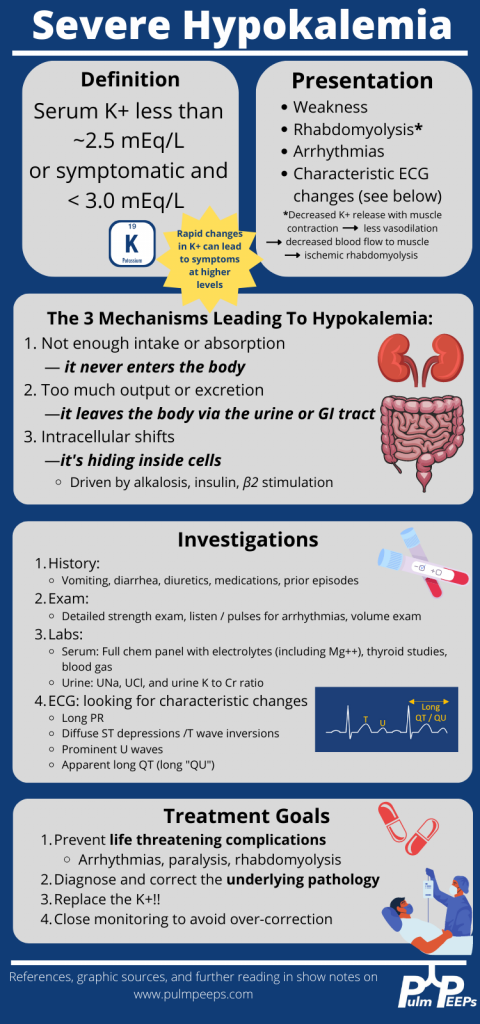
**Spoilers Ahead** If you want to think through the case on your own we advise listening to the episode first before looking at the infographics below

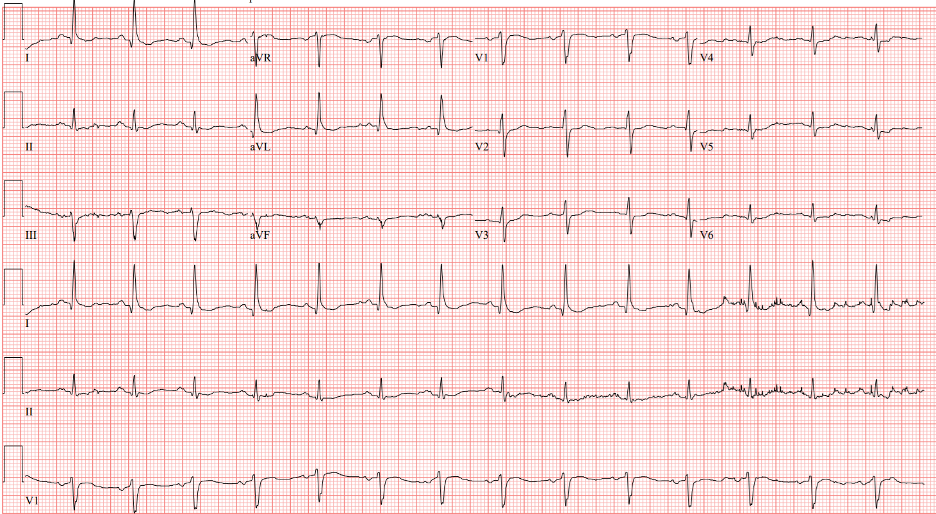
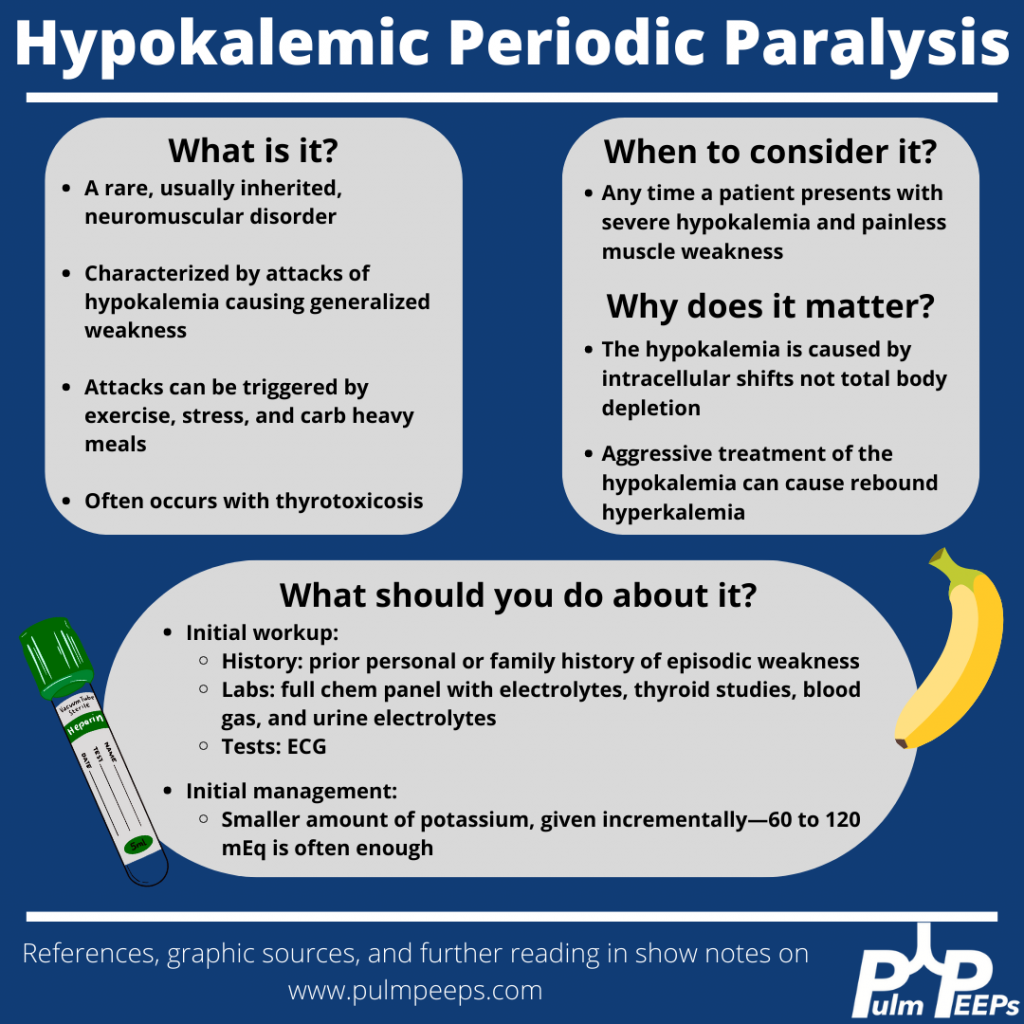
Although our patient’s etiology of severe hypokalemia was thought to be secondary to thiazide diuretic use, it is important to be familiar with hypokalemic periodic paralysis.

References

  1. Knochel JP, Schlein EM. On the mechanism of rhabdomyolysis in potassium depletion. J Clin Invest. 1972 Jul;51(7):1750-8. doi: 10.1172/JCI106976.
  2. Wang X, Han D, Li G. Electrocardiographic manifestations in severe hypokalemia. J Int Med Res. 2020 Jan;48(1):300060518811058. doi: 10.1177/0300060518811058.
  3. Venance SL, Cannon SC, Fialho D, Fontaine B, Hanna MG, Ptacek LJ, Tristani-Firouzi M, Tawil R, Griggs RC; CINCH investigators. The primary periodic paralyses: diagnosis, pathogenesis and treatment. Brain. 2006 Jan;129(Pt 1):8-17. doi: 10.1093/brain/awh639.
  4. Lin SH, Lin YF, Halperin ML. Hypokalaemia and paralysis. QJM. 2001 Mar;94(3):133-9. doi: 10.1093/qjmed/94.3.133. 
  5. Lin SH, Lin YF, Chen DT, Chu P, Hsu CW, Halperin ML. Laboratory tests to determine the cause of hypokalemia and paralysis. Arch Intern Med. 2004 Jul 26;164(14):1561-6. doi: 10.1001/archinte.164.14.1561.

Radiology Rounds – 5/17/22

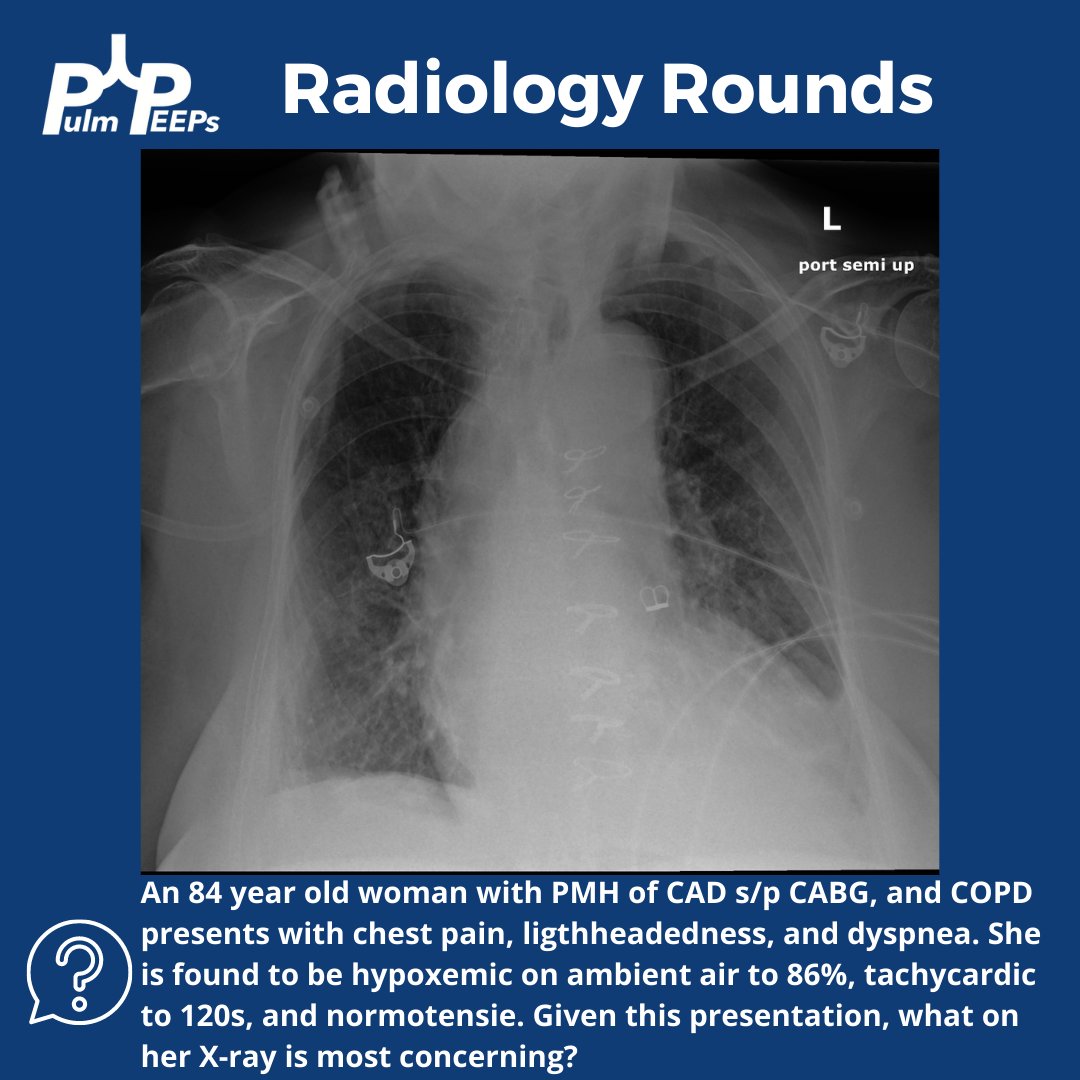
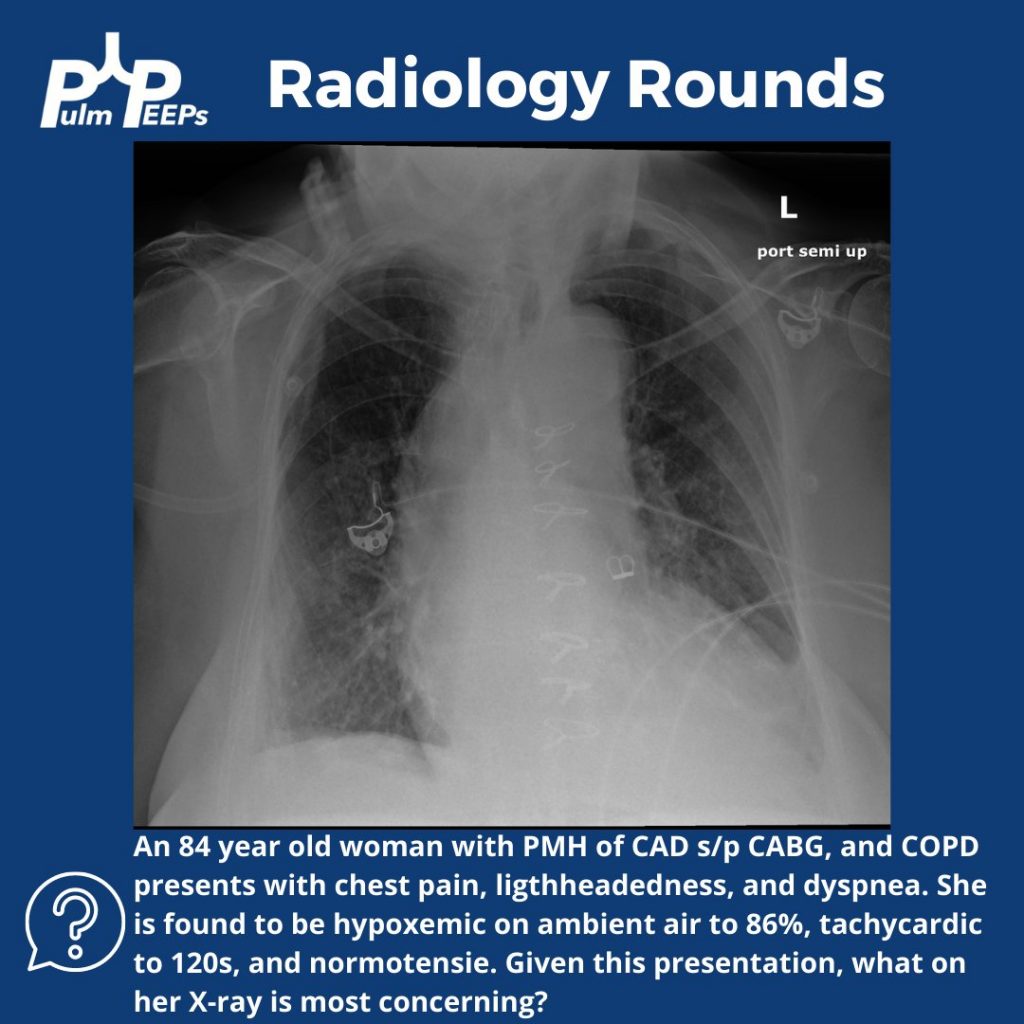
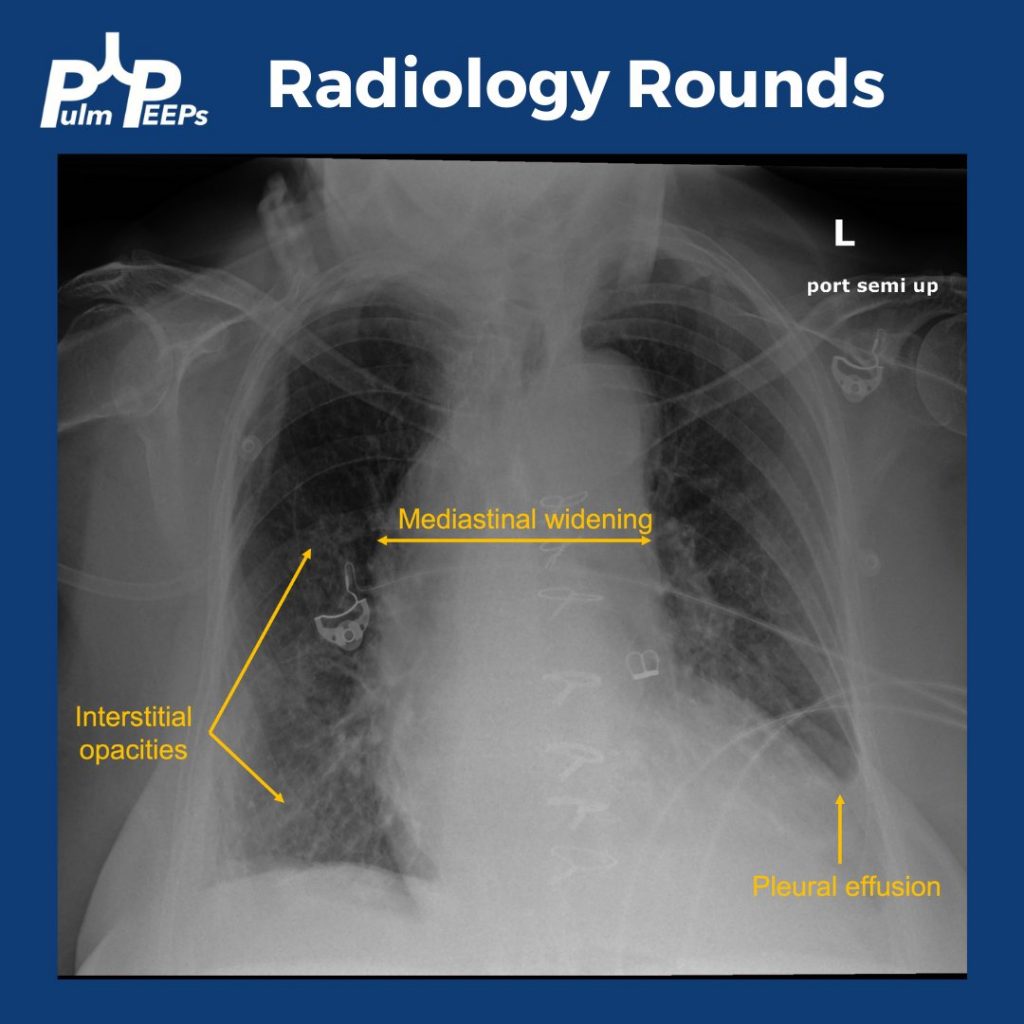
This week on #RadiologyRounds we have a patient with some key clues on the initial X-ray that help lead to the ultimate diagnosis.

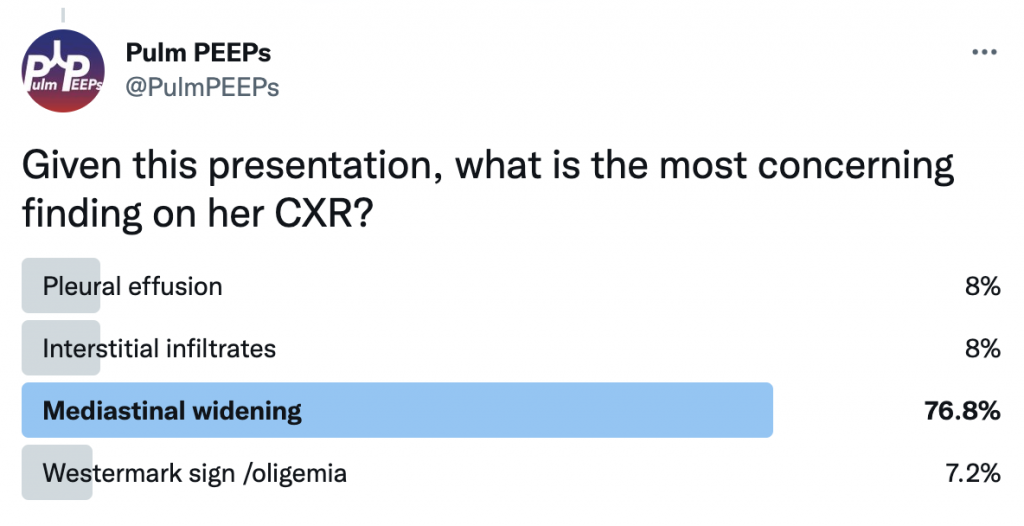
While the patient has multiple findings on the X-ray, the mediastinal widening is the most concerning finding in the setting of acute chest pain, shortness of breath, and lightheadedness.

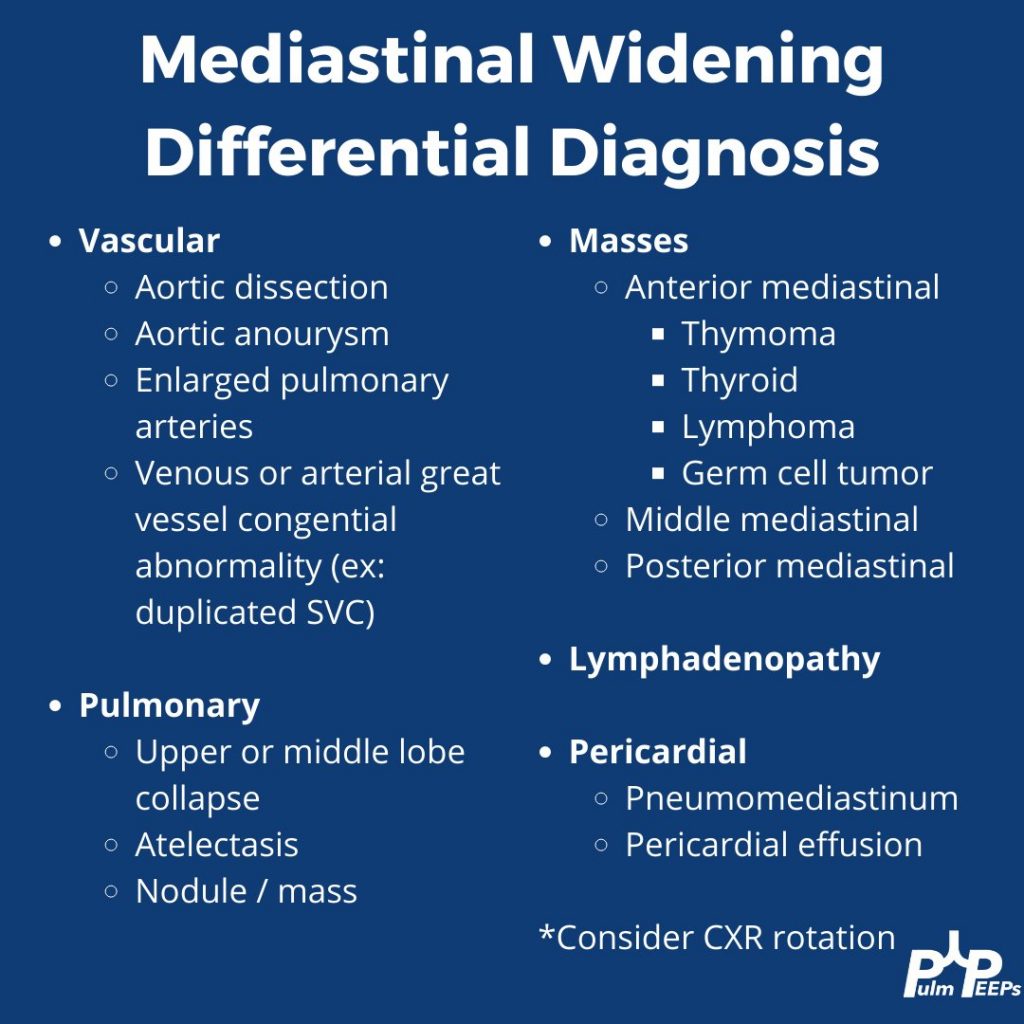
Mediastinal widening has a broad differential, which includes some can’t miss and life-threatening diagnoses

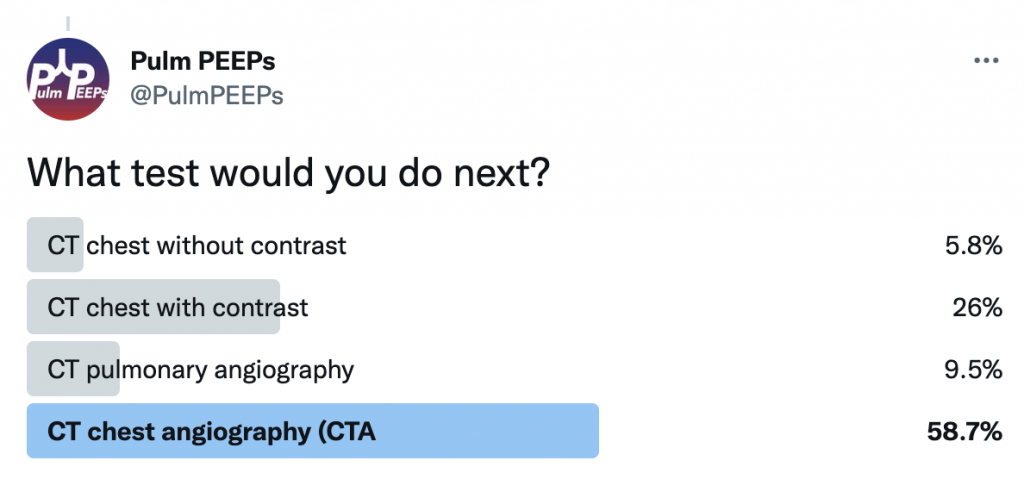
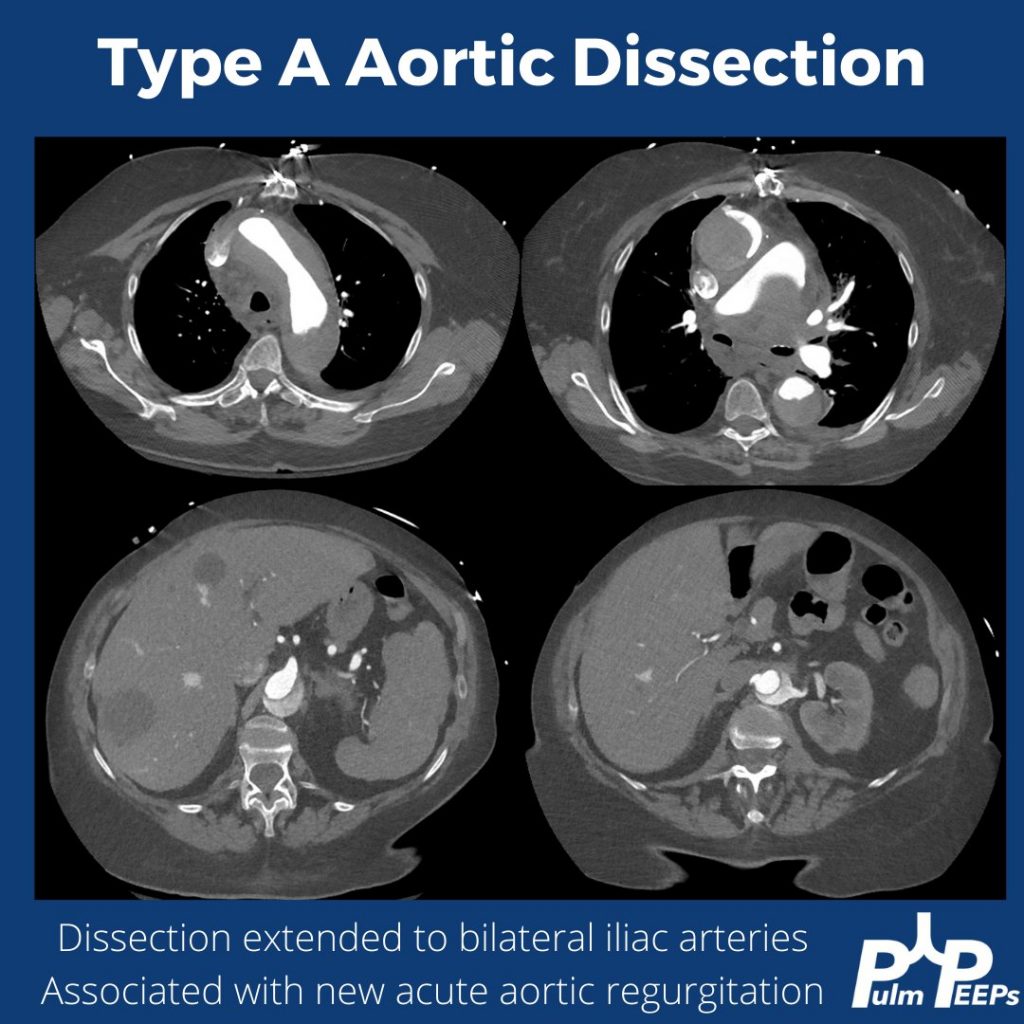
The key point is that aortic dissection, or ruptured thoracic aortic aneurysm, is high on the differential for this patient. Cross-sectional imaging is warranted and should be timed appropriately to evaluate the aorta. A triple rule-out CT would accomplish this as well. This patient had a CTA of the chest and was found to have a large type A aortic dissection with significant extension.

Radiology Rounds – 1/25/22

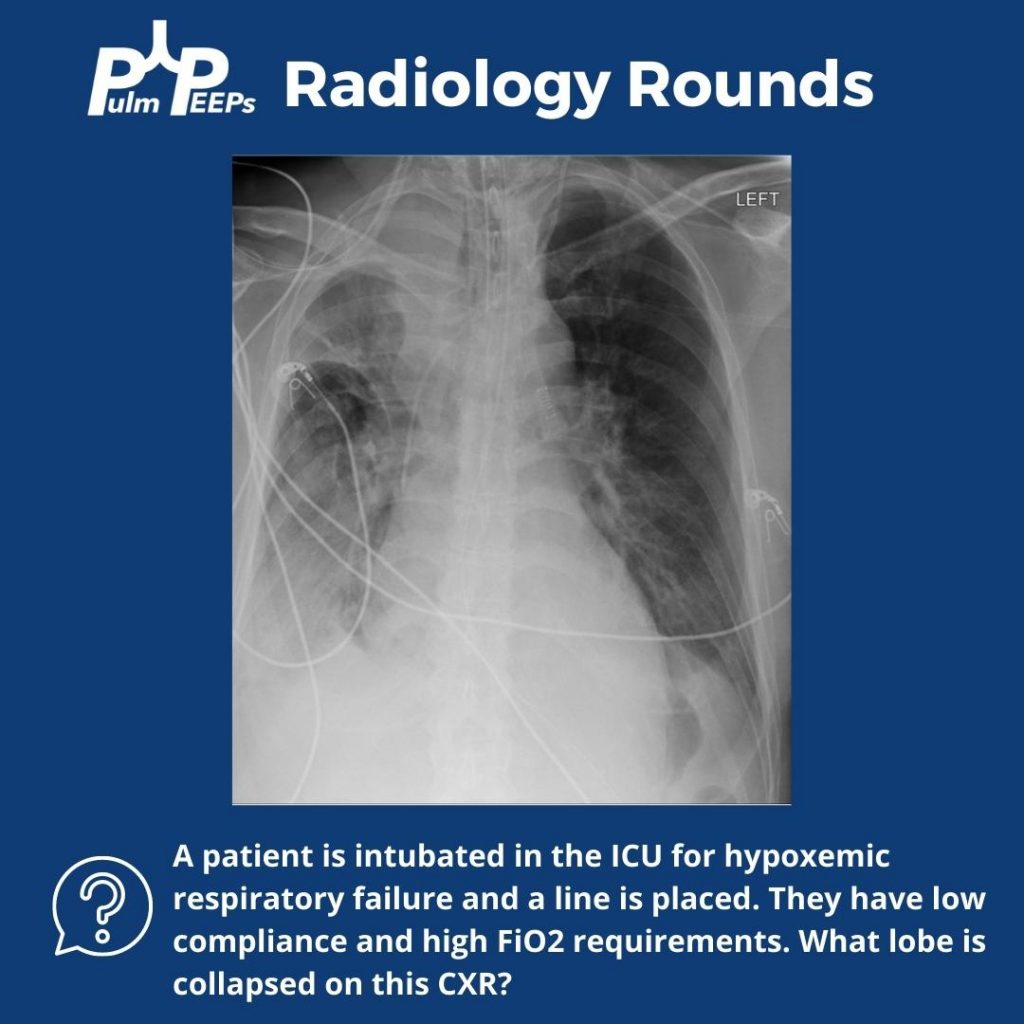
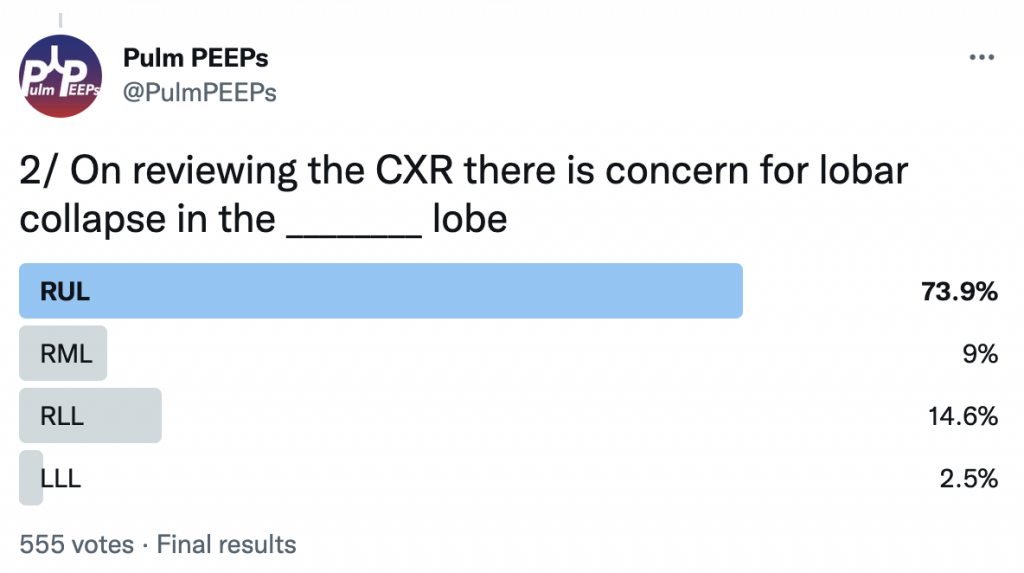
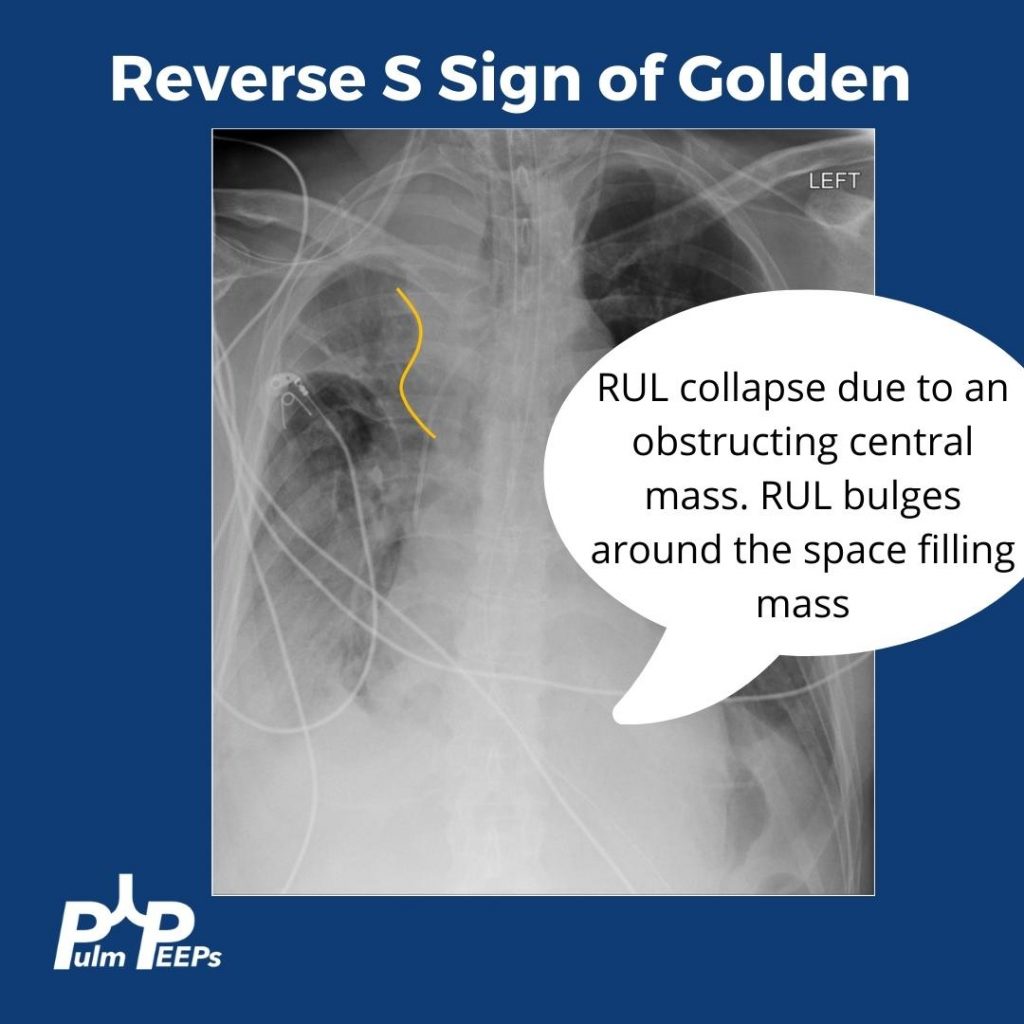
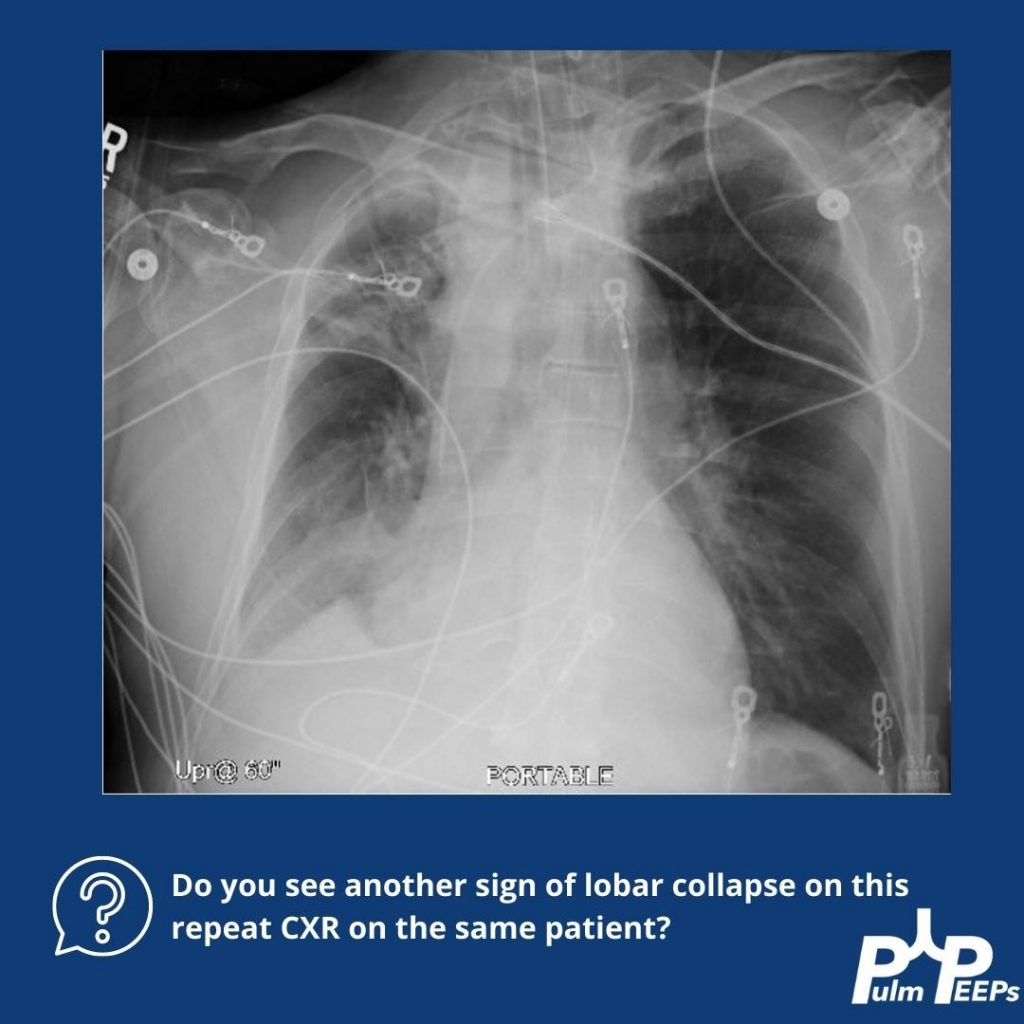
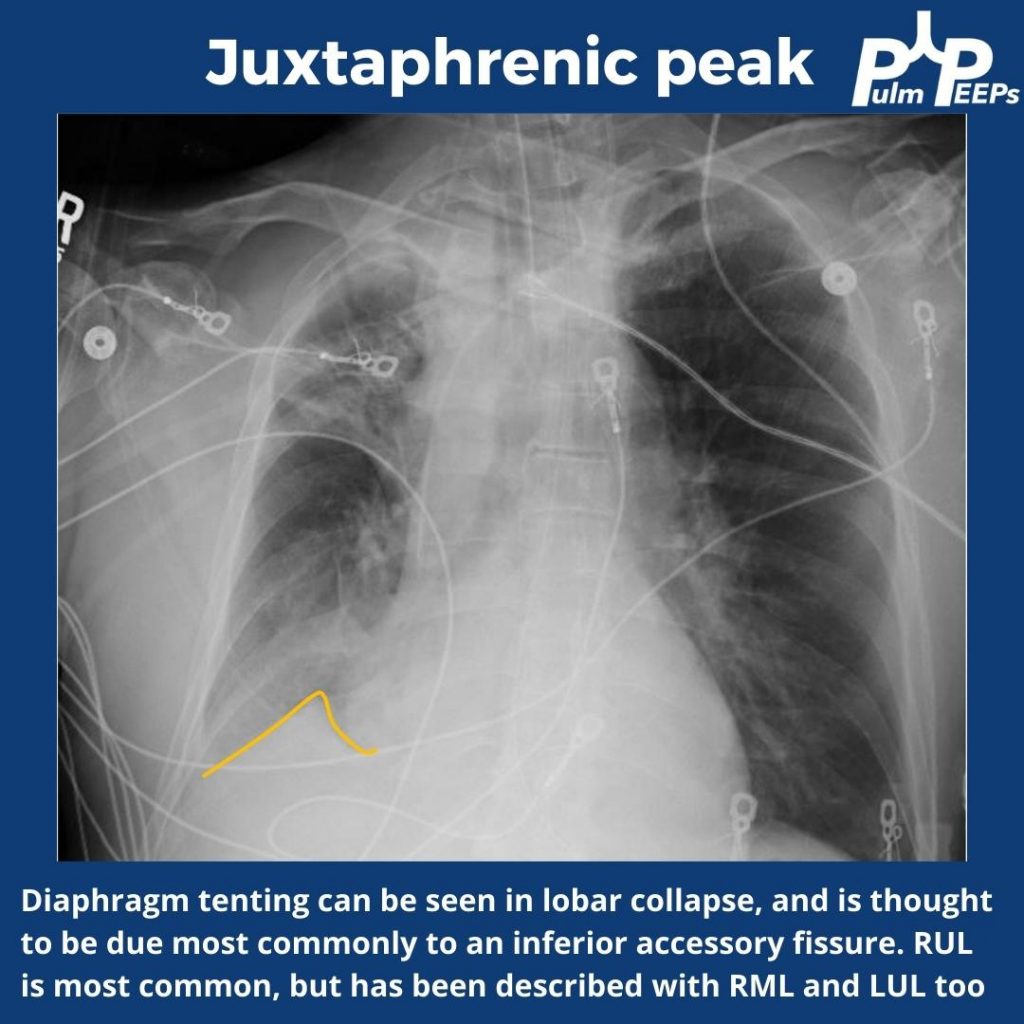
This week for radiology rounds we’re looking at some classic imaging signs of lobar collapse. Take a look, respond to our polls on Twitter, and make sure to subscribe to our podcast to get all of the Pulm PEEPs content!

References

  1. Kumaresh A, Kumar M, Dev B, Gorantla R, Sai PV, Thanasekaraan V. Back to Basics – ‘Must Know’ Classical Signs in Thoracic Radiology. J Clin Imaging Sci. 2015;5:43. doi:10.4103/2156-7514.161977
  2. Algın O, Gökalp G, Topal U. Signs in chest imaging. Diagn Interv Radiol. 2011;17(1):18-29. doi:10.4261/1305-3825.DIR.2901-09.1
  3. Gupta P. The Golden S Sign. Radiology. 2004;233(3):790-791. doi:10.1148/radiol.2333021407