105. ICU Acquired Weakness

Today we’re talking about a topic that is relevant for all critical care physicians but under-examined: ICU Acquired Weakness. We are joined by two excellent guests to walk through a case and discuss the diagnosis, pathophysiology, prevention, and treatment of ICU Acquired Weakness. Check out our associated infographics and key learning points below.

Definition & Clinical Presentation

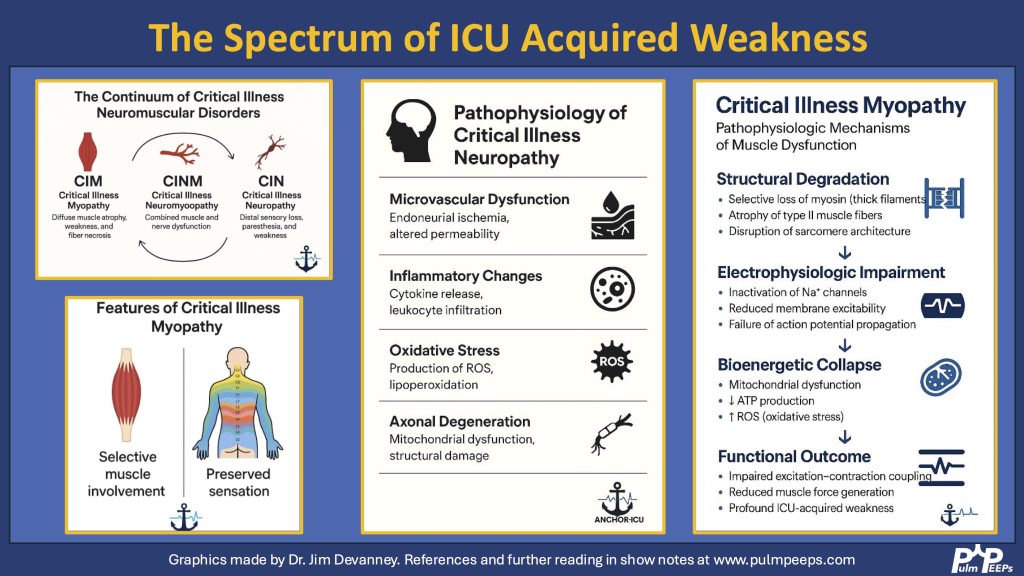
  • ICU-AW refers to new-onset, generalized muscle weakness that arises during critical illness, not explained by other causes.It typically presents as:
    • Symmetric, proximal > distal weaknessRespiratory muscle involvementPreserved cranial nerve functionNo sensory deficits in myopathy (sensory loss points toward neuropathy)
  • Differential Diagnosis Using Neuroanatomical ApproachAn anatomical approach (central → peripheral) helps localize the etiology weakness
  • CNS: trauma, stroke, encephalitis, seizuresAnterior horn cells: viral myelitis, motor neuron diseasePeripheral nerves: Guillain-Barré, vasculitis, critical illness polyneuropathy (CIP)Neuromuscular junction: myasthenia gravis, botulism, Lamber EatonMuscle: rhabdomyolysis, inflammatory or drug-induced myopathies, critical illness myopathy (CIM)
  • Subtypes of ICU-AW
  • Critical Illness Myopathy (CIM):
    • Muscle dysfunctionEarly onset (within 48 hrs)Sensation intactproximal > distal weakness

  • Critical Illness Polyneuropathy (CIP):
    • Nerve involvementDistal > proximal weakness, sensory deficits
    • Critical Illness Polyneuromyopathy (CIPNM): Combination of both

    Diagnosis

    • Medical Research Council Score (MRC-SS):
      • Score < 48: ICU-AW
      • Score < 36: severe ICU-AW
    • Handgrip dynamometry: <11 kg (men), <7 kg (women)
    • Electrophysiology: EMG/NCS to distinguish CIM vs CIP
    • Muscle ultrasound: bedside monitoring
    • MRI/CT/Muscle biopsy: rarely used due to practical limitation

    Risk Factors

    Modifiable:

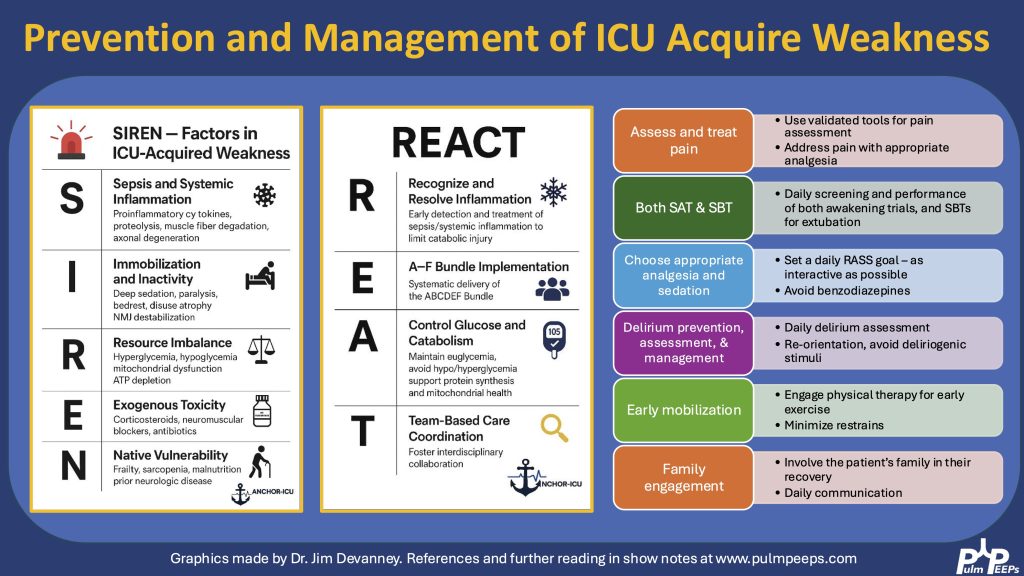
    • Hyper/hypoglycemia
    • Electrolyte derangement
    • Parenteral nutrition
    • Immobility
    • Medications (steroids, NM blockers, sedatives, aminoglycosides)

    Non-modifiable:

    • Age, female sex, comorbidities
    • Severity of illness, prolonged ventilation
    • Sepsis, multi-organ failure

     Management & Prevention

    • Prevention is key:
      • Early treatment of sepsis and inflammation
      • Glycemic control
      • Early enteral nutrition
      • Minimize sedation (A-F bundle)
      • Early mobilization and physical therapy
    • NMES (neuromuscular electrical stimulation): emerging therapy, needs more evidence

    Outcomes

    • Short-term: increased LOS, ventilation duration, mortality
    • Long-term: decreased function, discharge to rehab, prolonged recovery

    Final Takeaways

    • Prevention is crucial — start interventions early.
    • Systematic approach to ICU weakness helps rule out dangerous mimics.
    • ICU-AW is common but often under-recognized — awareness and early rehab can significantly impact recovery.


    Clinical Practice Guidelines for the Prevention and Management of Pain, Agitation/­Sedation, Delirium, Immobility, and Sleep Disruption in Adult Patients in the ICU.
    Devlin JW, Skrobik Y, Gélinas C, et al. Critical Care Medicine. 2018;46(9):e825-e873. doi:10.1097/CCM.0000000000003299.

    The ABCDEF Bundle: Science and Philosophy of How ICU Liberation Serves Patients and Families. Ely EW. Critical Care Medicine. 2017;45(2):321-330. doi:10.1097/CCM.0000000000002175.

    Caring for Critically Ill Patients With the ABCDEF Bundle: Results of the ICU Liberation Collaborative in Over 15,000 Adults. Pun BT, Balas MC, Barnes-Daly MA, et al. Critical Care Medicine. 2019;47(1):3-14. doi:10.1097/CCM.0000000000003482.

    Delirium in Critical Illness: Clinical Manifestations, Outcomes, and Management. Stollings JL, Kotfis K, Chanques G, et al. Intensive Care Medicine. 2021;47(10):1089-1103. doi:10.1007/s00134-021-06503-1.

    ICU-acquired Weakness. Vanhorebeek I, Latronico N, Van den Berghe G. Intensive Care Medicine. 2020;46(4):637-653. doi:10.1007/s00134-020-05944-4.

    Clinical Review: Intensive Care Unit Acquired Weakness. Hermans G, Van den Berghe G. Critical Care (London, England). 2015;19:274. doi:10.1186/s13054-015-0993-7.

    Best Practices for Conducting Interprofessional Team Rounds to Facilitate Performance of the ICU Liberation (ABCDEF) Bundle. Stollings JL, Devlin JW, Lin JC, et al. Critical Care Medicine. 2020;48(4):562-570. doi:10.1097/CCM.0000000000004197.

    ABCDE and ABCDEF Care Bundles: A Systematic Review of the Implementation Process in Intensive Care Units. Moraes FDS, Marengo LL, Moura MDG, et al. Medicine. 2022;101(25):e29499. doi:10.1097/MD.0000000000029499.

    91. Tylenol Toxicity and Acute Liver Failure

    This week we’re talking about a case as a lens for discussing Tylenol toxicity and Acute Liver Failure. These relatively common critical care presentations are essential knowledge for anyone practicing in the ICU. Listen in for some key discussion both about toxicology and the diagnosis and management of acute livery injury and failure.


    Kalaila Pais received her MD from Howard University College of Medicine and is currently a second year internal medicine resident at BIDMC. She is interested in pulmonary and critical care, as well as medical education. She also had the idea for this episode and was essential in its writing and production.

    Hima Veeramachaneni received her MD from University of Missouri-Kansas City School of Medicine, and her residency at Emory where she was also a Chief Resident at Grady Memorial Hospital. She is a gastroenterologist and completed her GI and transplant hepatology training at Emory. She is also now doing a critical care medicine fellowship year.


    Presentation: Patient found down, surrounded by liquor bottles, with coffee-ground emesis, hemodynamic instability, scleral icterus, and metabolic derangements.

    Key Lab Findings:

    • Severe transaminitis (AST >10,000, ALT ~3,000).
    • Elevated bilirubin (5.8), lactate (16), and INR (>2).
    • Metabolic acidosis with a pH of 7.04.
    • Tylenol level: 41 (slightly elevated but inconclusive without ingestion timing).


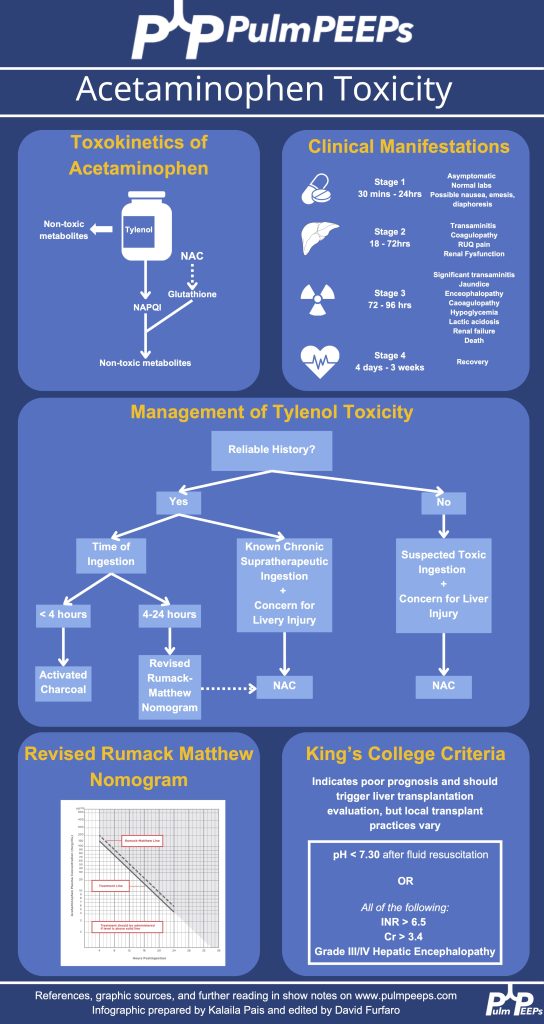
    Infographic:

    Acute Liver Injury vs. Acute Liver Failure

    • Acute Liver Injury (ALI): Elevated liver enzymes without encephalopathy or significant synthetic dysfunction.
    • Acute Liver Failure (ALF): Defined by:
      • Presence of encephalopathy.
      • Coagulopathy (elevated INR).
      • Rapid onset (<26 weeks) in patients without pre-existing liver disease.
    • ALF often leads to complications such as cerebral edema, which necessitates aggressive management.

    Tylenol Toxicity and Interpretation

    • Pathophysiology:
      • Tylenol overdose overwhelms liver glutathione, leading to accumulation of NAPQI, which causes hepatocyte necrosis.
    • Interpretation of Tylenol Levels:
      • Timing of ingestion is critical to interpreting levels.
      • The Rumack-Matthew Nomogram is used for acute ingestions but requires a known ingestion time.
    • Management:
      • N-acetylcysteine (NAC): Standard of care; acts as a glutathione precursor and mitigates liver damage.
      • Early use is recommended in suspected cases of Tylenol toxicity, even if ingestion timing is unclear.

    Critical Management Principles

    • Stabilization: Focus on airway, hemodynamics, and perfusion.
      • Monitor for signs of cerebral edema (e.g., pupillary changes, seizures).
      • In select patients, use hypertonic saline to maintain sodium levels (145–150 mmol/L) to mitigate cerebral edema risks.
    • CRRT and Plasma Exchange:
      • Continuous renal replacement therapy (CRRT) for hyperammonemia and acidosis.
      • Plasma exchange (PLEX) may stabilize cytokine storms and improve survival.
    • Organ-Specific Considerations:
      • Renal failure: Common due to hepatorenal syndrome; requires CRRT.
      • Coagulopathy: Managed with blood products as needed but indicates worsening liver synthetic dysfunction.

    Prognosis and Transplant Considerations

    • King’s College Criteria: Guides transplant listing for ALF patients.
      • Factors: Encephalopathy severity, INR, lactate, bilirubin trends.
    • Ethical considerations for liver transplant in patients with substance use or overdose:
      • Emphasis on assessing social support and addressing psychiatric needs.
      • Efforts are made to ensure equitable access to transplant when warranted.

    Takeaways for Clinical Practice

    1. Broad Differential Diagnosis: Keep a wide perspective for acute liver presentations, considering toxins, infections, and systemic conditions.
    2. Early Use of NAC: Err on the side of initiating NAC when Tylenol toxicity is suspected.
    3. CNS Focus in ALF: Monitor and manage cerebral edema aggressively.
    4. CRRT & PLEX: Advanced liver support techniques are critical in select cases.
    5. Interdisciplinary Collaboration: Psychiatrists, neurocritical care, and hepatologists play pivotal roles in management.


    66. Inhalers 101

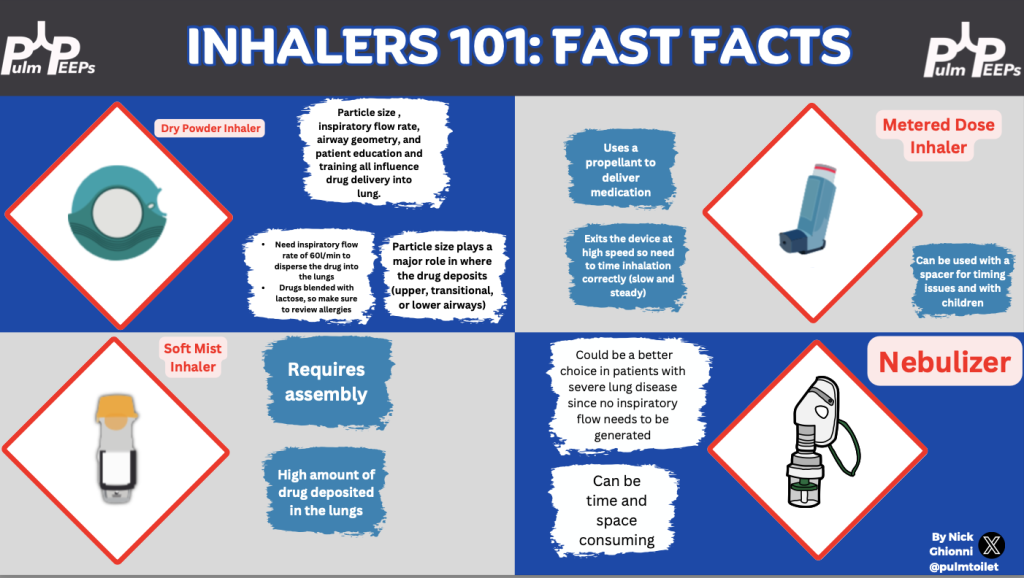
    We are excited to bring an a dedicated episode all about inhalers. We know there are many type of inhalers, formulations and techniques that are needed for successful use and we cover them all. Take a listen today!

    Meet our Guests

    Amber Lanae Martirosov is an Associate Clinical Professor at Wayne State University and is an Ambulatory Care Pharmacy Specialist in Pulmonary at Henry Ford Health in Detroit, Michigan. Amber’s specific interests include appropriate inhaler use, medication access, ILD and advocating for pharmacy collaborations.

    Nick Ghionni is a first year attending at the MedStar Baltimore Hospital System. He is fresh out of PCCM fellowship at MedStar Washington Hospital Center. He completed his Internal Medicine residency at Mercy Catholic Medical Center and his specific interests include mechanical ventilation, POCUS, and medical education. Nick is our newest member of the PulmPEEPs team and serves as an Associate Editor.

    Device Overview

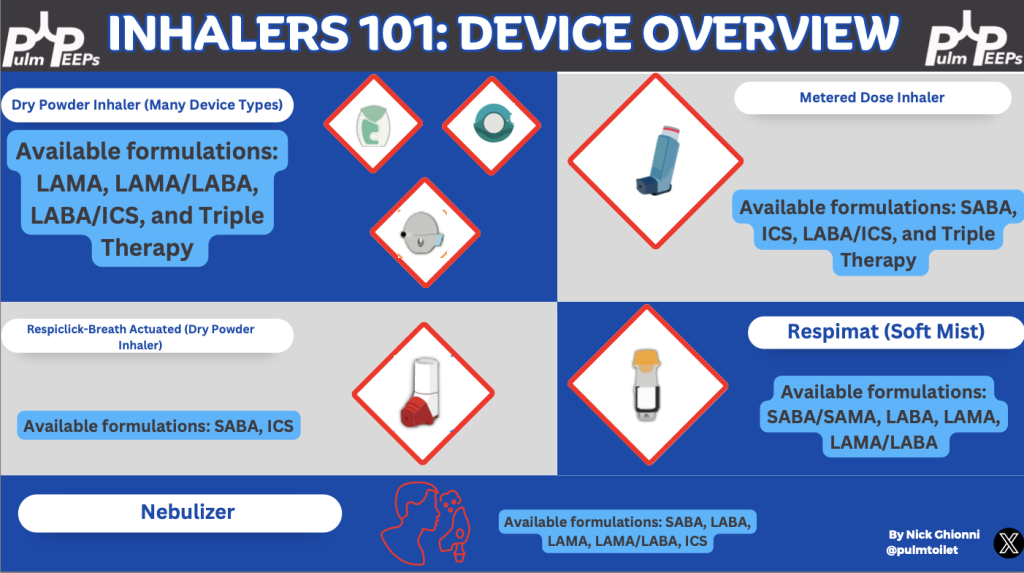
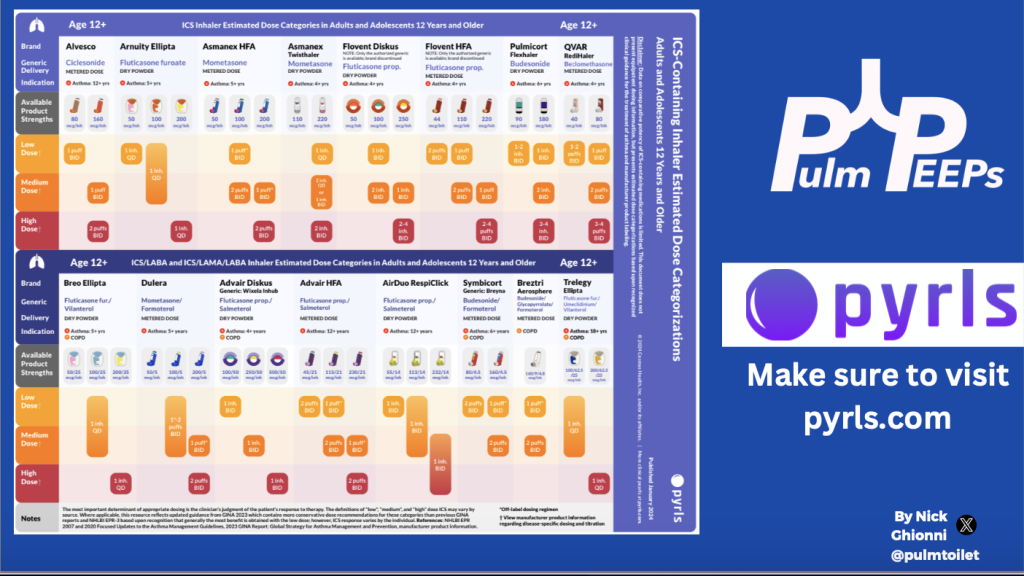
    1. Metered dose inhaler (MDI): delivers a dose of medication when you press on the canister.  2. Dry powder inhaler (DPI): delivers powered medication with each inhalation. 3. Soft mist inhaler (SMI): which sprays a dose of medication when pressed

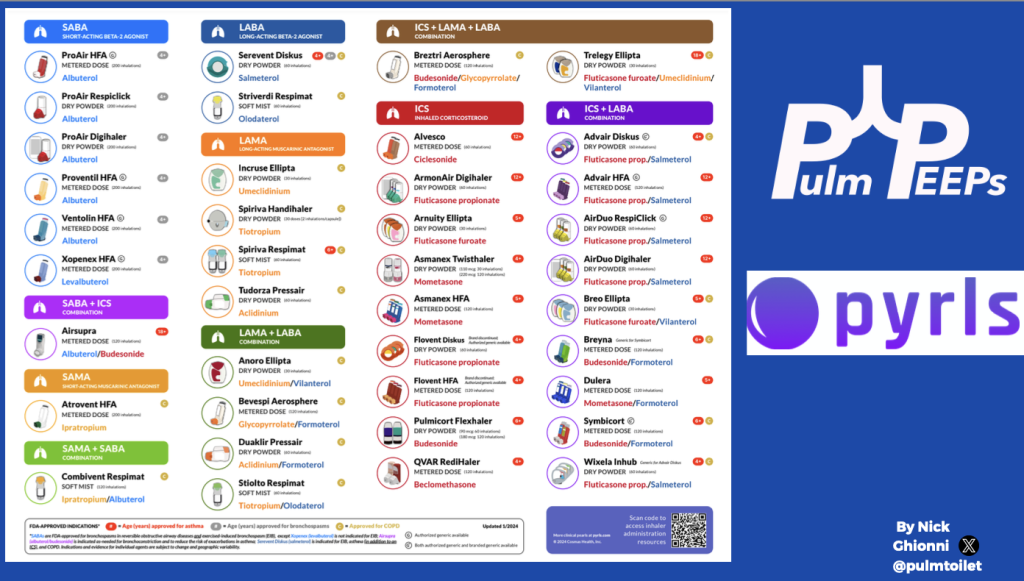
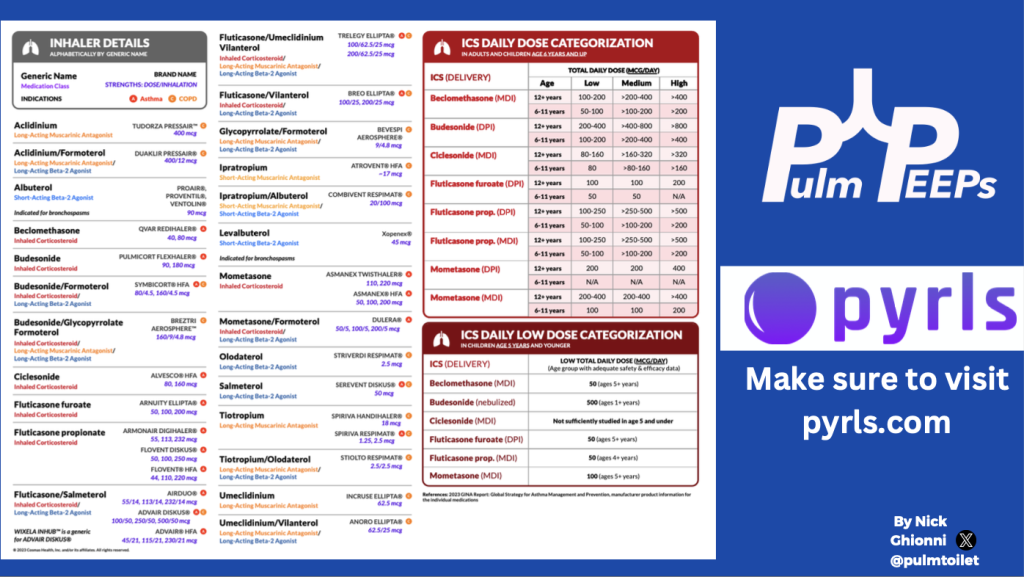
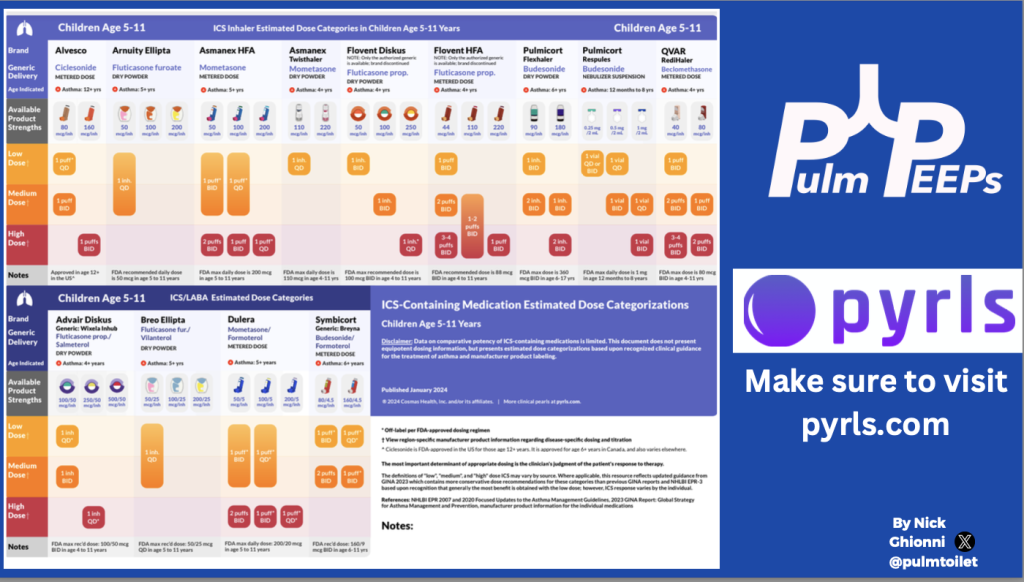
    Inhaler Charts

    We partnered with Pyrls to show common inhaler devices, formulations and dosing. You can create a free Pyrls account at pyrls.com or our app they can download an additional bundle/more awesome charts just like these totally free!

    Additional Resources

    COPD Foundation

    References and Further Reading

    Brand P, Hederer B, Austen G, Dewberry H, Meyer T. Higher lung deposition with Respimat Soft Mist inhaler than HFA-MDI in COPD patients with poor technique. Int J Chron Obstruct Pulmon Dis. 2008;3(4):763-70. PMID: 19281091; PMCID: PMC2650591.

    Levy ML, Carroll W, Izquierdo Alonso JL, Keller C, Lavorini F, Lehtimäki L. Understanding Dry Powder Inhalers: Key Technical and Patient Preference Attributes. Adv Ther. 2019 Oct;36(10):2547-2557. doi: 10.1007/s12325-019-01066-6. Epub 2019 Sep 2. PMID: 31478131; PMCID: PMC6822825.


    Jindal S K, Pandey K K, Bose P P. Dry powder inhalers: Particle size and patient-satisfaction. Indian J Respir Care 2021;10:14-8

    Spitzer WO, Suissa S, Ernst P, Horwitz RI, Habbick B, Cockcroft D, Boivin JF, McNutt M, Buist AS, Rebuck AS. The use of beta-agonists and the risk of death and near death from asthma. N Engl J Med. 1992 Feb 20;326(8):501-6. doi: 10.1056/NEJM199202203260801. PMID: 1346340.

    Chang, YL., Ko, HK., Lu, MS. et al. Independent risk factors for death in patients admitted for asthma exacerbation in Taiwan. npj Prim. Care Respir. Med. 30, 7 (2020). https://doi.org/10.1038/s41533-020-0164-4

    58. Implications of Race-Neutral PFTs on Lung Cancer Surgery

    We are excited to bring you a fantastic episode today where we are joined by two guest experts to discuss the recent JAMA Surgery manuscript, “Clinical Implications of Removing Race-Corrected Pulmonary Function Tests for African American Patients Requiring Surgery for Lung Cancer

    Meet our Guests

    Sidra Bonner is a general surgery resident at Michigan Medicine. She completed her undergraduate education at Cornell University and medical education at the University of California-San Francisco. Sidra also has a Master’s in Public Health focused in Health Policy from Harvard and a Master’s in Science Health and Healthcare Research from the University of Michigan. She is interested in pursuing a career in general thoracic surgery with a research focus aimed at addressing the multi-level contributors to racial and ethnic inequities in access, quality, and outcomes of surgical care for patients with lung and esophageal cancer.

    Tom Valley is an Associate Professor in the Division of Pulmonary and Critical Care Medicine at the University of Michigan. He completed his IM residency and chief residency at the University of Texas-Southwestern/Parkland Memorial Hospital and then joined the University of Michigan as a pulmonary and critical care fellow in 2013 and stayed on for faculty and is the physician-lead for the University of Michigan Schwartz Rounds for Compassionate Care. Tom’s research aims to understand and improve medical decision making in the intensive care unit.

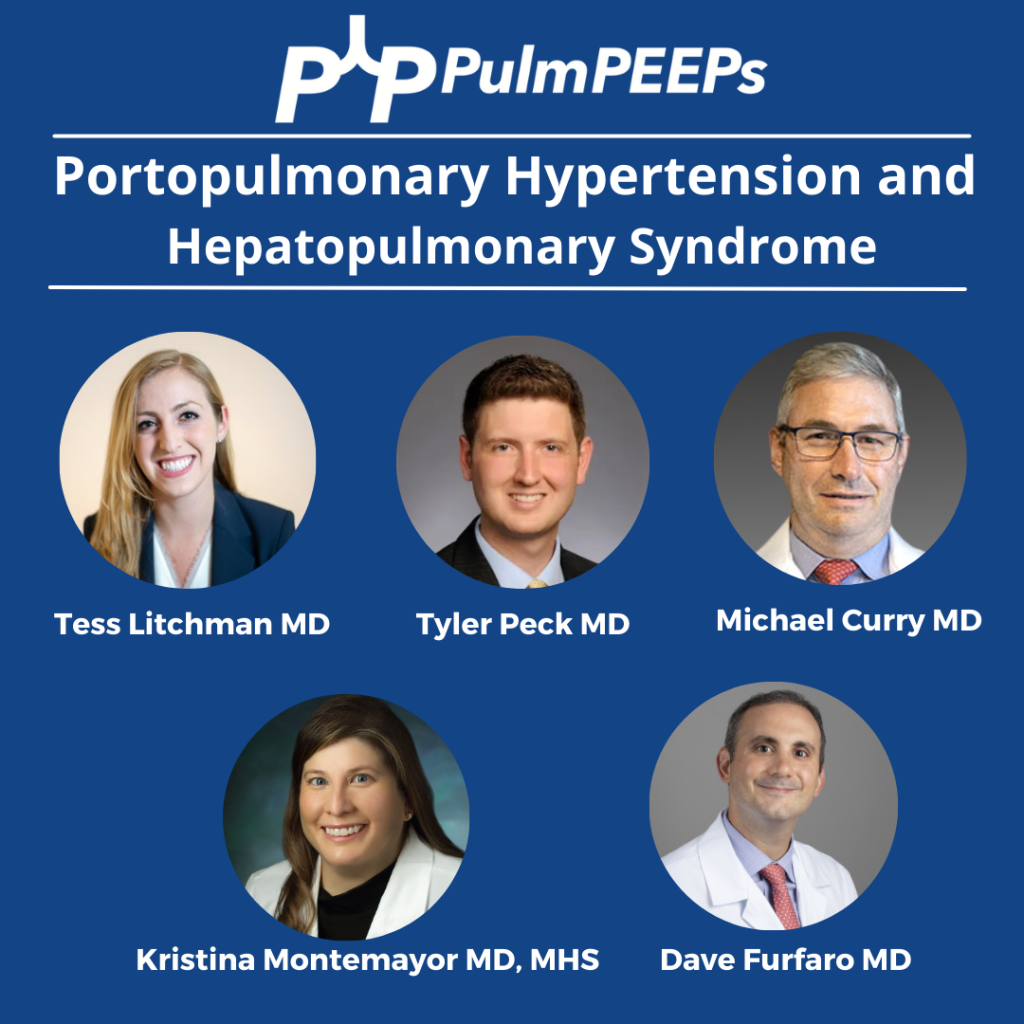
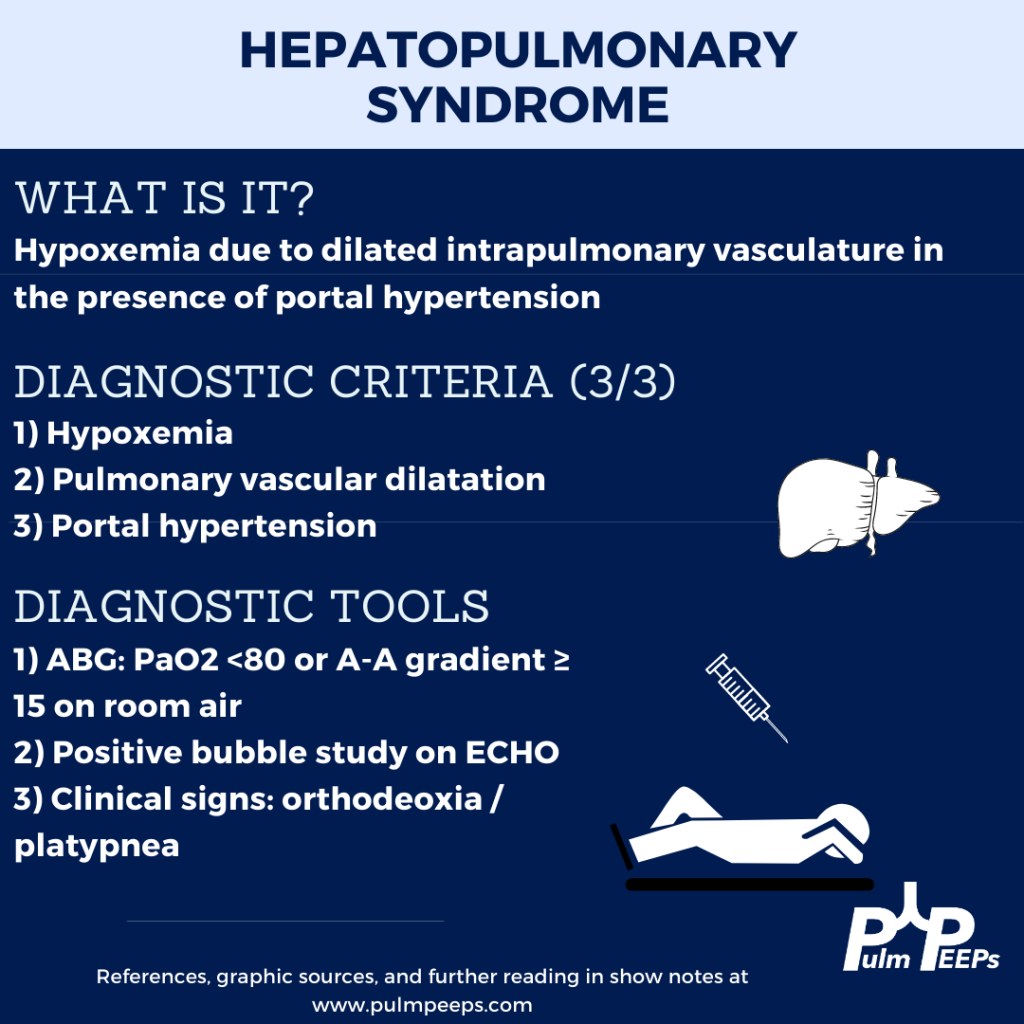
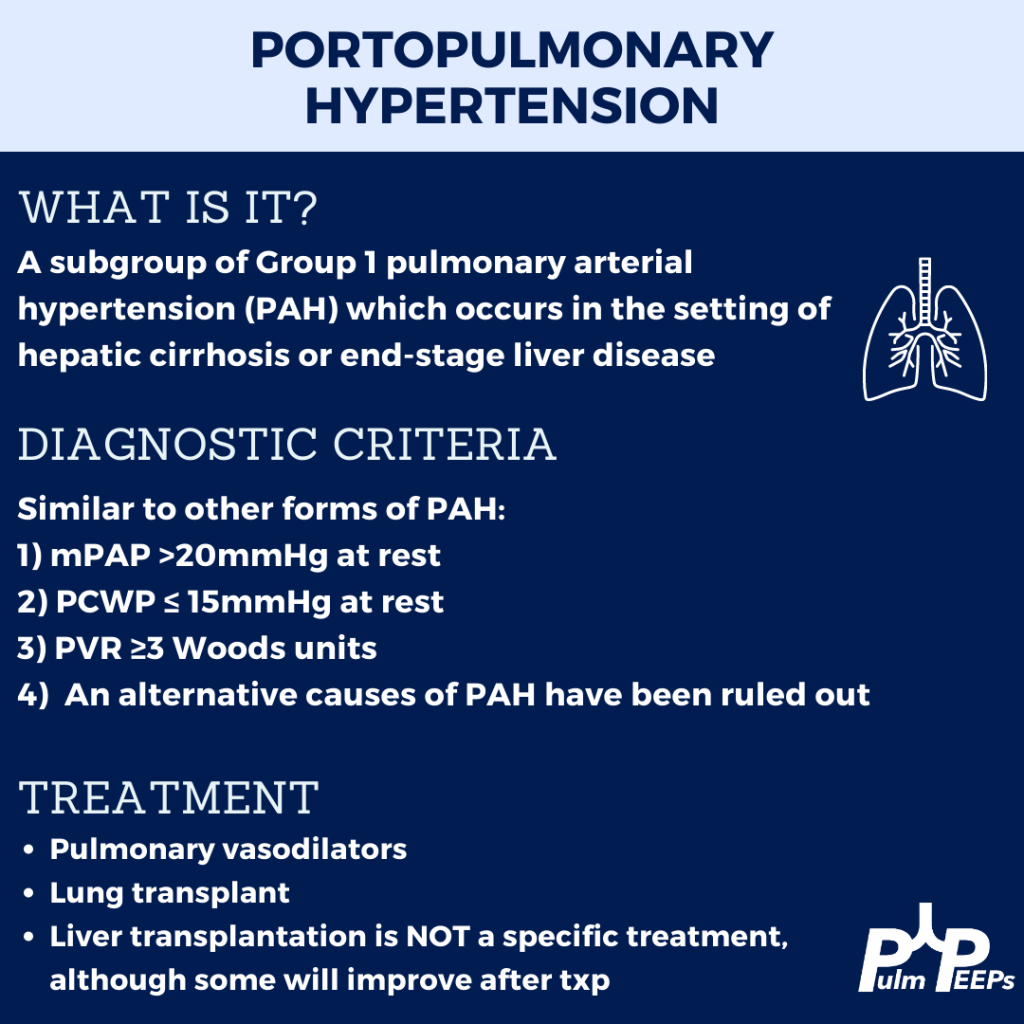
    41. Portopulmonary Hypertension and Hepatopulmonary Syndrome

    This week we are joined by one of our Associate Editors, Tess Litchman, as well as two guest experts to discuss two disease states that involve both the liver and the lung. Join us as we go through how to differentiate portopulmonary hypertension and hepatopulmonary syndrome.

    Meet the Guests

    Tess Litchman is a senior resident at Beth Israel Deaconess Medical Center and is one of the Associate Editors for PulmPEEPs. Tess will be continuing her training as a Pulmonary and Critical Care Medicine fellow at Brigham and Women’s Hospital next year.

    Tyler Peck is an Instructor in Medicine at Beth Israel Deaconess Medical Center in the Division of Pulmonary and Critical Care Medicine. Tyler’s clinical and research interests are in pulmonary vascular disease and pulmonary hypertension.

    Michael Curry is an Associate Professor of Medicine at Beth Israel Deaconess Medical Center and Section Chief of the Hepatology Department at BIDMC.

    Further Readings and References

    Rodríguez-Roisin R, Krowka MJ. Hepatopulmonary syndrome–a liver-induced lung vascular disorder. N Engl J Med. 2008 May 29;358(22):2378-87. doi: 10.1056/NEJMra0707185. PMID: 18509123

    Krowka MJ, Fallon MB, Kawut SM, et al. International Liver Transplant Society Practice Guidelines: Diagnosis and Management of Hepatopulmonary Syndrome and Portopulmonary Hypertension. Transplantation 2016; 100:1440.

    Peppas, S., Nagraj, S., Koutsias, G., Kladas, M., Archontakis-Barakakis, P., Schizas, D., Giannakoulas, G., Palaiodimos, L., & Kokkinidis, D. G. (2022). Portopulmonary Hypertension: A Review of the Current Literature. Heart, lung & circulation, 31(9), 1191–1202. https://doi.org/10.1016/j.hlc.2022.04.056

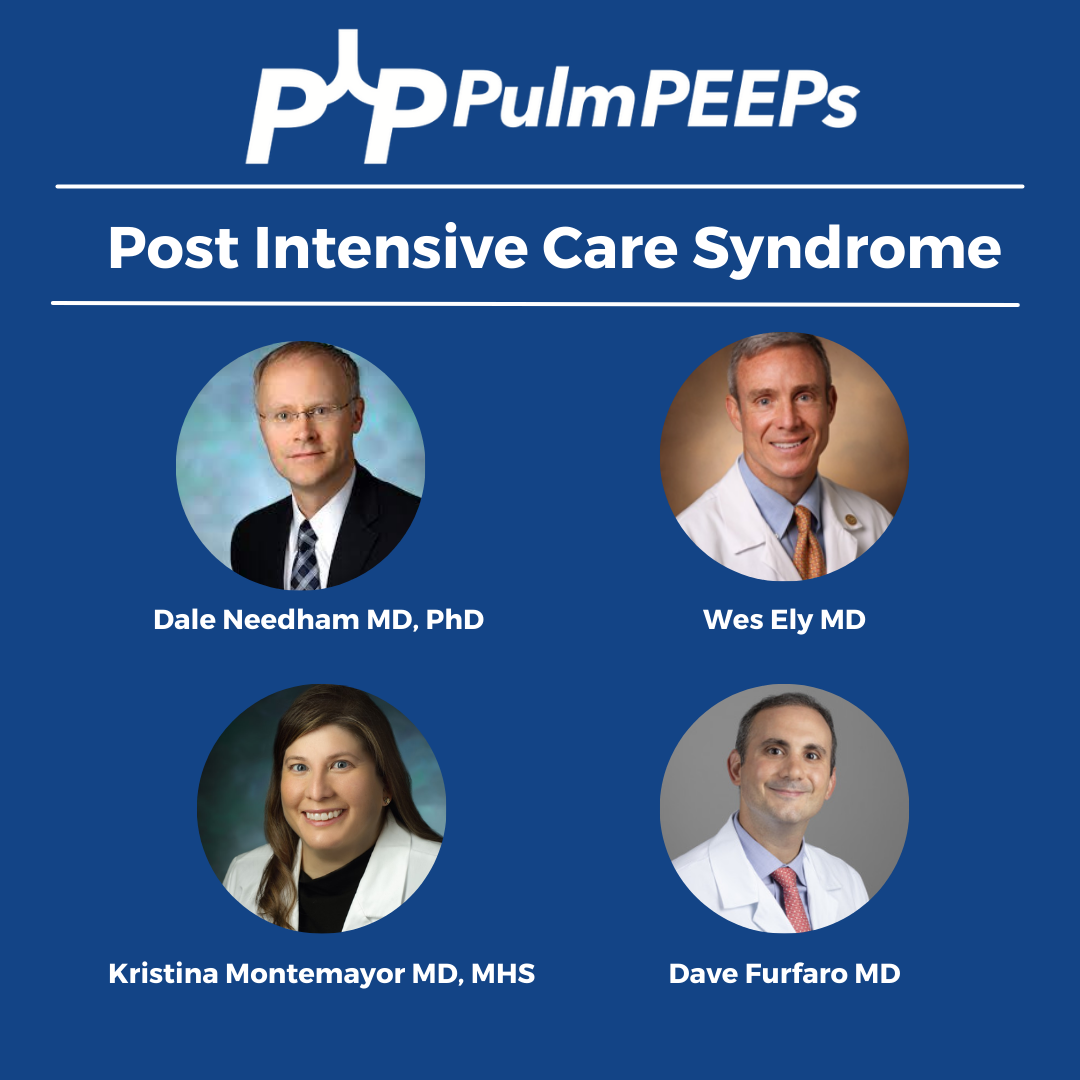
    21. Post Intensive Care Syndrome (PICS)

    Today on Pulm PEEPs, we are joined by two pioneers in the field of post-intensive care outcomes and delirium research. Drs. Dale Needham and Wes Ely talk to us all about the Post Intensive Care Syndrome (PICS) and cover everything from how it was first recognized, to the impact it has, and, most importantly, what we can do to prevent it. This is a huge topic in the field of critical care and we’re thrilled to be delving into it with such knowledgeable guides.

    Meet Our Guests

    Wes Ely is the Grant W. Liddle Chair in Medicine and a Professor of Medicine at Vanderbilt University Medical Center. He is also the Associate Director of Aging Research at the VA Tennessee Valley Geriatric Research and Education Clinical Center and the co-director of the Critical, Illness, Brain Dysfunction and Survivorship Center. He has published 100s of manuscripts on critical illness survivorship and delirium. He also published a book called “Every Deep-Drawn Breath” about his and his patients’ experiences in the ICU and about the ramifications of critical illness. All net proceeds for the book are going to the CIBS Center Endowment for Survivorship

    Dale Needham is a Professor of Medicine at Johns Hopkins, where he is also the Medical Director of the Critical Care Physical Medicine and Rehabilitation Program and the Director of the Outcomes After Critical Illness and Surgery Group. He is the author of 100s of publications focusing on post-ICU outcomes and has received numerous research grants from the NIH and other organizations.

    Key Learning Points

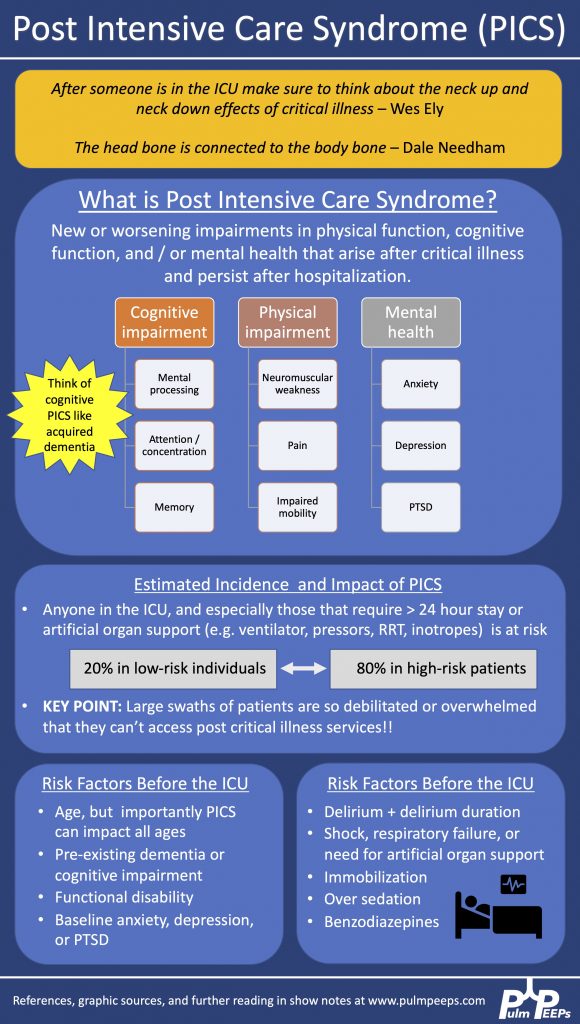
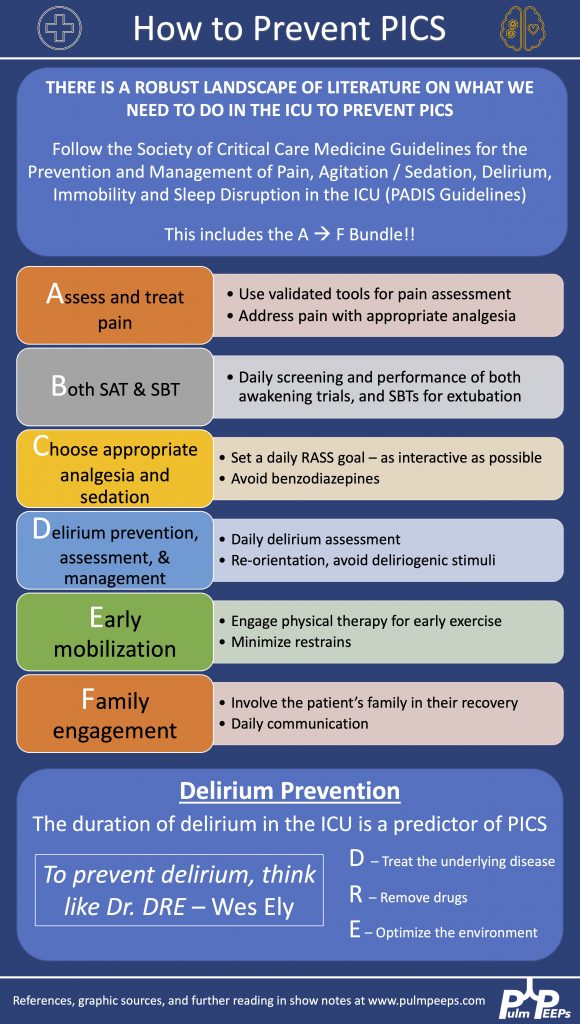
    Visit our website www.pulmpeeps.com to see the key learning points from this episode summarized in two infographics.

    References and links for further reading

    1. Devlin JW, Skrobik Y, Gélinas C, et al. Executive Summary: Clinical Practice Guidelines for the Prevention and Management of Pain, Agitation/Sedation, Delirium, Immobility, and Sleep Disruption in Adult Patients in the ICU. Critical Care Medicine. 2018;46(9):1532-1548. doi:10.1097/CCM.0000000000003259
    2. Ely EW. The ABCDEF Bundle: Science and Philosophy of How ICU Liberation Serves Patients and Families. Crit Care Med. 2017;45(2):321-330. doi:10.1097/CCM.0000000000002175
    3. Mikkelsen ME, Still M, Anderson BJ, et al. Society of Critical Care Medicine’s International Consensus Conference on Prediction and Identification of Long-Term Impairments After Critical Illness. Crit Care Med. 2020;48(11):1670-1679. doi:10.1097/CCM.0000000000004586
    4. Needham DM, Sepulveda KA, Dinglas VD, et al. Core Outcome Measures for Clinical Research in Acute Respiratory Failure Survivors. An International Modified Delphi Consensus Study. Am J Respir Crit Care Med. 2017;196(9):1122-1130. doi:10.1164/rccm.201702-0372OC
    5. Needham DM, Wozniak AW, Hough CL, et al. Risk Factors for Physical Impairment after Acute Lung Injury in a National, Multicenter Study. Am J Respir Crit Care Med. 2014;189(10):1214-1224. doi:10.1164/rccm.201401-0158OC
    6. Semler MW, Bernard GR, Aaron SD, et al. Identifying Clinical Research Priorities in Adult Pulmonary and Critical Care. NHLBI Working Group Report. Am J Respir Crit Care Med. 2020;202(4):511-523. doi:10.1164/rccm.201908-1595WS
    7. Spruit MA, Holland AE, Singh SJ, Tonia T, Wilson KC, Troosters T. COVID-19: Interim Guidance on Rehabilitation in the Hospital and Post-Hospital Phase from a European Respiratory Society and American Thoracic Society-coordinated International Task Force. Eur Respir J. Published online August 13, 2020:2002197. doi:10.1183/13993003.02197-2020
    8. Turnbull AE, Sepulveda KA, Dinglas VD, Chessare CM, Bingham CO, Needham DM. Core Domains for Clinical Research in Acute Respiratory Failure Survivors: An International Modified Delphi Consensus Study. Crit Care Med. 2017;45(6):1001-1010. doi:10.1097/CCM.0000000000002435
    9. Ward DS, Absalom AR, Aitken LM, et al. Design of Clinical Trials Evaluating Sedation in Critically Ill Adults Undergoing Mechanical Ventilation: Recommendations From Sedation Consortium on Endpoints and Procedures for Treatment, Education, and Research (SCEPTER) Recommendation III. Crit Care Med. 2021;49(10):1684-1693. doi:10.1097/CCM.0000000000005049
    10. Ozga D, Krupa S, Witt P, Mędrzycka-Dąbrowska W. Nursing Interventions to Prevent Delirium in Critically Ill Patients in the Intensive Care Unit during the COVID19 Pandemic—Narrative Overview. Healthcare. 2020;8:578. doi:10.3390/healthcare8040578

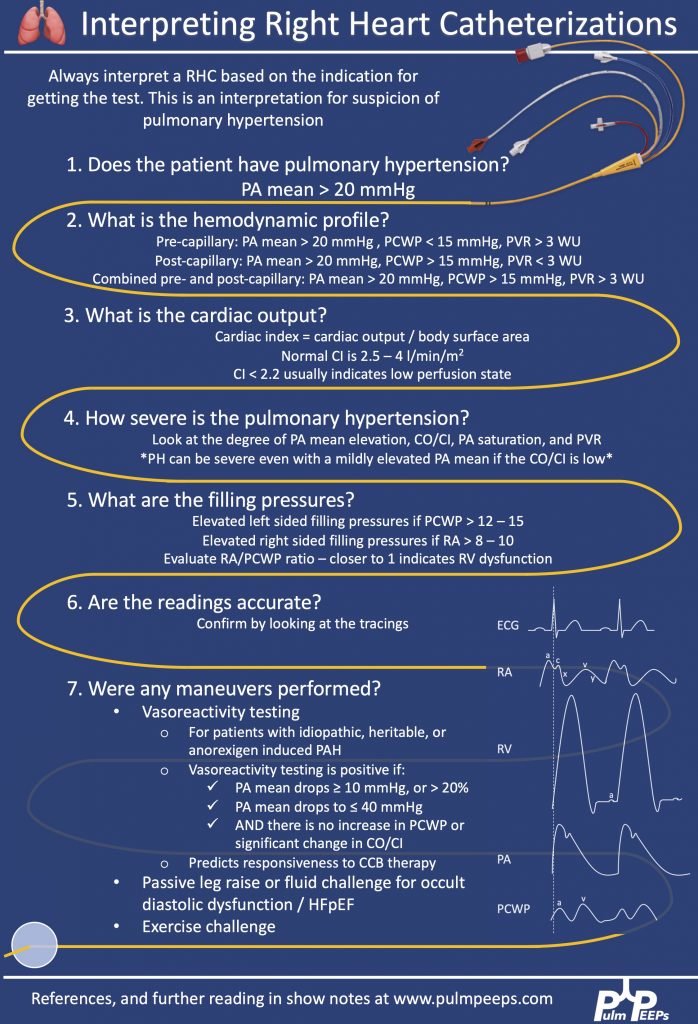
    14. Radiology Rounds Revisited: Right Heart Catheterization

    Today we have a special edition of Pulm PEEPs! We are revisiting our Radiology Rounds from 4 weeks ago to dive further into Right Heart Catheterizations and how to interpret them. We are joined by two experts in the field, Allison Tsao and Stephen Mathai.

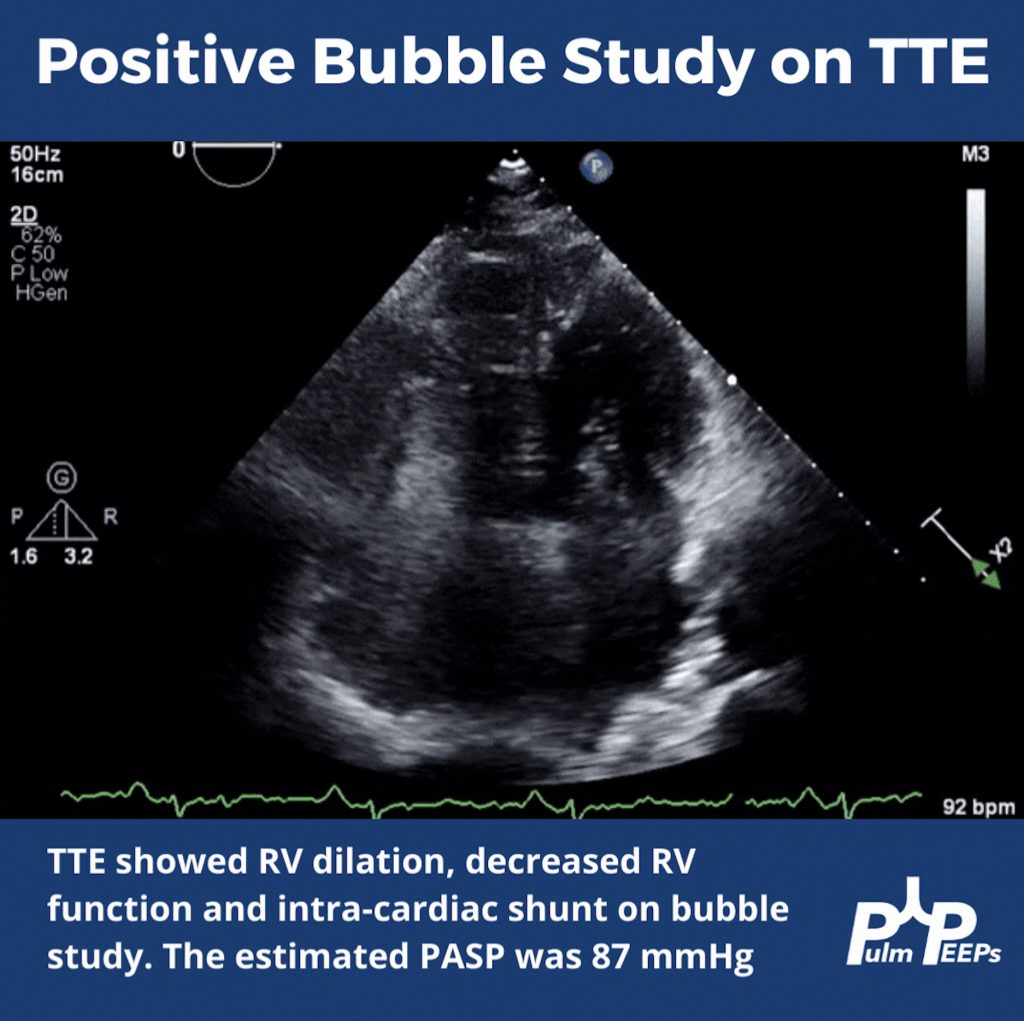
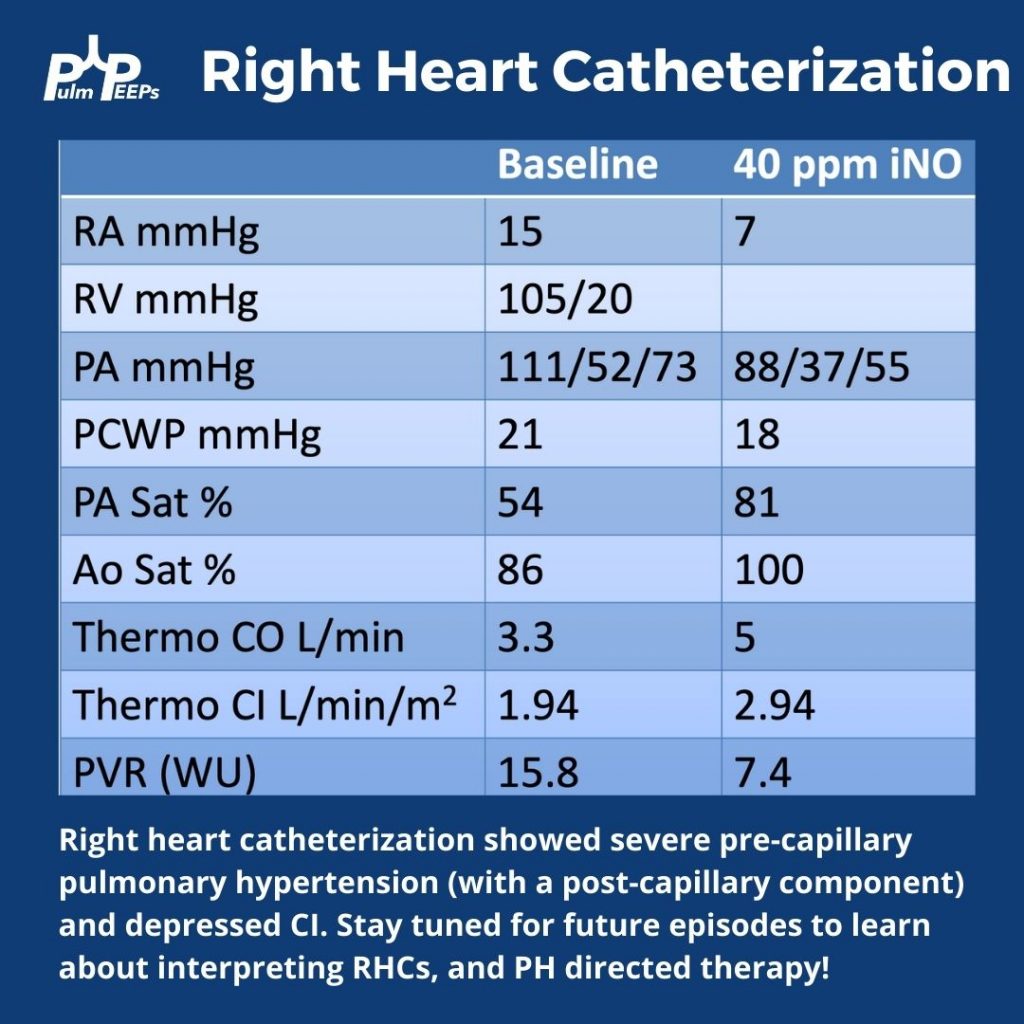
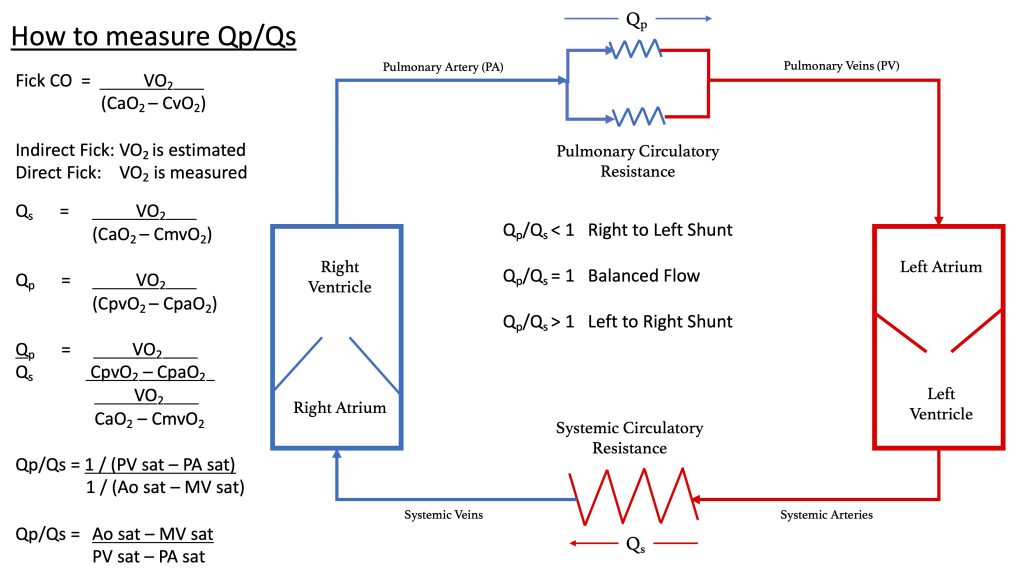
    For a reminder, in that Radiology Rounds, we met a woman in her 50s with GERD, Raynaud’s, and multiple positive auto-antibodies (+ ANA 1:2560, + RNA pol III, + SSA, + anti-centromere) who presented with progressive dyspnea and was found to be hypoxemic. Her workup revealed severe pulmonary hypertension, and RV dysfunction on TTE with right to left shunting.

    Meet Our Guests

    Dr. Steve Mathai is an Associate Professor of Medicine at Johns Hopkins Hospital and the Director of the Inpatient Pulmonary Service. He specializes in Pulmonary Hypertension and his research focus is on scleroderma-associated PAH.

    Dr. Allison Tsao is an Instructor in Medicine at Harvard Medical School and is an interventional cardiologist working at the Boston VA and Brigham and Women’s Hospital. She specializes in adult congenital heart disease and is the assistant director of the Translational Discovery Lab at BWH.

    Key Learning Points

    References and links for further reading

    1. Bonno EL, Viray MC, Jackson GR, Houston BA, Tedford RJ. Modern Right Heart Catheterization: Beyond Simple Hemodynamics. Advances in Pulmonary Hypertension. 2020;19(1):6-15. doi:10.21693/1933-088X-19.1.6
    2. Callan P, Clark AL. Right heart catheterisation: indications and interpretation. Heart. 2016;102(2):147-157. doi:10.1136/heartjnl-2015-307786
    3. Chokkalingam Mani B, Chaudhari SS. Right Heart Cardiac Catheterization. In: StatPearls. StatPearls Publishing; 2022. Accessed April 18, 2022. http://www.ncbi.nlm.nih.gov/books/NBK557404/
    4. D’Alto M, Dimopoulos K, Coghlan JG, Kovacs G, Rosenkranz S, Naeije R. Right Heart Catheterization for the Diagnosis of Pulmonary Hypertension: Controversies and Practical Issues. Heart Failure Clinics. 2018;14(3):467-477. doi:10.1016/j.hfc.2018.03.011
    5. Galiè N, McLaughlin VV, Rubin LJ, Simonneau G. An overview of the 6th World Symposium on Pulmonary Hypertension. European Respiratory Journal. 2019;53(1). doi:10.1183/13993003.02148-2018
    6. Rosenkranz S, Preston IR. Right heart catheterisation: best practice and pitfalls in pulmonary hypertension. European Respiratory Review. 2015;24(138):642-652. doi:10.1183/16000617.0062-2015