110. Pulm PEEPs at CHEST 2025 – Widened Airways and Narrowed Differentials

For today’s podcast we have a special episode. We were extremely grateful to be invited to present live at CHEST 2025 this year. Kristina Montemayor, and Pulm PEEPs Associate Editors Luke Hedrick, Tom Di Vitantonio, and Rupali Sood hosted a session entitled “Widened Airways and Narrowed Differentials”. It is a great session around bronchiectasis. Enjoy!
 

Dr. Doreen Addrizzo-Harris is  a Professor of Medicine at NYU where she is also Associate Director of Clinical and Academic Affairs for the pulmonary and critical care division. In addition to that, she’s the director of the bronchiectasis and NTM program and also serves as a program director for the pulmonary and critical care fellowship.

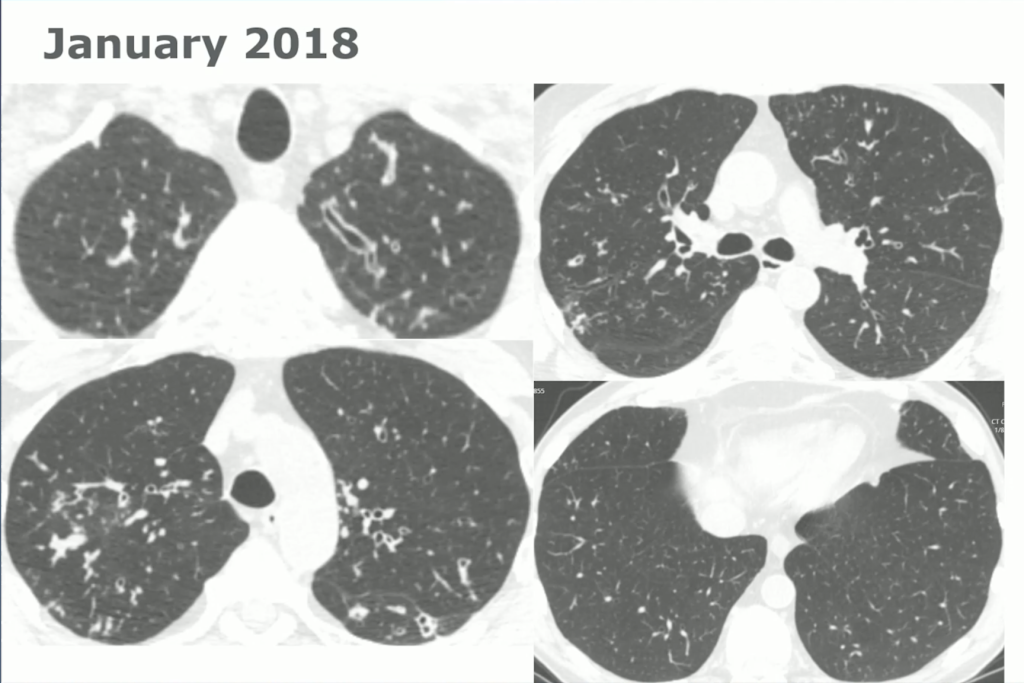
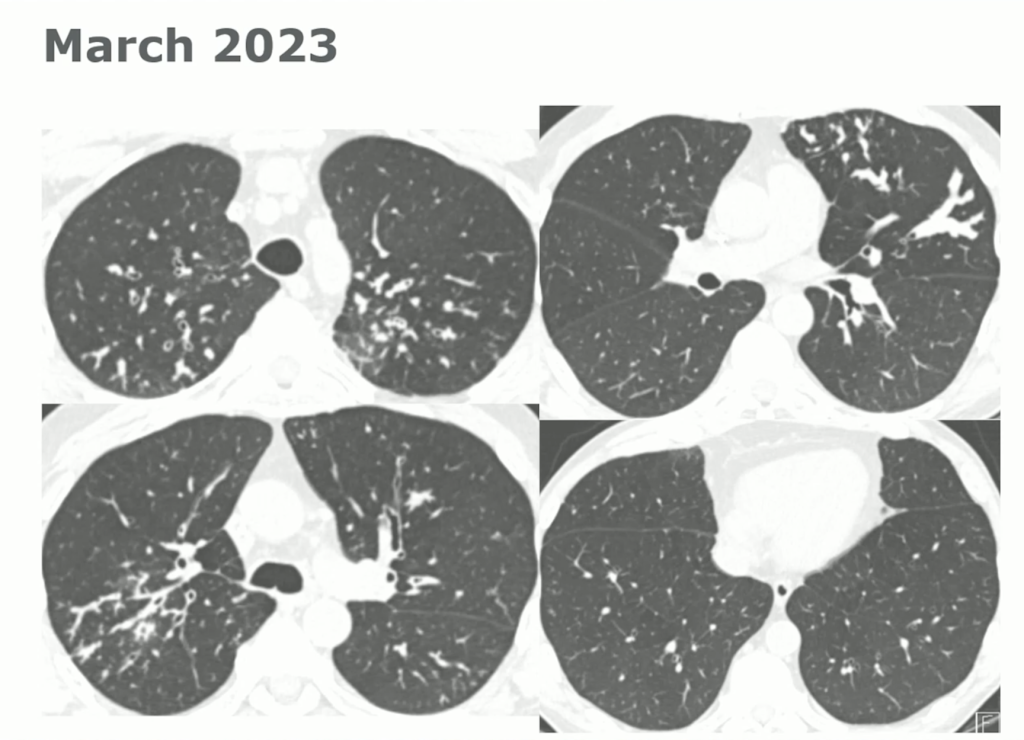
60-year-old with CLL (in remission) → recurrent “pneumonias,” diffuse (not single-lobe), later dx’d with CVID; serial CTs: upper-lobe–predominant bronchiectasis, tree-in-bud, mucus impaction; multiple AFB+ cultures (MAC, later M. abscessus); recurrent bacterial flares (MSSA/MRSA).


Imaging pearls

  • Tree-in-bud = small airways (bronchiolar) impaction/inflammation, not a diagnosis. Differential guided by distribution + chronicity:
    • Acute/diffuse → bacterial/viral/NTM infection
    • Dependent/basal → aspiration
    • Persistent + nodular + bronchiectasis → NTM common
  • Bronchiectasis CT signs (think: “ring, taper, edge”):
  1. Broncho-arterial ratio >1 (signet-ring)
  2. Lack of normal tapering
  3. Visible bronchi within 1 cm of pleura
  • Location matters:
    • Upper lobes → CF, sarcoid, prior TB/radiation
    • Middle lobe/lingula → NTM classic; consider ABPA if central
    • Lower lobes → aspiration, PCD, CTD, immunodeficiency

NTM: diagnosis & when to treat

  • Use all three (2020 guideline frame): clinical symptoms, compatible CT, microbiology (≥2 sputum cultures or 1 bronch +, etc.).
  • Not every positive culture = disease needing drugs. If you defer pharmacologic therapy, follow closely (symptoms, sputum, PFTs, interval CT if change).
  • Bug matters: MAC, M. abscessus, kansasii etc. “Low-virulence” species (e.g., M. gordonae) can still flag underlying airway disease.
  • Regimens (MAC, macrolide-susceptible): azithro + ethambutol + rifampin (intermittent for nodular-bronchiectatic; daily ± IV amikacin for fibro-cavitary/advanced).
    • Macrolide is the backbone; the others protect against resistance.
    • M. abscessus: check for inducible macrolide resistance (prolonged in-vitro testing).
  • Monitoring: sputum q1–3 mo; labs (CBC/CMP), vision (ethambutol), hearing (aminoglycosides). Treat ~12 months beyond culture conversion.
  • Anti-inflammatory macrolide for bronchiectasis is contraindicated if macrolide-susceptible NTM is present—risk of resistance.

Bronchiectasis management essentials

  • It’s a syndrome: symptoms/exacerbations plus CT changes.
  • Airway clearance is foundational (exercise + devices ± hypertonic saline/DNase when indicated). Expect CT and symptom gains with adherence.
  • Exacerbations often need ~14 days of pathogen-directed antibiotics (short courses may fail). Take the “easy win” when a conventional pathogen explains the flare.

Workup framework (start with a core bundle, then target)

Core “every patient” bundle

  • CBC with diff (look for eosinophilia/hematologic clues)
  • Quantitative IgG/IgA/IgM (primary/secondary immunodeficiency)
  • ABPA screen: total IgE + Aspergillus-specific IgE/IgG
  • Sputum cultures: routine bacteria + AFB + fungal (if producing)
  • Baseline PFTs

Targeted tests (guided by history, distribution, microbes)

  • CF evaluation: sweat chloride and/or CFTR genotyping (especially with upper-lobe disease, chronic sinusitis/nasal polyps, pancreatitis/malabsorption, infertility/CAVD).
  • PCD: nasal NO, genetics, specialized ciliary studies (adult cases may be mild and missed by genetics alone).
  • Alpha-1 antitrypsin (never-smoker emphysema, liver hx)
  • CTD serologies (RA, Sjögren’s, etc.), if suggestive
  • Aspiration/upper-GI assessment when basal-predominant or reflux symptoms
  • For suspected/known CVID: vaccine response assessment if not on replacement (this patient was already on IVIG).

Practical diagnostic habits

  • Re-read the CT yourself—radiology may under-call mild bronchiectasis in ED/PE-protocol scans.
  • Use a diagnostic time-out when the course isn’t fitting: name your working dx, list fits/mismatches, consider common diseases with atypical presentations, multi-morbidity, and can’t-miss alternatives; ask for help early; communicate uncertainty.

Teach-to-remember pearls from the case

  • Recurrent, geographically scattered pneumonias → think systemic causes (immunodeficiency, CF/PCD), not just focal anatomic problems.
  • Upper-lobe bronchiectasis + CAVD is a CF red flag—even in the 60s. Adult-onset CF is real and actionable.
  • In CF today, MSSA can be more common than Pseudomonas on culture; don’t let absence of Pseudomonas dissuade you.
  • Airway clearance adherence can change CTs; instruct patients to ramp up before surveillance scans for a fair assessment.
  • If symptoms abate with targeted therapy to a conventional pathogen, you may avoid immediate NTM re-treatment—but keep a tight follow-up loop.


100. ATS 2025 Critical Care Assembly: The Future of Mechanical Ventilation

We are podcasting today directly from ATS 2025 in San Francisco! Every year, in collaboration with the ATS Critical Care Assembly, we highlight some of the scientific symposium programming from the conference. Today, Furf and Monty sit down with the three chairs of the scientific symposium entitled: Mechanical Ventilation of the Future: New Foundations For Ventilator Strategies.

Juliana Ferreira is an Associate Professor at the University of Sao Paulo, Brazil where she is also co-director of the pulmonary and critical care fellowship program. She is an MD, PhD, and a physician scientist with specific interests in mechanical ventilation and medical education. Finally, she serves ATS as the ATS MECOR Latin America Director.

Bhakti Patel is an Assistant Professor Medicine at the University of Chicago. She is a dedicated researcher and educator. Her research focuses on non-invasive ventilator support.

Akram Khan is an Associate Professor of Medicine at Oregon Health and Science University. Akram is a pulmonary, critical care, and sleep provider with specific clinical interests in critical illness, pulmonary vascular disease and sleep apnea. Additionally, he is an accomplished translational science researcher.

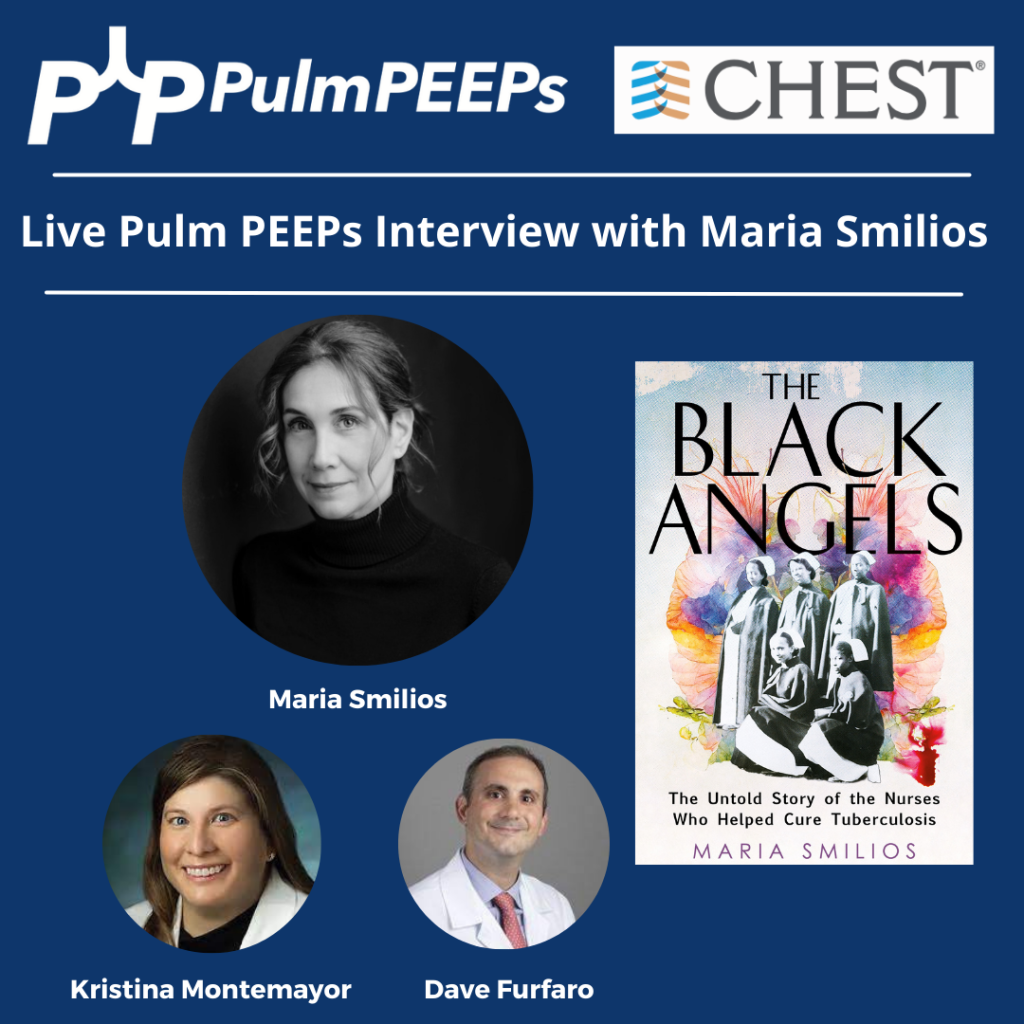
87. Live from CHEST 2024 – Black Angels with Maria Smilios

Here at Pulm PEEPs we have always loved the CHEST Annual Meetings. We have enjoyed learning at them, reuniting with and meeting colleagues, and having conference specific episodes the past two years. This year, we had the opportunity to podcast live at CHEST 2024 and it was a real thrill! We talked to Maria Smilios about her wonderful book The Black Angels: The Untold Story of the Nurses Who Helped Cure Tuberculosis. . The book covers a range of fascinating topics including how treatments for tuberculosis were developed, the successes and plights of Black nurses working in this endeavor, an exploration of health care in New York City, and a discussion of Racism and civil rights in American healthcare.

We were also thrilled that Virginia Allen, the last surviving Black Angel is at the conference and her and her colleagues (posthumously) are receiving an honorary FCCP.

Maria Smiios is a native New Yorker but completed her master of arts in religion and literature right here in Boston. She completed her masters at Boston University, where she was a Luce scholar, and taught in the religion and writing program. Through her work, she found a love for history, medicine and women’s narratives. While working at Springer Publishing as a science book editor, she learned about the story of the Black Angels and was determined to tell their story. She spent years deeply engaged in the lives and stories of those who were closest to these remarkable women.

86. CHEST 2024 Preview

We are excited to be back with our colleagues from CHEST to be previewing the CHEST 2024 Annual Meeting. CHEST his year is in Boston, MA from October 5th to October 9th. Listen in to hear about some great new features at CHEST this year, some old favorites, and to learn how to optimize your conference experience. See you all in two weeks!

Sandhya Khurana is a  Professor of medicine at University of Rochester school of medicine and Director of the Mary Parkes Asthma Center. Her clinical and research interest is in asthma. She is the Vice-Program Chair for CHEST 2024 and will be the program Chair for CHEST 2025 next year in Chicago.

Gabe Bosslet is the Program Chair for CHEST this year. In addition he is a Professor of Clinical Medicine at Indiana University School of Medicine. He is also an Assistant Dean at IU, and the Director of Mentoring and Faculty Development for the Division Pulmonary, Critical Care, Allergy and Occupational Medicine.

Huzaifah Salat is a clinician educator who is currently working as a consultant pulmonologist and intensivist at Advocate Aurora Health in Wisconsin. He completed his Pulmonary and Critical Care Fellowship at the University of Oklahoma Health Sciences Center

73. PulmPEEPs and ATS Critical Care Assembly: Dying in the ICU

Welcome to our second episode of ATS 2024 highlighting content featured through the ATS Critical Care Assembly. Today we are going to be talking about one of the Critical Care Assembly Symposiums entitled: “Care of Dying in the ICU: End of Life Care in 2024 and Beyond”

Dr. Theodore “Jack: Iwashyna is a Bloomberg Distinguished Professor at Johns Hopkins School of Medicine and the Johns Hopkins Bloomberg School of Public Health. Jack is a critical care physician and has a broad focus on research that understands the broader context of critical illness, and the long term impact on patients’ lives. He is an enormously productive and successful researcher with numerous publications in the field of critical care, and is a pioneer in the field of ICU survivorship. He is a devoted mentor and has received accolades from numerous societies

Dr. Molly Hayes is an Associate Professor of Medicine at Beth Israel Deaconess Medical Center and Harvard Medical School, the Director of the MICU at BIDMC, and the Director of External Education at the Carl J Shapiro Institute for Education and Research. She additionally is a co-founder of the BIDMC Center for Humanizing the ICU. Molly has been extensively involved with ATS with leadership roles in the Critical Care Assembly, and the newly minted Steering Committee on the Advancement of Learning.

The American Thoracic Society Critical Care Assembly is the largest Assembly in the American Thoracic Society. Their members include a diverse group of intensivists and care providers for both adult and pediatric critically ill patients. The primary goal of the Critical Care Assembly is to “improve the care of the critically ill through education, research, and professional development.”

72. PulmPEEPs and ATS Critical Care Assembly: A New Reality for Critical Care after Dobbs


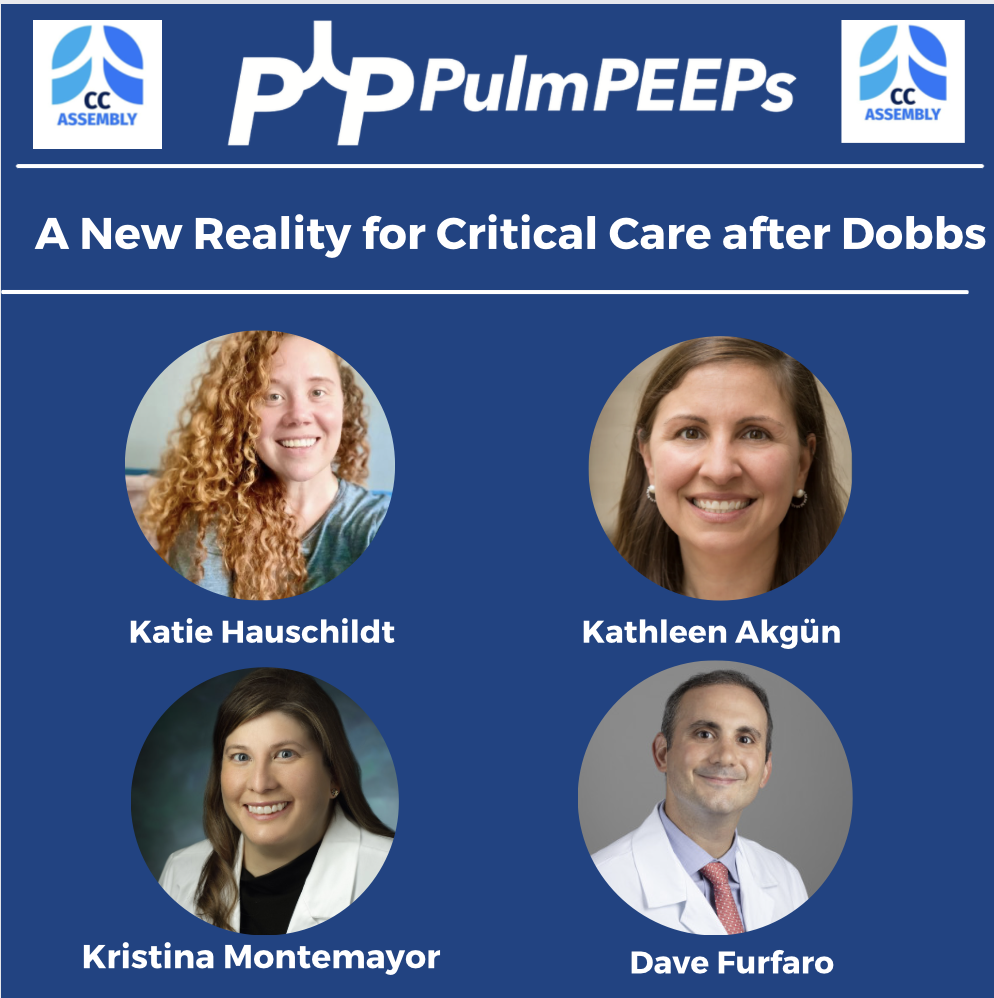
Welcome to our first episode of ATS 2024 highlighting content featured through the ATS Critical Care Assembly. Today we are going to be talking about one of the Critical Care Assembly Symposiums entitled: “A New Reality for Critical Care after Dobbs.”

Meet our Guests

Dr. Katie Hauschildt is a Faculty Research Associate at The Johns Hopkins University School of Medicine where she conducts research on equity in healthcare and critical illness recovery. She has her PhD in Sociology from the University of Michigan and an Advanced Fellowship in Health Services Research from the VA Ann Arbor Healthcare System, and is a board certified patient advocate.

Dr. Kathleen Akgün is an Associate Profess or Medicine at the Yale School of Medicine. She is the Association Section Chief for the VA section of Pulmonary, the Co-Director of the Network of Dedicated Enrollment Sites Program, the director of the MICU at the VA Connecticut health care system, and a member of the DEI Working Group at Yale.

Meet our Collaborators

The American Thoracic Society Critical Care Assembly is the largest Assembly in the American Thoracic Society. Their members include a diverse group of intensivists and care providers for both adult and pediatric critically ill patients. The primary goal of the Critical Care Assembly is to “improve the care of the critically ill through education, research, and professional development.”

References and Further Reading

Good Trouble Indiana: https://www.goodtroubleindiana.org/

McHugh K, Bosslet GT, Rouse C, Wilkinson T. Doctors think “advocate” is a dirty word. But it’s our ethical responsibility. STAT Newshttps://www.statnews.com/2023/06/01/caitlin-bernard-indiana-abortion-10-year-old-advocacy/. Published June 1, 2023.

MacDonald A, Gershengorn HB, Ashana DC. The Challenge of Emergency Abortion Care Following the Dobbs Ruling. JAMA. 2022;328(17):1691-1692. doi:10.1001/jama.2022.17197

Ashana DC, Chen C, Hauschildt K, et al. The Epidemiology of Maternal Critical Illness Between 2008-2021. Ann Am Thorac Soc. Published online June 14, 2023. doi:10.1513/AnnalsATS.202301-071RL

Sonntag E, Akgun KM, Bag R, et al. Access to Medically Necessary Reproductive Care for Individuals with Pulmonary Hypertension. Am J Respir Crit Care Med. Published online June 13, 2023. doi:10.1164/rccm.202302-0230VP

Griffin KM, Oxford-Horrey C, Bourjeily G. Obstetric Disorders and Critical Illness. Clin Chest Med. 2022;43(3):471-488. doi:10.1016/j.ccm.2022.04.008

Her Body, Our Laws: https://bookshop.org/p/books/her-body-our-laws-on-the-front-lines-of-the-abortion-war-from-el-salvador-to-oklahoma-michelle-oberman/9007091?ean=9780807089071

Watson K, Oberman M. Abortion Counseling, Liability, and the First Amendment. N Engl J Med 2023;389(7):663–7.


56. Bedside Teaching in the ICU – Pulm PEEPs and ATS Breathe Easy

This week on Pulm PEEPs, we are excited to be cross-posting an episode that Dave Furfaro did on the ATS Breathe Easy Podcast. Listen to hear a discussion about the best way to create a positive learning environment in the ICU, and how to effectively prepare bedside teaching for learners of all levels.

Meet The Host

Matthew Stutz hosted this episode of the ATS Breathe Easy Podcast. He is an Attending Pulmonary and Critical Care physician at Cook County Health and an Assistant Professor at Rush University. He is a dedicated educator and an active member of the American Thoracic Society.

Key Learning Points

  1. Empowerment: It’s crucial to empower both learners and teachers in an educational setting.
  2. Open Communication: Learners should be encouraged to express their discomfort or challenges in learning. This will allow teachers to adapt and create a more effective learning environment.
  3. Self-awareness and Continuous Improvement: Teachers should be self-aware and continuously strive for improvement. If a teacher knows their weak points or areas they want to enhance, such as bedside teaching or teaching on rounds, they should communicate this to their team. This will make the team more observant and supportive in giving feedback.
  4. Honesty: A genuine and honest dialogue helps in building a strong and trusting educational relationship. It’s beneficial for both the teacher and learner to be candid about their needs and challenges.
  5. Feedback Mechanism: Constructive feedback is an essential part of growth. By informing team members of areas you’re working on, you can receive specific and helpful feedback at the end of a rotation or session.
  6. Appreciation: It’s important to appreciate and acknowledge contributions in an educational or collaborative setting.

53. CHEST 2023 Preview

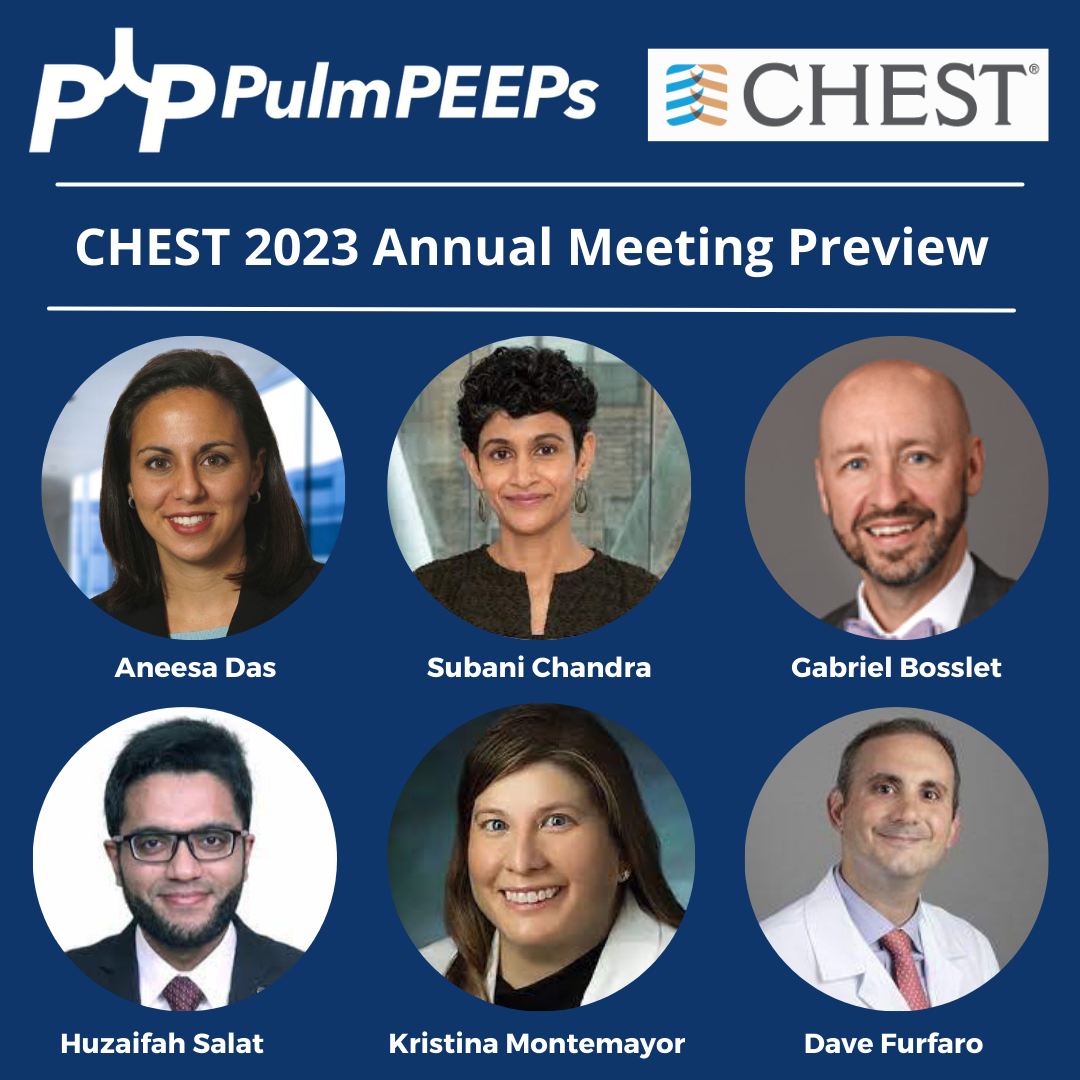
We are thrilled today to be previewing CHEST 2023! The Annual Meeting is taking place October 8th – 11th in Honolulu, Hawaii, and we are joined today by CHEST enthusiasts and the past, present, and future conference chairs. Listen now to hear what is in store for you next month in Hawaii, to plan your conference experience, and find out what sessions are can’t-miss!

Meet Our Guests

Aneesa Das is a Professor of Medicine at The Ohio State University Wexner Medical Center. She is the Assistant Director of the OSU Sleep Program and the Director of the Portable Sleep Testing Program. She was the Vice-Chair of the CHEST 2022 Scientific Programming Committee, and the Chair for 2023

Subani Chandra is an Associate Professor at Columbia University. She is the Vice Chair of Medicine for Education, and the internal medicine residency program director. She was the chair of the CHEST Scientific Program Committee for CHEST in 2022 and joined us when we came to you live from Nashville last year. Subani is currently the Chair for the Training and Transitions Committee for CHEST.

Gabe Bosslet is a Professor of Clinical Medicine in the Department of Pulmonary, Critical Care, Sleep and Occupational Medicine at Indiana University. He is the Assistant Dean for Faculty Affairs and Professional Development at IU. He is the current Vice Chair of the CHEST 2023 Scientific Programming Committee and the Chair Elect for CHEST 2024.

Huzaifah Salat is a budding clinician educator who is currently working as a consultant pulmonologist and intensivist at Advocate Aurora Health in Wisconsin. He recently completed his Pulmonary and Critical Care Fellowship at the University of Oklahoma Health Sciences Center. He has worked with Pulm PEEPs before on some fantastic Tweetorials.

CHEST’s Local Efforts and Initiatives to Support Survivors of the Maui Wildfires

https://www.chestnet.org/Newsroom/CHEST-News/2023/08/In-support-of-Maui

https://www.shopsmallhawaii.com/guide-info

CHEST 2023 Links

Register for the conference: https://www.chestnet.org/Learning-and-Events/Events/CHEST-Annual-Meeting

CHEST 2023 Programming: https://events.rdmobile.com/Sessions/Index/16477

CHEST 2023 Session Information: https://www.chestnet.org/Learning-and-Events/Events/CHEST-Annual-Meeting/Sessions

Future CHEST Annual Meetings:

2024: October 6-9 | Boston, Massachusetts
2025: October 19-22 | Chicago, Illinois
2026: October 18-21 | Phoenix, Arizona
2027: October 24-27 | Vancouver, BC, Canada

51. The DEI Pipeline in PCCM in Collaboration with the ATS Critical Care Assembly

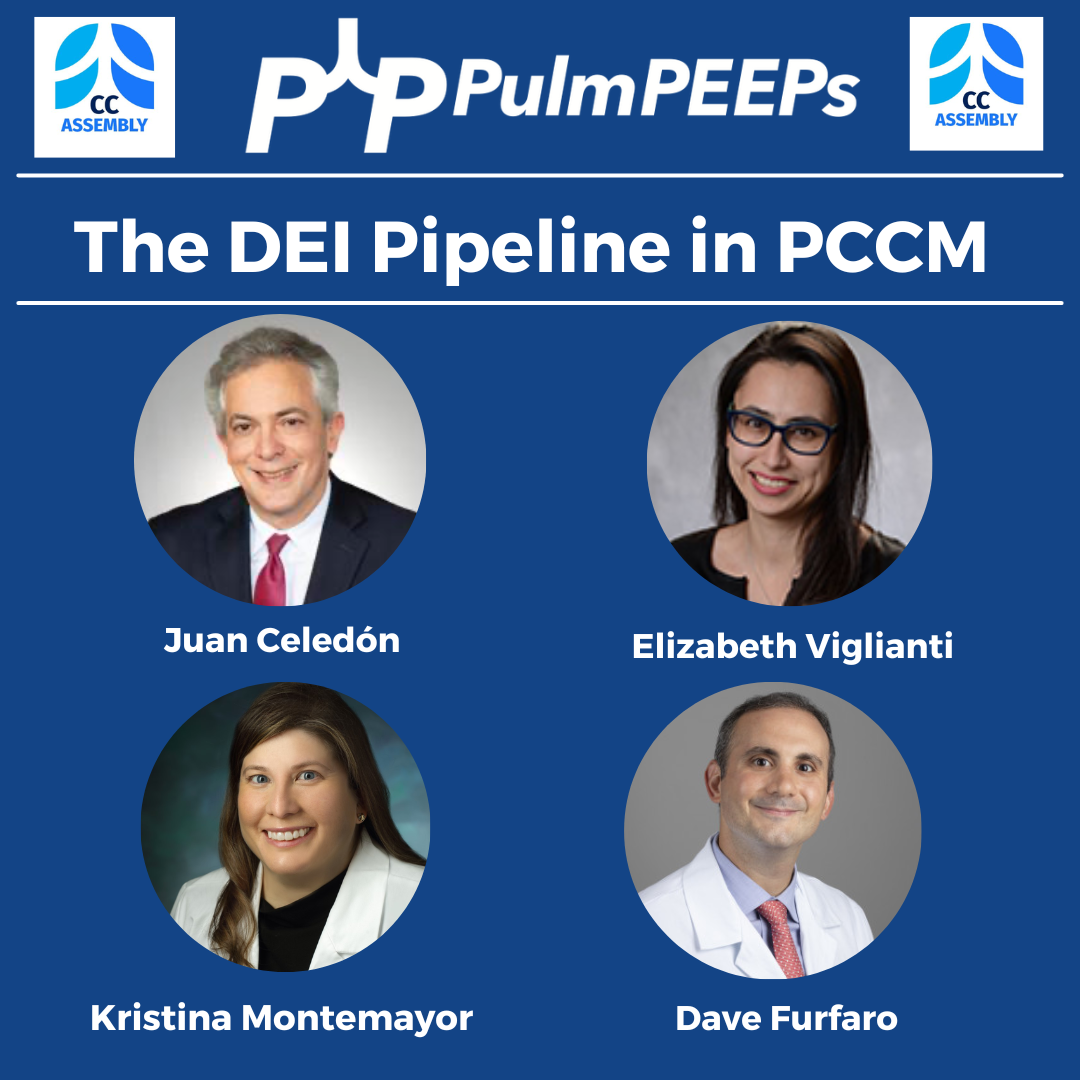
Welcome to our final episode highlighting content featured through the ATS Critical Care Assembly from ATS 2023. Today we are going to be talking about one of the Critical Care Assembly symposiums entitled: Fail Smarter and Learn Faster: Moving Beyond Bystander Training to Organizational Strategies to Reinforce the DEI Pipeline in Pulmonary and Critical Care Medicine.

Meet our Guest

Liz Viglianti is an Assistant Professor of Medicine at the University of Michigan. In addition to obtaining her MD at Duke, and completing her residency and fellowship at Michigan, she also has an MPH and completed a Masters of Science in Health and Healthcare Research at the University of Michigan. Her research focuses include persistent critical illness and sexual harassment within medicine.

Juan Celedón is a Professor of Pediatrics, and a Professor of Medicine, Epidemiology, and Human Genetics at the University of Pittsburgh, where he is also the Division Chief of Pediatric Pulmonology. In addition to his MD and pulmonary pediatric specialty, he has a doctoral degree in Public Health. He is a world renowned researcher, has been recognized for his scientific achievements by multiple societies including the ATS and the American Pediatric Society, leads large NIH funded research initiatives, and is the author of 100s of publications.

Meet our Collaborators

The American Thoracic Society Critical Care Assembly is the largest Assembly in the American Thoracic Society. Their members include a diverse group of intensivists and care providers for both adult and pediatric critically ill patients. The primary goal of the Critical Care Assembly is to “improve the care of the critically ill through education, research, and professional development.”

References and Further Reading

Santhosh L, Babik JM. Diversity in the Pulmonary and Critical Care Medicine Pipeline. Trends in Gender, Race, and Ethnicity among Applicants and Fellows. ATS Sch. 2020 Mar 5;1(2):152-160. doi: 10.34197/ats-scholar.2019-0024IN. PMID: 33870279; PMCID: PMC8043294.

Suber TL, Neptune ER, Lee JS. Inclusion in the Pulmonary, Critical Care, and Sleep Medicine Physician-Scientist Workforce. Building with Intention. ATS Sch. 2020 Aug 12;1(4):353-363. doi: 10.34197/ats-scholar.2020-0026PS. PMID: 33870306; PMCID: PMC8015761.

Kalantari R, Tigno X, Colombini-Hatch S, Kiley J, Aggarwal N. Impact of the National Heart, Lung, and Blood Institute’s Loan Repayment Program Funding on Retention of the National Institutes of Health Biomedical Workforce. ATS Sch. 2021 Sep 1;2(3):415-431. doi: 10.34197/ats-scholar.2020-0158OC. PMID: 34667990; PMCID: PMC8518664.

43. ATS 2023 Symposium Preview – Cardiac Arrest: New Science and Changing Guidelines

We’re podcasting again today from #ATS2023! Yesterday, we heard all about the conference in general, with some great recaps and previews of the remaining sessions. Today, we are coming to you in collaboration with the Critical Care Assembly to preview one of the symposiums they are hosting. This session is about Cardiac Arrest: New Science and Changing Guidelines and is happening today (the day of podcast release, 5/23/23)! If you’re interested in hearing more after the episode then please plan to attend at 2:15 PM in Room 150 A-B.

For those of you who aren’t at the conference, or couldn’t make this session, we’ll talk about some of the key points and discussion topics. We will additionally be talking to the chairs of other symposiums over the next coming months so stay tuned for some more highlights from ATS 2023.

Meet Our Guest

Ari Moskowitz is an Assistant Professor of Medicine at Montefiore Medical Center / Albert Einstein College of Medicine. He is additionally the MICU Director at Montefiore Einstein and Director of Critical Care Quality Improvement. He is an NIH-funded researcher and has conducted research in cardiac arrest care, sepsis, and ARDS.

Meet our Collaborators

The American Thoracic Society Critical Care Assembly is the largest Assembly in the American Thoracic Society. Their members include a diverse group of intensivists and care providers for both adult and pediatric critically ill patients. The primary goal of the Critical Care Assembly is to “improve the care of the critically ill through education, research, and professional development.”

References and Further Reading

  1. Nielsen N, Wetterslev J, Cronberg T, Erlinge D, Gasche Y, Hassager C, Horn J, Hovdenes J, Kjaergaard J, Kuiper M, Pellis T, Stammet P, Wanscher M, Wise MP, Åneman A, Al-Subaie N, Boesgaard S, Bro-Jeppesen J, Brunetti I, Bugge JF, Hingston CD, Juffermans NP, Koopmans M, Køber L, Langørgen J, Lilja G, Møller JE, Rundgren M, Rylander C, Smid O, Werer C, Winkel P, Friberg H; TTM Trial Investigators. Targeted temperature management at 33°C versus 36°C after cardiac arrest. N Engl J Med. 2013 Dec 5;369(23):2197-206. doi: 10.1056/NEJMoa1310519. Epub 2013 Nov 17. PMID: 24237006.
  2. Dankiewicz J, Cronberg T, Lilja G, Jakobsen JC, Levin H, Ullén S, Rylander C, Wise MP, Oddo M, Cariou A, Bělohlávek J, Hovdenes J, Saxena M, Kirkegaard H, Young PJ, Pelosi P, Storm C, Taccone FS, Joannidis M, Callaway C, Eastwood GM, Morgan MPG, Nordberg P, Erlinge D, Nichol AD, Chew MS, Hollenberg J, Thomas M, Bewley J, Sweet K, Grejs AM, Christensen S, Haenggi M, Levis A, Lundin A, Düring J, Schmidbauer S, Keeble TR, Karamasis GV, Schrag C, Faessler E, Smid O, Otáhal M, Maggiorini M, Wendel Garcia PD, Jaubert P, Cole JM, Solar M, Borgquist O, Leithner C, Abed-Maillard S, Navarra L, Annborn M, Undén J, Brunetti I, Awad A, McGuigan P, Bjørkholt Olsen R, Cassina T, Vignon P, Langeland H, Lange T, Friberg H, Nielsen N; TTM2 Trial Investigators. Hypothermia versus Normothermia after Out-of-Hospital Cardiac Arrest. N Engl J Med. 2021 Jun 17;384(24):2283-2294. doi: 10.1056/NEJMoa2100591. PMID: 34133859.
  3. Vallentin MF, Granfeldt A, Meilandt C, Povlsen AL, Sindberg B, Holmberg MJ, Iversen BN, Mærkedahl R, Mortensen LR, Nyboe R, Vandborg MP, Tarpgaard M, Runge C, Christiansen CF, Dissing TH, Terkelsen CJ, Christensen S, Kirkegaard H, Andersen LW. Effect of Intravenous or Intraosseous Calcium vs Saline on Return of Spontaneous Circulation in Adults With Out-of-Hospital Cardiac Arrest: A Randomized Clinical Trial. JAMA. 2021 Dec 14;326(22):2268-2276. doi: 10.1001/jama.2021.20929. PMID: 34847226; PMCID: PMC8634154.
  4. Yannopoulos D, Bartos J, Raveendran G, Walser E, Connett J, Murray TA, Collins G, Zhang L, Kalra R, Kosmopoulos M, John R, Shaffer A, Frascone RJ, Wesley K, Conterato M, Biros M, Tolar J, Aufderheide TP. Advanced reperfusion strategies for patients with out-of-hospital cardiac arrest and refractory ventricular fibrillation (ARREST): a phase 2, single centre, open-label, randomised controlled trial. Lancet. 2020 Dec 5;396(10265):1807-1816. doi: 10.1016/S0140-6736(20)32338-2. Epub 2020 Nov 13. PMID: 33197396; PMCID: PMC7856571.
  5. Suverein MM, Delnoij TSR, Lorusso R, Brandon Bravo Bruinsma GJ, Otterspoor L, Elzo Kraemer CV, Vlaar APJ, van der Heijden JJ, Scholten E, den Uil C, Jansen T, van den Bogaard B, Kuijpers M, Lam KY, Montero Cabezas JM, Driessen AHG, Rittersma SZH, Heijnen BG, Dos Reis Miranda D, Bleeker G, de Metz J, Hermanides RS, Lopez Matta J, Eberl S, Donker DW, van Thiel RJ, Akin S, van Meer O, Henriques J, Bokhoven KC, Mandigers L, Bunge JJH, Bol ME, Winkens B, Essers B, Weerwind PW, Maessen JG, van de Poll MCG. Early Extracorporeal CPR for Refractory Out-of-Hospital Cardiac Arrest. N Engl J Med. 2023 Jan 26;388(4):299-309. doi: 10.1056/NEJMoa2204511. PMID: 36720132.