109. Guidelines Series: GINA Guidelines – Special Considerations in Asthma Care

In this episode, we’re concluding our review of the Global Initiative for Asthma (GINA) guidelines on asthma today with a cased based episode on special considerations in asthma care. We’ve covered asthma diagnosis and phenotyping, the approach to therapy inhaler and oral medical therapy, and biologic therapy. On today’s episode we’re talking about complex cases that are at the edges of the guidelines, or may be in future guidelines. To help us with this exciting topic we’re joined by an expert in the field. Enjoy! 

Dr. Meredith McCormack is a Professor of Medicine at Johns Hopkins, where she leads multiple NIH funded endeavors at understanding lung health and disease. She is the Division Director for Pulmonary and Critical Care Medicine, while also directing the Asthma Precision Medicine Center of Excellence, and the BREATHE Center, which focuses on understanding the effects of the environment on lung health and disease through research and community engagement.  She is an internationally recognized expert in asthma management and is a dedicated member of the faculty who is committed to the trainees.

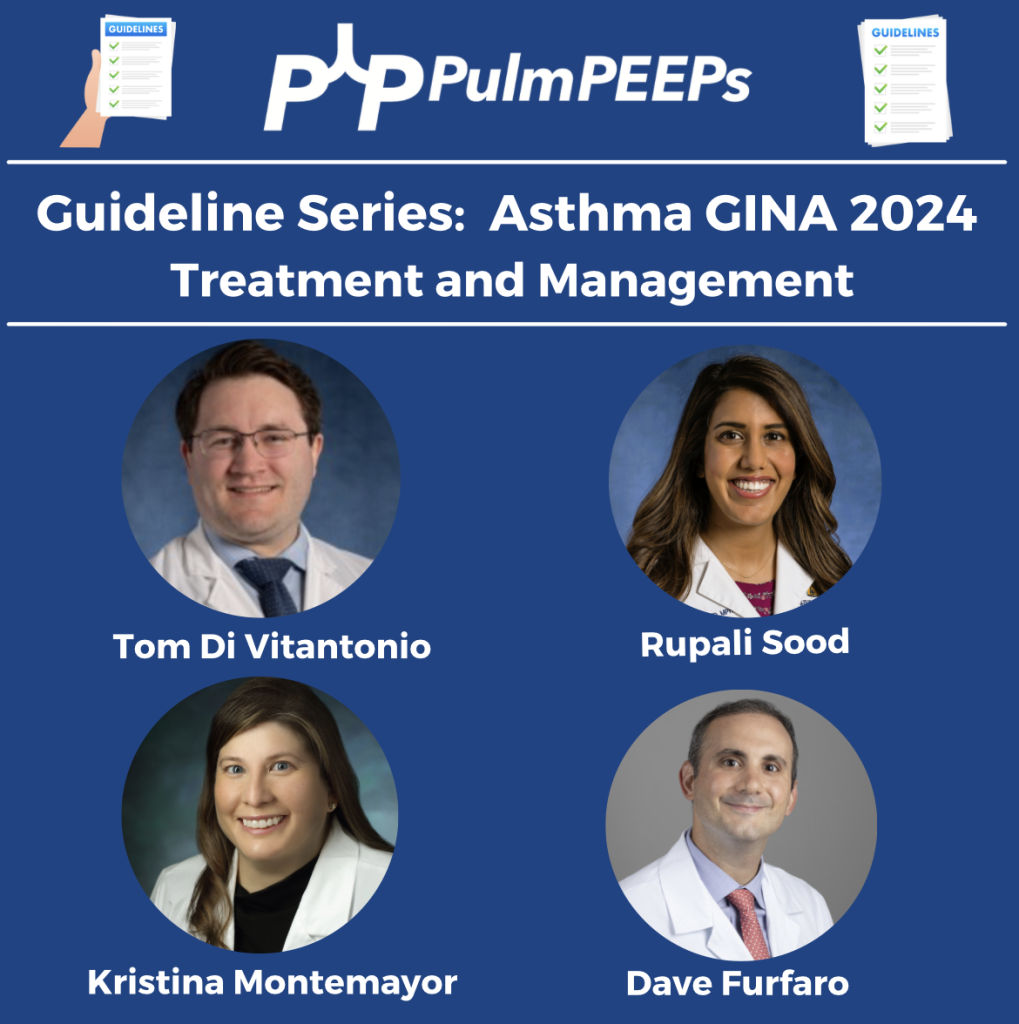
Rupali Sood  grew up in Las Vegas, Nevada and made her way over to Baltimore for medical school at Johns Hopkins. She then completed her internal medicine residency training at Massachusetts General Hospital before returning back to Johns Hopkins, where she is currently a second year pulmonary and critical care medicine fellow alongside Tom. Rupali’s interests include interstitial lung disease, particularly as related to oncologic drugs. And she also loves bedside medical education.

Tom Di Vitantonio  is originally from New Jersey and attended medical school at Rutgers, New Jersey Medical School in Newark. He then completed his internal medicine residency at Weill Cornell, where he also served as a chief resident. He currently is a second year pulmonary and critical care medicine fellow at Johns Hopkins, and he’s passionate about caring for critically ill patients, how we approach the management of pulmonary embolism, and also about medical education of trainees to help them be more confident and patient centered in the care they have going forward.

Episode themes

  • Built on GINA 2024: final capstone focusing on evolving topics + case-based application.

  • Three focal areas: (1) obesity/metabolic health (GLP-1s, metformin), (2) dual biologics vs switching, (3) de-escalating inhalers while on biologics.

  • Emphasis throughout on personalized care, shared decision-making, and multidisciplinary collaboration.
  • Obesity & metabolic health in asthma
  • Obesity affects mechanics, inflammation, and treatment response; tackling metabolic dysfunction can improve asthma control.

  • GLP-1 receptor agonists may provide additive benefit beyond weight loss for some patients (early clinical signals; trials ongoing).

  • Metformin is being studied as a potential adjunct targeting metabolic-inflammatory pathways.

  • Practical approach: screen/counsel on weight, activity, and metabolic disease; partner with primary care/endocrine/sleep clinics; consider GLP-1/other agents when indicated for comorbidities, with potential asthma “bonus.”

  • Biologics: switching vs dual therapy
  • Consider switching/adding when control is not achieved or sustained on a biologic despite adherence.

  • Upstream vs downstream targets:

    • Upstream: anti-TSLP (e.g., tezepelumab) may help when multiple pathways/biomarkers (e.g., high IgE + eos) suggest broader blockade.Downstream: IL-5/IL-4/13/IgE agents selected to match phenotype/endotypes.

  • Comorbidities can drive choice:

    • Nasal polyps or upper airway syndromes: there are biologic options that improve upper airway symptoms in addition to asthmaAtopic dermatitis: agents with dual indications can be life-changing.

  • Logistics matter: injection burden/needle phobia and dosing cadence (e.g., every 2 vs 4–8 weeks) can determine real-world success.
  • De-escalating inhalers on biologics
  • Don’t step down immediately. Ask patients to maintain their full regimen for ~3 months after starting a biologic to gauge true benefit.Set expectations early and share a step-down plan to prevent unsupervised discontinuation.Typical order (individualize):
    1. Remove non-essential add-ons first (e.g., antihistamines, leukotriene modifiers).Reduce ICS dose gradually (high → medium → low).Keep ICS/LABA combination among the last therapies to taper

  • Targets while stepping down: “normal” lung function when feasible, minimal/no day or night symptoms, full activity, no exacerbations.

  • When patients don’t respond to biologics
  • Re-check the fundamentals:
    • Adherence/technique for inhalers and biologic.Biomarkers behaving as expected (e.g., eosinophils falling on anti-IL-5).Revisit the diagnosis and contributors/mimics (e.g., vocal cord dysfunction, upper-airway disease).
    • Consider moving upstream (e.g., to TSLP) if a downstream agent underperforms.

    Communication & practical pearls

    • Use visual aids to verify what patients actually take and how (e.g., Asthma & Allergy Network inhaler pictogram).
    • Needle issues are common; home vs clinic administration and family support can make or break adherence.
    • Biologics are transformative for the right patient—consider them early in steroid-dependent or poorly controlled severe asthma.
    • Think longitudinally: plan for monitoring, comorbidity management, and timely adjustments.


    98. Guidelines Series: GINA Guidelines – Biologics for Treatment of Asthma

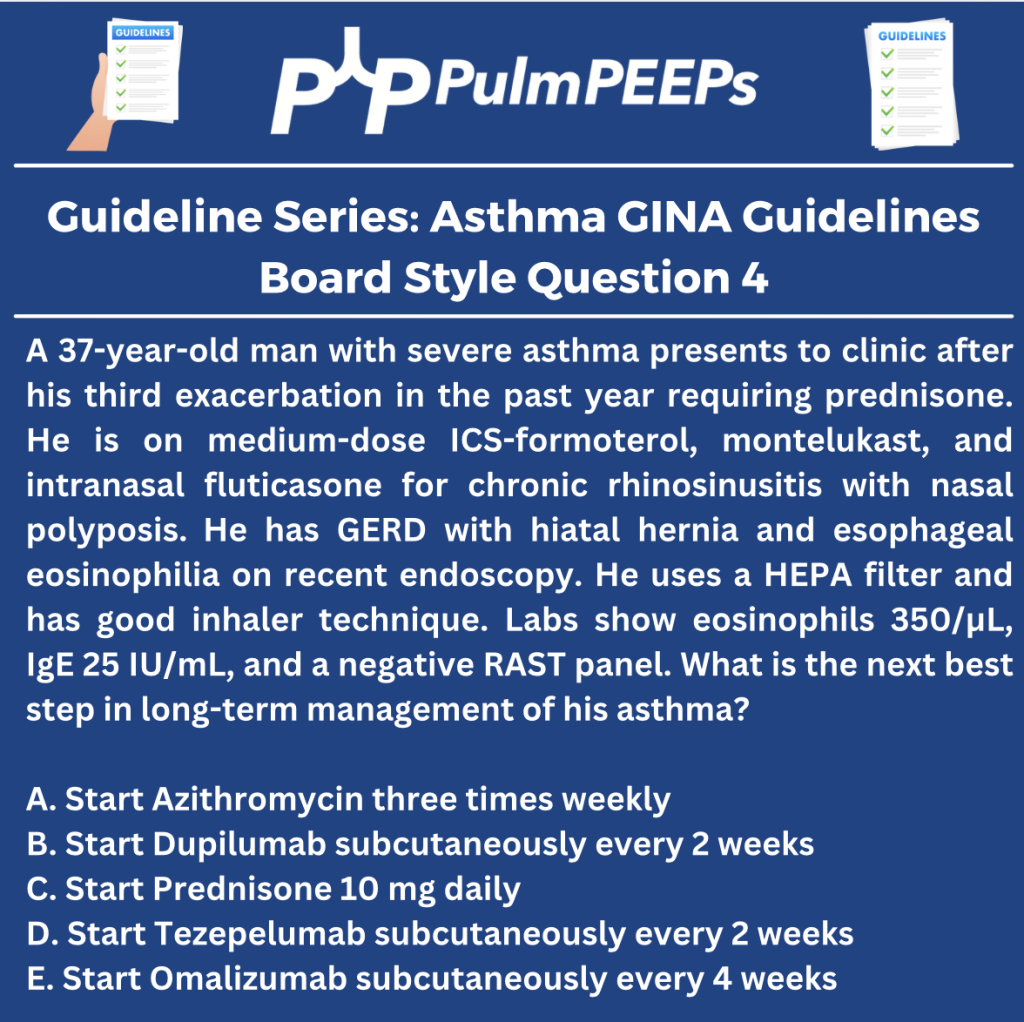
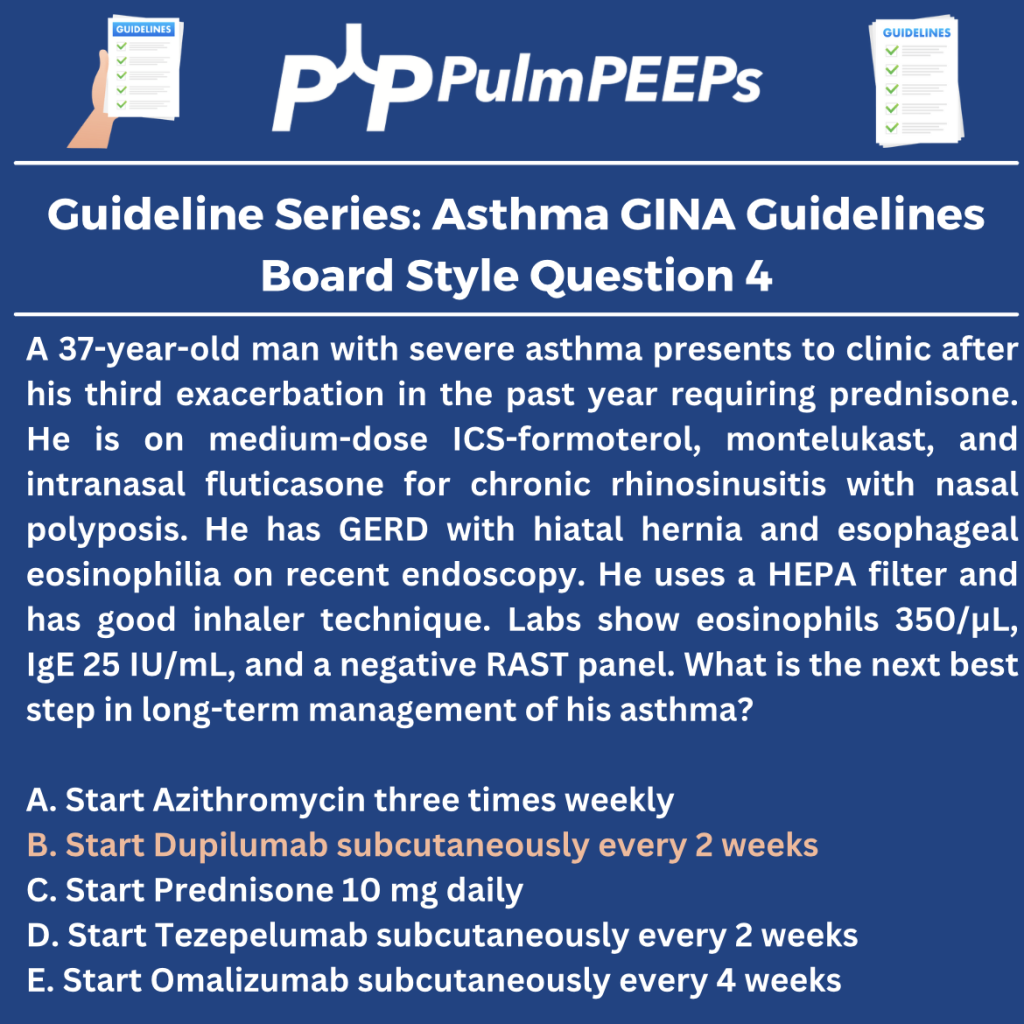
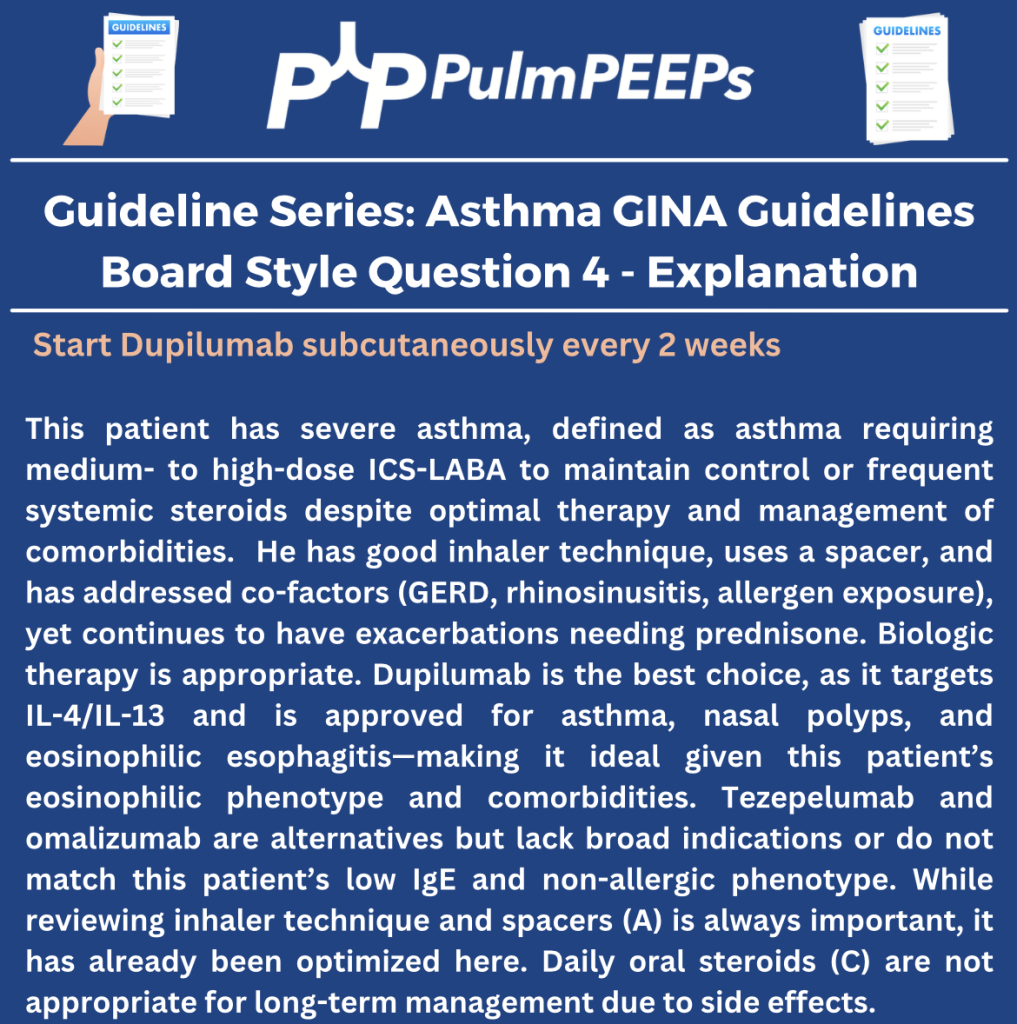
    Today, we continue our review of the Global Initiative for Asthma (GINA) guidelines on asthma. We’ve covered asthma diagnosis and phenotyping, and the initial approach to therapy. On today’s episode we’re talking about biologic therapies for asthma and will cover everything from when to consider starting them, which to choose, and what to monitor for after a patient is started. To help us with this exciting topic we’re joined by an expert in the field. We again have a great infographic prepared along with the episode, and a boards-style question for your review.


    Megan Conroy is an Assistant Professor of Medicine at The Ohio State University, and is also the associate program director for curriculum and quality in the Pulmonary and Critical Care Medicine Fellowship. Megan’s clinical area of expertise involves asthma and biologic therapies and she was recently recognized for her work in this area as the 2024 CHEST Airway Disorders Network Rising Star Award. 

    Rupali Sood  grew up in Las Vegas, Nevada and made her way over to Baltimore for medical school at Johns Hopkins. She then completed her internal medicine residency training at Massachusetts General Hospital before returning back to Johns Hopkins, where she is currently a second year pulmonary and critical care medicine fellow alongside Tom. Rupali’s interests include interstitial lung disease, particularly as related to oncologic drugs. And she also loves bedside medical education.

    Tom Di Vitantonio  is originally from New Jersey and attended medical school at Rutgers, New Jersey Medical School in Newark. He then completed his internal medicine residency at Weill Cornell, where he also served as a chief resident. He currently is a second year pulmonary and critical care medicine fellow at Johns Hopkins, and he’s passionate about caring for critically ill patients, how we approach the management of pulmonary embolism, and also about medical education of trainees to help them be more confident and patient centered in the care they have going forward.


    Mauer Y, Taliercio RM. Managing adult asthma: The 2019 GINA guidelines. Cleve Clin J Med. 2020 Aug 31;87(9):569-575. doi: 10.3949/ccjm.87a.19136. PMID: 32868307.

    Viswanathan RK, Busse WW. Biologic Therapy and Asthma. Semin Respir Crit Care Med. 2018 Feb;39(1):100-114. doi: 10.1055/s-0037-1606218. Epub 2018 Feb 10. PMID: 29427990.

    Brusselle GG, Koppelman GH. Biologic Therapies for Severe Asthma. N Engl J Med. 2022 Jan 13;386(2):157-171. doi: 10.1056/NEJMra2032506. PMID: 35020986.

    96. Guidelines Series: GINA Guidelines – Asthma Treatment and Management

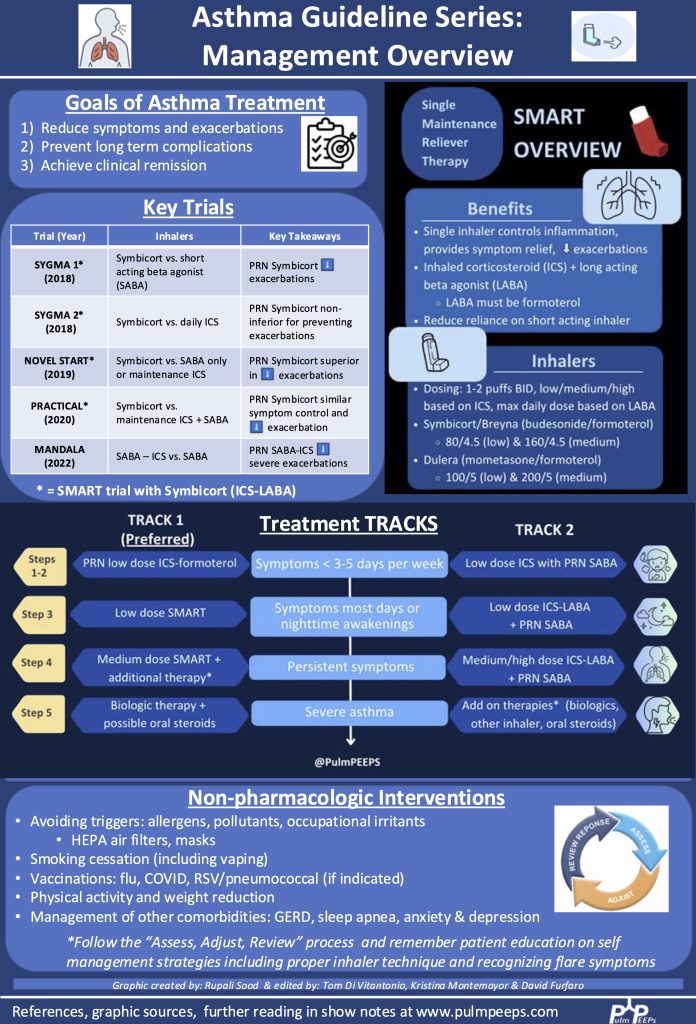
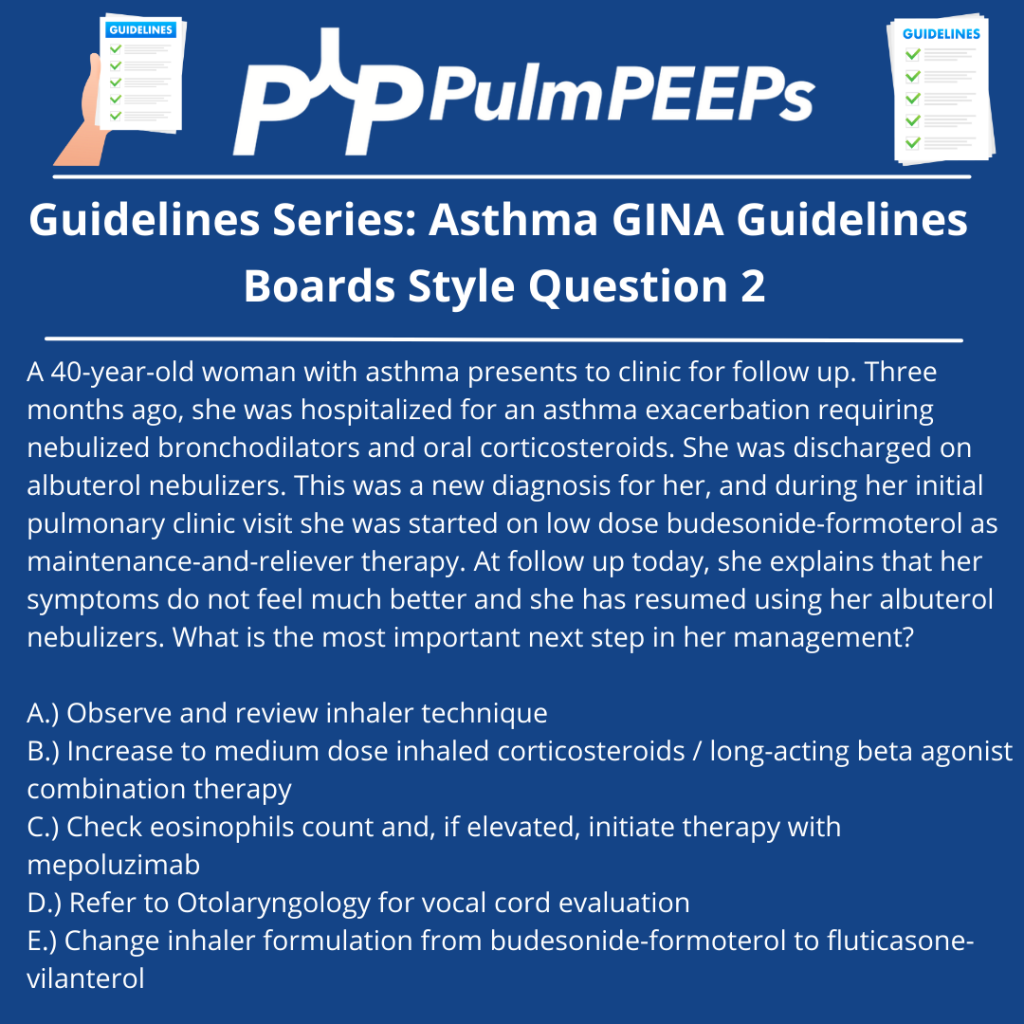
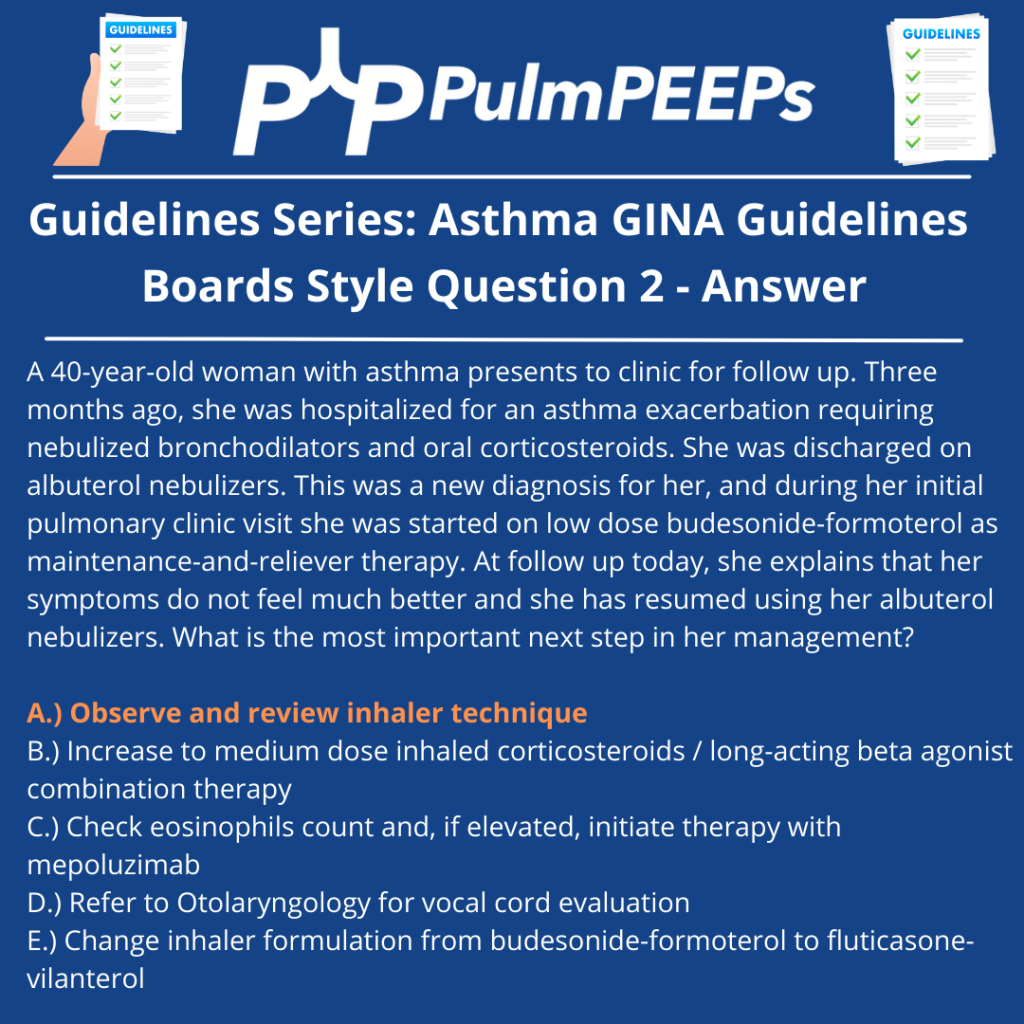
    We’re back with our second episode in our guideline initiative, and continuing our review of the Global Initiative for Asthma (GINA) guidelines on asthma. In our first episode of this series, we talked about making the diagnosis of asthma, the importance of appropriate phenotyping, and doing an initial assessment of asthma severity. Today, we’re discussing the initial management of asthma and discussing but pharmacologic and non-pharmacologic treatments. We have a great infographic prepared along with the episode, and a boards-style question for your review.

    Rupali Sood  grew up in Las Vegas, Nevada and made her way over to Baltimore for medical school at Johns Hopkins. She then completed her internal medicine residency training at Massachusetts General Hospital before returning back to Johns Hopkins, where she is currently a second year pulmonary and critical care medicine fellow alongside Tom. Rupali’s interests include interstitial lung disease, particularly as related to oncologic drugs. And she also loves bedside medical education.

    Tom Di Vitantonio  is originally from New Jersey and attended medical school at Rutgers, New Jersey Medical School in Newark. He then completed his internal medicine residency at Weill Cornell, where he also served as a chief resident. He currently is a second year pulmonary and critical care medicine fellow at Johns Hopkins, and he’s passionate about caring for critically ill patients, how we approach the management of pulmonary embolism, and also about medical education of trainees to help them be more confident and patient centered in the care they have going forward.

    1. Introduction to Asthma Guidelines
    • The podcast continues a guideline series on asthma, focusing on the Global Initiative for Asthma (GINA) 2024 guidelines.
    • Emphasizes practical applications for clinicians managing asthma in different settings.
    1. Importance of Evidence-Based Asthma Management
    • Asthma treatment must be systematic and personalized, considering recent clinical evidence.
    • Previous reliance on short-acting beta agonists (SABAs) as rescue inhalers has shifted towards inhaled corticosteroid (ICS)-containing therapies.
    • Over-reliance on SABAs is linked to increased exacerbations, airway inflammation, and poor long-term outcomes.
    1. Stepwise Approach to Asthma Management (GINA 2024)
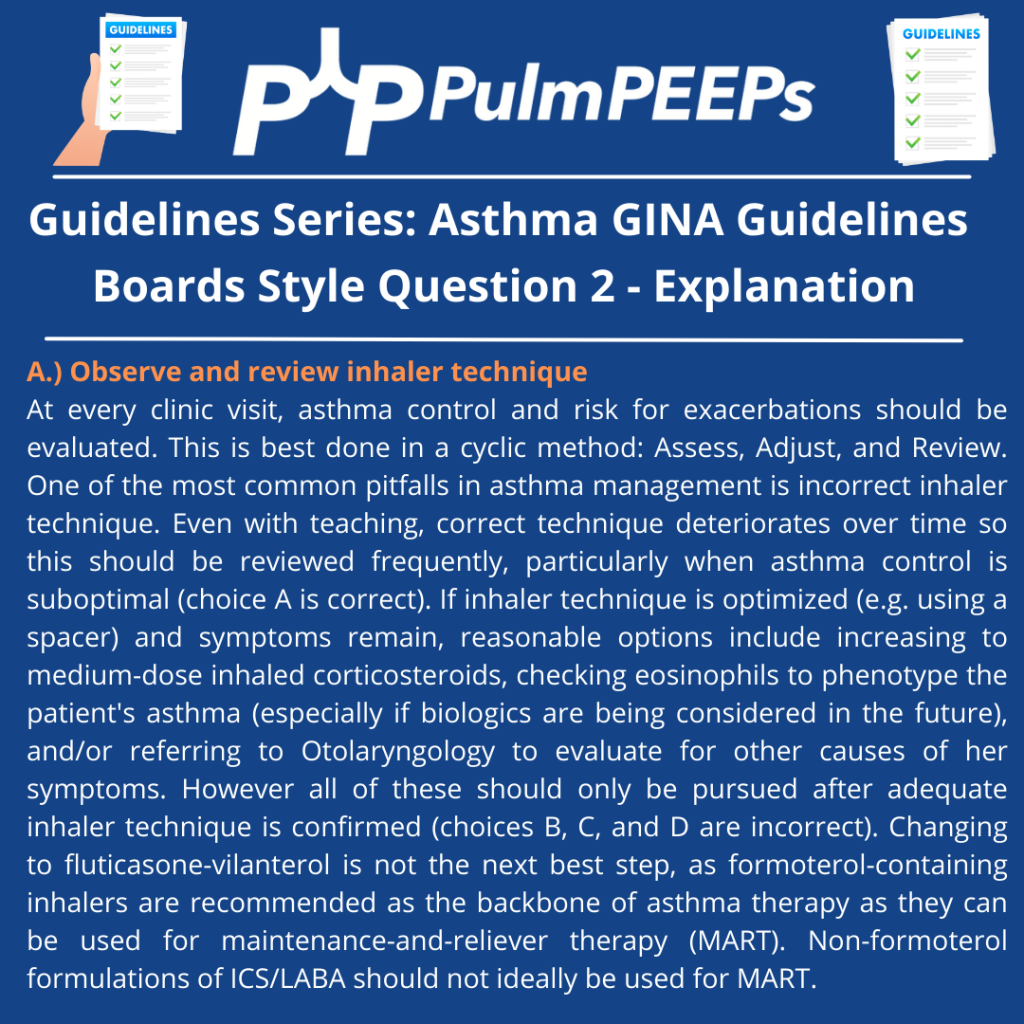
    • The Track 1 approach (preferred) centers around ICS-formoterol as both maintenance and reliever therapy (MART).
    • Track 2 (alternative approach) includes daily ICS or ICS-LABA with a separate SABA as a reliever.

    Stepwise Therapy

    • Step 1-2 (Mild asthma): Low-dose ICS-formoterol as needed for symptom relief.
    • Step 3 (Moderate asthma): Low-dose maintenance ICS-formoterol (MART therapy).
    • Step 4 (Persistent symptoms): Medium-dose ICS-formoterol (MART) with additional inhaler adjustments.
    • Step 5 (Severe asthma): Consider biologic therapies, phenotyping, and additional controllers.
    1. MART Therapy as a Game-Changer
    • Maintenance and Reliever Therapy (MART):
      • Uses a single inhaler for both daily maintenance and symptom relief.
      • Reduces overuse of SABAs.
      • Provides real-time up-titration of ICS during exacerbations.
      • Leads to better adherence and control.
    • Supporting Evidence from Trials:
      • SIGMA 1 & 2, Novel Start, Practical (2018-2019): Showed ICS-formoterol reduces exacerbations and steroid exposure compared to SABAs.
      • MANDALA (2022): Showed ICS-SABA improves outcomes over SABA alone, though not a true MART study.
    1. Practical Considerations in Asthma Management
    • Patient adherence is critical—educate on proper inhaler use and symptom monitoring.
    • Insurance and cost barriers may require prescribing alternative inhalers.
    • Review and adjust treatment regularly using the “Assess, Adjust, Review” framework.
    • Avoid high-dose ICS without exploring additional controller therapies like LAMAs, leukotriene receptor antagonists (Montelukast), and azithromycin.
    1. Non-Pharmacologic Interventions
    • Smoking cessation (including vaping/marijuana).
    • Weight management and physical activity.
    • Avoiding triggers (allergens, occupational exposures, pollution).
    • Air purifiers and HEPA filters.
    • Vaccinations (flu, COVID-19) to prevent viral exacerbations.
    • Managing comorbidities (GERD, sleep apnea, anxiety/depression).
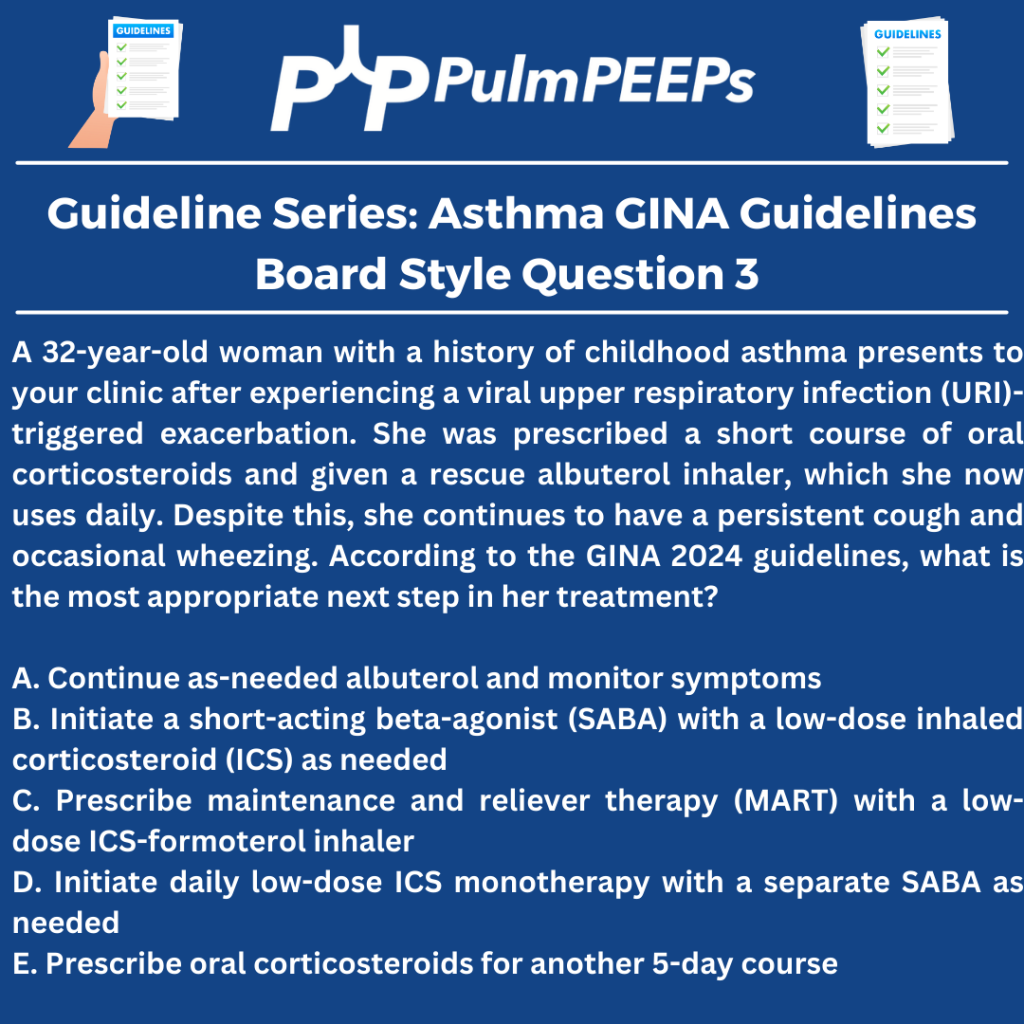
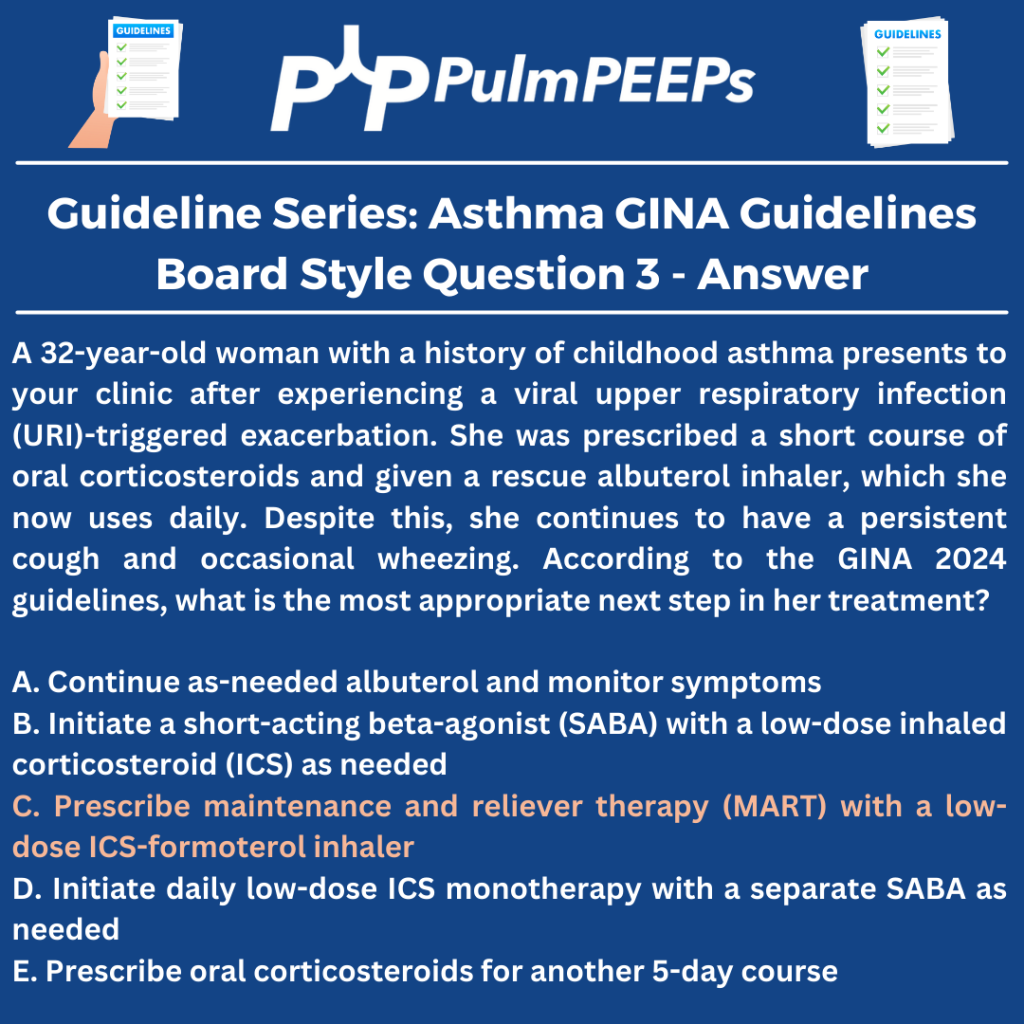
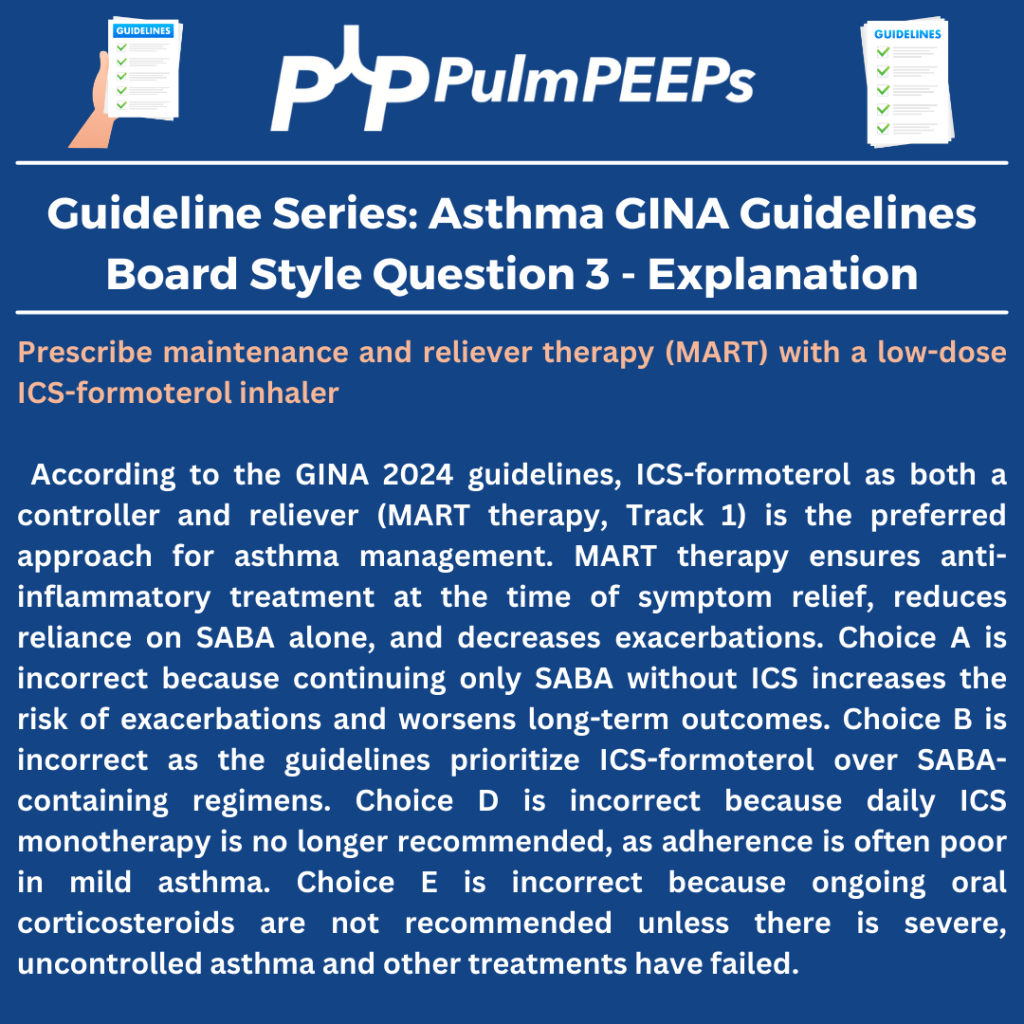
    1. Case Discussion & Real-World Application
    • Patient with recurrent asthma symptoms post-viral illness.
    • Started on low-dose ICS-formoterol as needed.
    • Symptoms persisted, leading to maintenance ICS-formoterol (MART therapy).
    • Regular follow-up to monitor and adjust therapy.
    1. Looking Ahead
    • Next episode will focus on biologic therapies for severe asthma.
    • Emphasis on ongoing education, practical application, and patient-centered care.


    Mauer Y, Taliercio RM. Managing adult asthma: The 2019 GINA guidelines. Cleve Clin J Med. 2020 Aug 31;87(9):569-575. doi: 10.3949/ccjm.87a.19136. PMID: 32868307.

    Matera MG, Rinaldi B, Annibale R, De Novellis V, Cazzola M. The pharmacological management of asthma in adults: 2023 update. Expert Opin Pharmacother. 2024 Mar;25(4):383-393. doi: 10.1080/14656566.2024.2332627. Epub 2024 Mar 20. PMID: 38497368.

    Arismendi E, Ribo P, García A, Torrego A, Bobolea I, Casas-Saucedo R, Palomino R, Picado C, Muñoz-Cano R, Valero A. Asthma Control According to GINA 2023: Does Changing the Criteria Improve Asthma Control? J Clin Med. 2024 Nov 6;13(22):6646. doi: 10.3390/jcm13226646. PMID: 39597790; PMCID: PMC11594371.

    http://ginasthma.org/2023-gina-main-report/

    https://www.uptodate.com/contents/an-overview-of-asthma-management-in-children-and-adults

    https://onlinelibrary.wiley.com/doi/full/10.1111%2Fresp.14782

    Dubin S, Patak P, Jung D. Update on Asthma Management Guidelines. Mo Med. 2024 Sep-Oct;121(5):364-367. PMID: 39421468; PMCID: PMC11482852.


    93. Guidelines Series: GINA Guidelines – Asthma Diagnosis and Assessment

    Today we are launching a new Pulm PEEPs initiative! We are going to be reviewing some of the major guidelines that are available in pulmonary and critical care. We are starting by diving into the Global Initiative for Asthma (GINA) guidelines on asthma. The goal of this initiative is to breakdown the guidelines into digestible and helpful discussions, and to talk about key issues that are pointed out by the guideline authors. Our first episode will be the start of the GINA guidelines and we’re discussing the initial diagnosis and evaluation of patients with asthma.

    Rupali Sood  grew up in Las Vegas, Nevada and made her way over to Baltimore for medical school at Johns Hopkins. She then completed her internal medicine residency training at Massachusetts General Hospital before returning back to Johns Hopkins, where she is currently a second year pulmonary and critical care medicine fellow alongside Tom. Rupali’s interests include interstitial lung disease, particularly as related to oncologic drugs. And she also loves bedside medical education.

    Tom Di Vitantonio  is originally from New Jersey and attended medical school at Rutgers, New Jersey Medical School in Newark. He then completed his internal medicine residency at Weill Cornell, where he also served as a chief resident. He currently is a second year pulmonary and critical care medicine fellow at Johns Hopkins, and he’s passionate about caring for critically ill patients, how we approach the management of pulmonary embolism, and also about medical education of trainees to help them be more confident and patient centered in the care they have going forward.

    Understanding Asthma & the GINA Guidelines

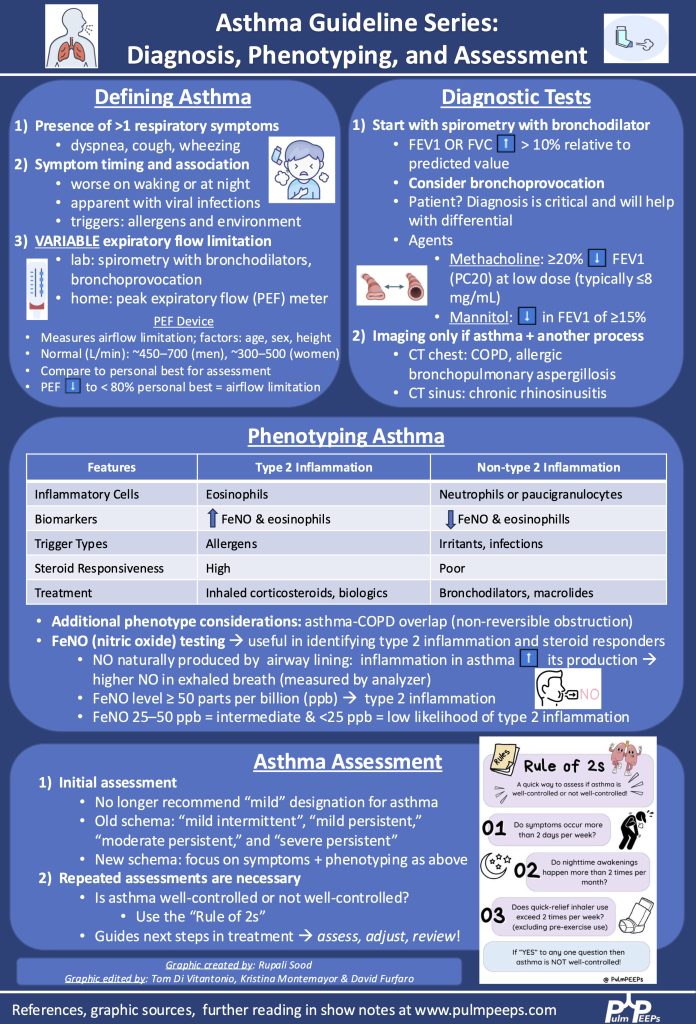
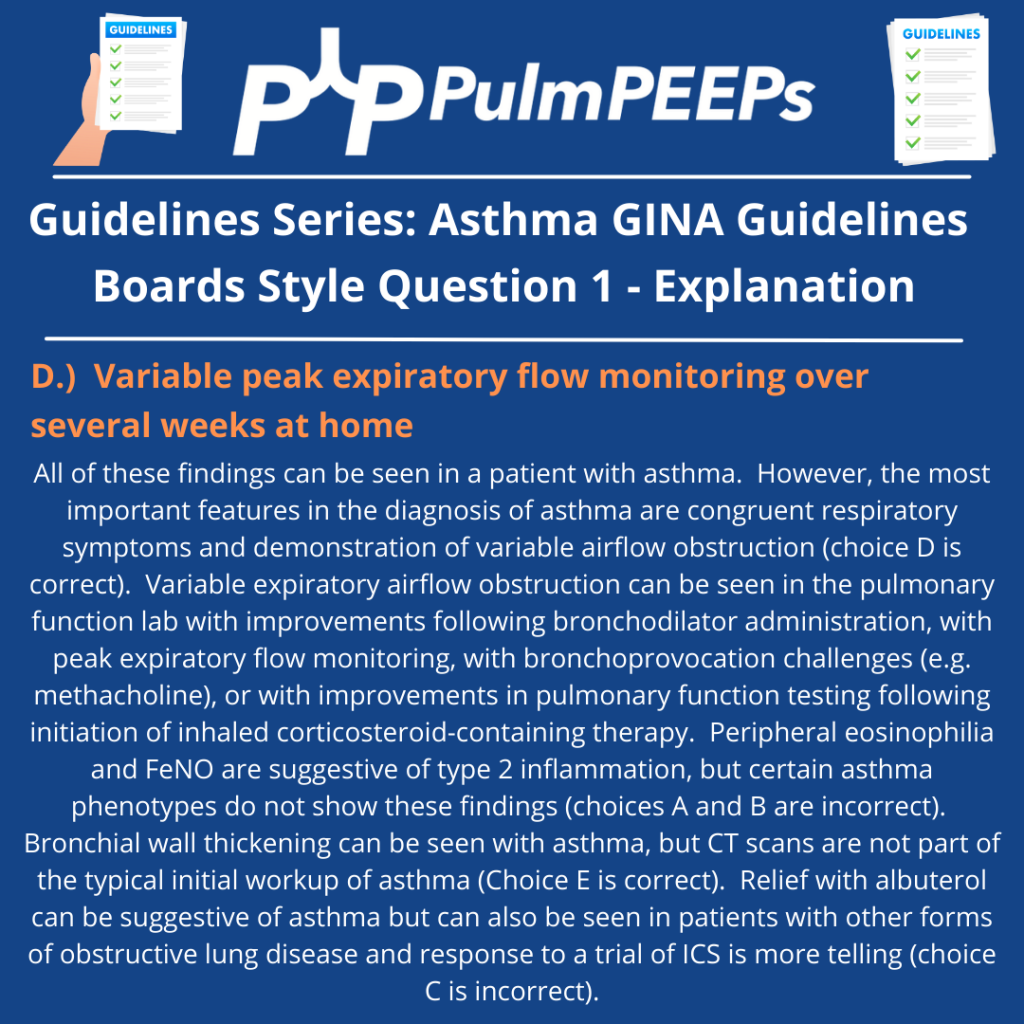
    • Asthma is a heterogeneous disease characterized by recurring respiratory symptoms (breathlessness, wheezing, cough, chest tightness) with variable airflow limitation.
    • The 2023 & 2024 Global Initiative for Asthma (GINA) guidelines emphasize phenotyping asthma to improve diagnosis and treatment.
    • Asthma differs from other obstructive lung diseases due to reversible airway obstruction, which can be demonstrated through diagnostic testing.

    Diagnosing Asthma

    • Clinical history is crucial, particularly identifying symptom triggers (cold air, exercise, allergens).
    • Spirometry is the standard diagnostic tool, looking for an increase in FEV1 or FVC ≥12% and 200 mL after bronchodilator use.
    • Alternative tests include:
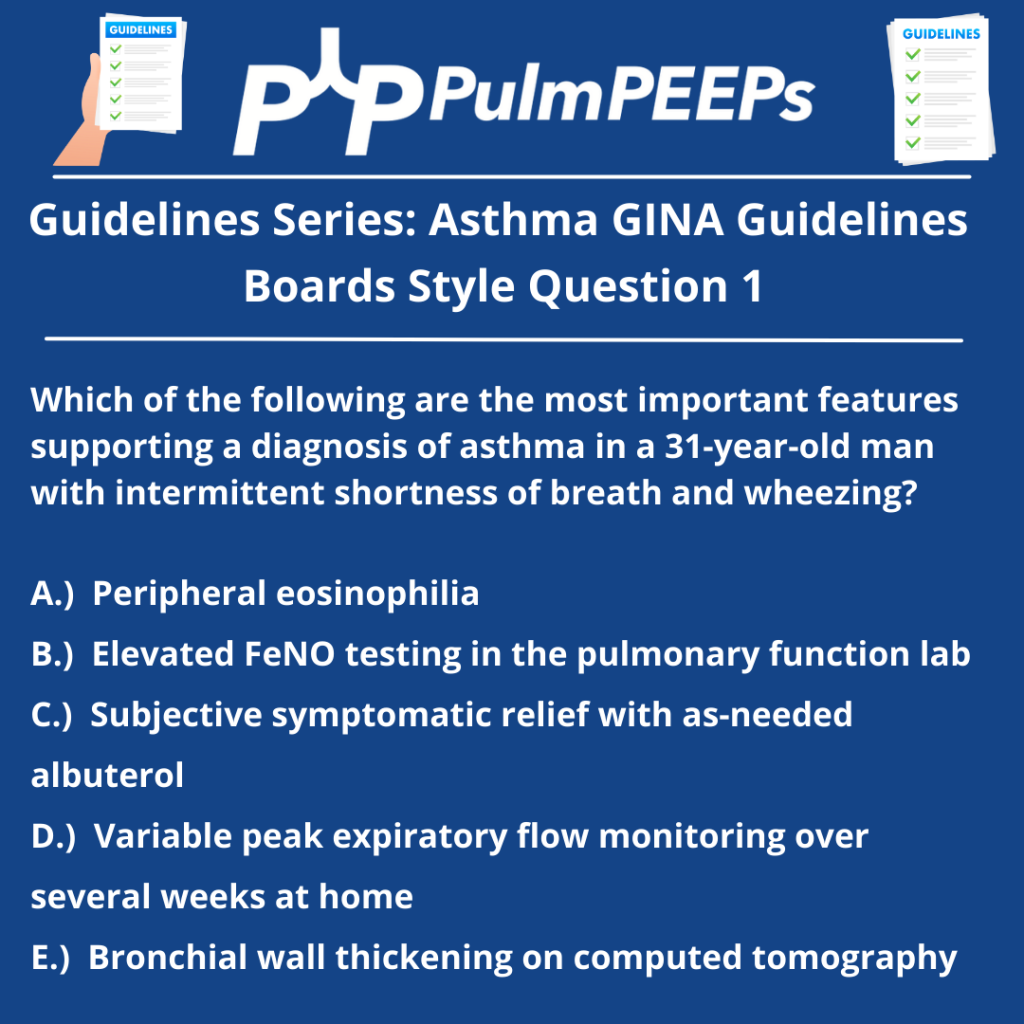
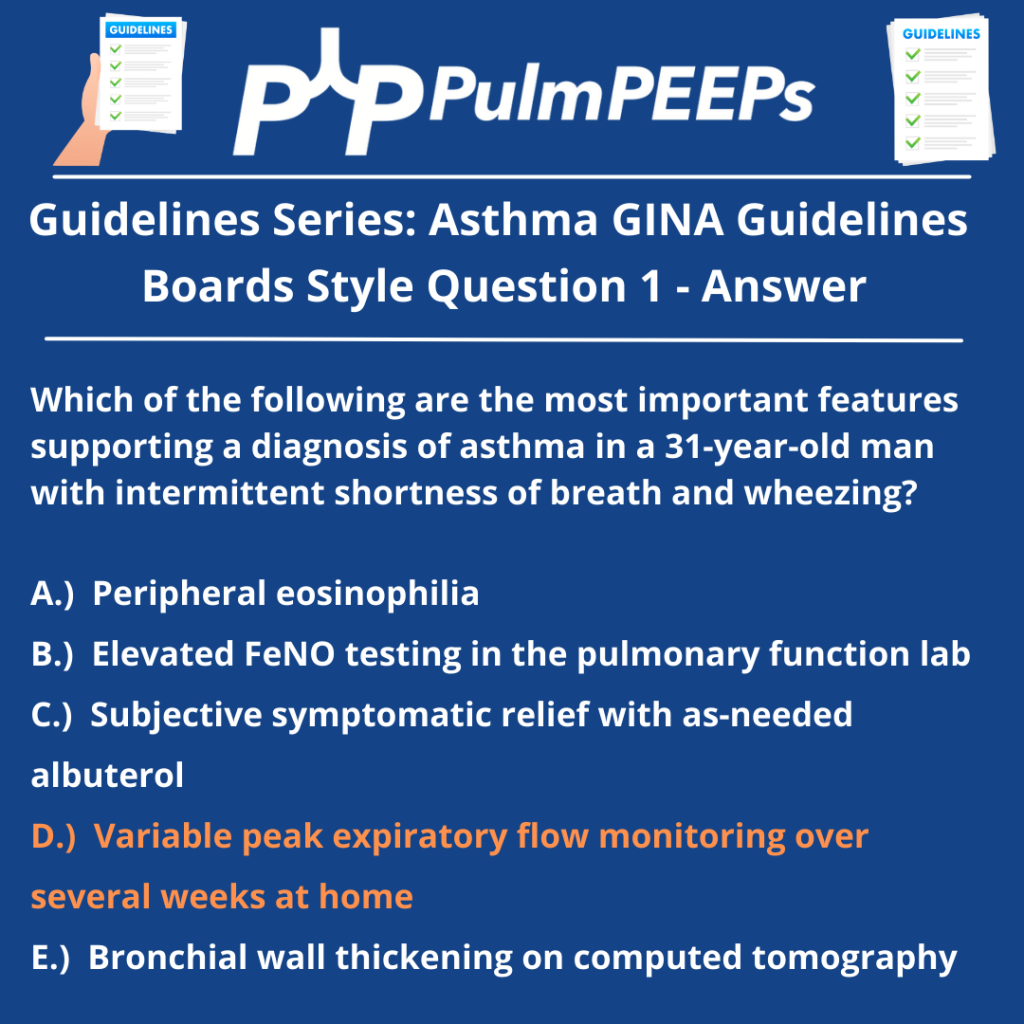
      • Peak expiratory flow monitoring over time.
      • Bronchoprovocation tests (e.g., methacholine challenge) to assess airway hyperresponsiveness.
      • Fractional exhaled nitric oxide (FENO) and blood eosinophils as markers of type 2 inflammation.

    Asthma Phenotypes & Precision Medicine

    • Different asthma phenotypes guide personalized treatment approaches:
      • Type 2  inflammation: Characterized by eosinophilic inflammation, high FeNO, good steroid responsiveness, and potential for biologic therapy.
      • Non-Type 2 inflammation: Associated with neutrophilic inflammation, poor steroid responsiveness, and potential benefit from macrolides or bronchodilators.
    • Asthma-COPD overlap requires a distinct treatment approach due to persistent obstruction.

    Imaging & Adjunctive Tests

    • Imaging is not routinely needed in asthma but can be useful for:
      • Bronchiectasis (suspected allergic bronchopulmonary aspergillosis – ABPA).
      • Asthma-COPD overlap (CT chest for emphysema).
      • Chronic sinusitis or nasal polyps (CT sinus imaging).

    Assessing Asthma Control

    • Asthma is not a one-time diagnosis; continuous reassessment is crucial.
    • Asthma control is assessed at every visit, considering:
      • Symptom frequency
      • Exacerbations
      • Inhaler technique
      • Comorbidities
    • Rule of Twos: Asthma is not well-controlled if:
      • Symptoms occur >2 times per week.
      • Nighttime awakenings >2 times per month.
      • Rescue inhaler use >2 times per week (excluding pre-exercise use).
    • Peak flow meters are valuable for self-monitoring and guiding asthma action plans.

    Conclusion

    • Asthma assessment is a continuous process, incorporating history, spirometry, biomarkers, and patient-reported symptoms.
    • Future episodes will cover asthma treatment, including biologics and inhaler therapy.
    • Infographics and questions will accompany this series for further learning.

    Mauer Y, Taliercio RM. Managing adult asthma: The 2019 GINA guidelines. Cleve Clin J Med. 2020 Aug 31;87(9):569-575. doi: 10.3949/ccjm.87a.19136. PMID: 32868307.

    Matera MG, Rinaldi B, Annibale R, De Novellis V, Cazzola M. The pharmacological management of asthma in adults: 2023 update. Expert Opin Pharmacother. 2024 Mar;25(4):383-393. doi: 10.1080/14656566.2024.2332627. Epub 2024 Mar 20. PMID: 38497368.

    Arismendi E, Ribo P, García A, Torrego A, Bobolea I, Casas-Saucedo R, Palomino R, Picado C, Muñoz-Cano R, Valero A. Asthma Control According to GINA 2023: Does Changing the Criteria Improve Asthma Control? J Clin Med. 2024 Nov 6;13(22):6646. doi: 10.3390/jcm13226646. PMID: 39597790; PMCID: PMC11594371.

    http://ginasthma.org/2023-gina-main-report/